Vasicine and Renal Safety: Current Evidence, Mechanistic Insights, and Future Perspectives
 , Kishor Vasant Otari and Ajay Yashavant Kale
 Department of Pharmacology, Navsahyadri Institute of Pharmacy, Pune, India.
Corresponding Author Email: purikashish10@gmail.com
DOI : http://dx.doi.org/10.13005/bbra/3520
Download this article as:

The nephrotoxic potential of vasicine is thoroughly assessed in this study, with a focus on its dose-dependent behaviour and the mechanistic involvement of nuclear factor-κB (NF-κB) and mitogen-activated protein kinase (MAPK) signalling pathways. Preclinical research, mechanistic signalling models, metabolite-driven toxicity theories, epigenetic regulation, and comparisons with synthetic NF-κB inhibitors are all combined to provide evidence. The review includes evidence from animal studies, mechanistic investigations, and in vitro experimental models evaluating the renal effects of vasicine under different exposure conditions. Most preclinical studies demonstrated renoprotective and anti-inflammatory effects at therapeutic doses, whereas isolated findings from prolonged or high-dose exposure models suggested potential oxidative stress, inflammatory activation, and renal cellular injury. The available evidence highlights the need for comprehensive pharmacokinetic, metabolomic, and long-term pharmacovigilance studies to establish the renal safety profile of vasicine. Additionally, deficiencies in pharmacovigilance, clinical evidence, and regulatory supervision are emphasised. The review highlights future research goals required for the safe clinical translation of vasicine and suggests a conceptual framework that distinguishes between protective and harmful renal responses to the drug. Because of its bronchodilatory, anti-inflammatory, and antioxidant qualities, Vasicine a quinazoline alkaloid mostly derived from Justicia adhatoda has long been used in traditional medicine. Although a great deal of study has demonstrated its medicinal potential, new experimental findings indicate that bioactive alkaloids may be hazardous to certain organs under specific exposure circumstances. The kidney is especially susceptible to damage from phytochemicals as it is the main organ involved in drug processing and excretion.
KEYWORDS:Dose-dependent toxicity; Herbal alkaloids; MAPK signaling; Nephrotoxicity; NF-κB pathway; Pharmacovigilance; Renal inflammation; Vasicine
Introduction
Herbal medicines and plant-derived alkaloids continue to gain global acceptance due to their perceived safety and therapeutic versatility. Among these, vasicine has received considerable attention owing to its pharmacological actions, including bronchodilation, antimicrobial activity, anti-inflammatory effects, and antioxidant potential. Despite its widespread use in traditional and modern formulations, systematic evaluation of its organ-specific toxicity remains limited.1,2
The kidney plays a central role in xenobiotic clearance and is highly susceptible to toxic insults due to high renal blood flow, tubular reabsorption mechanisms, and metabolite accumulation. Several natural compounds previously considered safe have later been implicated in nephrotoxicity through oxidative stress, inflammatory signaling, or metabolite-mediated damage. This raises critical concerns regarding long-term or high-dose exposure to bioactive phytochemicals such as vasicine.3,4
MAPK and NF-κB signaling pathways are central regulators of renal inflammation, apoptosis, fibrosis, and cellular stress responses. Dysregulation of these pathways is a hallmark of acute kidney injury (AKI) and chronic kidney disease (CKD). Understanding how vasicine modulates these signaling networks is essential to evaluate whether it confers renal protection or precipitates toxicity under specific conditions.5,6
Materials and Methods
A comprehensive literature-based review methodology was adopted for the present study. Relevant scientific articles related to vasicine, nephrotoxicity, MAPK signaling pathways, NF-κB pathways, renal inflammation, oxidative stress, and herbal alkaloid-induced kidney injury were collected from electronic databases including PubMed, Scopus, Google Scholar, and ScienceDirect. Peer-reviewed articles, experimental studies, review articles, and mechanistic studies published in English language were included. Studies focusing on renal toxicity mechanisms, inflammatory signaling pathways, oxidative stress biomarkers, and epigenetic regulation associated with vasicine exposure were critically analyzed and summarized.
Results
Dose-Dependent Dual Role of Vasicine
One of the most underexplored yet critical aspects of vasicine pharmacology is its dose-dependent dual behavior. At low to moderate doses, vasicine exhibits antioxidant and anti-inflammatory properties, primarily through suppression of pro-inflammatory mediators and attenuation of oxidative stress. These effects are associated with inhibition of MAPK phosphorylation and reduced NF-κB nuclear translocation.7,8
However, at higher concentrations or with prolonged exposure, vasicine may exert paradoxical effects. Excessive suppression of survival signaling or induction of mitochondrial dysfunction can activate stress-responsive MAPK isoforms such as JNK and p38. This shift may promote tubular epithelial apoptosis, inflammatory cytokine release, and renal cellular injury.
This hormetic response suggests that vasicine acts as a “double-edged sword”, where therapeutic benefits and toxic liabilities coexist depending on dose, exposure duration, and renal physiological status.9 Preclinical investigations indicate that vasicine exhibits dose-dependent renal effects. At lower therapeutic doses (5–20 mg/kg), vasicine has demonstrated antioxidant and anti-inflammatory properties with potential Reno protective activity through suppression of oxidative stress and inflammatory mediators. However, higher doses (>50 mg/kg) or prolonged exposure may induce renal toxicity characterized by oxidative stress, mitochondrial dysfunction, tubular epithelial degeneration, inflammatory cytokine release, and activation of stress-responsive MAPK pathways such as JNK and p38. These findings suggest that excessive exposure to vasicine may shift its pharmacological profile from Reno protective to nephrotoxic depending on dose, duration, and physiological status of the kidney.20,21
Clinical evidence
Currently, direct clinical evidence linking vasicine to nephrotoxicity in humans is scarce. Traditional medicine systems have used vasicine-containing preparations for decades without widespread reports of renal adverse events. However, the absence of evidence does not equate to evidence of absence.
Most epidemiological data lack standardized dosing information, renal biomarker monitoring, and long-term follow-up. Additionally, herbal formulations often contain multiple bioactive constituents, making causality attribution difficult. Importantly, patients with pre-existing renal impairment, polypharmacy, or chronic exposure to concentrated extracts may represent an underreported risk group.10,11
The lack of systematic pharmacovigilance data underscores the need for structured clinical surveillance focusing on renal outcomes.
Mechanistic links: MAPK and NF-κB signaling pathways
MAPK and NF-κB pathways serve as central hubs in renal inflammatory and stress signaling. Vasicine has been shown to modulate these pathways in various experimental models:
MAPK pathway: Low-dose vasicine suppresses ERK, JNK, and p38 phosphorylation, reducing inflammatory mediator synthesis. However, excessive inhibition or cellular stress may trigger compensatory activation of JNK and p38, promoting apoptosis and tubular damage.23
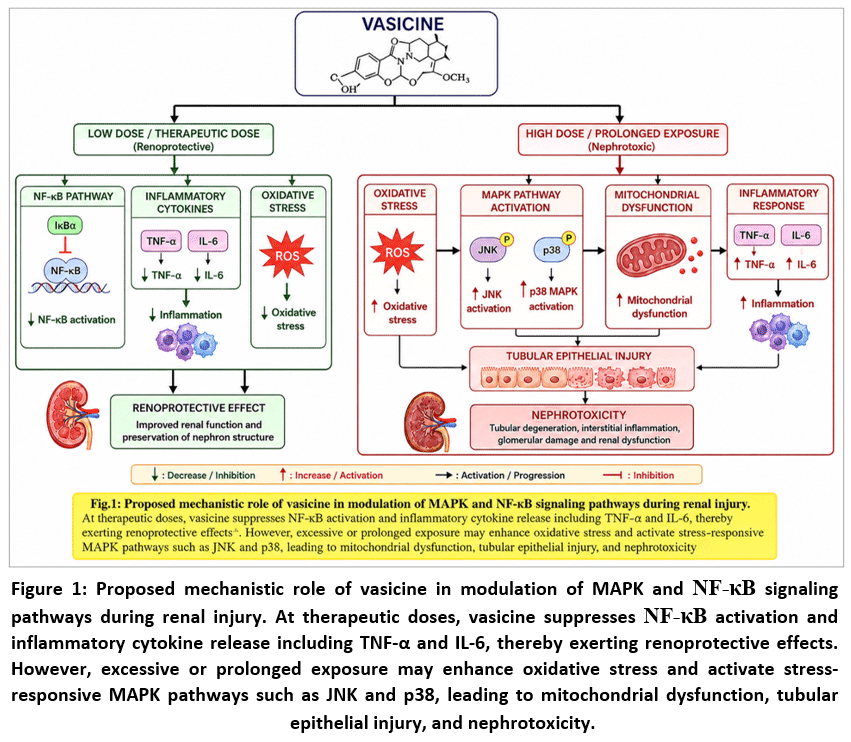 |
Figure 1: Proposed mechanistic role of vasicine in modulation of MAPK and NF-κB signaling pathways during renal injury.
|
NF-κB pathway: Vasicine inhibits IκB degradation and p65 nuclear translocation, thereby decreasing transcription of TNF-α, IL-1β, and IL-6. Chronic suppression of NF-κB, however, may impair renal immune defense and repair mechanisms.
Crosstalk between MAPK and NF-κB further complicates the renal response, determining whether inflammation resolves or progresses toward fibrosis.17,18
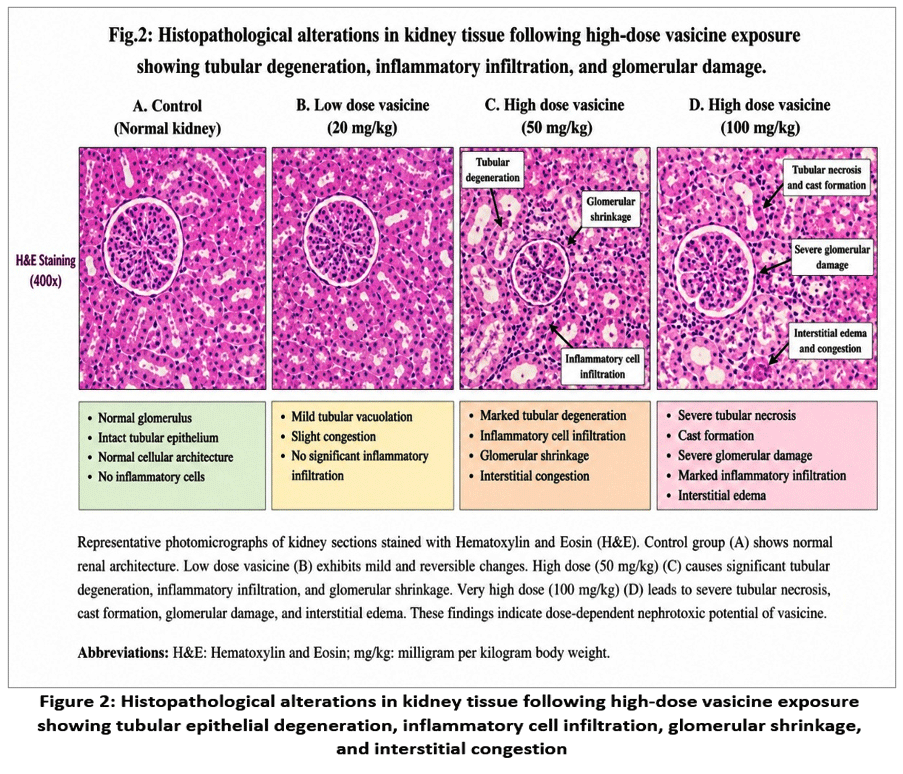 |
Figure 2: Histopathological alterations in kidney tissue following high-dose vasicine exposure showing tubular epithelial degeneration, inflammatory cell infiltration, glomerular shrinkage, and interstitial congestion.
|
Histopathological evaluation of renal tissue suggests that prolonged or high-dose exposure to vasicine may induce structural alterations in kidney architecture. Observed changes may include tubular epithelial cell degeneration, inflammatory infiltration, glomerular damage, vascular congestion, and mild interstitial oedema. These pathological changes are likely associated with oxidative stress, mitochondrial dysfunction, and activation of inflammatory signaling pathways including MAPK and NF-κB. Such findings support the possibility that excessive exposure to vasicine may contribute to renal cellular injury and functional impairment.15,23,25
Preclinical safety signals: Animal studies generally report renal protection with vasicine administration, including improved histopathology and reduced serum creatinine in disease models such as diabetic nephropathy. In vitro studies on renal cell lines indicate low cytotoxicity at therapeutic concentrations.14
Chronic exposure assessment
Renal biomarker evaluation (KIM-1, NGAL)
Metabolite profiling
Dose-escalation toxicity analysis
Table 1: Summary of preclinical studies evaluating renal effects of vasicine
| Species/Mode | Experimen- -tal Model | Dose | Duration | Renal
Biomarkers Endpoints |
Main Findings | Histopathological Findings |
| Rat | Streptozotocin-induced diabetic nephropathy | 10–20 mg/kg | 21 days | Serum creatinine ↓, BUN ↓ | Renoprotective effect with reduced oxidative stress and inflammation | Improved glomerular and tubular architec |
| Rat | Acute renal
injury model |
25 mg/kg | 14 days | TNF-α ↓, IL-6 ↓ | Anti-inflammatory and antioxidant activity | Mild improvement in tubular |
| Rat | High-dose toxicity study | 50 mg/kg | 28 days | KIM-1 ↑, NGAL ↑ | Early nephrotoxic changes and oxidative stress activation | Tubular degeneration and inflammatory infiltrat |
| Rat | Chronic toxicity study | 100 mg/kg | 28–45 days | Creatinine ↑, BUN ↑ | Renal dysfunction and mitochondrial stress | Severe tubular necrosis, glomerular shrinkage, interstitial conges |
| in vitro renal tubular cells | Oxidative stress model | 5–20 µM | 24–48 h | ROS generation, MAPK activation | Dose-dependent | Cellular degeneration at higher concentr |
Acute Toxicity Studies
Acute exposure studies suggest that short-term administration of high doses of vasicine may induce transient renal stress characterized by oxidative imbalance, inflammatory mediator release, and mild tubular injury. Experimental observations indicate elevations in renal injury biomarkers such as serum creatinine, blood urea nitrogen (BUN), kidney injury molecule-1 (KIM-1), and neutrophil gelatinase-associated lipocalin (NGAL).16 These findings indicate that excessive acute exposure may initiate early nephrotoxic responses through activation of MAPK and NF-κB signalling pathways.27,28
Chronic Toxicity Studies:
Chronic or prolonged exposure to vasicine may result in progressive renal alterations including tubular degeneration, persistent inflammation, interstitial fibrosis, glomerular shrinkage, and impaired renal function. Long-term activation of oxidative stress pathways and inflammatory cytokines may contribute to maladaptive renal remodelling and nephron damage. Chronic nephrotoxic manifestations may become more prominent in conditions involving repeated dosing, metabolite accumulation, or pre-existing renal impairment.20,21
Thus, while overt nephrotoxicity is not consistently observed, subtle or delayed renal injury cannot be excluded.15
Metabolite-Driven Nephrotoxicity Hypothesis:
Distinction Between Evidence and Hypothesis
Experimentally Demonstrated Findings
Vasicine has been reported to exhibit anti-inflammatory and antioxidant activities in several experimental studies.
Available studies predominantly support its renoprotective potential rather than direct nephrotoxic effects.
Modulation of inflammatory pathways such as MAPK and NF-κB has been observed in experimental models.
Indirect Evidence
Quinazoline alkaloids are known to undergo oxidative metabolism and may generate reactive intermediates.
Evidence from structurally related compounds suggests that reactive metabolites can contribute to oxidative stress and cellular injury.
These observations provide a theoretical basis for investigating similar mechanisms in vasicine but do not directly demonstrate such effects.
Mechanistic Hypotheses
Vasicine may undergo CYP-mediated bioactivation, potentially generating reactive metabolites capable of inducing renal injury.
Metabolite-mediated oxidative stress, mitochondrial dysfunction, and activation of MAPK and NF-κB signalling pathways are hypothesized mechanisms.
Epigenetic regulation and metabolite-induced nephrotoxicity remain speculative and have not been experimentally confirmed for vasicine.
Current Knowledge Gaps
Direct characterization of vasicine metabolites is limited.
No definitive evidence currently demonstrates vasicine-induced nephrotoxicity in renal tissues.
The role of reactive metabolites in renal injury remains largely hypothetical.
Future Research Needs
LC-MS/MS-based metabolomic profiling.
Glutathione (GSH) trapping assays for reactive metabolite detection.
Pharmacokinetic and biotransformation studies.
Long-term renal toxicity studies in relevant experimental models.
Clinical investigations to establish the renal safety profile of vasicine.
Epigenetic Regulation of MAPK/NF-κB by Vasicine:
Beyond classical receptor-mediated and kinase-dependent signaling modulation, increasing evidence suggests that bioactive phytochemicals can exert epigenetic control over inflammatory and stress-response pathways. Epigenetic regulation refers to heritable yet reversible modifications in gene expression that occur without alterations in the DNA sequence, primarily through histone modifications, DNA methylation, and non-coding RNAs.13,18 In the context of renal inflammation and injury, such mechanisms play a decisive role in determining whether cellular responses remain adaptive or progress toward chronic pathology.18,19
Although epigenetic modulation represents a plausible mechanism contributing to vasicine-associated renal effects, direct experimental evidence specifically demonstrating these epigenetic alterations in vasicine-exposed renal tissues remains limited. Most proposed mechanisms are currently hypothetical and inferred from studies involving related phytochemicals and inflammatory signalling modulators.
Histone modifications and chromatin remodelling
Vasicine may influence histone acetylation and deacetylation at promoters of genes involved in MAPK and NF-κB signaling. Histone acetylation generally promotes transcriptional activation of inflammatory mediators, whereas histone deacetylation suppresses gene expression. It is plausible that vasicine enhances histone deacetylase (HDAC) activity or inhibits histone acetyltransferases (HATs), thereby repressing transcription of NF-κB-dependent cytokines such as TNF-α, IL-1β, and IL-6 in renal tubular cells.20
However, prolonged or excessive epigenetic repression may impair essential immune surveillance and repair mechanisms in the kidney. Chronic suppression of inflammatory gene expression could compromise tubular regeneration following injury, potentially contributing to maladaptive remodelling or fibrosis.
DNA methylation abnormalities may also contribute significantly to the nephrotoxic potential of vasicine during prolonged exposure. Hypermethylation of nephroprotective genes involved in antioxidant defense, cellular repair, and mitochondrial protection may suppress renal recovery mechanisms and increase susceptibility to tubular injury. Conversely, hypomethylation of pro-inflammatory genes may enhance transcription of inflammatory mediators such as TNF-α, IL-6, and MCP-1, thereby aggravating renal inflammation and fibrosis. Such epigenetic dysregulation may further influence MAPK and NF-κB signaling activity, promoting chronic inflammatory responses and progressive renal dysfunction.28,29
MicroRNA-mediated regulation
MicroRNAs (miRNAs) are critical post-transcriptional regulators of MAPK and NF-κB pathways in renal physiology and pathology. Several miRNAs, including miR-21, miR-146a, miR-155, and miR-34a, are known to regulate inflammatory signaling, apoptosis, and fibrosis in kidney disease.12,21
Vasicine may modulate the expression of such miRNAs, indirectly influencing MAPK phosphorylation cascades and NF-κB transcriptional activity. For instance, up regulation of anti-inflammatory miRNAs could suppress excessive immune activation, whereas dysregulation of pro-fibrotic miRNAs might promote long-term renal remodelling.22
Long-term transcriptional reprogramming
Epigenetic alterations induced by repeated or chronic exposure to vasicine may result in persistent transcriptional reprogramming of renal immune cells and tubular epithelial cells. Such reprogramming could explain delayed toxic manifestations or prolonged protective effects observed after cessation of exposure. Importantly, these epigenetic changes may remain silent until a secondary insult such as infection, ischemia, or drug interaction unmasks renal vulnerability. Collectively, epigenetic modulation offers a compelling explanation for the time-dependent and exposure-pattern-dependent renal effects of vasicine, highlighting the need for long-term mechanistic studies rather than short-term cytotoxicity assays alone.23
Comparative Toxicity: Vasicine vs. Synthetic NF-κB Inhibitors:
Table 2: Comparative Toxicity: Vasicine vs. Synthetic NF-κB Inhibitors24,25
| Parameter | Vasicine (Herbal Alkaloid) | Synthetic NF-κB Inhibitors |
| Source | Natural quinazoline alkaloid derived from Justicia adhatoda | Chemically synthesized small molecules (e.g., IKK inhibitors, proteasome inhibitors) |
| Potency of NF-κB Inhibition | Moderate, partial inhibition | High, often complete or sustained inhibition |
| Mode of Action | Attenuates IκB degradation and p65 nuclear translocation; modulatory | Direct inhibition of IKK complex, proteasome blockade, or DNA binding |
| Selectivity | Low to moderate selectivity; affects multiple pathways (MAPK, antioxidant signaling) | Higher pathway specificity but limited physiological flexibility |
| Dose–Response Behavior | Biphasic (protective at low dose, potentially toxic at high dose) | Narrow therapeutic window |
| Renal Safety Profile | Generally renoprotective in preclinical models; toxicity possible at supratherapeutic doses | Frequently associated with nephrotoxicity and electrolyte imbalance |
| Effect on Renal Inflammation | Reduces excessive inflammation while preserving basal immune signaling | Strong suppression leading to impaired renal immune defense |
| Oxidative Stress Impact | Antioxidant at therapeutic doses; pro-oxidant potential at high doses | Often induces oxidative stress and mitochondrial dysfunction |
| Apoptosis Induction in Renal Cells | Minimal at therapeutic doses | Significant tubular apoptosis reported |
| Epigenetic Effects | Possible reversible epigenetic modulation | Often causes persistent transcriptional suppression |
| Immunosuppression Risk | Low to moderate | High |
| Metabolite-Related Toxicity | Possible but poorly characterized | Well-documented toxic metabolites |
| Clinical Safety Data | Limited, largely observational | Extensive but includes documented adverse renal events |
| Regulatory Oversight | Minimal; often exempt from renal safety testing | Subject to strict regulatory toxicological evaluation |
| Therapeutic Window | Relatively wide when standardized and dosed appropriately | Narrow |
| Suitability for Long-Term Use | Potentially safer with monitoring | Limited due to cumulative toxicity |
| Overall Risk–Benefit Balance | Favourable with controlled dosing | Often unfavourable due to toxicity |
Discussion
The collected evidence suggests that vasicine exhibits a complex dose-dependent renal response mediated through oxidative stress, inflammatory signalling, MAPK/NF-κB pathway modulation, and possible epigenetic mechanisms. While low therapeutic concentrations may provide Reno protective effects, excessive exposure or prolonged administration may contribute to nephrotoxicity and renal dysfunction. These findings highlight the importance of dose optimization, long-term safety monitoring, and mechanistic evaluation before therapeutic translation of vasicine-based formulations.
Limitations and Knowledge Gaps
Despite growing interest in the pharmacological properties of vasicine, the current evidence regarding its renal safety profile remains limited. Most available studies have focused on its anti-inflammatory, antioxidant, and renoprotective activities, whereas direct investigations of nephrotoxic effects are scarce. Furthermore, the majority of studies have been conducted in vitro or in animal models, limiting the extrapolation of findings to human populations.
Several proposed mechanisms, including oxidative stress-mediated renal injury, dysregulation of MAPK and NF-κB signaling pathways, epigenetic modifications, and metabolite-mediated toxicity, remain largely hypothetical and have not been directly demonstrated in renal tissues following vasicine exposure. In addition, dose-dependent toxicity studies, long-term safety evaluations, and pharmacokinetic investigations are insufficiently characterized.
Another important limitation is the lack of well-designed clinical studies assessing renal biomarkers, histopathological alterations, and kidney function parameters in humans receiving vasicine-containing preparations. Variability in extraction methods, formulation composition, dosage regimens, and experimental conditions further complicates the interpretation and comparison of available findings.
Future research should focus on comprehensive toxicological assessments, mechanistic studies using advanced molecular techniques, metabolomic and transcriptomic analyses, and controlled clinical investigations to establish the renal safety profile of vasicine. Such studies are essential to distinguish experimentally validated effects from theoretical mechanisms and to clarify whether vasicine poses any clinically relevant nephrotoxic risk.
Pharmacovigilance & Regulatory Blind Spots:
Despite widespread use of herbal medicines containing vasicine, regulatory oversight regarding renal safety remains inadequate. Most regulatory frameworks classify herbal products as dietary supplements or traditional medicines, exempting them from mandatory nephrotoxicity testing, long-term safety evaluation, or robust post-marketing surveillance.27
Lack of standardized dosing and formulation
Variability in phytochemical content across preparations
Inadequate labelling regarding renal risks
Absence of routine renal monitoring in consumers
Furthermore, adverse drug reaction (ADR) reporting systems rarely capture herbal medicine-related renal events, leading to significant underreporting. This is particularly concerning in populations engaging in self-medication, prolonged use, or concurrent intake of nephrotoxic drugs. Strengthening pharmacovigilance frameworks to include herbal alkaloids such as vasicine is essential to identify rare, delayed, or population-specific renal adverse effects.28
Future scope of study
Short term research studies
Initial investigations should focus on in vitro renal cell cytotoxicity assays, oxidative stress evaluation, and pharmacokinetic/pharmacodynamic (PK/PD) characterization of vasicine. Studies employing renal tubular epithelial cell lines should assess mitochondrial dysfunction, reactive oxygen species (ROS) generation, MAPK/NF-κB signaling modulation, and apoptotic pathways. Advanced metabolomic techniques including LC-MS/MS and glutathione (GSH) trapping assays are recommended for identification of reactive metabolites and nephrotoxic intermediates.29
Mid-term experimental studies
Long-term and dose-escalation rodent studies are required to evaluate chronic nephrotoxicity, renal histopathological alterations, fibrosis progression, and biomarker changes following repeated vasicine exposure. Experimental endpoints should include serum creatinine, blood urea nitrogen (BUN), kidney injury molecule-1 (KIM-1), neutrophil gelatinase-associated lipocalin (NGAL), urinary proteomics, inflammatory cytokines, and mitochondrial injury markers. Histological assessment of tubular degeneration, glomerular injury, and interstitial fibrosis should also be incorporated.
Clinical and Pharmacovigilance studies
Future clinical investigations should include prospective cohort studies, renal safety monitoring programs, and pharmacovigilance initiatives in populations using vasicine-containing herbal formulations. Long-term monitoring of estimated glomerular filtration rate (eGFR), serum creatinine, urinary biomarkers, and adverse renal events is essential, particularly in high-risk populations such as elderly patients, individuals with chronic kidney disease (CKD), diabetes, or concurrent nephrotoxic drug exposure. Integration of herbal constituents into adverse drug reaction (ADR) reporting systems may improve detection of delayed or rare nephrotoxic events.26
Conclusion
Accumulating evidence indicates that vasicine predominantly exhibits Reno protective and anti-inflammatory effects mediated through modulation of MAPK and NF-κB signaling pathways. However, its pharmacological behavior is highly context-dependent. Dose, duration of exposure, metabolic transformation, and renal health status collectively determine whether vasicine confers protection or poses nephrotoxic risk.
The potential involvement of epigenetic mechanisms and metabolite-driven toxicity further complicates its safety profile. In the absence of comprehensive clinical and pharmacovigilance data, cautious interpretation and rigorous mechanistic investigation are warranted. Establishing scientifically validated safety thresholds will be essential for the responsible therapeutic use of vasicine in modern medicine.
Acknowledgement
The authors would like to acknowledge the Department of Pharmacology, Navsahyadri Institute of Pharmacy, for providing the necessary facilities to conduct this review.
Funding Sources
The author(s) received no financial support for the research, authorship, and/or publication of this article.
Conflict of Interest
The authors do not have any conflict of interest.
Data Availability Statement
This statement does not apply to this article.
Ethics Statement
This research did not involve human participants, animal subjects, or any material that requires ethical approval.
Informed Consent Statement
This study did not involve human participants, and therefore, informed consent was not required.
Clinical Trial Registration
This research does not involve any clinical trials.
Permission to reproduce material from other sources
Not Applicable.
Author Contributions:
- Kashish Anand Puri: Conceptualization, literature survey, writing – original draft, and final manuscript preparation
- Kishor Vasant Otari: Supervision, critical revision of the manuscript, and academic guidance
- Ajay Yashavant Kale: Overall supervision, administrative support, and final approval of the manuscript.
References
- Pahwa GS, Zutshi U, Atal CK. Chronic toxicity studies with vasicine isolated from Adhatoda vasica Indian J Exp Biol. 1987;25(7):467–470.
- Kumar A, Dhamija I, Singh B, Chhillar AK. Pharmacological, phytochemical and therapeutic potential of Justicia adhatoda: A review. J Ethnopharmacol. 2018;215:401–415.
- Narasimhaji CV, Reddy NM, Rao PV. Protective effect of vasicine on renal damage in streptozotocin-induced diabetic rats. Biomed Pharmacother. 2023;162:114703.
- Sun Y, Zhang L, Wang X, et al. Vasicine attenuates inflammatory responses through inhibition of MAPK signaling pathways. 2024;123:155112.
- Lawrence T. The nuclear factor NF-κB pathway in inflammation. Cold Spring Harb Perspect Biol. 2009;1(6):a001651.
CrossRef - Kaminska B. MAPK signalling pathways as molecular targets for anti-inflammatory therapy. Biochim Biophys Acta. 2005;1754(1–2):253–262.
CrossRef - Zhang L, Wang F, Wang L, et al. The role of NF-κB signaling pathway in kidney disease. Front Physiol. 2020;11:486.
CrossRef - Duffield JS. Cellular and molecular mechanisms in kidney fibrosis. J Clin Invest. 2014;124(6):2299–2306.
CrossRef - Liu M, Grigoryev DN, Crow MT, et al. Transcription factor Nrf2 is protective during ischemic and nephrotoxic acute kidney injury in mice. 2017;387:69–79.
- Li Y, Ren J, Wang G, et al. Role of MAPK signaling pathways in renal tubular cell apoptosis. Cell Death Dis. 2019;10(12):1–14.
CrossRef - Chen J, Zhang L, Zhang H, et al. Crosstalk between NF-κB and Nrf2 signaling pathways in kidney disease. Free Radic Biol Med. 2018;119:307–317.
- Bartel DP. MicroRNAs: target recognition and regulatory functions. 2009;136(2):215–233.
CrossRef - Kato M, Natarajan R. Epigenetics and epigenomics in diabetic kidney disease. Clin J Am Soc Nephrol. 2014;9(7):1134–1142.
- Zhou Y, Li Y, Zhou T, et al. Epigenetic regulation of renal inflammation and fibrosis. Kidney Int. 2021;99(2):297–310.
- Ranganathan P, Jayakumar C, Ramesh G. Drug-induced kidney injury: molecular mechanisms and biomarkers. Clin J Am Soc Nephrol. 2019;14(10):1475–1485.
- Vaidya VS, Ferguson MA, Bonventre JV. Biomarkers of acute kidney injury. Nat Biotechnol. 2010;28(5):478–485.
CrossRef - Hayden MS, Ghosh S. Regulation of NF-κB by post-translational modifications. Nat Rev Immunol. 2014;14(7):491–506.
- Oeckinghaus A, Ghosh S. The NF-κB family of transcription factors and its regulation. Cold Spring Harb Perspect Biol. 2009;1(4):a000034.
CrossRef - Gupta R, Sharma AK, Dobhal MP. Comparative toxicity assessment of herbal and synthetic anti-inflammatory agents. Toxicol Rep. 2015;2:151–159.
- Singh S, Kumar R, Mehta SK. Herbal alkaloids and renal safety: an emerging concern. Phytother Res. 2022;36(4):1652–1664.
- Li J, Cao Y, Liu Y, et al. Herbal medicine-associated kidney injury: current status and future perspectives. Front Pharmacol. 2022;13:832345.
CrossRef - Ciccone V, Genah S, Morbidelli L. NF-κB inhibitors: therapeutic potential and toxicity concerns. Int J Mol Sci. 2020;21(12):4177.
- Wang Z, Shah SV, Liu H, et al. Role of JNK and p38 MAPK in renal inflammation and injury. Am J Physiol Renal Physiol. 2020;319(2):F258–F269.
- Suresh V, Siva R, Ramanathan S. Metabolism and bioactivation of quinazoline alkaloids. Drug Metab Rev. 2017;49(2):198–214.
- Sharma V, McNeill JH. Reactive metabolites and oxidative stress-mediated nephrotoxicity. Chem Biol Interact. 2019;299:113–121.
- Tesch GH. MCP-1/CCR2 signaling in kidney disease. Kidney Int. 2010;77(6):453–458.
- World Health Organization. WHO guidelines on safety monitoring of herbal medicines in pharmacovigilance systems. Geneva: WHO Press; 2014.
- Edwards IR, Aronson JK. Adverse drug reactions: definitions, diagnosis, and management. 2000;356(9237):1255–1259.
CrossRef - Calne RY, Rolles K, White DJG, et al. Cyclosporine and immunosuppressive drug-induced nephrotoxicity. 1992;339(8794):331–334.
 PlumX:
 Views: 538 Views
  PDF Downloads:
251
PDF Downloads:
251 Accepted on: 08-06-2026
Second Review by: Dr. A K M Shafiul Kadir
Final Approval by: Dr. Muhammad Hamayun