Studies on the Antibacterial, Antifungal, and Antitubercular Potential of Garcinia indica Leaf and Fruit Extracts
 and Zodape Gautam Vithobaji1, 2*
 1Department of Zoology, S. S. and L. S. Patkar College of Arts and Science, Patkar-Varde College, Mumbai, India
2Department of Zoology, V. P. Varde College of Commerce and Economics, Patkar-Varde College, Mumbai, India
Corresponding Author Email: drgautamvz5@gmail.com
DOI : http://dx.doi.org/10.13005/bbra/3539
Download this article as:

The present study evaluated the antimicrobial and antimycobacterial potential of crude leaf and fruit extracts of Garcinia indica, prepared as an ethanolic leaf extract (GiEE) and an aqueous fruit extract (GiAE). Antimicrobial activity was assessed against selected Gram-positive and Gram-negative bacteria, along with fungal strains, using minimum inhibitory concentration (MIC) determinations. Both extracts inhibited all tested microorganisms, with GiAE generally showing stronger activity than GiEE. Lower MIC values were observed against Staphylococcus aureus, Enterococcus faecalis, and Aspergillus niger, indicating notable antibacterial and antifungal efficacy. Antimycobacterial activity was further evaluated against Mycobacterium tuberculosis H37Rv using the Microplate Alamar Blue Assay. Both extracts exhibited significant inhibition, with GiAE demonstrating greater potency. Compared to standard antitubercular drugs, the activity of the crude extracts-particularly GiAE-was comparable to pyrazinamide. These findings suggest that Garcinia indica possesses broad-spectrum antibacterial, antifungal, and antimycobacterial properties. This study also provides the first evidence of its activity against M. tuberculosis, highlighting its potential as a natural source for developing new antitubercular and antibacterial agents.
KEYWORDS:Antifungal; Antimicrobial; Fruit; Garciniaindica; Leaves; Mycobacterium Tuberculosis
Introduction
Tuberculosis (TB) continues to be a serious global public health concern despite long-standing control efforts. The WHO Global Tuberculosis Report 2024 estimates 10.8 million new cases of tuberculosis globally in 2023, corresponding to an incidence of 134 per 100,000 populations. Drug-resistant TB continues to impede progress, with multidrug-resistant or rifampicin-resistant TB (MDR/RR-TB) reported in 3.2% of new cases and 16% of previously treated cases, highlighting the need for improved diagnostics, novel therapies, and stronger global commitment.1Although global TB incidence has declined over the past two decades, progress remains uneven. An analysis of TB trends from 2000 to 2021 showed that several regions continue to experience a disproportionate disease burden due to socio-economic determinants such as poverty, malnutrition, air pollution, and particularly low literacy levels. Low literacy emerged as the most significant risk factor, underscoring the importance of health education in TB prevention. The study cautioned that without addressing these determinants, achieving the WHO End TB targets by 2030 remains unlikely.2India continues to bear the highest TB burden globally, with approximately 2.64 million cases reported in 2021. Despite initiatives such as the National Tuberculosis Elimination Program (NTEP), challenges including drug resistance, HIV co-infection, healthcare access gaps, and socio-economic barriers persist. The COVID-19 pandemic further disrupted TB services, leading to delayed diagnosis and increased mortality. While India aims to eliminate TB by 2025, sustained policy support, innovative care models, and system strengthening are essential to meet this goal.3
Drug-induced toxicity refers to adverse health effects caused by pharmacological agents under specific conditions or excessive exposure.4Hepatotoxicity is a common adverse effect of anti-tuberculosis therapy, particularly with first-line medications such pyrazinamide (PZA), rifampicin (RMP), and isoniazid (INH), either individually or in combination.5-7 Timely and closely monitored treatment is critical for TB control.8Studies indicate that Asian populations have a significantly higher risk of anti-TB drug-induced hepatotoxicity compared to populations from Europe, Africa, and Canada.9,10
Medicinal plants have served as therapeutic resources since ancient times and remain integral to traditional systems such as Ayurveda. India hosts approximately 45,000 plant species, many having established therapeutic benefits.11 According to the WHO, nearly 80% of people worldwide use herbal remedies, and many modern drugs are plant-derived. Drug discovery from natural sources requires an integrated approach involving botanical, phytochemical, biological, and molecular studies, making medicinal plant research a continuing priority.12
The medicinal plant Garcinia indica (Kokum), which belongs to the Clusiaceae family, is native to India and is found throughout the Western Ghats. Traditionally used for culinary and therapeutic purposes, it has gained scientific attention due to its rich phytochemical composition and diverse biological activities. Extracts from its fruit rind, stem bark, and leaves have demonstrated antibacterial and antifungal properties, attributed to compounds such as polyphenols, xanthones, flavonoids, benzophenones, organic acids, and anthocyanins.13-15However, its activity against Mycobacterium tuberculosis has not been previously reported. Therefore, the present study evaluates the action of aqueous and ethanolic extracts of Garcinia indicafruits and leaves against bacteria, fungi andMycobacterium tuberculosis H37Rv (ATCC 27294).
Materials and Methods
Sample collection
Fresh Garcinia indica leaves and fruit were physically gathered from Wados village in Maharashtra’s Sindhudurg district. During collection, visible debris was removed. The samples were rinsed with distilled water after being washed twice with tap water. Cleaned samples were packed in polypropylene bags and transported to the Zoology Laboratory, Patkar-Varde College, Goregaon (West), Mumbai, where they were stored in a deep freezer at 8 °C until further processing.
Botanical identification
Preliminary identification of the plant material was carried out based on morphological characteristics such as shape and size of fruits and leaves, with reference to standard taxonomic literature at the Department of Zoology, Patkar-Varde College. Final authentication was obtained from the Botanical Survey of India (BSI), Pune. A voucher specimen was deposited in the BSI repository (Voucher No. BSI/WRC/Tech./2025/JVD-15).
Preparation of crude extracts
Ethanol extraction
A Soxhlet extraction device (Borosil Glass Works Ltd.) was used to create G. indica leaf extracts with ethanol as the solvent. Extraction was carried out for 6 h under continuous reflux. The extract was then filtered using Whatman No. 1 filter paper after being allowed to cool to room temperature.The filtrate was centrifuged for 15 minutes at −8 °C at 10,000 rpm (Remi centrifuge, Serial No. VCDX-5983), and a rotary evaporator was used to dry off the supernatant at 45 °C (Rotavapor R-210, Buchi, Switzerland) and stored at -20 °C for further analysis.16
Aqueous extraction
Frozen fruit samples were removed from storage, gently blotted dry and shade-dried for 15 days. A blender was used to grind the dried material into a fine powder. After macerating the powder with an equivalent amount of distilled water, it was incubated for 24 hours at 45 °C in a water bath.Whatman No. 1 filter paper was used to filter the mixture, and a cold centrifuge(Remi, Serial No. VCDX-5983) was used to centrifuge the filtrate at 10,000 rpm for 15 minutes at -8 °C. A rotary vacuum evaporator operating at 45 °C was used to gather and concentrate the supernatant under reduced pressure. Before being used, it was dried in vacuum desiccators and kept at -20 °C.
Procurement of bacterial and fungal cultures
Standard microbial and fungal strains, including Enterococcus faecalis (ATCC 35550), Streptococcus salivarius (ATCC 13419), Staphylococcus aureus (ATCC 12598), Staphylococcus epidermidis (ATCC 1228), Escherichia coli (ATCC 25922), Klebsiella spp. (ATCC 29665), Pseudomonas spp. (ATCC 25619), Proteus spp. (ATCC 49565), Candida albicans (ATCC 2091), Aspergillus niger (ATCC 9029), and Mycobacterium tuberculosis (vaccine strain H37Rv; ATCC 27294), were procured from the Central Research Laboratory, Maratha Mandal’s NGH Institute of Dental Sciences and Research Centre, Belgaum, India.
Antibacterial, antifungal, and antimycobacterial activity
The extract’s antibacterial and antifungal properties were assessed using antimicrobial susceptibility testing techniques (MIC)as described bySchwalbe et al.17 The Microplate Alamar Blue Assay (MABA) was used to measure the antimycobacterial activity against M. tuberculosisfollowing the protocol proposed byLourenço et al.18
Results
Table 1: Effect of crude extract leaf and fruit (GiEE Ethanol and GiAE Aqueous) respectively of Garcinia indica showing Minimum Inhibitory Concentration (MIC) against strains of fungi and bacteria.
| Sr No. | Organism | Crude extract of Garcinia indica | Present /Absent | Broth + Control | Broth + Organism | (MIC) (µg/ml) |
| 1 | E. faecalis ATCC 35550 | Ethanolic (Leaf) | Present | S | R | 125 |
| Aqueous (Fruit) | Present | S | R | 15.62 | ||
| 2 | S. salivarius ATCC 13419 | Ethanolic (Leaf) | Present | S | R | 62.5 |
| Aqueous (Fruit) | Present | S | R | 62.5 | ||
| 3 | S. aureus ATCC 12598 | Ethanolic (Leaf)) | Present | S | R | 31.25 |
| Aqueous (Fruit) | Present | S | R | 15.62 | ||
| 4 | S.epidermis ATCC 1228 | Ethanolic (Leaf) | Present | S | R | 62.5 |
| Aqueous (Fruit) | Present | S | R | 125 | ||
| 5 | E. coli ATCC 25922 | Ethanolic (Leaf) | Present | S | R | 31.25 |
| Aqueous (Fruit) | Present | S | R | 125 | ||
| 6 | K. pneumonia ATCC 29665 | Ethanolic (Leaf) | Present | S | R | 125 |
| Aqueous (Fruit) | Present | S | R | 125 | ||
| 7 | P. aeruginosaATCC 25619 | Ethanolic (Leaf) | Present | S | R | 125 |
| Aqueous (Fruit) | Present | S | R | 125 | ||
| 8 | P.mirabilisATCC 49565 | Ethanolic (Leaf) | Present | S | R | 125 |
| Aqueous (Fruit) | Present | S | R | 125 | ||
| 9 | C. albicans ATCC 2091 | Ethanolic (Leaf) | Present | S | R | 125 |
| Aqueous (Fruit) | Present | S | R | 125 | ||
| 10 | A. niger ATCC 9029 | Ethanolic (Leaf) | Present | S | R | 15.62 |
| Aqueous (Fruit) | Present | S | R | 8.00 |
S – Sensitive, R – Resistant
Table 2: Effect of crude extract leaf and fruit (GiEE Ethanol and GiAE Aqueous) of Garcinia indicaand standard drugs on Mycobacterium tuberculosis strain H37 RV: ATCC no-7294 using Microplate Alamar Blue Assay (MABA)
| Sr. No. | Sample | 100 µg/ml | 50 µg/ml | 25 µg/ml | 12.5 µg/ml | 6.25 µg/ml | 3.12 µg/ml | 1.6 µg/ml | 0.8 µg/ml | MICµg/ml |
| 1. | Isoniazid | S | S | S | S | S | S | S | R | 1.6 |
| 2. | Ethambutol | S | S | S | S | S | S | S | R | 1.6 |
| 3. | Pyrazinamide | S | S | S | S | S | S | R | R | 3.125 |
| 4. | Rifampicin | S | S | S | S | S | S | S | S | 0.8 |
| 5. | Streptomycin | S | S | S | S | S | S | S | S | 0.8 |
| 6. | Ethanolic (Leaf) | S | S | S | S | R | R | R | R | 12.5 |
| 7. | Aqueous (Fruit) | S | S | S | S | S | S | R | R | 3.12 |
S – Sensitive, R – Resistant
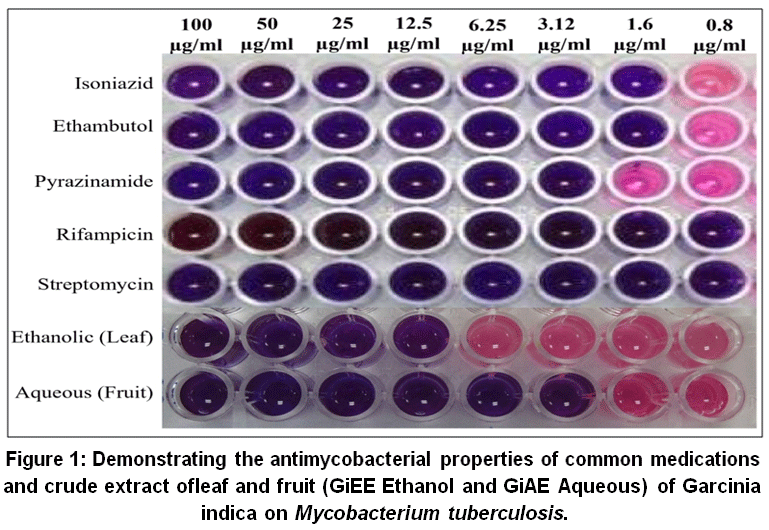 |
Figure 1: Demonstrating the antimycobacterial properties of common medications and crude extract ofleaf and fruit (GiEE Ethanol and GiAE Aqueous) of Garcinia indica on Mycobacterium tuberculosis.
|
In the present study, Table 1 illustrates the antibacterial activity of crude leaf and fruit extracts of Garcinia indica, prepared as ethanolic leaf extract (GiEE) and aqueous fruit extract (GiAE), expressed as minimum inhibitory concentration (MIC) values against selected bacterial and fungal strains. Both extracts exhibited inhibitory activity against all tested microorganisms. The MIC values for Enterococcus faecalis were 125 µg/ml (GiEE) and 15.62 µg/ml (GiAE); Streptococcus salivarius showed MICs of 62.5 µg/ml for both extracts. Against Staphylococcus aureus,GiEE and GiAE recorded MICs of 31.25 µg/ml and 15.62 µg/ml, respectively, while Staphylococcus epidermidis showed MIC values of 62.5 µg/ml (GiEE) and 125 µg/ml (GiAE). For Gram-negative bacteria, Escherichia coli exhibited MICs of 31.25 µg/ml (GiEE) and 125 µg/ml (GiAE), whereas Klebsiella spp.,Pseudomonas spp., and Proteus spp. showed MIC values of 125 µg/ml for both extracts. Additionally, antifungal activity was detected against Aspergillus niger, which exhibited noticeably lower MIC values of 15.62 µg/ml (GiEE) and 8.00 µg/ml (GiAE), and Candida albicans (125 µg/ml for both extracts). Overall, the aqueous fruit extract demonstrated higher antimicrobial potency against most bacterial and fungal strains.
Table 2 and Figure 1 present the antimycobacterial activity of crude leaf and fruit extracts of Garcinia indica (GiEE and GiAE), along with standard antitubercular drugs, against Mycobacterium tuberculosis H37Rv (ATCC No. 7294) using the Microplate Alamar Blue Assay (MABA).These were the standard medications’ MIC values: streptomycin (0.8 µg/ml), pyrazinamide (3.125 µg/ml), ethambutol (1.6 µg/ml), isoniazid (1.6 µg/ml), and rifampicin (0.8 µg/ml). The crude extracts exhibited significant antimycobacterial activity, with MIC values of 12.5 µg/ml for GiEEand 3.12 µg/ml forGiAE. Consistent with the antibacterial and antifungal results, the aqueous fruit extract displayed greater sensitivity against M. tuberculosis compared to the ethanolic leaf extract.
Discussion
Numerous studies have explored the pharmacological properties of Garcinia indica (kokum), highlighting its antimicrobial, anti-obesity, anticancer, and antidiabetic effects, along with its traditional use in gastrointestinal disorders.19 The key bioactive compounds-anthocyanins, hydroxycitric acid, and garcinol were identified and summarized their health benefits.20 Antimicrobial activity has been widely demonstrated across Garcinia species. For instance,Janardhan et al21showed that G. mangostana pericarp extract inhibited several Gram-positive oral bacteria. Varalakshmi et al14reported that aqueous extracts of G. indica fruit rind exhibited antibacterial (MIC: 0.5–50 mg/mL) and antifungal activity (MIC: 50 mg/mL). SimilarlyPashaet al22observed strong anti-Salmonella effects with aqueous extracts out performing methanolic ones.Negi and Jayaprakasha23 demonstrated antibacterial activity of solvent extracts and garcinol (MIC: 1.5–1250 ppm), while Chatterjee et al24 found garcinol more effective than clarithromycin against Helicobacter pylori. Additional studies confirmed antifungal and antioxidant properties Selvi et al25 and highlighted the potency of ethyl acetate extracts.26Sensitivity of Clostridium difficile to kokum extracts reported (MIC: 2.5–10 µL/mL),27 while Nguyen et al28showed strong antibacterial effects of other Garcinia species extracts. Methanolic and aqueous extracts from kokum leaves, fruits, and rind also demonstrated broad-spectrum antibacterial activity by, Lakshmi et al,13Tharachand et al,29 Shivakumaret al31 with compounds like polyphenols and furfural contributing to efficacy.30The antimicrobial mechanism is attributed to disruption of bacterial cell membranes.32Beyond antibacterial effects, plant-derived antimycobacterial activity has also been investigated. The study reported by Zodape and Bhise33showed mild anti-Mycobacterium tuberculosis activity of Aloe vera extract without interfering with standard drugs, while Azal and Zodape34found it enhanced second-line drug efficacy. Similarly,Zodape et al35demonstrated that Piper nigrum extracts inhibited both drug-sensitive and multidrug-resistant M. tuberculosis strains and may serve as adjuvant therapies.
These findings confirm that crude leaf and fruit extracts of Garcinia indica contain bioactive compounds with broad-spectrum antibacterial, antifungal, and antimycobacterial activities. Notably, this study demonstrates novel antimycobacterial activity of Garcinia indica, as no previous reports have documented its efficacy against Mycobacterium tuberculosis. The crude extracts showed promising therapeutic utility as their demonstrated antimycobacterial potential was similar to that of the common medication pyrazinamide. Therefore, Garcinia indica may serve as a potential source of antimicrobial and antimycobacterial agents.
Conclusion
The present study suggests that crude ethanolic leaf extract (GiEE) and aqueous fruit extract (GiAE) of Garcinia indica may exhibit antibacterial, antifungal, and antimycobacterial activity under the tested conditions. The observed sensitivity against Mycobacterium tuberculosis indicates potential bioactivity; however, these findings are preliminary and based on crude extracts. Further studies are necessary to confirm these effects, isolate and characterize the active compounds, and evaluate their safety, efficacy, and mechanisms of action. While Garcinia indica may represent a promising source of bioactive substances, substantial preclinical and clinical research is required before considering its application in the development of antimicrobial or antifungal therapies.
Acknowledgement
Authors are thankful to the Principal S. S. & L.S. Patkar College of Arts & Science & V.P. Varde College of Commerce & Economics S.V. Road Goregaon (west), Mumbai, Maharashtra, India, for providing laboratory facilities. Thanks are also due to Maratha Mandal’s Central Research Laboratory, Belgaum, India,for bacterial, fungal and Mycobacterium tuberculosis (MTB) strain, H37 Rv: ATCC No- 27294.
Funding Sources
The author(s) received no financial support for the research, authorship, and/or publication of this article.
Conflict of Interest
The authors do not have any conflict of interest.
Data Availability Statement
This statement does not apply to this article.
Ethics Statement
This research did not involve human participants, animal subjects, or any material that requires ethical approval.
Informed Consent Statement
This study did not involve human participants, and therefore, informed consent was not required.
Clinical Trial Registration
This research does not involve any clinical trials.
Permission to reproduce material from other sources
Not Applicable.
Author Contributions
- Bandekar Sankalp Nagesh:Data collection, analysis & writing.
- Zodape Gautam Vithobaji: Conceptualization and supervision.
References
- Chen Z., Wang T., Du J., et al. Decoding the WHO Global Tuberculosis Report 2024: A Critical Analysis of Global and Chinese Key Data. Compuscript Ltd. 2025; 5(1). 1-11 Doi: https://doi.org/10.15212/ZOONOSES-2024-0061
CrossRef - Bai W, & Ameyaw, E. K. Global, regional and national trends in tuberculosis incidence and main risk factors: a study using data from 2000 to 2021. BMC Public Health. 2024; 24(1). 12 ,1-14 Doi: https://doi.org/10.1186/s12889-023-17495-6
CrossRef - PadhiA, AgarwalA, BhiseM, ChaudharyA, JoshiK, KatochCDS (2024). Progress and challenges in achieving tuberculosis eliminationin India by. A systematic review and Meta – analysis. PLoS One. 2025; 19(3). Doi:https://doi.org/10.1371/journal.pone.0301060
CrossRef - Guengerich FP. Mechanisms of drug toxicity and relevance to pharmaceutical development. Drug Metab Pharmacokinet. 2011; 26(1), 3-14.Doi: https://doi.org/10.2133/dmpk.dmpk-10-rv-062
CrossRef - Saukkonen, J. J., Cohn, D. L., Jasmer, R. M., et al. Hepatotoxicity of antituberculosis therapy. American Journal of Respiratory and Critical Care Medicine. 2006; 174(8), 935–952. Doi: https://doi.org/10.1164/rccm.200510-1666ST
CrossRef - Steele, M. A., Burk, R. F., & DesPrez, R. M. Toxic hepatitis with isoniazid and rifampin: A meta-analysis. Chest 1991; 99(2) 465–471. Doi: https://doi.org/10.1378/chest.99.2.465
CrossRef - Wai Yew, W., & Chiu Leung, C. Antituberculosis drugs and hepatotoxicity. Respirology. 2006; 11(6), 699–707. Doi: https://doi.org/10.1111/j.1440-1843.2006.00941.x
CrossRef - Albert, R. K., Iseman, M., Sbarbaro, J. A., Stage, A., & Pierson, D. J. Monitoring patients with tuberculosis for failure during and after treatment. The American Review of Respiratory Disease. 1976; 114(6), 1051–1060. Doi: https://doi.org/10.1164/arrd.1976.114.6.1051
- Yee, D., Valiquette, C., Pelletier, M., Parisien, I., Rocher, I., & Menzies, D. Incidence of Serious Side Effects from First-Line Antituberculosis Drugs among Patients Treated for Active Tuberculosis. American Journal of Respiratory and Critical Care Medicine. 2003; 167(11), 1472–1477. Doi: https://doi.org/10.1164/rccm.200206-626OC
CrossRef - Blumberg H. M., Burman W. J., Chaisson R. E., et al. American Thoracic Society/Centers for Disease Control and Prevention/Infectious Diseases Society of America: treatment of tuberculosis. American Journal of Respiratory and Critical Care Medicine. 2003; 167(4), 603–662. Doi: https://doi.org/10.1164/rccm.167.4.603
CrossRef - Grover J.K., Yadav S., & Vats V. Medicinal plants of India with anti-diabetic potential. Journal of Ethnopharmacology. 2002; 81(1), 81–100. Doi:https://doi.org/10.1016/s0378-8741(02)00059-4
CrossRef - Sen, S., & Chakraborty, R. Toward the integration and advancement of herbal medicine: a focus on traditional Indian medicine. Botanics: Targets and Therapy. 2015; ( 5) 33-44. Doi: https://doi.org/10.2147/BTAT.S66308
CrossRef - Lakshmi, K. Akshaya Kumar, T.J. Dennis, & T.S.S.P.N.S. Sanath Kumar. Antibacterial Activity of Polyphenols of Garcinia Indica. Indian Journal of Pharmaceutical Sciences. 2011; 73(4), 470–473. Doi: https://doi.org/10.4103/0250-474x.95655
- Varalakshmi, K. N., Sangeetha, C. G., Shabeena, A. N., Sunitha, S. R., & Vapika, J. Antimicrobial and Cytotoxic Effects of Garcinia Indica Fruit Rind Extract. American-Eurasian J. Agric. & Environ. Sci. 2010; 7(6), 652–656.
- Singh, P., Roy, T. K., Kanupriya, C., Tripathi, P. C., Kumar, P., & Shivashankara, K. S. Evaluation of bioactive constituents of Garcinia indica (kokum) as a potential source of hydroxycitric acid, anthocyanin, and phenolic compounds. LWT. 2022; 156. Doi:https://doi.org/10.1016/j.lwt.2021.112999
CrossRef - Raaman N. Phytochemical Techniques. New India Publishing Agency, 2006; 1-295
CrossRef - Schwalbe, R., Steele-Moore, L., & Goodwin, A. C. Antimicrobial Susceptibility Testing Protocols. CRC Press. 2007; 1- 432. https://doi.org/10.1201/9781420014495
CrossRef - Lourenço, M. C., N de Souza, M. V., Pinheiro, A. C., et al. Evaluation of anti-tubercular activity of nicotinic and isoniazid analogues. Arkivoc. 2007; 181–191.
CrossRef - Hemshekhar M., Sunitha K., Santhosh M. S., et al. An overview on genus garcinia: Phytochemical and therapeutical aspects.Phytochemistry Reviews. 2011; 10(3), 325–351. Doi: https://doi.org/10.1007/s11101-011-9207-3
CrossRef - Ranveer, R. C., & Sahoo, A. K. Bioactive Constituents of Kokum and its Potential Health Benefits. Nutrition and Food Toxicology. 2017; 1(6), 236–244.
- Janardhan S., Mahendra J., Girija A. S. S., Mahendra L. & Priyadharsini V. Antimicrobial effects of Garcinia mangostana on cariogenic microorganisms. Journal of Clinical and Diagnostic Research. 2017; 11(1), 19–22. Doi: https://doi.org/10.7860/JCDR/2017/22143.9160
CrossRef - Pasha, C., Sayeed, S., Ali, M. S., & Khan, M. Z. Antisalmonella activity of selected medicinal plants. Turkish Journal of Biology. 2009; 33(1), 59–64. Doi: https://doi.org/10.3906/biy-0804-3
CrossRef - Negi, P. S., & Jayaprakasha, G. K. Control of Foodborne Pathogenic and Spoilage Bacteria by Garcinol and Garcinia indica extracts, and their Antioxidant Activity.Journal Of Food Science. 2004;69(3), 61 –65. Doi:https://doi.org/10.1111/j.1365-2621.2004.tb13372.x
CrossRef - Chatterjee A., Yasmin T., Bagchi D. & StohsS. J. The bactericidal effects of Lactobacillus acidophilus, garcinol and Protykin compared to clarithromycin, on Helicobacter pylori.Molecular and Cellular Biochemistry. 2003; (243), 29 – 35. Doi: https://doi.org/10.1023/a:1021649427988
CrossRef - T., Joseph G. S. & Jayaprakasha G. K. Inhibition of growth and aflatoxin production in Aspergillus flavus by Garcinia indica extract and its antioxidant activity. Food Microbiology. 2003; 20(4) 455 – 460. Doi: https://doi.org/10.1016/S0740-0020(02)00142-9
CrossRef - Nayak, S. V, Mandhare, P. N., & Gotmare, S. R. Study of Anti-Microbial Activity of Fruit Rind Extracts of Garcinia Indica. International Research Journal of Engineering and Technology. 2019; 6(12), 1920 – 1921.
- Sherin Justin, Beena Antony, & Chaitra C. Antibacterial Potential of Alcoholic And Aqueous Extracts Of Garcinia Indica (Du Petit-Thou.) Choisy (Kokum) Against Clinical Isolates Of Clostridium difficile. Indian Journal of Applied Research. 2018; 8(1), 232–235.
- Nguyen, N. H., Nguyen, M. T., Nguyen, H. D., et al. Antioxidant and Antimicrobial Activities of the Extracts from Different Garcinia Species. Evidence-Based Complementary and Alternative Medicine. 2021; Vol. 2021. Article ID 5542938,1- 9 Doi: https://doi.org/10.1155/2021/5542938
CrossRef - Tharachand, C., Immanuel Selvaraj, C., & Abraham, Z. Comparative evaluation of anthelmintic and antibacterial activities in leaves and fruits of Garcinia cambogia (Gaertn.) desr. and Garcinia indica (dupetit-thouars) choisy. Brazilian Archives of Biology and Technology. 2015; 58(3), 379–386. Doi: https://doi.org/10.1590/S1516-8913201500062
CrossRef - Sutar, R. L., & Ghosh. Antimicrobial activity of extracts of dried kokum (Garcinia indica C). International Food Research Journal. 2012; 19(3) 1207 – 1210.
- Shivakumar, S., Sandhiya, S., Subhasree, N., Agrawal, A., & Dubey, G. In vitro assessment of antibacterial and antioxidant activities of fruit rind extracts of Garcinia cambogia. L. International Journal of Pharmacy and Pharmaceutical Sciences. 2013; 5(2), 254–257.
- Karsha, P. V., & Lakshmi, B. Antibacterial activity of black pepper (Piper nigrum Linn.) with special reference to its mode of action on bacteria. Indian Journal of Natural Products and Resources. 2010; 1(2), 213 – 215.
- Zodape G.V., & Bhise Pravin. Effect of Aloe Vera Extract and Isoniazid – Rifampicin Drug on Mycobacterium Tuberculosis Bacterial (MTB) Strain –H37Rv. Indian Journal Of Applied Research. 2017;7(7), 58–62. Doi: https://www.doi.org/10.36106/ijar
- Shaikh Azal, & Zodape G.V. Effect of Aloe Vera Extract and Second Line Anti-Tuberculosis Drugs on Mycobacterium Tuberculosis Strain-H37Rv. Saudi Journal of Medical and Pharmaceutical Sciences. 2023; 9(04), 214–219. Doi: https://doi.org/10.36348/sjmps.2023.v09i04.001
CrossRef - Zodape, G. V., Dharmashale, S. N., & Gaikwad, V. S. Effect of Piper nigrum (Linn.) seeds extract and second line anti-tuberculosis drugs on a few Mycobacterium tuberculosis strains. Journal of Applied and Natural Science. 2021; 13(1), 402–406. Doi: https://doi.org/10.31018/jans.v13i1.2497
CrossRef
 PlumX:
 Views: 844 Views
  PDF Downloads:
287
PDF Downloads:
287 Accepted on: 14-04-2026
Second Review by: Dr. Aranya Nath
Final Approval by: Dr. Kiran Fatima