Phosphate Solubilizing Bacteria: The Underground Architects Unlocking Soil’s Hidden Nutrient Wealth

Department of Microbiology, Tara government College (Autonomous), Sangareddy, India
Corresponding Author E-mail:23venkat73@gmail.com
DOI : http://dx.doi.org/10.13005/bbra/3528
Download this article as:

Phosphorus (P) is an essential macronutrient crucial for both the energetic functions and structural health of plants, yet its limited availability poses a major challenge to global food security. In India, which is the largest importer of phosphate fertilizers in the world, the use of phosphate-solubilizing bacteria (PSB) has become an important strategy to address this issue, with over 29 million hectares currently benefiting from this treatment. This review investigates how PSB can decrease dependence on synthetic fertilizers by as much as 30% through a complex range of biochemical mechanisms. These processes include the direct conversion of glucose into organic acids that help dissolve mineral complexes, as well as the "enzymatic cutting" of organic phosphorus through specialized phytases. Additionally, we analyse advanced physiological mechanisms, such as siderophore-mediated metal extraction, proton extrusion during nitrogen assimilation, and volatile-mediated nutrient acquisition. The shift fromlaboratory research to practical use in the market is emphasized by India’s adoption of liquid biofertilizer formulations, known for their improved shelf life and effectiveness in the field. By combining these mechanistic understanding with existing market trends and established production standards, this paper outlines a strategy for utilizing microbial consortia or pure cultures of phosphate solubilizing bacteria to promote sustainable, environmentally-friendly agricultural intensification and lower input costs for farmers.
KEYWORDS:Biofertilizers; Organic acids; Orthophosphate; Phosphate-solubilizing Bacteria (PSB); Phosphorus fixation; Soil fertility; Sustainable agriculture
Introduction
After nitrogen, phosphorus is the second most important essential macro nutrient for plants.1 Phosphorous is a central component of ATP, which stores and transfers energy for photosynthesis, respiration, and metabolic processes.2 It is essential for early root development and lateral root growth, increasing the root surface area for water and nutrient.3,4 It is a key constituent of DNA, RNA, and phospholipids (the building blocks of plant cell membranes.5 Adequate phosphate levels in plants, enhances plant resistance to diseases and helps them cope with abiotic stresses like cold, heat, and drought.6 Phosphorous promotes early, uniform maturity and enhances the quality of fruits, vegetables, and grains.3-8 It increases the nitrogen-fixing capacity of legumes and also play important role in the regulation of many enzymes.9
Phosphorous fixation in soil limits the bioavailability of soil phosphorus (P), which is found in both organic (30–65%) and inorganic (35–70%) forms. Phosphorous fixes with Fe/Al oxides in acid soils (pH <5.5) and with Ca (calcium phosphates) in alkaline soils (pH >7), reducing phosphate solubility.10 Soil typically contains 0.04–0.1% (w/w) total Phosphorus (P), yet most is unavailable for direct plant uptake.11 A significant amount of phosphate in soils is found in both insoluble non available organic and inorganic forms, such as phytate and nucleic acid, as well as inorganic forms, such as Ca3(PO4)2.12,13 Plants primarily assimilate soluble inorganic orthophosphates (H2PO4–, HPO42-). Extraneously added phosphorus (P), including inorganic (IP) and organic (OP) sources, becomes immobilized and insoluble in soil by binding with cations like Ca, Al, Fe, Mg, and Mn. This rapid, pH-dependent fixation process transforms soluble fertilizer P into insoluble, non-labile, or “fixed” P forms (e.g., Ca3(PO4)2, AlPO4, FePO4), rendering them unavailable to plants. These insoluble forms are only slowly released back into the soil solution over time (dissolution) or require phosphate-solubilizing microbes (PSM) and organic acids (e.g., citrate, gluconic acid) to unlock them. Phosphate solubilizing bacteria (PSB) and fungi produce organic acids such as citric, gluconic and oxalic acids, that lower soil pH, dissolving inorganic phosphate minerals.14,15 Especially in phosphorus-deficient soils, extracellular enzymes like phosphatase and phytase produced by bacteria and fungi mineralize organic phosphates (OP) into plant-available inorganic phosphates.16
Research Methodology
This review uses a systematic qualitative research methodology to analyse phosphate-solubilizing bacterial biofertilizers. This approach integrates a structured literature review, comprehensive and balanced assessment of the topic. Relevant literature and data were collected from different literature sources, including peer-reviewed journals, sourced from MDPI, Frontiers, Elsevier, Springer, Wiley, Taylor & Francis, PLOS, Nature, ISME, and scientific reports from journals like “The Hindu”. Over 150 documents were primarily screened, of which 80 were selected and included in the final review based on the relevance, quality, and data richness etc.
Literature Review and Analysis
Key Bacterial Genera Involved in Phosphate Solubilization
Utilizing phosphorus-solubilizing microbes (PSM) that possess the ability to mobilize multiple Phosphorous sources offers a sustainable, eco-friendly approach to improving soil quality, boosting agricultural productivity, and reducing reliance on chemical fertilizers. These microorganisms, such as Pseudomonas, Bacillus, and Enterobacter, convert insoluble organic and inorganic phosphorus into plant-available orthophosphate, thereby enhancing nutrient cycling and increasing crop yields. Approximately 80% of soil P is immobile and unavailable to plants, PSMs bridge this gap by converting insoluble forms into bioavailable orthophosphate through distinct physiological and molecular mechanisms. Up to now, 36 genera and 89 species of phosphorus-solubilizing microorganisms have been identified, primarily comprising phosphate-solubilizing bacteria (PSB) and phosphate-solubilizing fungi (PSF) and actinomycetes that solubilize phosphate (PSA).17
PSB are naturally found in diverse ecosystems, including agricultural fields, forest soils, fresh water, sea water, sediments and extreme environments.18,19 Because of the nutrient-rich root exudates, the rhizosphere, the soil around plant roots, usually has the highest densities of phosphate-solubilizing bacteria (PSB).20,21Because of their strong organic acid production and rhizosphere colonization, Bacillus and Pseudomonas species continue to be the most common and efficient phosphate-solubilizing bacteria (PSB), according to recent studies. 18,22,23Species of Enterobacteris frequently found in the root zones of legumes and cereals, often showing high phosphate solubilization indices.24,25Other Prominent phosphate-solubilizing bacteria (PSB) include Rhizobium, Azotobacter, Burkholderia, Serratia, Acinetobacter, and Pantoea. Table 1 outlines the taxonomic profile of the isolated and characterized phosphate-solubilizing bacterial (PSB) strains.
Table 1: List of phosphate soluble bacteria (PSB)
| Name of the PSB | Family | Order | Class | Group |
| Acinetobacter26 | Moraxellaceae | Pseudomonadales | ɣ-proteobacteria | Gram Negative |
| Pseudomonas spp26 | Pseudomonadaceae | Pseudomonadales | ɣ-proteobacteria | Gram Negative |
| Masselia26 | Oxalobacteraceae | Burkholderiales | β- proteobacteria | Gram Negative |
| Stenotrophomonas26 | Lysobacteraceae | Lysobacterales | ɣ- proteobacteria | Gram Negative |
| Ochrobactrum26 | Brucellaceae | Hyphomicrobiales | α -proteobacteria
|
Gram Negative |
| Cupriavidus26 | Burkholderiaceae | Burkholderiales | β- proteobacteria | Gram Negative |
| Bacillus spp
(B. subtilis, B. megaterium, B. cereus)26 |
Bacillaceae | Bacillales | Bacilli | Gram Positive |
| Arthrobacter 26 | Micrococcaceae | Micrococcales | Actinomycetia | Gram positive |
| Azotobacter27 | Azotobacteriaceae | Pseudomonadales | ɣ-proteobacteria | Gram Negative |
| Rhizobium27 | Rhizobiaceae | Hyphomicrobiales | α -proteobacteria | Gram Negative |
| Escherichia coli HRY128 | Enterobacteriaceae | Enterobacteriales | ɣ-proteobacteria | Gram Negative |
| Erwinia spp29 | Erwiniaceae | Enterobacteriales | ɣ-proteobacteria | Gram Negative |
| Erwinia herbicola30 | Erwiniaceae | Enterobacteriales | ɣ-proteobacteria | Gram Negative |
| Serratia spp31 | Yersiniaceae | Enterobacterales | ɣ-proteobacteria | Gram Negative |
| Serratia nematodiphila32 | Yersiniaceae | Enterobacterales | ɣ-proteobacteria | Gram Negative |
| Paenibacillus spp33 | Paenibacillaceae | Paenibacillales | Bacilli | Gram positive |
| Bradyrhizobium34 | Nitrobacteraceae | Rhizobiales | α – proteobacteria | Gram Negative |
| Rhizobacter35 | Oxalobacteraceae | Pseudomonadales | ɣ-proteobacteria | Gram Negative |
| Xanthomonas36 | Xanthomonadaceae | Xanthomonadales | ɣ-proteobacteria | Gram Negative |
| Xanthobacter agilis37 | Xanthobacteraceae | Hyphomicrobiales | α – proteobacteria | Gram Negative |
| Micrococcus38 | Micrococcaceae | Actinomycetales | Actinomycetia | Gram Positive |
| Burkholderia39,40 | Burkholderiaceae | Burkholderiales | β – proteobacteria | Gram Negative |
| Streptomyces41 | Streptomycetaceae | Actinomycetales | Actinomycetia | Gram Positive |
| Vibrio proteolyticus37 | Vibrionaceae | Vibrionales | ɣ-proteobacteria | Gram negative |
| Enterobacter aerogenes42 | Enterobacteriaceae | Enterobacteriales | ɣ-proteobacteria | Gram Negative |
| Enterobacter intermedium43 | Enterobacteriaceae | Enterobacteriales | ɣ-proteobacteria | Gram Negative |
| Pantoea cypripedii42 | Erwiniaceae | Enterobacteriales | ɣ-proteobacteria | Gram Negative |
| Kluyvera cryocrescens32 | Enterobacteriaceae | Enterobacteriales | ɣ-proteobacteria | Gram Negative |
| Rhodococcus44 | Nocardiaceae | Mycobacteriales | Actinomycetia | Gram Positive |
| Kushneria sp. YCWA18
(Kushneria phosphatilytica)45 |
Halomonadaceae | Oceanospirillales | ɣ-proteobacteria | Gram Negative |
| Sinomonas46 | Micrococcaceae | Micrococcales | Actinomycetia | Gram Positive |
| Thiobacillus47 | Thiobacillaceae. | Nitrosomonadales | β – proteobacteria | Gram Negative |
Methodology for the identification and quantitative assessment of phosphate solubilizing microorganisms
The isolation of phosphate-solubilizing bacteria (PSB) begins with the collection of rhizosphere soil, a region dense with microbial activity fueled by root exudates. The process typically utilizes a serial dilution and spread plating method, where soil samples are suspended in sterile saline or phosphate-buffered solutions to reduce microbial density.48,49 Recent protocols emphasize a step-wise enrichment process in liquid media prior to plating, which helps selectively grow high-efficiency strains capable of mobilizing phosphorus from poorly soluble sources.50 Small aliquots from these dilutions are inoculated onto specialized solid media, such as Pikovskaya’s (PVK) or NBRIP agar, containing insoluble tricalcium phosphate as the sole phosphorus source.51-54The primary indicator of phosphorus mobilization is the formation of a clear halo zone around the colonies, a result of the bacteria producing organic acids or enzymes like phosphatases.54To quantify this efficiency, researchers calculate the Solubilization Index (SI), comparing the diameter of the halo to the colony size to identify the most potent isolates for agricultural use.55,56
Following initial screening, isolates undergo a quantitative assay in liquid media to precisely measure phosphate dissolution, often via the molybdenum blue method.57,58 This is accompanied by testing for the abundant production of organic acids, which acidify the rhizosphere to release bound phosphorus. Once pure cultures are obtained through repeated reinoculation, researchers conduct detailed studies of morphology, colony characteristics, and biochemical tests. The most potent strains are further validated through molecular characterization via 16S rRNA gene sequencing to ensure accurate genetic identification and safety.55,56,59
The transition from lab to land involves rigorous testing of the best inoculants on model plants. Promising strains move into greenhouse trials to assess plant growth-promoting traits under semi-controlled conditions.60 For the development of commercial products like Microphos PSB, successful candidates are subjected to extensive field trials to prove efficacy across diverse environments. Finally, the process concludes with standardization and quality control, ensuring high viable cell counts and stable formulations for use as a commercial biofertilizer.61The methodology and crucial steps involved in the identification and quantitative assessment of phosphate-solubilizing microorganisms are presented in Figure 1.
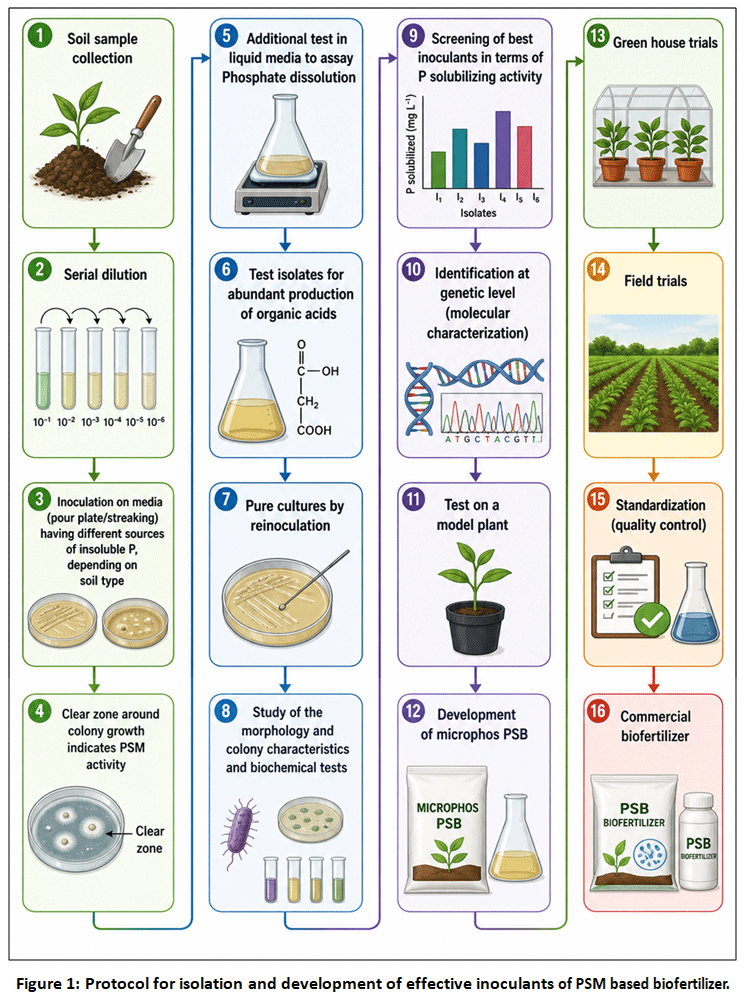 |
Figure 1: Protocol for isolation and development of effective inoculants of PSM based biofertilizer.
|
The crucial steps involved in development of phosphate solubilizing bacteria (PSB) fertilizers include
Soil sample collection
Serial dilution
Inoculation on media (pour plate/streaking) having different sources of insoluble P, depending on soil type
Clear zone around colony growth indicates PSM activity
Additional test in liquid media to assay Phosphate dissolution
Test isolates for abundant production of organic acids
Pure cultures by reinoculation
Study of the morphology and colony characteristics and biochemical tests
Screening of best inoculants in terms of P solubilizing activity
Identification at genetic level (molecular characterization)
Test on a model plant
Development of microphos PSB
Green house trials
Field trials
Standardization (quality control)
Commercial biofertilizer
Status of Phosphate Biofertilizers in India
India is the world’s largest importer of phosphorus, as domestic production covers only 15–20% of its total requirement.62 PSB is a microbial inoculant that converts insoluble phosphorus in the soil into plant-available forms, effectively reducing the need for synthetic DAP (diammonium phosphate) by up to 25–30%.63India produced over 18,000 metric tons of PSB in 2023.64The market is transitioning from solid carrier-based forms to liquid biofertilizers, which offer a longer shelf life (up to 12 months to 2 years) and better survival in harsh soil conditions.65 Major producers include cooperatives like Indian Farmers Fertiliser Cooperative Limited (IFFCO) and National Fertilizers Limited (NFL), alongside private players like International Panaacea Limited. Gujarat, Maharashtra, Tamil Nadu, and Karnataka are the top producers and consumers of phosphate solubilizing microorganisms. Gujarat alone accounts for a significant portion of both solid and liquid biofertilizer production.66 PSB biofertilizers are primarily used for crops like paddy, wheat, maize, and pulses.18 In regions like Siddipet (Telangana), farmers using PSB in rice cultivation reported reducing input costs by approximately ₹400 per acre.67Key phosphate-solubilizing bacteria (PSB) biofertilizer brands and microbial strains available in the Indian market are summarized in Table 2.
Table 2: Key PSB Biofertilizer Brands and Microbial Strains in the Indian Market
| S. No | Name of the Biofertilizer | Phosphate solubilizing Bacterial Species | Company |
| 1 | Utkarsh Phosphoz | Bacillus and Pseudomonas spp. | Utkarsh Agrochem, Surat, Gujarat |
| 2 | Dr. Bacto’s PSB | Bacillus megaterium and Pseudomonas spp. | Anand Agro Care, Nashik, Maharashtra |
| 3 | Rajshree PhoSol | Bacillus sp. | Rajshree BioSolutions, Theni District, Tamil Nādu |
| 4 | IFFCO PSB | Pseudomonas striata,Bacillus polymyxa, Bacillus megaterium | IFFCO, Paradeep, Odisha and Kalol Gujarat |
| 5 | NutriPhos | Bacillus megaterium var. phosphaticum,Bacillus polymyxa | Ajay Bio Tech India Ltd, Pune, Maharashtra |
| 6 | Biophos | PSB bacterial consortium | Ajay Bio-Tech (India) Ltd. |
| 7 | UPAJ-P | Bacillus megaterium,
Bacillus polymyxa, Pseudomonas fluorescence |
Sushila Biofertilizer Co Pvt Ltd, Jaunpur, Uttar Pradesh |
| 8 | Ecoshoot | Bacillus megaterium | P J Margo Pvt Ltd, Bangalore, Karnataka |
| 9 | Urvara Shaktiphos B | Bacillus spp. including Shaktiphos B.
Pseudomonas spp, Micrococcus |
Urvara Bio-Sciences Pvt Ltd. Phursungi, Pune, Maharashtra |
| 10 | Urvara Bacillus Subtilis Liquid | Bacillus Subtilis | Urvara Bio-Sciences Pvt Ltd, Phursungi, Pune, Maharashtra |
| 11 | ABTEC Phosphobacteria | Bacillus megaterium var. phosphaticum | ABTEC, Kottayam, Kerala |
| 12 | HEDO PSB | Bacillus megaterium, Bacillus polymyxa,Pseudomonas fluorescence | Hedoag India Private Limited, Kolhapur, Maharashtra |
| 13 | Bioniqe Biofertilizer | Bacillus megaterium | Geniqe Chemtech Corporation, Anand, Gujarat |
| 14 | Abtec Phosphobacteria | Bacillus megaterium var. phosphaticum | Agro Bio-Tech Research Centre Ltd, Kottayam, Kerala |
| 15 | AF-PSB Biofertilizer | Bacillus megaterium | Balaaditya Traders & Services, Bhubaneswar, Orissa |
| 16 | PSB Biofertilizer | Bacillus megaterium / Pseudomonas striata | Greengen Agri Biotech Pvt. Ltd, Dibrugarh, Assam |
| 17 | Phosphobacteria | PSB bacteria | Monarch Bio-Fertilizers & Research Centre, Thirumazhisai, Chennai |
| 18 | Phosphofix | Phosphate-solubilizing bacteria | International Panaacea Ltd. (IPL Biologicals), Gurugram, Haryana |
| 19 | IPL Phosphocea-HD | Bacillus Species | IPL Biologicals, Gurugram, Haryana |
| 20 | P Sol B®-BM | Bacillus megaterium (MCC 0053) | Agri Life India Pvt. Ltd. IDA Bolaram, Jinnaram Mandal, Sangareddy District |
| 21 | P-Sol B-PS | Pseudomonas striata | AgriLife (India), Jinnaram Mandal, Bolaram Industrial Area, Hyderabad, Telangana |
| 22 | Phosphobacteria | Bacillus megaterium var. phosphaticum | Agro Bio-Tech Research Centre Ltd. (ABTEC), Kerala |
| 23 | Phosphobiocom | — | Raghavendra biofertilizers, Chengam, Tamil Nadu |
| 24 | EBS PSB | Bacillus polymyxa, Bacillus megaterium, Pseudomonas fluorescence | Essential Biosciences, Bhopal, Madhya Pradesh |
| 25 | Borophil | Bacillus megaterium, Bacillus polymyxa | Borlong biotechnologies private limited, Lucknow, Uttar Pradesh |
| 26 | Pona Z-PSB | Bacillus megaterium | Ponalab bio growth private limited, Bengaluru |
| 27 | Biophosphostar | Pseudomonas, Bacillus megaterium | Surabhi Bio Care Laboratories, Baramati, Maharashtra |
| 28 | Sardar PSB | Bacillus megaterium | Gujarat State Fertilizers & Chemicals (GSFC), Vadodara, Gujarath |
| 29 | NFL PSB | Bacillus megaterium | Noida, Uttar Pradesh |
| 30 | Bioola | Pseudomonas striata | Rastriya Chemicals and Fertilizers (RCF), Mumbai, Maharashtra |
| 31 | KN phospho | Bacillus megaterium | KN Biosciences India private limited, Hyderabad |
| 32 | Speed- P | Bacillus megaterium | Kan Biosys Private Limited, Pune, Maharashtra |
| 33 | Symbion-P | Bacillus megaterium | T. Stanes and Company Limited, Coimbatore, Tamil Nadu |
| 34 | Vijay -PSB | Pseudomonas & Bacillus | Madras Fertilizers Limited (MFL) Chennai, Tamil Nadu |
| 35 | Phospho V | Bacillus megaterium | Varsha Bioscience & Technology Hyderabad, Telangana |
| 36 | Narmada PSB | Bacillus megaterium | Narmada Bio-Chem LimitedAhmedabad, Gujarat |
| 37 | Gromor PSB | Pseudomonas strains | Coromandel International Ltd, Secunderabad, Telangana |
| 38 | Zen PSB | Bacillus megaterium | Zen Crop care India Pvt Ltd, Hyderabad, Telangana |
| 39 | SPIC PSB | Bacillus megaterium | Southern Petrochemical Industries (SPIC)Tuticorin, Tamil Nadu |
| 40 | Nafed PSB | Bacillus Speceis | Nafed, Ashram Chowk, New Delhi |
| 41 | Prime PSB | Bacillus megaterium | Bio Prime Solutions, Dhayari, Pune, Maharashtra |
The market for PSB biofertilizer is moving toward focused applications and high-tech formulations. PSB was a key ingredient in more than 40% of recently released microbial fertilizers as of 2024.64 The EU Green Deal, which intends to cut the usage of synthetic fertilizers by 30% by 2030, has resulted in a 22% increase in PSB demand in Europe.64The top adopters in Asia-Pacific are China, Indonesia, and India. India produced over 20,000 metric tons of PSB in 2023. India ranks first globally in PSB adoption, with over 29 million hectares (approx. 71 million acres) treated, followed by China which has approximately 21 million hectares under similar treatment.64
Mechanistic insights into bacterial phosphorus mobilization
Phosphate-solubilizing bacteria (PSB) play a key role in the global phosphorus cycle by transforming insoluble soil phosphorus compounds into plant-available orthophosphates (H2PO4–) and (HPO42- ).18Despite the plenitude of total phosphorus in most soils, over 80% is typically immobile due to its complexation with metal cations like Ca2+, Fe3+, Al3+.68 PSB overcome this through by following biochemical and physiological strategies (Figure 2).
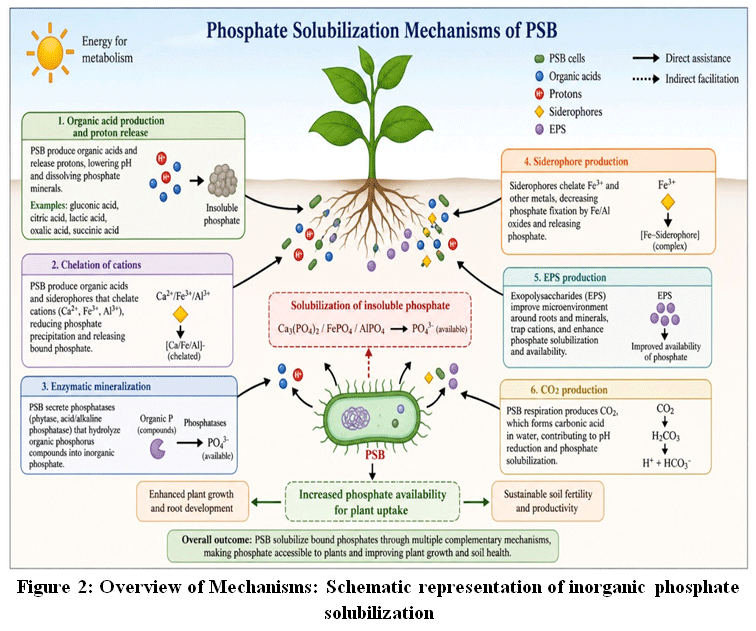 |
Figure 2: Overview of Mechanisms: Schematic representation of inorganic phosphate solubilization
|
The Direct Oxidation “Overdrive” (Inorganic phosphaterelease)
The Direct Oxidation “overdrive” pathway is a key inorganic phosphorus (P) liberation strategy in many soils and rhizosphere bacteria. In this mechanism, organisms such as Pseudomonas and Pantoea deploy a periplasmic, pyrroloquinoline quinone (PQQ)-dependent glucose dehydrogenase (GDH) system to oxidize glucose directly to gluconic acid (GA) at the cell surface, creating an acidic microenvironment that promotes mineral dissolution.69 The resulting proton flux displaces Ca2+ from hydroxyapatite, while the gluconate anion acts as a multidentate ligand that chelates released metal cations and thereby limits phosphate re-precipitation, enhancing net phosphate solubilization.70 Genomic and transcriptomic studies indicate that the capacity and regulation of this extracellular metabolic shunt are tightly controlled by the PqqABCDE operon, which functions as a molecular switch responsive to external phosphate levels and other environmental cues.71,72Together, enzymatic GA production and operon-level regulation enable bacteria to efficiently mobilize mineral phosphate under nutrient-limiting conditions and shape phosphate availability in soils and plant-associated niches.
The Enzymatic “Scissoring” Toolkit (Organic P Mineralization)
In soils where phosphate is sequestered in organic vaults like phytate (inositol hexa phosphate), PSB deploy a suite of biocatalytic hydrolases. These include nonspecificacid phosphatases (NSAPs) and specialized phytases. Unlike plants, which have limited ability to access phytate-P, bacteria use beta-propeller phytases (BPPs) to perform a sequential “de-phosphorylation” of the inositol ring, systematically stripping phosphate groups one by one.72This Enzymatic scissoring is often a community effort, where certain “pioneer” bacteria break down complex polyphosphates into simpler monoesters for the wider microbial and plant community.73 Beta‑propeller phytases (BPPs) initiate sequential removal of phosphate groups from the inositol ring, lowering charge density and weakening metal chelation, while nonspecific acid phosphatases (NSAPs) hydrolyse the resulting shorter phosphomonoesters to release orthophosphate.71
Siderophore-Mediated “Metal-Stripping” (Indirect P Release)
In iron-rich (ferruginous) soils, phosphate is often “occluded” or trapped within iron oxide lattices. PSB employ high-affinity siderophores—small, iron-binding peptides—to execute a “metal-theft” strategy. By stripping Fe3+ from iron-phosphate complexes to satisfy their own metabolic needs, the bacteria inadvertently cause the structural collapse of the mineral matrix, releasing the “trapped” phosphate into the soil solution.74This synergistic effect between siderophore secretion and acidification creates a dual-threat mechanism that is particularly effective in P-fixing tropical soils.75
The “Electro-Chemical Shift”: Proton Extrusion via Ammonium Assimilation
Another important mechanism is the transmembrane proton flux. When phosphate-solubilizing bacteria such as Bacillus or Pseudomonas assimilate ammonium (NH4+), they must preserve intracellular charge balance. To do so, they can export protons through membrane-associated H+-ATPase activity, creating a localized acidification zone that may enhance mineral phosphate dissolution. This mechanism can operate independently of organic acid secretion and may be especially relevant in nitrogen-rich microhabitats.76
The “Biopolymer Shield”: EPS-Mediated Sequestration
Bacteria produce Exopolysaccharides (EPS), which form a viscous matrix around the cells and create a localized microenvironment for mineral interactions. This EPS matrix serves two critical functions:
Ligand concentration: It traps secreted organic acids and enzymes, preventing them from diffusing away into the bulk soil and concentrating the “chemical attack” on mineral surfaces.77
Cation trapping: The negatively charged functional groups (carboxyl and hydroxyl) within the EPS act as a “cation sink,” binding to Ca2+ and Al3+ ions as soon as they are released, which shifts the chemical equilibrium to flavor more phosphorus dissolution.78
The “Inorganic Volatilization”: Hydrogen Cyanide (HCN) and Volatiles
Recent research has highlighted the role of bacterialvolatile organic compounds (VOCs) and HCN and contribute indirectly to phosphate solubilization.While primarily known for biocontrol, HCN can act as a metal-complexing agent. In certain rhizospheric conditions, HCN facilitates the “displacement” of phosphate from iron and aluminum oxides by forming stable metal-cyanide complexes, a process often described as “volatile-mediated nutrient mining”.79
The “Redox-Active” Transformation: Iron and Manganese Reduction
In anaerobic or waterlogged soils, certain PSB act as dissimilatory metal Reducers. By using Fe 3+ and Mn 4+ as alternative electron acceptors during respiration, they reduce these metals to their more soluble forms (Fe 2+ and Mn2+). Since phosphate is often “adsorbed” onto the surface of iron/manganese oxides, the reductive dissolution of these minerals can release the bound phosphate into the soil solution—a mechanism termed “reductive phosphorus mobilization”.80
Discussion
Phosphate solubilizing bacteria (PSB) and phosphorus availability
Phosphate-solubilizing bacteria (PSB) have emerged as an important biological tool for improving phosphorus availability in agricultural soils, where a large fraction of total phosphorus is present in insoluble or fixed forms. The evidence reviewed in this article shows that PSB can mobilize phosphorus through several complementary mechanisms, including the production of organic acids, secretion of phosphatases and phytases, siderophore-mediated chelation, proton extrusion, exopolysaccharide production, and interactions with soil redox chemistry. Together, these mechanisms support the view that PSB are not merely supplementary inoculants but functional components of nutrient cycling in the rhizosphere.
Mechanistic diversity of phosphate solubilization
A major strength of PSB lies in their mechanistic diversity. Organic acid production remains the most widely reported pathway, especially in Bacillus, Pseudomonas, and Enterobacter species, where acidification of the microenvironment can dissolve calcium (Ca2+), iron (Fe2+), and aluminum (Al3+) bound phosphates. In parallel, enzymatic mineralization of organic phosphorus compounds expands the pool of plant-available phosphate by releasing orthophosphate from phytate and other organic substrates. This dual capacity is particularly valuable in soils with mixed phosphorus pools, because the microbial pathways can act on both inorganic and organic reservoirs. In this sense, PSB function as biochemical translators, converting inaccessible phosphorus into a form that plants can readily absorb.
Rhizosphere context and environmental controls
The rhizosphere is the most favourable habitat for PSB activity because root exudates supply readily available carbon sources and create a chemically dynamic niche. However, PSB performance is strongly influenced by soil pH, texture, moisture, temperature, and the resident microbial community. This explains why laboratory screening often shows strong phosphate-solubilizing indices, whereas field performance may be more variable. In controlled media, halo formation provides a useful preliminary indicator, but this does not always reflect the complexity of real soils. Therefore, strain selection should not rely only on in vitro phosphate solubilization, but also on root colonization ability, persistence, compatibility with crop species, and performance under site-specific field conditions.
Integration into nutrient management and agronomic value
Another important point is that PSB should be viewed within the broader framework of integrated nutrient management. Their value is not limited to replacing chemical fertilizers entirely, but rather to improving fertilizer-use efficiency and reducing unnecessary phosphorus inputs. This is especially relevant in regions where fertilizer costs are high and phosphorus fixation is severe. By helping to mobilize legacy phosphorus already present in the soil, PSB can reduce dependence on synthetic fertilizers while supporting crop growth, soil health, and long-term sustainability. Their use is therefore aligned with both economic and environmental goals.
Formulation, delivery and quality control
The commercial success of PSB biofertilizers will depend heavily on formulation quality and delivery systems. Liquid formulations have clear advantages over traditional carrier-based products because they generally provide better shelf life, easier handling, and improved survival of viable cells. However, product effectiveness still depends on maintaining strain identity, viable cell counts, contamination-free production, and stable performance during storage and transport. Without strong quality control, the practical benefits of PSB may remain inconsistent, which can limit farmer confidence and adoption. This is especially important in large agricultural markets where biofertilizer performance must be reliable across different agroclimatic zones.
Consortia-based Inoculants: Opportunities and Challenges
Consortia-based inoculants are another promising direction. Because phosphorus mobilization is influenced by several interacting processes, combinations of compatible microbes may outperform single-strain products. For example, one organism may excel in organic acid secretion, while another may contribute phytase activity, rhizosphere colonization, or disease suppression. Such functional complementarity can improve resilience and broaden the effectiveness of inoculants under variable field conditions. At the same time, consortium design requires careful testing to avoid antagonism among strains and to ensure consistent ecological behavior after application.
Limitations, Knowledge Gaps and Research Needs
Despite their promise, several limitations must be acknowledged. The extent of phosphorus solubilization in the field is often lower than in laboratory assays, and long-term persistence of introduced strains is not always guaranteed. In addition, microbial efficacy may decline in soils with extreme pH, low moisture, high salinity, or poor organic carbon availability. There is also a need for greater understanding of how introduced PSB interact with native microbial communities and whether repeated application leads to stable colonization or only transient effects. These issues highlight the need for more rigorous multi-location trials and long-term agronomic studies.
Translational Example: Indian Biofertilizer Market and Adoption Considerations
The Indian biofertilizer market provides a useful example of the translational potential of PSB. Widespread interest in liquid biofertilizers and the growing number of commercial PSB products indicate that microbial phosphorus management is moving beyond the laboratory stage. Yet wider adoption will require better standardization, farmer education, and region-specific recommendations. Products should be matched to crop type, soil condition, and management practice rather than marketed as universal solutions. A more targeted strategy is likely to produce stronger agronomic outcomes and greater adoption success.
Conclusion
Phosphorus remains a fundamental paradox in agriculture; it is abundantly present in the soil yet remains the primary limiting factor for crop productivity due to its rapid immobilization. As highlighted, the transition from soluble orthophosphates to insoluble complexes with calcium, iron, or aluminium creates a “fixed” phosphorus pool that conventional plants cannot access. The utilization of phosphate solubilizing Bacteria (PSB), particularly dominant genera like Pseudomonas, Bacillus, and Enterobacter, represents a transformative shift toward sustainable intensification. By leveraging natural biochemical pathways—specifically the secretion of organic acids and the production of mineralization enzymes like phosphatases—these microbes effectively “unlock” soil phosphorus. This not only optimizes the efficiency of applied fertilizers but also taps into the vast reserves of legacy phosphorus already present in the earth. Ultimately, integrating PSB into modern agronomic practices offers a dual benefit. It reduces the environmental footprint and economic cost of synthetic chemical inputs while simultaneously enhancing soil health and crop resilience. By converting legacy soil phosphorus into bioavailable forms, these microorganisms reduce the necessity for chemical fertilizers, promoting a more sustainable and resilient agricultural framework. Future research and application should focus on optimizing the colonization of these beneficial bacteria in diverse soil types to ensure global food security in an eco-friendly manner.
Acknowledgement
I express my sincere gratitude to Prof. M. Praveena, Principal, Tara Government College (Autonomous), Sangareddy, Telangana, India, for her constant support and encouragement throughout the course of this study.
Funding Sources
The author received no financial support for the research, authorship, and/or publication of this article.
Conflict of interest
The author do not have any conflict of interest.
Data Availability Statement
This statement does not apply to this article.
Ethics Statement
This research did not involve human participants, animal subjects, or any material that requires ethical approval.
Informed Consent Statement
This study did not involve human participants, and therefore, informed consent was not required.
Clinical Trial Registration
This research does not involve any clinical trials.
Permission to reproduce material from other sources
Not Applicable.
Author Contributions
The sole author was responsible for the conceptualization, methodology, data collection, analysis, writing, and final approval of the manuscript.
References
- Malhotra H, Vandana, Pandey R. Phosphorus nutrition: plant growth in response to deficiency and excess. In: Plant Nutrients and Abiotic Stress Tolerance. Singapore: Springer Singapore; 2018:171-190. doi:10.1007/978-981-10-9044-8_7
CrossRef - Rengel Z, Cakmak I, White PJ, eds. Marschner’s Mineral Nutrition of Plants, 4th ed. Academic Press; 2022. DOI:10.1016/C2019-0-00491-8.
CrossRef - Jahan N, Mahmud U, Khan MZ. Sustainable plant-soil phosphorus management in agricultural systems: challenges, environmental impacts and innovative solutions. Discover Soil. 2025;2(1):13. doi:10.1007/s44378-025-00039-2
CrossRef - Hai-Bo L, Ming X, Ping W. Effect of phosphorus deficiency stress on rice lateral root growth and nutrient absorption. J Integr Plant Biol. 2001;43(11):1154. https://www.jipb.net/EN/Y2001/V43/I11/1154
- Khan F, Siddique AB, Shabala S, Zhou M, Zhao C. Phosphorus plays key roles in regulating plants’ physiological responses to abiotic stresses. Plants. 2023;12(15):2861. doi:10.3390/plants12152861
CrossRef - Zeng H, Chen F, Zhu Q, et al. The interplay between phosphorus nutrition and abiotic stresses in plants. J Genet Genomics. 2025. doi: 10.1016/j.jgg.2025.08.008
CrossRef - Ma J, Wang G, Liu X, Lei B, Xing G. Effects of phosphorus application levels on its uptake and utilization in foxtail millet. Agronomy. 2024;14(9):2078. doi:10.3390/agronomy14092078
CrossRef - Kareem KO, Abdulazeez GO, Asiyanbi KA, Olaniyi JO. Effects of phosphorus fertilizer rates on the growth and yield of cucumber (Cucumis sativus L.) varieties. J Agric Environ Sci Res. 2025;7(1). doi:10.70382/hujaesr.v7i1.009
CrossRef - Li H, Wang L, Zhang Z, Yang A, Liu D. Effect of phosphorus supply levels on nodule nitrogen fixation and nitrogen accumulation in soybean (Glycine max L.). Agronomy. 2022;12(11):2802. doi:10.3390/agronomy12112802
CrossRef - Miah MS, Emran MR, Islam MR, Billah SSM, Hasan MC. Soil phosphorus bioavailability via phosphate solubilizing microorganisms. Mazedan Int J Food Agric. 2026;4(1):6–16. https://www.researchgate.net/publication/404125150
- Hafsari AR, Purnawan L. Molecular identification and phylogenic analysis of phosphate solubilizing bacteria Aneurinibacillus migulanus from rhizosphere Imperata cylindrica, Karst Citatah, Bandung Barat, Jawa Barat, Indonesia. J Phys Conf Ser. 2020;1665(1):012006. doi:10.1088/1742-6596/1665/1/012006
CrossRef - Liu Z, Li YC, Zhang S, et al. Characterization of phosphate-solubilizing bacteria isolated from calcareous soils. Appl Soil Ecol. 2015; 96:217-224. doi: 10.1016/j.apsoil.2015.08.003
CrossRef - Neal AL, Rossmann M, Brearley C, et al. Land-use influences phosphatase gene microdiversity in soils. Environ Microbiol. 2017;19(7):2740-2753. doi:10.1111/1462-2920.13778
CrossRef - Kharyal A, Vasundhara A, Sharma N, et al. Phosphate-solubilizing microorganisms: mechanisms and agricultural applications. Geomicrobiol J. 2026;1-16. doi:10.1080/01490451.2025.2609090
CrossRef - Ma Y, Chen S, Liu S, et al. Phosphate solubilizing fungi enhance insoluble phosphate dissolution via organic acid production: mechanisms and applications. Front Microbiol. 2025; 16:1600231. doi:10.3389/fmicb.2025.1600231
CrossRef - Pang F, Li Q, Solanki MK, Wang Z, Xing YX, Dong DF. Soil phosphorus transformation and plant uptake driven by phosphate-solubilizing microorganisms. Front Microbiol. 2024; 15:1383813. doi:10.3389/fmicb.2024.1383813
CrossRef - Du X, Li D, Wang Q, Zhang H, Yang Y. Bibliometric analysis of soil phosphate solubilizing microorganisms research using VOSviewer. Life Res. 2024. doi:10.53388/lr20240003
CrossRef - Pan L, Cai B. Phosphate-solubilizing bacteria: advances in their physiology, molecular mechanisms and microbial community effects. Microorganisms. 2023;11(12):2904. doi:10.3390/microorganisms11122904
CrossRef - Janati W, El Ghadraoui L, Mikou K, et al. Phosphate solubilizing bacteria from soils with varying environmental conditions: occurrence and function. PLoS One. 2023;18(12): e0289127. doi: 10.1371/journal.pone.0289127
CrossRef - Kumari K, Ahmed S, Tanaya K, Singh D. Rhizosphere phosphate-solubilizing bacteria: a natural solution for soil fertility and plant nutrition. Arab Gulf J Sci Res. 2025;1-15. doi:10.1108/agjsr-01-2025-0011
CrossRef - Mukmina S, Dewi WS, Rosariastuti R. Exploring phosphate-solubilizing bacteria in paddy rhizospheres across varied management systems. BIO Web of Conferences. 2025; 189:01009. doi:10.1051/bioconf/202518901009
CrossRef - Bakki M, Banane B, Marhane O, et al. Phosphate solubilizing Pseudomonas and Bacillus combined with rock phosphates promoting tomato growth and reducing bacterial canker disease. Front Microbiol. 2024; 15:1289466. doi:10.3389/fmicb.2024.1289466
CrossRef - Silva LId, Pereira MC, Carvalho AMXd, Buttrós VH, Pasqual M, Dória J. Phosphorus-solubilizing microorganisms: a key to sustainable agriculture. Agriculture. 2023;13(2):462. doi:10.3390/agriculture13020462
CrossRef - Agboola AA, Ogunleye OO, Adebayo OT, et al. Growth promoting potential of phosphate solubilizing Enterobacter cloacae and Enterobacter hormaechei on maize and cowpea seedlings. Open Agric J. 2023;17(1). doi:10.2174/18743315-v17-230621-2023-13
CrossRef - Thakur IB, Putatunda C. In vitro phosphate solubilization by Enterobacter spp. isolated from wheat rhizosphere. J Pure Appl Microbiol. 2017;11(4):2007-2015. doi:10.22207/JPAM.11.4.43
CrossRef - Wan W, Qin Y, Wu H, et al. Isolation and characterization of phosphorus solubilizing bacteria with multiple phosphorus sources utilizing capability and their potential for lead immobilization in soil. Front Microbiol. 2020; 11:752. doi:10.3389/fmicb.2020.00752
CrossRef - Karpagam T, Nagalakshmi PK. Isolation and characterization of phosphate solubilizing microbes from agricultural soil. Int J Sci Res. 2014;3(3):601-614. https://www.scirp.org/reference/referencespapers?referenceid=2587052
- He R, Zhang S, Liu Y. Isolation, Characterization, and Genomic Elucidation of HRY1: An Unconventional but Highly Efficient Phosphate-Solubilizing Escherichia coli. Fermentation. 2026; 12(2):113. https://doi.org/10.3390/fermentation12020113
CrossRef - El-Badan, Dalia El-Sayed et al. “Statistical Optimization of Phosphate Solubilization by Erwinia sp. hdds3fr. J Pure Appl Microbiol. 2016. doi:10.22207/jpam.10.2.08
CrossRef - Rodríguez H, Gonzalez T, Selman G. Expression of a mineral phosphate solubilizing gene from Erwinia herbicola in two rhizobacterial strains. J Biotechnol. 2001;84(2):155-161. doi:10.1016/s0168-1656(00)00347-3
CrossRef - Behera BC, Yadav H, Singh SK, et al. Phosphate solubilization and acid phosphatase activity of Serratia sp. isolated from mangrove soil of Mahanadi river delta, Odisha, India. J Genet Eng Biotechnol. 2017;15(1):169-178. doi: 10.1016/j.jgeb.2017.01.003
CrossRef - Chakdar H, Saxena P, Kumar M, et al. Characterization and Evaluation of P Solubilizing Bacteria from Forest Soils for Plant Growth Promotion. Indian J Microbiol. 2026;66(1):1-13. doi:10.1007/s12088-025-01540-6
CrossRef - Etesami H, Emami S, Alikhani HA. Potassium solubilizing bacteria (KSB): mechanisms, promotion of plant growth, and future prospects: a review. J Soil Sci Plant Nutr. 2017;17(4):897-911. doi:10.4067/S0718-95162017000400005.
CrossRef - Shome S, Barman A, Solaiman ZM. Rhizobium and Phosphate Solubilizing Bacteria Influence the Soil Nutrient Availability, Growth, Yield, and Quality of Soybean. Agriculture. 2022; 12(8):1136. https://doi.org/10.3390/agriculture12081136
CrossRef - Tariq A, Ahmed A. Phosphate solubilizing rhizobacteria as sustainable management strategy in agrobiology. In: Sustainable Management of Natural Resources. IntechOpen; 2022. doi:10.5772/intechopen.108657
CrossRef - Sharan A, Shikha, Darmwal NS, Gaur R. Xanthomonas campestris, a novel stress tolerant, phosphate-solubilizing bacterial strain from saline–alkali soils. World J Microbiol Biotechnol. 2008;24(6):753-759. doi:10.1007/s11274-007-9535-z
CrossRef - 37 Vazquez P, Holguin G, Puente ME, Lopez-Cortes A, Bashan Y. Phosphate-solubilizing microorganisms associated with the rhizosphere of mangroves in a semiarid coastal lagoon. Biol Fertil Soils. 2000;30(5):460-468. doi:10.1007/s003740050024
CrossRef - Dastager SG, Deepa CK, Pandey A. Isolation and characterization of novel plant growth promoting Micrococcus sp NII-0909 and its interaction with cowpea. Plant Physiol Biochem. 2010;48(12):987-992. doi: 10.1016/j.plaphy.2010.09.006
CrossRef - Song OR, Lee SJ, Lee YS, Lee SC, Kim KK, Choi YL. Solubilization of insoluble inorganic phosphate by Burkholderia cepacia DA23 isolated from cultivated soil. Braz J Microbiol. 2008;39(1):151-156. doi:10.1590/S1517-838220080001000030
CrossRef - Walpola BC, Song JS, Keum MJ, Yoon MH. Evaluation of phosphate solubilizing potential of three Burkholderia species isolated from greenhouse soils. Korean J Soil Sci Fertil. 2012;45(4):602-609. DOI: 10.7745/KJSSF.2012.45.4.602
CrossRef - Chaiharn M, Pathom-Aree W, Sujada N, Lumyong S. Characterization of phosphate solubilizing Streptomyces as a biofertilizer. Chiang Mai J Sci. 2018;45(2):701-716. https://www.researchgate.net/publication/ 324795422_Characterization_of_phosphate_ solubilizing_ Streptomyces_ as_a_biofertilizer
- Singh O, Gupta M, Mittal V, et al. Novel phosphate solubilizing bacteria ‘Pantoea cypripedii PS1’ along with Enterobacter aerogenes PS16 and Rhizobium ciceri enhance the growth of chickpea (Cicer arietinum L.). Plant Growth Regul. 2014;73(1):79-89. doi:10.1007/s10725-013-9869-5
CrossRef - Hwangbo H, Park RD, Kim YW, et al. 2-Ketogluconic acid production and phosphate solubilization by Enterobacter intermedium. Curr Microbiol. 2003;47(2):87-92. doi:10.1007/s00284-002-3951-y
CrossRef - Postma J, Nijhuis EH, Someus E. Selection of phosphorus solubilizing bacteria with biocontrol potential for growth in phosphorus rich animal bone charcoal. Appl Soil Ecol. 2010;46(3):464-469. doi: 10.1016/j.apsoil.2010.08.016
CrossRef - Zhu F, Qu L, Hong X, Sun X. Isolation and characterization of a phosphate-solubilizing halophilic bacterium Kushneria sp. YCWA18 from Daqiao Saltern on the coast of Yellow Sea of China. Evid Based Complement Alternat Med. 2011; 2011:615032. doi:10.1155/2011/615032
CrossRef - Joshi S, Gangola S, Jaggi V, Sahgal M. Functional characterization and molecular fingerprinting of potential phosphate solubilizing bacterial candidates from Shisham rhizosphere. Sci Rep. 2023;13(1):7003. doi:10.1038/s41598-023-33217-9
CrossRef - Bhatti TM, Yawar W. Bacterial solubilization of phosphorus from phosphate rock containing sulfur-mud. Hydrometallurgy. 2010;103(1-4):54-59. doi: 10.1016/j.hydromet.2010.02.019
CrossRef - Jayathilake KMPI, Manage PM, Idroos FS. Isolation and characterization of phosphate-solubilizing bacteria from compost and open dump sites: implications for plant growth”. Nat Environ Pollut Technol. 2025;24(3): D1737. doi:10.46488/NEPT. 2025.v24i03.D1737
CrossRef - Janati W, Mikou K, El Ghadraoui L, Errachidi F. Isolation and characterization of phosphate solubilizing bacteria naturally colonizing legumes rhizosphere in Morocco. Front Microbiol. 2022; 13:958300. doi:10.3389/fmicb.2022.958300
CrossRef - HK P, RV V, HN S. Selective enrichment method for isolation of efficient phosphate solubilizing bacteria from soil. Commun Soil Sci Plant Anal. 2022;53(12):1532-1541. doi:10.1080/00103624.2022.2055054
CrossRef - Sanchez‑Gonzalez ME, Mora‑Herrera ME, Wong‑Villarreal A, et al. Effect of pH and carbon source on phosphate solubilization by bacterial strains in Pikovskaya medium. Microorganisms. 2023;11(1):49. doi:10.3390/microorganisms11010049
CrossRef - Yañez-Ocampo G, Guerrero-Zúñiga A, Solís-Sánchez RG, et al. Isolated phosphate-solubilizing soil bacteria promotes in vitro growth of Solanum tuberosum L. Pol J Microbiol. 2020;69(3): 357-366. doi:10.33073/pjm-2020-039
CrossRef - Amri M, Rjeibi MR, Gatrouni M, et al. Isolation, identification, and characterization of phosphate-solubilizing bacteria from Tunisian soils. Microorganisms. 2023;11(3):783. doi:10.3390/microorganisms11030783
CrossRef - Nautiyal CS. An efficient microbiological growth medium for screening phosphate solubilizing microorganisms. FEMS Microbiol Lett. 1999;170(1):265-270. doi:10.1111/j.1574-6968. 1999.tb13383.x
CrossRef - 55Leiva-Mora M, Mera Guzmán PE, Mera-Andrade RI, et al. Isolation and characterization of phosphate-solubilizing rhizobacteria from Solanum tuberosum with plant growth-promoting activity. Appl Microbiol. 2026;6(1):8. doi:10.3390/applmicrobiol6010008
CrossRef - Alemneh AA, Cawthray GR, Zhou Y, Ryder MH, Denton MD. A new isolation methodology for phosphate-solubilizing bacteria using a step-wise enrichment process. J Appl Microbiol. 2025;136(5): lxaf101. doi:10.1093/jambio/lxaf101
CrossRef - Murphy J, Riley JP. A modified single solution method for the determination of phosphate in natural waters. Anal Chim Acta. 1962;27: 31-36.doi:10.1016/S0003-2670(00)88444-5
CrossRef - Li Z, Li J, Liu G, Li Y, Wu X, Liang J, Wang Z, Chen Q, Peng F. Isolation, characterization and growth-promoting properties of phosphate-solubilizing bacteria (PSBs) derived from peach tree rhizosphere. Microorganisms. 2025;13(4):718.2025; 13(4):718. https://doi.org/10.3390/microorganisms13040718
CrossRef - 59.Basharat T, Ali F, Das T, Bakar TB, Mishi NT, Ferdouse J, Hossain TJ. Phosphate solubilizing rhizobacteria of rice: analysis of plant growth promoting activity and environmental stress tolerance. Ann Agri-Bio Res. 2022;28(2):197-208. doi:10.2139/ssrn.4249001
CrossRef - Bajracharya AM, Dulal A. Isolation and characterization of phosphate-solubilizing bacteria from rhizospheric soil in Suryapur, Bharatpur. J Balkumari Coll. 2025;14(1):34-38. 2025;14(1):34-38. DOI: https://doi.org/10.3126/jbkc.v14i1.80756
CrossRef - Bansal R, Vyas P, Sharma S. Formulation and field performance of liquid phosphate-solubilizing bacterial biofertilizer for improved growth, yield, and nutrient content of potato. Front Microbiol. 2025; 16:1734471 doi:10.3389/fmicb.2025.1734471
CrossRef - Bhattacharya J. Phosphorite market case for India in 2026: what will be the supply-demand situation of phosphorite in all the months of 2026? Currency rate can be a spoiler. Mineral Metal Energy Oil Gas Aggregate. 2025:1–6. doi:10.18311/2MEOGA/2025/54217
CrossRef - Satyaprakash M, Nikitha T, Reddi EUB, Sadhana B, Vani SS. Phosphorous and phosphate solubilising bacteria and their role in plant nutrition. Int J Curr Microbiol App Sci. 2017;6(4):2133-2144. doi:10.20546/ijcmas.2017.604.251
CrossRef - Market Growth Reports. Phosphate Solubilizing Bacteria Bio-Fertilizers Market Size, Share, Growth, and Industry Analysis, By Type (Liquid, Powder, Granular), By Application (Agriculture, Organic Farming, Horticulture), Regional Insights and Forecast to 2033. 2024. https://www.marketgrowthreports.com/market-reports/phosphate-solubilizing-bacteria-bio-fertilizers-market-113994
- Verma NP, Kuldeep YK, Yadav N. Study of liquid biofertilizer as an innovative agronomic input for sustainable agriculture. Int J Pure App Biosci. 2018;6(1):190-194 .https://ijpab.com/form/2018%20Volume%206,%20speissue%201/IJPAB-SPE-2018-6-1-190-194.pdf
- Garcha S. Present scenario: status of the biofertilizer industry in India. In: Kaur SK, Dwivedi V, Sahu PK, eds. Metabolomics, Proteomes and Gene Editing Approaches in Biofertilizer Industry. Singapore: Springer Nature Singapore; 2023:21-36. DOI: 10.1007/978-981-99-3561-1_2
CrossRef - Farmers use PSB system to reduce input cost, enrich soil fertility. The Hindu. July 16, 2022. https://www.thehindu.com/farmers-use-psb-system-to-reduce-input-cost-enrich-soil-fertility/article65647424.ece
- Pang F, Zhang X, Li Y, et al. Soil phosphorus transformation and plant uptake driven by phosphate‑solubilizing microorganisms. Front Microbiol. 2024; 15:1383813. doi:10.3389/fmicb.2024.1383813
CrossRef - Bhanja E, Das R, Begum Y, Mondal SK. Study of pyrroloquinoline quinine from phosphate-solubilizing microbes responsible for plant growth: in silico approach. Front Agron. 2021; 3:667339. DOI:10.3389/fagro.2021.667339
CrossRef - Suleman M, Yasmin S, Rasul M, et al. Phosphate solubilizing bacteria with glucose dehydrogenase gene for phosphorus uptake and beneficial effects on wheat. PLoS One. 2018;13(9): e0204408.doi: 10.1371/journal.pone.0204408man,
CrossRef - Chen X, Zhao Y, Huang S, et al. Genome-based identification of phosphate-solubilizing capacities of soil bacterial isolates. AMB Express. 2024;14(1): 85.DOI: 10.1186/s13568-024-01745-w
CrossRef - Wan W, Qin Y, Wu H, et al. Isolation and characterization of phosphorus solubilizing bacteria with multiple phosphorus sources utilizing capability and their potential for lead immobilization in soil. Front Microbiol. 2020; 11:752. doi:10.3389/fmicb.2020.00752
CrossRef - Liang JL, Liu J, Jia P, et al. Novel phosphate-solubilizing bacteria enhance soil phosphorus cycling following ecological restoration of land degraded by mining. ISME J. 2020;14(6):1600-1613. doi:10.1038/s41396-020-0632-4
CrossRef - Adnan M, Fahad S, Zamin M, et al. Coupling phosphate-solubilizing bacteria with phosphorus supplements improve maize phosphorus acquisition and growth under lime induced salinity stress. Plants. 2020;9(7):900. doi:10.3390/plants9070900
CrossRef - Etesami H, Jeong BR, Glick BR. Potential use of Bacillus spp. as an effective biostimulant against abiotic stresses in crops—a review. Curr Res Biotechnol. 2023; 5:100128.DOI: 10.1016/j.crbiot.2023.100128.
CrossRef - Zeng H, Liu G, Kinoshita T, et al. Stimulation of phosphorus uptake by ammonium nutrition involves plasma membrane H+ ATPase in rice roots. Plant Soil. 2012;357(1):205-214.DOI:10.1007/s11104-012-1136-4
CrossRef - Gupta P, Pruthi PA, Pruthi V. Role of exopolysaccharides in biofilm formation. In: Rathinam NK, Sani RK, eds. Introduction to Biofilm Engineering. American Chemical Society; 2019:17-57 DOI: 10.1021/bk-2019-1323.ch002
CrossRef - Walpola BC, Arunakumara KKIU, Yoon MH. Phosphate solubilization by phosphate solubilizing microorganisms: insight into the mechanisms. Korean J Agric Sci. 2022;49(3):463-481. DOI: 10.7744/KJOAS.20220041
- Fincheira P, Quiroz A. Microbial volatiles as plant growth inducers. Microbiol Res. 2018; 208:63-75. DOI: 10.1016/j.micres.2018.01.002
CrossRef - Wang C, Thielemann L, Dippold MA, et al. Microbial iron reduction compensates for phosphorus limitation in paddy soils. Sci Total Environ. 2022; 837:155810. DOI: 10.1016/j.scitotenv.2022.155810.
CrossRef
Abbreviations
PSB: Phosphate-solubilizing bacteria
PSM: Phosphate solubilizing microorganisms
PSA: Phosphate solubilizing Actinomycetes
P: Phosphorous/ phosphate
IP: Inorganic Phosphate,
OP: Organic phosphate
EU: European Union
ATP: Adenosine tri phosphate
DNA: Deoxy-ribo nucleic acid
RNA: Ribonucleic acid
pH: potential of hydrogen
SI-Solubilization index
PVK: Pikovskaya’s medium
EPS: Exopolysaccharides
VOCs: volatile organic compounds
NBRIP: National Botanical Research Institute’s Phosphate
GA: Gluconic acid
EPS: Exopolysaccharides
 PlumX:
 Views: 4779 Views
  PDF Downloads:
295
PDF Downloads:
295 Accepted on: 02-06-2026
Second Review by: Dr. Chittran Roy
Final Approval by: Dr. Wagih Ghannam