Assessment of Degree, Pattern, and Associated Risk Factors of Congenital Hearing Loss among the Population of Village Paralkot, District Poonch, J and K.
 , , 3, , 2, Kamal Kishore4, Sawarkar Sharma5and Parvinder Kumar1, 2*
 1Department of Zoology, University of Jammu, Jammu, India
2Institute of Human Genetics, University of Jammu, Jammu, India
3Department of Human Genetics, Cluster University of Srinagar, Kashmir, India
4Department of ENT, Sri Maharaja Gulab Singh Hospital Jammu, Jammu, India
5Department of Zoology, Central University of Jammu, Samba, India
Corresponding author E-mail: Parvinderkb2003@gmail.com
DOI : http://dx.doi.org/10.13005/bbra/3534
Download this article as:

Congenital hearing loss is a significant public health concern contributing to speech, language, and cognitive impairments, particularly in resource-limited and genetically isolated populations. The prevalence is often higher in regions with increased rates of consanguinity. The present study aimed to investigate the demographic, clinical, and non-genetic characteristics associated with congenital hearing loss in a remote village (Paralkot) of Jammu and Kashmir, India. This community-based, survey-driven study was conducted after obtaining ethical clearance. A total of 52 individuals from hearing-impaired families were recruited, among whom 18 affected individuals were identified. Data were collected using a pre-designed structured questionnaire covering demographic details, birth history, clinical profile, and family history. Audiometric evaluation was performed using pure tone audiometry to assess the type and severity of hearing loss. Among the 18 affected individuals, 38.8% were males and 61.1% females. All cases exhibited bilateral, prelingual, sensorineural hearing loss, with 72.2% showing severe to profound impairment. A high prevalence of consanguinity (83.3%) was observed, predominantly second-degree (66.6%). Most individuals were born full-term with normal delivery, and non-genetic risk factors such as maternal illness, drug intake, or TORCH infections were largely absent. The majority of affected individuals belonged to low socioeconomic backgrounds and had limited or no formal education. The findings strongly suggest a hereditary basis of hearing loss in the studied population, primarily influenced by high rates of consanguineous marriages. The lack of healthcare infrastructure, early diagnostic facilities, and educational support further exacerbates the burden. Implementation of genetic counselling, awareness programs, and universal neonatal hearing screening is essential to reduce the incidence and improve the quality of life of affected individuals in such underserved communities.
KEYWORDS:Congenital hearing loss; Consanguinity; Genetic disorders; Paralkot village; Public health; Sensorineural hearing loss
Introduction
Congenital hearing loss is a major global health concern, affecting approximately 1.1 per 1000 live births, with higher prevalence reported in Southeast Asia1. It can severely impair speech and language development, particularly in severe cases, and delayed detection due to lack of neonatal screening leads to long-term socio-emotional, cognitive, and academic challenges2. A significant proportion of this burden is attributed to genetic factors, which account for nearly half of all cases of sensorineural hearing loss (SNHL). Most hereditary cases are non-syndromic, with 60–80% following an autosomal recessive inheritance pattern3. Consequently, the risk is higher in populations with frequent consanguineous marriages, especially in geographically isolated and socioeconomically disadvantaged communities.
Paralkot, a remote village near the Line of Control (LoC) in the Mandi subdivision of Poonch district, Jammu and Kashmir, represents one such underserved population. The region lacks basic healthcare, education, and awareness regarding genetic disorders, and an unusually high number of individuals have been reported to be deaf and mute, suggesting a possible localized clustering of hereditary hearing loss. Despite this, no systematic scientific investigation has been conducted to understand the underlying factors. Additionally, sociocultural beliefs attributing hearing impairment to supernatural causes, such as curses or evil spirits, may further delay healthcare-seeking behaviour and early intervention.
Therefore, the present study was undertaken to investigate the demographic, clinical, and potential genetic factors associated with congenital hearing loss in this isolated population, with the aim of generating baseline data and emphasizing the need for targeted public health interventions.
Materials and Methods
Study Design and Ethical Approval
The present study was a community-based, cross-sectional survey conducted after obtaining ethical clearance from the Institutional Ethics Committee, University of Jammu (Ethical Number: RA/19/3123-28). Written informed consent was obtained from all participants or their legal guardians prior to enrolment in the study.
Study Area and Population
The study was conducted in Paralkot village (Latitude: 34.09, Longitude: 74.79) (Figure 1), located near the Line of Control (LoC) in the Mandi subdivision of Poonch district, Jammu and Kashmir. The area is geographically isolated with limited access to healthcare and educational facilities. The study focused on families in which hearing impairment had been reported.
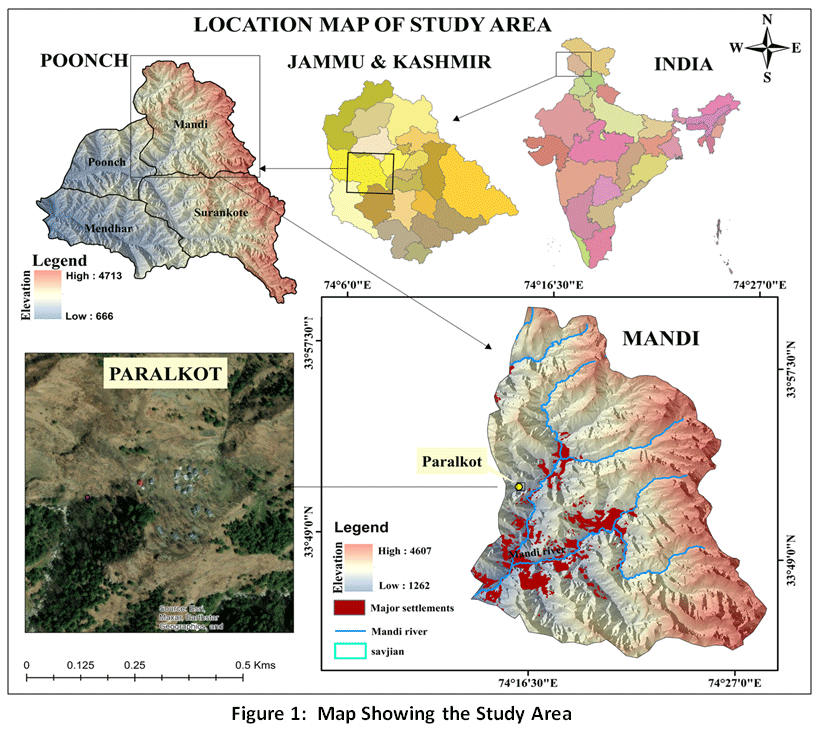 |
Figure 1: Map Showing the Study Area
|
Sample Size and Selection Criteria
A total of 52 individuals from affected families were included in the study, among whom 18 individuals were identified with congenital hearing loss. Participants were selected based on the presence of hearing impairment within families. Both affected individuals and their family members were included to assess demographic and hereditary patterns.
Data Collection
Data were collected using a pre-designed and structured questionnaire administered through face-to-face interviews with participants or their guardians. The questionnaire included information on demographic characteristics (age, gender, residence), birth history (birth order, gestational age, delivery type), socioeconomic status, educational level, occupation, and detailed family history. Information regarding potential risk factors such as consanguinity, maternal health, drug intake during pregnancy, and history of infections (TORCH) was also recorded.
Clinical and Audiological Assessment
All identified affected individuals underwent audiological evaluation. Hearing assessment was performed using pure tone audiometry (PTA) to determine the degree, type, and pattern of hearing loss. The onset (prelingual/postlingual) and laterality (unilateral/bilateral) of hearing impairment were also documented.
Statistical Analysis
The collected data were compiled and analyzed using descriptive statistics. Frequencies and percentages were calculated to summarize demographic, clinical, and risk factor profiles of the study population. The results were presented in tabular and graphical forms.
Results
The total population of Paralkot village was 140 individuals, among whom several families were affected by hearing loss. For the present study, hearing-impaired families were recruited and interviewed, comprising a total of 52 individuals, of which 18 were affected (Table 1). Among the affected individuals, 7 (38.8%) were males and 11 (61.1%) were females (Table 1), as illustrated in the pedigree (Figure 2).
Table 1: Age- and Gender-wise Distribution of Individuals with Congenital Hearing Loss in the Study Population
| Age Group (years) | Male (n) (%) | Female (n) (%) | Total (n) (%) |
| 0–10 | 1 (14.28%) | 1 (9.09%) | 2 (11.11%) |
| 11–20 | 2 (28.57%) | 2 (18.18%) | 4 (22.22%) |
| 21–30 | 3 (42.85%) | 5 (45.45%) | 8 (44.44%) |
| 31–40 | 0 (0%) | 0 (0%) | 0 (0%) |
| 41–50 | 1 (14.28%) | 1 (9.09%) | 2 (11.11%) |
| 51–60 | 0 (0%) | 2 (18.18%) | 2 (11.11%) |
| Above 60 | 0 (0%) | 0 (0%) | 0 (0%) |
| Total | 7 | 11 | 18 |
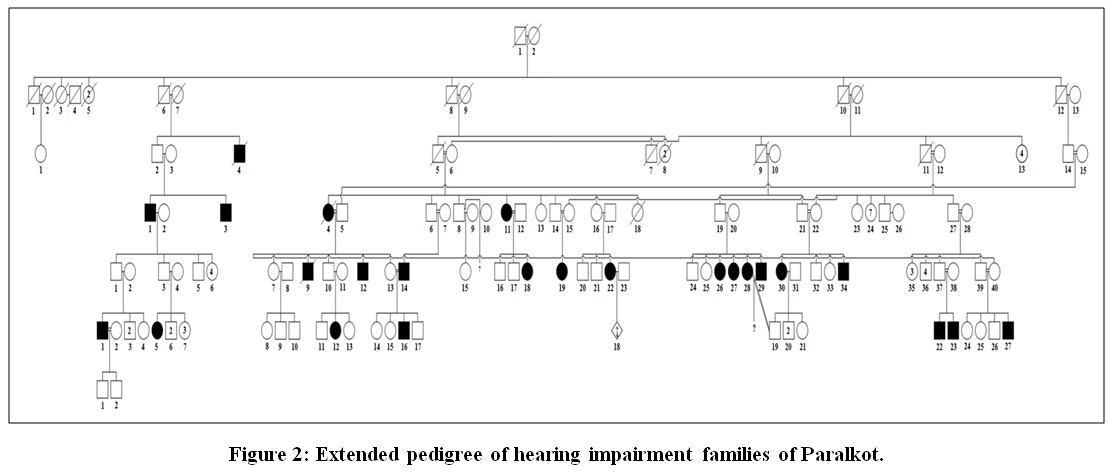 |
Figure 2: Extended pedigree of hearing impairment families of Paralkot.
|
All affected individuals were diagnosed with congenital hearing loss and were distributed across different age groups (Table 1). All affected individuals exhibited bilateral, prelingual hearing loss. The severity distribution showed that 5 (27.7%) individuals had moderate to severe hearing loss, while 13 (72.2%) presented with severe to profound hearing loss, as indicated by the mean audiogram (Figure 3).
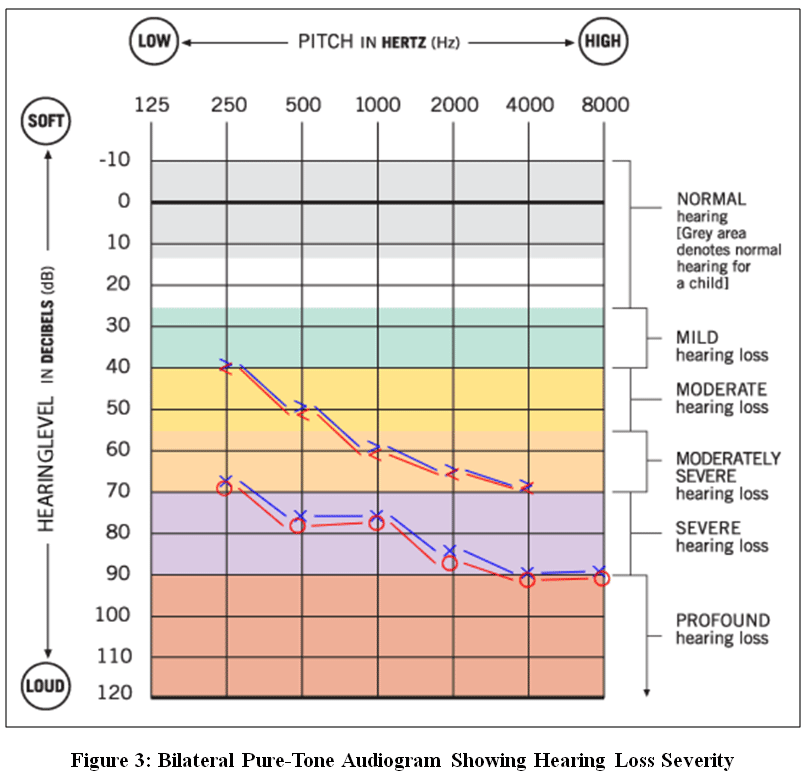 |
Figure 3: Bilateral Pure-Tone Audiogram Showing Hearing Loss Severity
|
The majority of affected individuals were born full-term and delivered normally. First birth order was most common (38.8%), followed by third, fourth, second, fifth, and sixth birth orders (Table 2). Most individuals were either uneducated or had only basic education, primarily due to the lack of specialized educational facilities and trained teachers for hearing-impaired individuals in the region (Table 2).
Table 2: Demographic, Birth History, Clinical Profile, and Hearing Characteristics of Affected Individuals
| Parameter | Category | Number (n) | Percentage (%) |
| Gender | Male | 7 | 38.8 |
| Female | 11 | 61.1 | |
| Birth Order | 1st | 7 | 38.8 |
| 2nd | 2 | 11.1 | |
| 3rd | 3 | 16.6 | |
| 4th | 4 | 22.2 | |
| 5th | 1 | 5.5 | |
| 6th | 1 | 5.5 | |
| Birth | Full term | 17 | 94.4 |
| Premature | 1 | 5.5 | |
| Delivery | Normal | 18 | 100 |
| Cesarean | 0 | 0 | |
| Cry at Birth | Yes | 15 | 83.3 |
| No | 1 | 5.5 | |
| Delayed cry | 2 | 13.3 | |
| Education Status | Uneducated | 8 | 44.4 |
| Primary | 4 | 22.2 | |
| Middle | 4 | 22.2 | |
| Higher | 2 | 11.1 | |
| Type of Hearing Loss | Unilateral | 0 | 0 |
| Bilateral | 18 | 100 | |
| Onset of Hearing Loss | Prelingual | 18 | 100 |
| Postlingual | 0 | 0 | |
| Nature of Hearing Loss | Conductive | 0 | 0 |
| Sensorineural | 18 | 100 | |
| Mixed | 0 | 0 | |
| Severity | Mild | 0 | 0 |
| Moderate-Severe | 5 | 27.7 | |
| Severe–Profound | 13 | 72.2 |
Maternal and Paternal Characteristics
With respect to parental characteristics, most mothers and fathers were in the age group of 15–25 years at the time of first childbirth, while a smaller proportion belonged to the 25–35 years age group (Table 3). All participants were from a rural background, with the majority being uneducated and belonging to a low socioeconomic status (Table 3).
Table 3: Maternal and Paternal Demographic Characteristics of Affected Individuals
| Parameter | Category | Maternal (n) | Paternal (n) |
| Age during first pregnancy (years) | 15–25 | 16 | 10 |
| 25–35 | 2 | 8 | |
| 35–45 | 0 | 0 | |
| ≥45 | 0 | 0 | |
| Educational Level | Uneducated | 12 | 11 |
| Primary/Middle | 4 | 3 | |
| Higher | 2 | 3 | |
| Dwelling | Urban | – | – |
| Rural | 18 (100%) | 18 (100%) | |
| Religion | Hindu | – | – |
| Muslim | 18 (100%) | 18 (100%) | |
| Sikh | – | – | |
| Christian | – | – |
A high prevalence of consanguineous marriages was observed (83.3%), predominantly second-degree, followed by third- and fourth-degree consanguinity (Table 4).
Table 4: Clinical and Lifestyle Characteristics of Affected Individuals and Their Families
| Parameter | Category | Number (n) | Percentage (%) |
| Consanguinity | Yes | 15 | 83.3 |
| No | 3 | 16.6 | |
| Order of Consanguinity | 1st | – | – |
| 2nd | 12 | 66.6 | |
| 3rd | 2 | 11.1 | |
| 4th | 1 | 5.5 | |
| Drug Intake During Pregnancy | Yes | 2 | 11.1 |
| No | 16 | 88.8 | |
| TORCH Infection | Yes | 0 | 0 |
| No | 18 | 100 | |
| Dietary Pattern | Vegetarian | 0 | 0 |
| Non-vegetarian | 18 | 100 | |
| Socioeconomic Status | High | 0 | 0 |
| Middle | 0 | 0 | |
| Low | 18 | 100 | |
| Smoking | Yes | 4 | 22.2 |
| No | 14 | 77.7 | |
| Alcohol | Yes | 0 | 0 |
| No | 18 | 100 | |
| Existing Disorders in Index Case | Diabetes | 0 | 0 |
| Hypertension | 0 | 0 | |
| Thyroid | 0 | 0 | |
| Other disease | 0 | 0 |
All participants reported a non-vegetarian dietary pattern. A small proportion were smokers (22.2%), while none reported alcohol consumption. Regarding maternal health, most mothers did not report any drug intake during pregnancy (88.8%), and no cases of TORCH infections were identified (Table 4). Additionally, no history of other comorbid conditions such as diabetes, hypertension, or thyroid disorders was reported. A positive family history of hearing loss on both maternal and paternal sides was observed, indicating a likely hereditary pattern of inheritance (Table 3).
Discussion
The present study is a community- and area-specific investigation highlighting a complex hereditary pattern of hearing loss. This condition was observed in multiple members of extended families in Paralkot, who are interconnected through consanguineous marriages within the same village. The persistence of the condition across generations suggests a strong genetic basis. The findings revealed a high rate of consanguinity (83.3%), with the majority of cases (66.6%) involving second-degree consanguineous marriages, particularly between first cousins. These observations are consistent with previous studies, which have reported a significantly higher prevalence of hearing loss among children born to closely related parents compared to those with non-consanguineous unions.3-4 Furthermore, existing evidence indicates that consanguinity is strongly associated with autosomal recessive disorders, explaining the increased occurrence of congenital deafness in such populations. Consanguineous unions increase the likelihood that both parents carry the same recessive allele, thereby elevating the risk of expression of hereditary conditions in their offspring.5 Therefore, the high prevalence of hearing impairment observed in the Paralkot population is likely attributable to its endogamous nature and underlying genetic factors.
In addition to the strong genetic basis, the findings of the present study also highlight the significant role of socioeconomic and infrastructural limitations in shaping the outcomes of affected individuals. The Paralkot region lacks basic resources, including specialized educational facilities for hearing-impaired individuals. Consequently, most affected individuals have little or no access to formal education and remain largely uneducated. This observation is consistent with global reports. According to the World Federation of the Deaf, approximately 34 million children worldwide live with disabling hearing loss, of whom nearly 80% lack access to formal education. Among the remaining 20% who attend school, only a small proportion are enrolled in bilingual programs that incorporate both sign and spoken or written languages(World Federation of the Deaf. Position paper on the language rights of deaf children. Published 2016).6 Similar disparities have been reported in developing countries; for instance, in Rwanda, only 309 out of an estimated 10,000 deaf children were attending school(African Sign Languages Resource Center. Republic of Rwanda),7 while in Burkina Faso, about 90% of deaf children aged 7–12 years were not enrolled in school (Burkina Faso Education Sectoral and OR+ Report 2018).8 Previous studies have also emphasized that individuals with hearing impairment require specialized educational settings and trained teachers, depending on the severity and type of hearing loss.9 Furthermore, large population-based studies from the United States, Finland, and Norway have demonstrated that individuals with hearing loss are at a significantly higher risk of low educational attainment, including reduced likelihood of completing higher education.10
Furthermore, socioeconomic status plays a crucial role in determining outcomes among individuals with hearing loss. Higher socioeconomic status has been positively associated with better speech, language, and communication outcomes in affected children. In contrast, children from low socioeconomic position (SEP) families often have limited access to hearing care services, resulting in delayed intervention and poorer developmental outcomes. Studies have shown that children from higher-income families demonstrate better language performance prior to cochlear implantation and exhibit faster post-implantation language development.11 Additionally, low-income households have been reported to have a higher prevalence of hearing loss compared to higher-income groups.12 Population-based studies further indicate that individuals with hearing loss are more likely to experience unemployment, underemployment, and lower income levels compared to those without hearing impairment.13-16
Besides consanguinity, other non-genetic factors do not seem to contribute significantly to the etiology of congenital deafness in these individuals. Maternal hearing loss, type 1 maternal diabetes and gestational age before 32 weeks or at 32 weeks were identified as major risk factors for hearing loss in a study conducted by Tsao et al.17 However, these findings are contradictory to our study, as none of these factors were found to be significantly involved in the development of hearing loss in our study. Tsao et al,18 conducted a study on maternal, perinatal and postnatal risk factors in full-term baby for hearing loss and reported that maternal hearing impairment and type 1 diabetes increases the likelihood of children with hearing loss. Among perinatal factors ear malformations and chromosomal anomalies and among postnatal factors meningitis and seizures found to be risk factors for hearing loss. Similar findings observed by Lee et al,19 they observed that children of diabetic pragnancies were found at significant risk for the development of hearing loss, sensorineural hearing loss (SNHL) and high-frequency hearing loss. Labaeka et al20in their study assessed the prevalence and risk factors of hearing loss in high risk newborns admitted in University college hospital of Ibadan Nigeria and they screened 201 high risk newborns and reported that at admission, 83 high-risk newborns (41.3%) failed hearing screening, while 32 (15.9%) continued to fail at discharge. By follow-up, 19 infants (9.5%) still demonstrated abnormal results.
Enclosing the section, the findings highlight the urgent need for targeted public health interventions, including genetic counselling, early detection through neonatal screening, and increased awareness regarding the risks of consanguinity. Providing accessible premarital counselling and reproductive risk assessment can help high-risk families make informed decisions. Universal newborn hearing screening, followed by timely diagnosis and intervention—such as hearing aids, auditory training, and speech therapy—is essential to improve outcomes. Additionally, promoting awareness among young individuals about the genetic risks associated with consanguineous marriages is crucial for prevention.
Conclusion
The study reveals a high burden of congenital hearing loss in Paralkot village, predominantly associated with consanguineous marriages, suggesting a strong genetic basis. Environmental and maternal risk factors were minimal, reinforcing hereditary involvement. Limited healthcare access and lack of educational facilities further worsen the condition. These findings highlight the urgent need for genetic counselling, early screening, and improved rehabilitation services to reduce the impact of hearing loss in this community.
Acknowledgement
The authors are thankful to the study participants for providing us their valuable time and data for the study purpose.The authors are grateful to the Head, Department of Zoology, University of Jammu, for providing the necessary facilities and equipment availability.
Funding Sources
The author(s) received no financial support for the research, authorship, and/or publication of this article.
Conflict of Interest
The authors do not have any conflict of interest.
Data Availability Statement
This statement does not apply to this article.
Ethics Statement
The study was conducted after obtaining ethical clearance from the Institutional Ethics Committee, University of Jammu (RA/19/3123-28).
Informed Consent Statement
Written informed consent was obtained from all participants or their legal guardians prior to inclusion in the study.
Clinical Trial Registration
This research does not involve any clinical trials.
Permission to reproduce material from other sources
Not Applicable.
Author Contributions:
- Ankush Bala:Data collection and fieldwork, Performed data analysis and drafted the manuscript.
- Amrit Sudershan:Performed data analysis and drafted the manuscript.
- Mohd Younis:Data collection and fieldwork.
- Kamal Kishore:Diagnosed the individuals.
- Sawarkar Sharma:Conceptualized and designed the study.
- Parvinder Kumar:Conceptualized and designed the study.
References
- Xiao J, Liu X, Cheng W et al. Downward trends in the global burden of congenital complete hearing loss in children younger than five years from 1990 to 2030. J Glob Health. 2023;13:04120. doi:10.7189/jogh.13.04120
CrossRef - Korver AMH, Smith RJH, Van Camp G, et al. Congenital hearing loss. Nat Rev Dis Primers. 2017;3:16094. doi:10.1038/nrdp.2016.94
CrossRef - Almazroua AM, Alsughayer L, Ababtain R, Al-Shawi Y, Hagr AA. The association between consanguineous marriage and offspring with congenital hearing loss. Ann Saudi Med. 2020;40(6):456-461. doi:10.5144/0256-4947.2020.456
CrossRef - Zakzouk S, El-Sayed Y, Bafaqeeh SA. Consanguinity and hereditary hearing impairment among Saudi population. Ann Saudi Med. 1993;13(5):447-450. doi:10.5144/0256-4947.1993.447
CrossRef - Aljabri SF, Alrumaih SS, Alhusayni MS et al. Consanguinity and hearing loss prevalence among Saudi Arabia population. Int J Pediatr Otorhinolaryngol. 2025;189:112209. doi:10.1016/j.ijporl.2024.112209
CrossRef - World Federation of the Deaf. Position paper on the language rights of deaf children. Published 2016.
- African Sign Languages Resource Center. Republic of Rwanda.
- Burkina Faso Education Sectoral and OR+ Report. 2018.
- Simkiss D. Education of children with hearing impairment. Pediatr Child Health. 2013;23(10):434-437. doi:10.1016/j.paed.2013.04.011
CrossRef - Idstad M, Engdahl B. Childhood sensorineural hearing loss and educational attainment. Ear Hear. 2019;40:1359-1367. doi:10.1097/AUD.0000000000000715
CrossRef - Niparko JK, Tobey EA, Thal DJ, et al. Spoken language development in children following cochlear implantation. JAMA. 2010;303:1498-1506. doi:10.1001/jama.2010.451
CrossRef - Mehra S, Eavey RD, Keamy DG. The epidemiology of hearing impairment in the United States. Otolaryngol Head Neck Surg. 2009;140(4):461-472. doi:10.1016/j.otohns.2008.12.022
CrossRef - Emmett SD, Francis HW. The socioeconomic impact of hearing loss in US adults. Otol Neurotol. 2015;36:545-550. doi:10.1097/MAO.0000000000000562
CrossRef - Jarvelin MR, Maki-Torkko E, Sorri MJ, et al. Effect of hearing impairment on educational outcomes and employment up to age 25. Br J Audiol. 1997;31:165-175. doi:10.3109/03005369709080797
CrossRef - Shan A, Ting JS, Price C, et al. Hearing loss and employment: a systematic review. J Laryngol Otol. 2022;136(5):387-397. doi:10.1017/S0022215122000757
- Mamo SK, Nieman CL, Lin FR. Prevalence of untreated hearing loss by income among older adults in the United States. J Health Care Poor Underserved. 2016;27:1812-1818. doi:10.1353/hpu.2016.0164
CrossRef - Tsao PC, Lin HC, Shen SP, Chang YC. Exploring predisposing factors of hearing loss in prematurely born children: a nationwide case-control study. Pediatr Neonatol. 2025;66:37-43. doi:10.1016/j.pedneo.2024.04.006
CrossRef - Tsao PC, Lin HC, Chiu HY, Chang YC. Maternal, perinatal, and postnatal predisposing factors of hearing loss in full-term children: a matched case-control study. Neonatology. 2023;120(5):607-614. doi:10.1159/000531327
CrossRef - Lee JA, Mehta CH, Nguyen SA, Meyer TA. Hearing outcomes in children of diabetic pregnancies. Int J Pediatr Otorhinolaryngol. 2020;132:109925. doi:10.1016/j.ijporl.2020.109925
CrossRef - Labaeka AA, Tongo OO, Ogunbosi BO, Fasunla JA. Prevalence of hearing impairment among high-risk newborns in Ibadan, Nigeria. Front Pediatr. 2018;6:194. doi:10.3389/fped.2018.00194
CrossRef
Abbreviations
CHL: Congenital Hearing Loss
IEC:Institutional Ethics Committee
J&K: Jammu and Kashmir
LoC: Line of Control
PTA: Pure Tone Audiometry
SNHL: Sensorineural Hearing Loss
SEP: Socioeconomic Position
 PlumX:
 Views: 825 Views
  PDF Downloads:
233
PDF Downloads:
233 Accepted on: 13-05-2026
Second Review by: Dr. Anjaneyulu Vinukonda
Final Approval by: Dr. Muhammad Hamayun