A Comparative Study of Safety Profile and Effectiveness of Tramadol with Paracetamol vs Diclofenac with Paracetamol in Post Operative Ward of Orthopedic Department
 , Yerramsetty Santosh Chakravarthy2, Gudse Pooja1, Kolkar Asma1 and Ravula Anusha1
 1Department of Pharmacy Practice, Joginpally. B. R. Pharmacy College, Hyderabad, Telangana, India
2Department of Orthopedics, Wellness Hospitals, Hyderabad, Telangana, India
Corresponding Author E-mail: sriswethameka@gmail.com
DOI : http://dx.doi.org/10.13005/bbra/3544
Download this article as:

Orthopedic fractures create massive public health problems around the world. They lead to serious illness, suffering, and disabilities that last for years. In 2019, the world saw about 178 million new fractures—a 33.4% jump since 1990—driven mostly by aging populations and more road and workplace injuries. Experts predict 13.5 million fragility fractures each year by 2025. Good pain control for these patients needs a mix of immobilization, meds, and other therapies. This study compares non-opioid painkillers like NSAIDs looking at how effectively they relieve pain and how safe they are for patients with multiple fractures. We conducted a real-world observational study, following 100 patients over six months and noted their age, gender, what bones broke, how it happened, and how NSAIDs vs. opioids handled their pain—plus any side effects. Musculoskeletal injuries hit males harder, especially in the 31–40 age group, with road traffic accidents as the top cause. Tramadol plus paracetamol has shown a knocked pain down more than diclofenac plus paracetamol, along with some treatable adverse events. Both combinations help to reduce pain, but they act different. One combination may be stronger than the other, cause more side effects, or be more difficult for patients to take regularly. When a patient has mild to moderate pain, diclofenac combined with paracetamol is a practical and suitable option that works well, but when the pain is severe, tramadol with paracetamol pulls ahead — it offers stronger relief, fewer adverse events, reduces overall tramadol doses.
KEYWORDS:Multimodal analgesia; Orthopaedic fractures; Pain Management; Road traffic accidents; Surgery
Introduction
The musculoskeletal system is made up of bones, muscles, joints, and connective tissues. Together, they help us stand, move, and protect our internal organs — basically everything we need to get through the day. It has two main parts. The muscles handle movement and posture, and help keep the body warm. The bones provide structure, protect our organs, produce blood cells, and store important minerals.2 In India, problems with this system are quite common. A large number of adults suffer from fractures and musculoskeletal disorders, and many end up dealing with long-term disability as a result. The most common fracture occurs near the hip, followed by fractures of the forearm and shin bone. Osteoporosis — especially for women gradually weakens the bones over time and raises the risk of fractures significantly.1,3
Pain is one of the greatest barriers to recovery after surgery. When it’s not well managed, it prolongs hospital stays and increases the risks of serious complications like blood clots in the legs, partial lung collapse, muscle weakness and even inability to urinate,3 which is why effective pain management is an essential component of the healing process. Correcting it, with appropriate medications such as NSAIDs and opioid analgesics.4 There are many possible causes of bone fractures, including the stress of accident or fall, sports injuries, and direct blows; overuse or repetitive stress that creates small cracks and even underlying conditions such as osteogenesis imperfecta.3
Lower bone density, weaker muscle strength and impaired balance put older adults at greater risk. Other factors influencing fracture risks are those engaged in high-impact activities, pathological states like osteoporosis, bone cancer and metabolic diseases infections, as well as lifestyle habits such as smoking, alcohol and tobacco consumption which suppresses bone health.5 Its types and severity can vary, thus causing a variety of symptoms such as severe pain, a crack heard at the time of injury a stiffness which may lead to swelling redness numbness muscle weakness or wasting and deformity.6
Once we get to know about the common causes of a variety of musculoskeletal fractures, suitable investigations and diagnostic procedures are carried out for an good treatment. This will also enhance the safety of the patient. A complete physical examination involving inspection, palpation, and manipulation is made with assessment of range of motion, muscle power (MRC scale), reflexes, sensation and gait. Tests such as X-rays, CT and MRI scans, arthrography, arthroscopy, arthrocentesis and bone scans reveal the damage of the structure and involved joints. Tests including C-reactive protein and erythrocyte sedimentation rate to look for inflammation, creatine kinase for muscle injury, anti-CCP antibodies to rule out rheumatoid arthritis, HLA-B27 testing to look for spondyloarthritis, help make an accurate diagnosis and targeted management.7
Emergency departments commonly receive presentations of patients with suspected fractures who require urgent and effective pain relief. The World Health Organization (WHO) analgesic ladder will be outlined as a guideline for pain management using non-opioid and opioid analgesics which will be the first step of drug choices based on the severity of pain.8 Health professionals determine the pain that patients experience through numerical scales like the Numeric Rating Scale or Wong-baker Visual Analogue Scale, in which patients choose a face.10,13 Before surgery, patients were informed of the study and pain assessment procedures and informed consent was taken for pain management after surgery, pain evaluation can be achieved through different analgesics, which include non-steroidal anti-inflammatory drugs (NSAIDs), local anaesthetics, adrenergics, and opioids.9 The combination of analgesic therapy is often suggested for orthopedic fracture as well as post-operative patients experiencing severe inflammation and moderate to severe pain. The usage of fixed dose combinations such as Diclofenac + Paracetamol and Tramadol + Paracetamol has wide acceptance with clinical evidence supporting its efficacy in providing prolonged analgesia. Paracetamol can be combined with diclofenac which can give you analgesic and anti-inflammatory effects. It is useful when the tissue is inflamed.12 On the other hand, tramadol with paracetamol gives you good control centrally for severe or chronic pain.11 The selection of these regimens depends on symptom severity, need for anti-inflammatory versus increased analgesia effect, and the particular patient’s risk factors (gastrointestinal, renal, opioid etc.).14 Because tramadol is effective for various types of pain, from acute injuries to chronic disease, the therapeutic value of tramadol is enhanced by the fact that tramadol has a dual mechanism of action. The effects of tramadol on both the musculoskeletal system and the body as a whole combine to create an effective analgesia agent. The concurrent use of diclofenac, paracetamol and tramadol may lead to the occurrence of adverse drug reactions resulting from additional side effects of the drugs and/or potential drug interactions between the medications.12 This study will enable physicians to identify, treat, prevent and develop strategies for adverse events caused by combining these three medications.15 This will result in improved outcomes for patients and increased rational and safe use of these drugs in the practice of medicine. result in improved outcomes for patients and increased rational and safe use of these drugs in the practice of medicine.13
Materials and Methods
We did a prospective observational comparative study over six months, from October 2024 to March 2025, in the orthopedic inpatient department of a multi-specialty hospital in Hyderabad, Telangana. Ethical approval was obtained and informed consent taken before participation. One hundred patients were enrolled. All eligible participants during the study period were included using the defined inclusion and exclusion criteria.
Inclusion criteria
Patients aged between 18 and 80 years were evaluated based on pain intensity and pain duration, patient compliance, and whether they were currently receiving any other analgesics. Additional factors such as body weight, cognitive behaviour, and diagnosis including road traffic accidents, fractures, traumatic injuries, and patients with moderate to severe pre- and post-operative pain were also considered.
Exclusion Criteria
Patients with a history of hypersensitivity reactions, gastrointestinal bleeding, or substance abuse, as well as those showing non-compliance, hepatic dysfunction, renal impairment, respiratory problems, seizure or coagulation disorders, and pregnant or lactating women were considered under the inclusion criteria.
Data collection
Patient demographic details, mode of trauma and pain intensity were recorded using pain score analysis. We evaluated the effectiveness and adverse events of various analgesic combination therapies. And we documented information based on the type of surgical approach in structured data collection forms made from patient profiles. All patient information was verified by an orthopaedician before being entered into those forms. The data was then analyzed in Microsoft Excel to identify trends and draw statistically meaningful conclusions.
Results
Most musculoskeletal cases were in people aged 31–40 years (30%). That suggests this group may be more at risk because of lifestyle, occupational exposure or higher physical activity. So, there is a peak in middle-aged adults. The prevalence then gradually declines after age 40. [Fig 1].
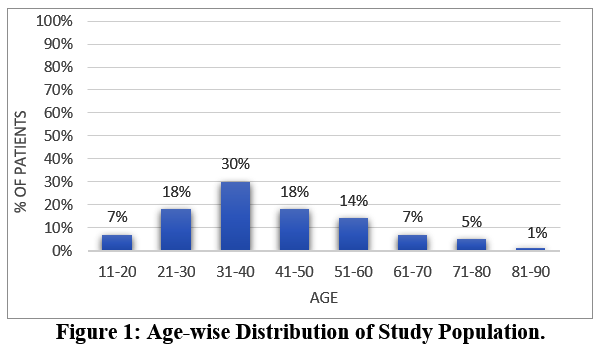 |
Figure 1: Age-wise Distribution of Study Population.
|
The gender-wise distribution of patients shows a higher proportion of males 59% of the study population, while females account 41% indicating a greater prevalence of musculoskeletal conditions among male patients due to differential occupational exposure, activity patterns. [ Fig 2].
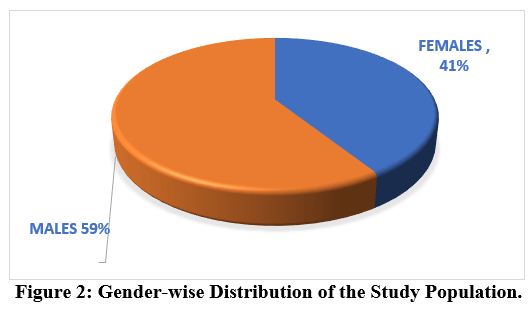 |
Figure 2: Gender-wise Distribution of the Study Population.
|
The distribution of patients according to whether they had experienced a road traffic accident (RTA) shows that trauma-related cases predominate in the study population. The bar chart illustrates that traffic accidents are the reason for most of the injuries. Only a small number of cases other than a traffic accident. On the hand 87% of the patients were taken to the hospital after the traffic accident. This is a difference. It is clear that traffic accidents are the main reason, for musculoskeletal injuries. [Fig 3].
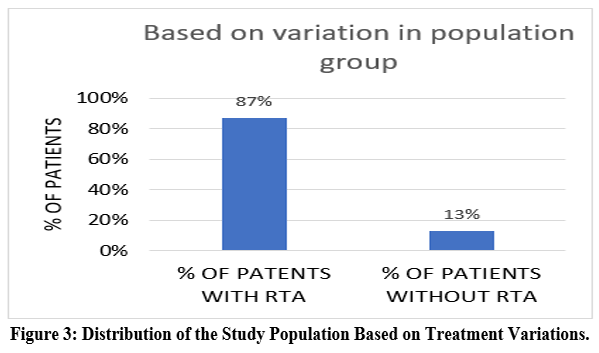 |
Figure 3: Distribution of the Study Population Based on Treatment Variations.
|
The pie chart indicates the type of analgesic used for the patients. From the pie chart, it is evident that 65% of patients were treated with tramadol and paracetamol, whereas 35% of patients were treated with diclofenac and paracetamol. The opioid analgesics were used as opposed to NSAIDs, possibly because of the increased effect of tramadol as a central analgesic for musculoskeletal pain, whereas diclofenac was used for pain where an anti-inflammatory effect is necessary. [Fig 4].
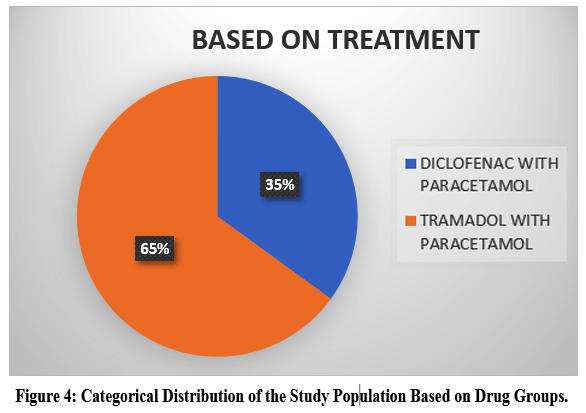 |
Figure 4: Categorical Distribution of the Study Population Based on Drug Groups.
|
This consequence shows that most of our study population, i.e., 85%, did not have ADR, showing a good tolerability of tramadol. On the other hand, 15% of our population developed ADR’s, showing that although tramadol is generally safer some people can experience adverse effects. (Fig 5).
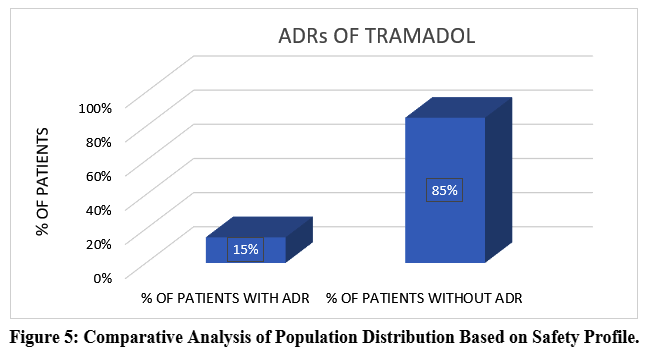 |
Figure 5: Comparative Analysis of Population Distribution Based on Safety Profile.
|
By performing a comparative analysis between the initial and final pain scores, it is evident that there is a marked decrease in pain levels among all individuals within the population who were subjected to the prescribed pain management regimens. The graphical analysis illustrates that prior to pain management, pain scores were predominantly within the moderate to severe pain range. This is indicative of a high initial symptom burden among individuals within the population. The final pain scores are considerably reduced, illustrating a downward trend. This is indicative of effective pain modulation and response to pain management. Both pain management strategies were effective in improving pain scores (Fig 6).
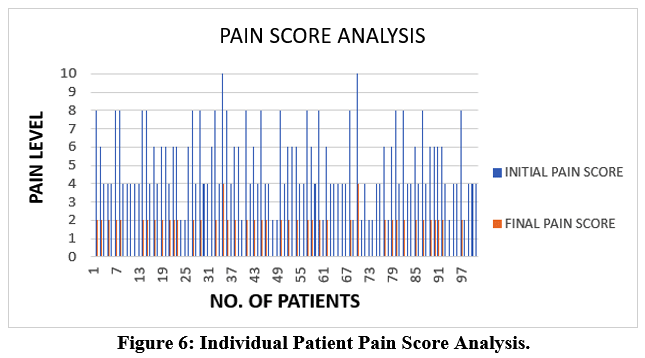 |
Figure 6: Individual Patient Pain Score Analysis.
|
The chart shows the mean baseline and final pain levels of patients administering diclofenac-paracetamol and those administering tramadol-paracetamol. There was a pain level reduction for the patients in both the groups. This means that the painkillers were effective. The tramadol-paracetamol patients’ last pain score mean was lower than that of the diclofenac-paracetamol ones. So it was more effective in minimizing the pain intensity. The drugs were effective in decreasing the musculoskeletal pains. Tramadol-paracetamol could be a bit more effective in alleviating the pain.( Fig 7).
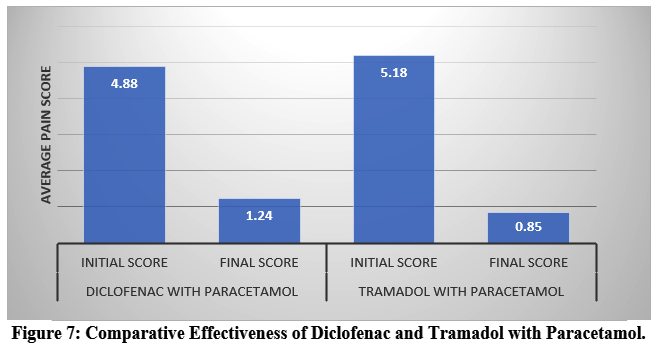 |
Figure 7: Comparative Effectiveness of Diclofenac and Tramadol with Paracetamol.
|
The most common procedure is open reduction and internal fixation (ORIF), highlighting that ORIF remains the pillar in treatment and management of fractures. A sizeable proportion of patients also needed wound debridement, indicating the high numbers of open injuries and the clinical objective of infection prophylaxis through removal of devitalized tissue. In contrast, elective and specialized procedures like laminectomy, total hip replacement (THR), and total knee replacement (TKR) were found at significantly lower frequencies, suggesting that degenerative and non-emergency orthopedic conditions (Fig 8).
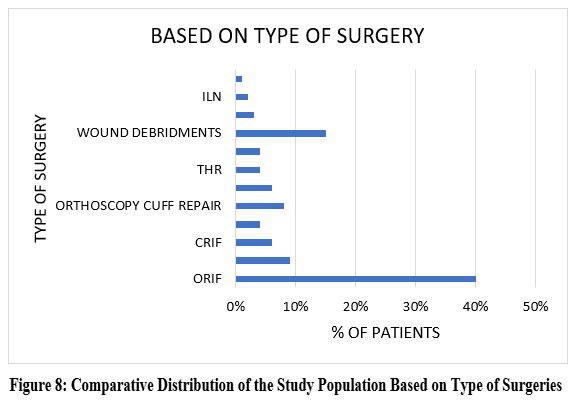 |
Figure 8: Comparative Distribution of the Study Population Based on Type of Surgeries
|
Discussion
This prospective observational study offers a comparative, detailed analysis of the efficacy, onset time and duration of analgesic properties obtained with two commonly used fixed-dosage combinations, one based on the NSAID diclofenac combined with paracetamol, while the other is an opioid (tramadol) plus paracetamol combination regimen for the clinical management of musculoskeletal pain. To ensure both the consistent, reliable, and patient-centered measurement of therapeutic outcomes, pain intensity and pain relief were systematically assessed at defined time points (24, 48 and 72 hours) using well-validated (NRS or Wong–Baker Faces Pain Scale)) standardized assessment tools. Adverse drug reactions (ADRs) were also monitored throughout the study period, alongside the evaluation of analgesic efficacy, with special attention paid to gastrointestinal symptoms such as nausea or dyspepsia and dizziness associated with diclofenac use, and central nervous system effects and opioid-related adverse events such as sedation, constipation and other neurological manifestations linked to tramadol that support early detection of adverse reactions, safer prescribing practice and individualized patient care. Demographically, the study population was overwhelmingly male (59%), had the highest rates of musculoskeletal injury and age ranged from 31–40 years old (30%) and were most likely to be due to accidental trauma (87%)[20]. The most common type of injury was a femur fracture and the most commonly performed and preferred surgical intervention among enrolled patients, was open reduction and internal fixation (40%).Diclofenac with paracetamol was mainly used for acute to moderate pain and inflammatory conditions. The tramadol–paracetamol combo was reserved for more severe and intense pain states. Paracetamol was added to both regimens to boost pain relief. That also let clinicians use lower tramadol doses and cut the risk and severity of opioid-related adverse effects.
The tramadol–paracetamol combination gave a larger, more consistent drop in pain scores than the diclofenac–paracetamol regimen across the evaluated time points. Only a minority of patients (15%) had adverse reactions linked to tramadol. Constipation was the most common reported effect. The study made the point that the rational and evidence-based selection of appropriate combination analgesic therapy matters. It can improve pain control and reduce the incidence of ADRs. It may also shorten the duration of hospital stay, boost patient satisfaction and quality of life, and help achieve greater cost-effectiveness in musculoskeletal pain management through the responsible and optimized use of analgesic medications.
The study aimed to investigate how two fixed dose combinations (FDCs) which included paracetamol with diclofenac sodium and paracetamol with tramadol, functioned to decrease pain in healthy participants through different human pain assessment methods. The study evaluated FDC effectiveness through multiple methods which included measuring pain tolerance as one of their key evaluation criteria. Pain tolerance defines how much pain a person can endure before reaching their limit. The treatment baseline showed patients had varying pain tolerance levels which reached statistical non-significance because of their unique pain perception abilities. The FDCs group members displayed no adverse drug reactions while patients from the paracetamol and tramadol group reported experiencing constipation. The two FDC groups demonstrated statistical differences in the occurrence of adverse reactions. The WHO-UMC criteria for causality assessment classified all adverse events as “probable” according to their determination.
Comparative Analysis of Adverse Reactions between PT & DP Combination of drugs indicate that PT causes centrally acting side-effects while DP causes GI and Renal adverse reactions and also suggests higher patient satisfaction according to pain type.
1.Paracetamol/Tramadol (PT) Adverse Reactions : PT contains a combination of two centrally acting drugs, and therefore its safety profile consists mainly of adverse drug reactions due to tramadol. Most Common: Nausea, dizziness, somnolence (drowsiness), vomiting. Other Adverse Drug Reactions: Constipation, sweating, pruritus (itching), dry mouth and sometimes headache. Serious Adverse Drug Reactions: Seizures, serotonin syndrome or severe allergic reaction.
Tolerability: Tolerability is generally rated as good for people sensitive to GI side-effects but induces greater risk of dizziness and sedation when compared with NSAID combination.
2.Diclofenac/Paracetamol (DP) Adverse Reactions: DP (combination of NSAID and acetaminophen) contains an increased risk of adverse effects related to the use of NSAIDs. Most Common: Gastric pain, nausea, vomiting, dyspepsia, gastritis. Other Adverse Reactions: Dizziness, diarrhea, headaches, rash. Serious/Long-Term Effects: Gastrointestinal bleeding, ulceration, perforation, renal failure, hepatic failure.
Tolerability: Generally, DP has a higher incidence of gastrointestinal side effects compared to paracetamol-based combinations.
Conclusion
This comparative observational study, carried out in a tertiary care setting, gives clear and meaningful evidence about the relative effectiveness, safety and clinical utility of non-opioid and opioid-based fixed-dose combination analgesic therapies for managing postoperative and fracture-related musculoskeletal pain. The tramadol–paracetamol combination performed better. It produced superior and more consistent pain control. Patients also slept better and their postoperative pain dropped faster and more efficiently than with the diclofenac–paracetamol regimen, especially in those with moderate to severe pain. And adding paracetamol to both treatment arms boosted analgesic effect and let clinicians use lower tramadol doses, which cut the risk of opioid-related adverse effects.
Acknowledgement
The authors would like to thank the Principal, Dr. JVC Sharma, and Vice-Principal, Mr. AVSSS Gupta, of Joginpally BR Pharmacy College for providing their enduring support. The authors would like to thank the Department of Orthopedic, Wellness Hospitals, Ameerpet, for their support in the collection of data, and the Department of Pharmacy Practice, Joginpally BR Pharmacy College, for their support.
Funding Sources
The author(s) received no financial support for the research, authorship, and/or publication of this article.
Conflict of Interest
The authors do not have any conflict of interest.
Data Availability Statement
This statement does not apply to this article.
Ethics Statement
Institutional Ethical Committee approval has been cleared before starting the study.
Informed Consent Statement
Informed consent was obtained before collecting data from the patient.
Clinical Trial Registration
This research does not involve any clinical trials.
Permission to reproduce material from other sources
Not Applicable.
Author Contributions:
- Sri Swetha Meka: Conceptualization,Supervision
- Yerramsetty Santosh Chakravarthy: Critical revision of the manuscript
- Gudse Pooja: Literature Search & Drafting of Manuscript
- Kolkar Asma: Data Curation.
- Ravula Anusha: Data Curation.
References
- Pietrzak W S, Mechanical testing of orthopedic implants. American Institute of Medical and Biological Engineering. 2017.
- Gordana Sendić, MD. Musculoskeletal system. Ken hub. 2023
- Tiwari J, Halder P, SharmaD, Saini U C, Rajagopal V, Kiran Prevalence and association of musculoskeletal disorders with various risk factors among older Indian adults: Insights from a nationally representative survey. Plos ecosystem journal. 2024;19(10) doi: 10.1371/journal.pone.0299415
CrossRef - Shukla AK, Srivastava AK. Comparative study of tramadol and diclofenac as analgesic for postoperative pain. International journal of medical research and review. 2015;3(11):1311-1316. doi: 10.17511/ijmrr.2015.i11.238.
CrossRef - Goel L, Hairline Fractures to Shattered Bones: Different types of fractures and their treatment options. Manipal Hospitals. 2026
- Siloam Hospitals Medical Team. Understanding 6 common symptoms of bone fractures . Hospital blogs. 2025
- Villa-Forte A, Tests for musculoskeletal disorders. MSD mannual consumer version.
- Ong T, Tanna N K. Pharmacological options for pain control in patients with vertebral fragility fractures. Elsivier Journal. 2022;8(3):93-97.
CrossRef - Ashwin Syam S. Analgesic efficacy post major orthopaedic surgery – a comparative study: diclofenac vs tramadol. Paripex. Indian journal of research. 2022;11(5).
- Das S K, Dr. J Satyanarayana, Arshi R, Kaveri S, Manuka S Y, Prasanna S V. Prospective comparative study on analgesia effect btw diclofenac sand tramadol HCL used in various orthopedic trauma conditions by applying Wong-baker faces pain rating scale. International Journal of Orthopedics Sciences. 2020;6(1):29-33.
CrossRef - Pandit M K, Godhi S, Lall A B. Preoperative intravenous tramadol versus diclofenac for preventing postoperative pain after third molar surgery: A Comparative Journal of Maxillofacial oral Surgery. 2011;10(4):306-9. doi: 10.1007/s126602509.
CrossRef - ChandanwaleA S, Sundar S, Latchoumibady K, et al. Efficacy and safety profile of combination of tramadol-diclofenac versus tramadol-paracetamol in patients with acute musculoskeletal conditions. Journal of pain research. 2014;12(7):455–463. doi: 2147/JPR.S67817
CrossRef - American college of surgeons. Best Practice Guidelines for Pain Management in Trauma Patients. Nov 2020.
- Yin F, Wang X H, Liu F. Effect of intravenous paracetamol on opioid consumption in multimodal analgesia after lumbar disc surgery: A meta-analysis of randomized controlled trial. Pain research and management. 2022;https://doi.org/10.3389/fphar.2022.860106.
CrossRef - Paudel R, Deka A, Gupta H K, Nepal H P. Comparative evaluation of analgesic efficacy of tramadol and diclofenac-sodium in post-operative orthopedic patients. International journal of basic and clinical pharmacology. 2017;6(11).
CrossRef
Abbreviations
AE: Analgesic efficacy
ADR: Adverse drug reactions
 PlumX:
 Views: 636 Views
  PDF Downloads:
226
PDF Downloads:
226 Accepted on: 03-06-2026
Second Review by: Dr. Joel Praneeth
Final Approval by: Dr. Mohammad Fareed