Recent Advances in the Detection of Pancreatic Cancer: Focus on Liquid Biopsy and Emerging Biomarkers
 , Neelamsetti Bala Shankar, Posina Naga Venkata Durga Ganga Lakshmi Tulasi, Salman Khan and Shaik Kamarjaha
 Department of Pharmacology, School of Pharmaceutical Sciences and Technologies, JNTU Kakinada, Andhra Pradesh, India
Corresponding Author E-mail: ashokkrishnansariki@gmail.com
DOI : http://dx.doi.org/10.13005/bbra/3529
Download this article as:

Pancreatic cancer is one of the most fatal cancers because it is often diagnosed only after the disease has progressed to an advanced stage. Early symptoms are often mild or absent, delaying treatment and lowering survival rates. Liquid biopsy has recently emerged as a promising, non-invasive method for early detection by identifying tumor-related materials in blood, such as circulating tumor cells (CTCs) and ctDNA, exosomes and microRNAs. New technologies, including droplet digital PCR, next-generation sequencing, and multi-omics approaches have significantly improved the sensitivity and accuracy of these diagnostic methods. Studies suggest that combining multiple biomarkers with conventional markers such as CA19-9, along with imaging technique may significantly improve early diagnosis. However, challenges such as low tumor shedding in early-stage disease, technical variability, false-positive results, and insufficient large-scale clinical validation still remain. Overall, liquid biopsy holds strong potential for the earlier detection of pancreatic cancer, especially in high-risk individuals; however further well-designed clinical studies are needed before routine adoption in clinical practice.
KEYWORDS:Biomarkers; Liquid biopsy; microRNA; Multi-omics; Pancreatic cancer; Tumor
Introduction
Pancreatic cancer (PC) remains one of the deadliest malignancies, largely due to late diagnosis, with only 10-20% of patients presenting with removable tumors at the time of detection.¹,² In these recent years, very significant advances in liquid biopsy and related technologies have shown promise for earlier and less invasive detection of pancreatic cancer. This review outlines the evolution of liquid biopsy for the pancreatic cancer, from the discovery of cell-free DNA (cfDNA) in 1977 to emerging approaches reported in 2026. It highlights current methods, including ctDNA mutation panels, methylation assays, circulating tumor cells (CTCs), exosomes, proteomics, and multi-omics platforms. We also discuss analytical techniques such as droplet digital PCR, next-generation sequencing, and methylation sequencing, along with their diagnostic performance and clinical relevance. In addition, regulatory status, integration with imaging and artificial intelligence, current limitations, and future research directions are reviewed.
Background: Challenges in the Detection Pancreatic Cancer
Pancreatic ductal adenocarcinoma (PDAC) is extremely dangerous: 5-year survival is ~10% overall.1 Over 80% of PC cases are diagnosed at advanced stages, even at metastasis.1,2 This is because early-stage PC causes no specific symptoms, and the pancreas lies deep in the abdomen. The only curative option is surgical removal, but by the time of detection only ~10-20% of patients are eligible to have surgery.1 Conventional biomarkers (e.g. CA19-9, CEA) and imaging (CT/MRI, endoscopic ultrasound) have limited sensitivity for very small tumors can be identified.1,2 In fact, there is currently no effective screening test for asymptomatic individuals.1,2 As a result, most PC cases are identified too late for cure. Improving early detection is therefore a major research priority.3,2
Liquid biopsy – analyzing tumor-derived material in blood or other fluids – holds promise and effective for earlier diagnosis because it can potentially detects at microscopic level of cancer before it’s visible by imaging or by symptoms.3 Key liquid analytes include the circulating tumor DNA (ctDNA) with tumor-specific mutations or methylation changes, circulating tumor cells (CTCs), exosomes (tumor-derived extracellular vesicles) carrying DNA/RNA/proteins, and tumor-associated proteins or metabolites.3,2 Advances in molecular assays and machine learning have rapidly improving sensitivity of these tests. For pancreatic cancer, the challenge remains that early tumors shed very little dna and protein into blood, so highly sensitive techniques and multi-marker panels are needed to identify earlier.3,1
Timeline of Liquid Biopsy Evolution
Over the past few decades, the liquid biopsy technology has evolved from basic observations of cfDNA to sophisticated multi-analyte blood tests. Key milestones are
1977: Leon et al. observed elevated cfDNA in blood of cancer patients.4
1989: Stroun et al. demonstrated tumor-like cfDNA in circulation.4
1994: Vasioukhin et al. first detected mutant RAS sequences in patient plasma (leukemia).5
2005: Fujita (Fujiwara) identified tumor-specific DNA methylation in serum.6
2010: Digital PCR and massively parallel sequencing allow high-sensitivity ctDNA detection. Guardant Health and others develop 50-70 gene panels for mutation analysis.
2018: Cohen et al. introduced CancerSEEK (cfDNA + protein markers) detecting several cancers including pancreatic (72% sensitivity for stages I-III, ~99% specificity).7
2020: GRAIL’s Galleri (cfDNA methylation) and other MCED tests begin trials (PanSeer, CancerSEEK follow-ups).
2024: Goel et al. (AACR) reported an exosome-based miRNA signature for detecting Stage I&II PDAC with 97% accuracy when combined with CA19-9.8,9
2025: Wu et al. (Nature Comms) published a cfDNA fragmentation/motif/CNA model achieving AUC ~0.99 for earlier PC detection.10,11
2026: Zaret et al. (Clinical Cancer Research) identified a multi-protein signature (ANPEP, PIGR, CA19-9, THBS2) that significantly out performs CA19-9 alone, providing a viable pathway for the screening high-risk populations with over 87.5% sensitivity at earlier-stage (I/II) PDAC.30,31
- 9% accuracy across all stages.
- 99% specificity (AUC ~0.97), effectively reducing false positives in patients with chronic pancreatitis.
These are the advances show a clear progression from qualitative cfDNA detection to quantitative multi-modal assays. For Early detection of pancreatic cancer via liquid biopsy is now plausible, especially in the case of high-risk groups, though no blood test is yet clinically validated for the general screening,12,9 but in 2026 the Galleri® test is not FDA-approved but it was commercially available laboratory-developed test used as a multi-cancer early detection (MCED) screening tool. It detects signals from over 50 different types of cancers through blood sample. It is primarily designed to screen adults at high risk of cancer group and pancreatic cancer also identified by this Galleri® test.32
Liquid Biopsy Methodologies
This section will give detailed information about methodologies for each major liquid biopsy method used for pancreatic cancer, including detection methods, analytical platforms, and performance characteristics.
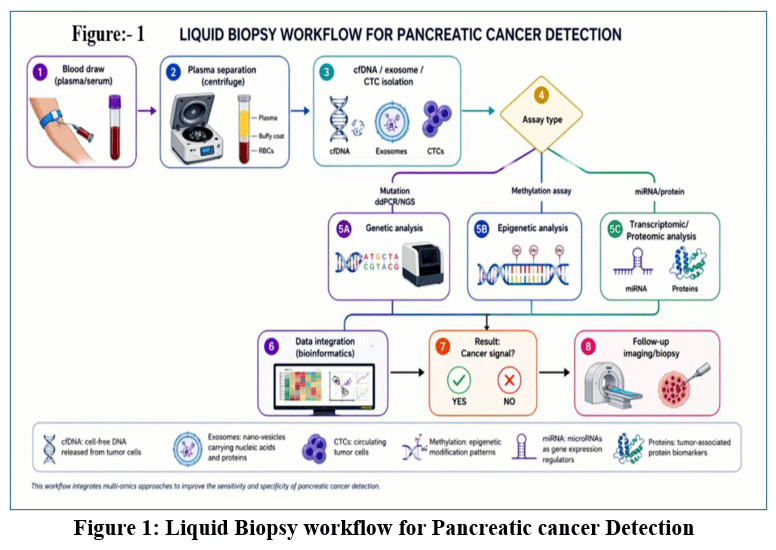 |
Figure 1: Liquid Biopsy workflow for Pancreatic cancer Detection
|
Circulating Tumor DNA (ctDNA)
Assay types: This is a primary ctDNA assays target tumor-specific mutations or methylation markers in cell-free DNA from plasma. Common approaches include:
Targeted mutation panels (PCR/ddPCR): Digital droplet PCR or BEAMing detect known point mutations (e.g. KRAS, TP53, CDKN2A) in ctDNA with ultra-high sensitivity (~0.1-0.01% variant allele fraction (VAF)). ddPCR can reliably detects as low as 1 mutant copy per 10^4-0^5 wild-type copies.4
Targeted NGS panels: Sequencing panels (Illumina, Ion Torrent) cover dozens of genes. UMI (unique molecular indices) and deep coverage (~10,000×) yield detection limits ~0.1-0.5% VAF. Examples: Guardant360 (73 genes), Foundation One Liquid CDx (70 genes).
Whole-genome or whole-exome sequencing: Broader, but lower depth (10-30×), used for research. Sensitivity is low (requires high tumor fraction).
Methylation profiling: Bisulfite sequencing or targeted methylation panels detect cancer-specific hypermethylation patterns. For example, a Galleri-like assay interrogates thousands of methylation sites. Methylation assays (whole-genome bisulfite) can reach detection limits ~0.5-1% tumor fractions.13
cfDNA fragmentation/epigenomics: Novel methods analyze fragment size and patterns or nucleosomal footprints (e.g. Wu et al. used cfDNA end-motif + fragmentation + copy number features).10 These can easily detect sutible signals even when mutations are not observed.
Platforms:
Typical lab workflow: blood draw → plasma separation → cfDNA extraction. Extraction yields ~5-50 ng DNA from 10 mL blood (varies by tumor burden).14
Assays may use
ddPCR machines (Bio-Rad QX200, RainDance RainDrop): fast and highly sensitive for a few loci.
NGS sequencers (Illumina NextSeq/MiSeq, ThermoFisher Ion S5, PacBio, Oxford Nanopore) for the multi-gene panels or methylation profiling.
Commercial kits: Qiagen QIAamp (for cfDNA extraction); Qiagen QIAcuity (ddPCR); Roche cobas EGFR Test (example for lung).
Bioinformatics: UMI error-correction, variant callers (Mutect, etc.) for methylation analysis pipelines (Bismark).
Sensitivity/Specificity
The sensitivity will depends strongly on cancer stage and tumor fraction. In advanced/metastatic PDAC, tumor-derived ctDNA is often detectable (e.g. 80-90% of patients).15 In early-stage (resectable) PDAC, detection rates are much lower (~20-40% in published studies).15,1
Example: Wu et al. developed a combined cfDNA model with AUC ~0.99 across stages and specifically for Stage I/II vs controls it is achieved AUC ~0.994,16 indicating very high theoretical sensitivity. However, this was likely a case-control design.
ctDNA mutation tests: KRAS is mutated in ~90% of PDAC tumors, but KRAS ctDNA is often undetectable in small tumors. One study reported 30-50% detection in Stage I/II vs 70-90% in Stage III/IV of cancer.7
Methylation tests: Galleri reports ~60% sensitivity for Stage I-II pancreatic cancer.17 This is better than most mutation tests.
Specificity: High (usually >99% if thresholds set appropriately), since the assays look for tumor-specific changes. False positives occur mainly from clonal hematopoiesis (false mutations) or benign conditions (methylation in inflammation).
Limits of detection (LOD): ddPCR can reach 0.01% VAF (1 in 10,000). NGS typically 0.1- 0.5%. For example, Guardant360 claims 0.09% LOD. In practice, sensitivity is often constrained by sample volume 10 mL blood draw yields on the order of 10^4 -10^5 cfDNA genome equivalents. Detecting 1 mutant molecule per 10^5 background is feasible with deep sequencing.
Advantages
Non-invasive, minimal risk.
Molecular specificity: you can pinpoint tumor mutations for targeted therapy.
Quantitative: allows monitoring of tumor growth over time (serial blood draws).
Reflects heterogeneity: it may capture mutations from multiple metastases.
High specificity: low false-positive rate (when mutation is truly tumor-derived).
Limitations
Low sensitivity in early disease: very small tumors shed little ctDNA.
Biological noise: Clonal hematopoiesis (CHIP) can release mutant DNA (e.g. KRAS, DNMT3A), causing false positives.
Preanalytic variables: Hemolysis or delay in processing can dilute ctDNA with wild-type DNA.
Turnaround time / cost: NGS tests are very costly ($2000-5000 for each test) and require central labs or highly efficient labs ddPCR is cheaper ($100-200 for each test) but covers only a few targets.
Not screening-ready: Low PPV in general population (because PC is rare), risk of false alarms.18 Likely use in high-risk groups (familial risk, chronic pancreatitis, etc.) is more feasible.
Circulating Tumor Cells (CTCs)
CTCs are intact cancer cells that have detached from primary sites of tumors and entered into the main bloodstream. Detection typically uses immuno-capture or physical separation.
Enrichment methods: The only FDA-cleared system (CellSearch) uses magnetic beads coated with the EpCAM antibody to capture epithelial CTCs and Other methods also include microfluidic chips, density-gradient separation, or negative selection (CD45 depletion).
Detection: After the enrichment, CTCs are identified by the immunofluorescence (EpCAM+/CK+/CD45-). Some assays also analyze CTC DNA or perform single-cell sequencing.
Sensitivity/Detection rate: Very low in early PC. Published CTC positivity rates: ~0-50% for localized PDAC, ~30-80% for metastatic.15 It is relatively rare to find CTCs in after surgery patients.
Specificity: Very high (CTCs should only come from tumors), but misidentification is possible (e.g. benign epithelial cells). False positives are very rare.
Pros: Direct evidence of invasive cancer cells; potential for single-cell molecular analysis; can study heterogeneity.
Cons: Rarity (often <10 cells per 10 mL blood); EpCAM-negative CTCs may be missed (especially after the epithelial-mesenchymal transition) labor-intensive; expensive; no large-scale validation in PC.
Clinical readiness: CTC tests are mainly research tools in PC (no FDA-approved use for PC). Some trials measure CTC count as prognostic marker.
Example: The ApoStream (Clearbridge Biomedics) microfluidic CTC capture has been tested in PDAC research; however, no large study has shown it can reliably detect early-stage PC as a screening tool. CTC-based screening is generally considered less promising than ctDNA for pancreatic cancer due to low yield.
Exosomes and Other Extracellular Vesicles (EVs)
Tumor cells will release the exosomes (small EVs) into the blood stream containing a tumor-specific cargo (DNA, mRNA, microRNA, proteins). Because exosomes protect their contents, they can be an appealing source of the biomarkers.
Isolation: Ultracentrifugation, size-exclusion or affinity columns, or commercial kits (ExoQuick, etc.) separate exosomes from the blood plasma.
Content analysis: Common targets include a specific microRNAs (miRNA), exosomal proteins (e.g. glypican-1), mRNA, or even DNA fragments. Because exosomes will carry organ-specific “zip codes” (surface markers), it may be possible to enrich pancreatic-origin exosomes.19
Example assay: Goel et al. (City of Hope) developed an exosome-based miRNA signature. They first isolate exosomes, then profile >10 miRNAs. Using a machine-learning model, they achieved upto 91% sensitivity alone for early PC, and 97% when adding CA19-9.9,20 This suggests exo-miRNA is a very promising and effective route for early PDAC detection.
Performance: In Goel’s AACR 2024 report, the combined exosome and CA19-9 panel detected upto 97% of Stage I/II cases⁹ (though this was a selected cohort, not population screening). A separate study (Lu et al. 2022, not cited here) found a 5-miRNA plasma panel that distinguished PC vs pancreatitis with 85% sensitivity and specificity.
Pros: Stable carriers (protect RNA from degradation) organ-specificity (exosome surface markers) potentially highly sensitive if an effective signature is found.
Cons: Isolation methods vary; standardization is poor; cargo is complex (hard to know which markers to assay). RNA content can vary with inflammation. Preanalytical factors (sample handling) critically affect yield.
Clinical readiness: Mostly in research the FDA will not approved exosome test for any cancer. However, multiple companies (Exosome Diagnostics/RNA CancerDetect™, Merck’s liquid biopsy partnership, etc.) are developing exo-based tests. The promising AACR data suggest trials are ongoing (e.g NCT06388967)
Proteomics and Other Biomarkers
Beyond nucleic acids, blood proteins and metabolites can signal cancer.
Proteins: The classic PC marker is CA19-9, but it has only ~70-80% sensitivity in late-stage PDAC and it is rarely elevated early cases.21 New proteomic approaches use multiple markers (e.g. THBS2 + CA19-9, or panels of cytokines) to improve the performance. For an example, IMMray™ PanCan-d (Immunovia) is a serum autoantibody panel (5 proteins) that showed upto 90% sensitivity for stages I-III in a small study. Another approach is mass-spec profiling (SOMAscan, O-link) to identify differential proteins in PC vs controls.
Metabolites: Oncometabolites (e.g. kynurenine pathway metabolites) are under investigation. A 2025 Lancet Gastroenterology study identified a multimetabolite panel with ~80-90% accuracy for early PC (Mahajan et al., forthcoming).
MicroRNAs (free): Aside from exosomes, free-circulating miRNAs are easier to assay (by qPCR or NanoString). Many studies report are different in miRNAs elevated in PC (e.g. miR-21, miR-155). However, free miRNAs lack of organ-specificity (e.g. miR-21 is up in many cancers). Combining them with exosomal miRNAs can improve organ signal.22
Multi-omic panels: Some recent tests combine cfDNA, miRNA, and proteins. For example, CancerSEEK (Cohen 2018) used 16 ctDNA mutations + 8 proteins (CEA, CA-125, etc.) to detect the multiple cancers (overall 72% sensitivity for stages I-III PC).7
No PC-specific commercial test exists yet, but research panels are exploring up to 100 analytes with machine learning concepts.
Summary: Proteomic/metabolomic markers are very less specific than DNA, but can complement cfDNA. They often achieve moderate sensitivity (50-80%) and suffer from confounding benign conditions. Their greatest value may be in multi-marker algorithms (e.g., cfDNA + proteins, exosomes + CA19-9).
Key Clinical Studies and Trials
Despite of many small studies, only a few large cohorts/clinical trials have addressed liquid biopsy for pancreatic cancer. Table below summarizes selected studies:
CancerSEEK (Cohen et al., 2018, Sci) – Multicancer blood test using ctDNA (16 genes) + 8 protein biomarkers. In ~1000 patients (various cancers), achieved upto 72% sensitivity for stages I-III PDAC (specificity >99%).7
Not PDAC-specific design. Demonstrated the feasibility of multiomic screening.
PancreaDx (Immunovia, submitted) – A blood autoantibody panel (5 proteins) tested in ~162 PC patients vs pancreatitis/controls. Reported sensitivity ~90% (high, but later independent validation showed lower performance, ~52%).8,9
NCI Pancreatic Cancer Detection Consortium Study (Goel 2024, AACR) – Multicenter prospective study (~1000 subjects: 500 PDAC, 500 healthy) evaluating combined exosome-miRNA + CA19-9 test. Presented preliminary result, detection of 97% in Stage I/II when combined with CA19-9 (vs 86% with CA19-9 alone).9
Wu et al., 2025 (Nature Comm) – Case-control study (975 subjects: PDAC vs controls, including a chronic pancreatitis controls).Developed a cfDNA fragmentation/end-motif/CNA model. Combined signature achieved AUC 0.994 for the Stage I/II vs healthy.16 This suggests >90% sensitivity for early PC in their cohorts. Still needs prospective validation.
Tumor Tissue vs Liquid Comparison (Mahadevia et al., JAMA Netw Open 2025) – Cohort of 790 advanced pancreatobiliary cancer patients. Compared NGS of tissue vs cfDNA (Guardant360). Found a 90% concordance for actionable mutations (KRAS, BRCA, etc.). This shows liquid biopsy can replace tissue testing for advanced PDAC.23
Liquid Biopsy Multicenter Trials: Ongoing studies include PATHFINDER (GRAIL’s Galleri) with subset of PDAC, and STRIVE/SUMMIT in lung cancer screening which include PDAC outcomes. No PC-specific RCT of screening yet. The SUMMIT trial (n~12,000 high-risk lung screening cohort) will provide data on non-pulmonary cancers (including PC) detected by the methylation test.
Diagnostic Performance
Overall, the reported sensitivities are vary widely by method and population. In general, single-marker tests (CA19-9, KRAS alone) capture <50% of early PDAC. Multi-marker panels are doing better (~60-90% in small studies). Importantly, specificity is uniformly high (>95%) in these reports.
Trial Designs: Most studies so far are case-control or cross-sectional comparisons. For Population screening trials (to show mortality benefit) have not yet been done for PDAC. Instead, high-risk or symptomatic cohorts are studied. For example, PRECEDE-Pancreas (NCI-funded) is an observational study assembling of bio samples from familial PDAC kindreds.
Comparative Technologies (Table)
The following table compares key liquid biopsy approaches for pancreatic cancer detection. Metrics (sensitivity) are approximate and depend on study: pros/cons and cost/readiness and general observations.
Table 1: Comparative Technologies
| Technology | ctDNA
mutation panel |
ctDNA methylation | CTCs |
| Detects
|
Tumor DNA mutations (e.g. KRAS, TP53)
|
Cancer-specific DNA methylation patterns | Intact tumor cells |
| Approx Sensitivity (PDAC)
|
Early-stage: ~20-40% advanced: ~70-90% ⁷
|
Early-stage: ~60% (Galleri data) ¹⁷ advanced: ~80-95% | Earlystage: low (0-30%)
advanced: ~50-80% |
| Pros
|
Highly specific
quantitative actionable (can guide therapy) |
Captures epigenetic signal present in most cancers fairly high early sensitivity | Direct evidence of metastatic cells
can profile single cells |
| Cons/Cost
|
Low shedding in early cancer requires large sample
may miss the tumors without panel mutations |
Complex assay (bisulfite sequencing)
can have false positives from benign inflammation |
Very low numbers
isolation bias (EpCAM-based misses mesenchymal CTCs) laborious |
| Feasibility
|
$$$ (high, multigene NGS)
moderate throughput widely available |
$$$ (NGS-based) research/MCED trials limited commercial availability | $$ (CellSearch or microfluidics)
experimental |
| Clinical Status | FDA-cleared for therapy selection (e.g. Guardant360 CDx, FoundationOne Liquid) but not for screening¹ | Under active study
(Galleri, PanSeer) no formal approval yet |
Used in research;
no approval for PC some prognostic studies |
Table 2: Comparative Technologies conclusion.
| Technology | Exosome-based miRNA | Proteomics (CA19-9, others) | Multi-omics panels |
| Detects
|
Tumor-derived miRNAs/markers in exosomes | Tumor-associated proteins
|
Combined of DNA+RNA+Protein |
| Approx Sensitivity (PDAC)
|
Early-stage: ~90% (when combined with CA19-9 in Goel’s study) ⁹ likely <70% alone | Early-stage: ~30-50% (CA19-9 alone)
multi-protein ~50-80% in studies |
Early-stage: up to ~70-90% in small cohorts (e.g. CancerSEEK) |
| Pros
|
High stability of analyte; organ “ZIP code” on exosomes; can combine with protein markers for high accuracy | Simple blood tests
existing clinical infrastructure (ELISA, mass spec) |
Synergistic detection, may catch different tumor signals |
| Cons
Cost/
|
Isolation variability; marker panels still being defined; cost of sequencing or qPCR | Low specificity (CA19-9 false positives in pancreatitis)
single markers weak |
Complex data integration; high cost need ML training on large cohorts |
| Feasibility
|
$$-$$$ (RNA assays + exosome kit);
emerging platforms |
$ (standard lab tests)
easily scalable |
$$$ (combines NGS + proteomics)
early development |
| Clinical Status | Research stage; promising initial results (Goel 2024) | CA19-9 is FDA-approved for monitoring, not screening; multianalyte panels in trials | No commercial product yet; under active in R&D |
Note – $$$: high cost (>$1000/test), $$: moderate ($100-1000), $: relatively low (<$100).
Detailed Methods and Performance
ctDNA Assays
It is a Common work flows involve extracting cfDNA from 10-20 mL of plasma (from 20-40 mL whole blood). Typical yields ~10-50 ng. For mutation detection, ddPCR assays target known hot-spot mutations (e.g. KRAS G12/G13). The QX200 ddPCR system, for example, it can detect a single mutant molecule in ~20,000 wild-type (LOD ~0.005% VAF).24 For panel sequencing, library prep (Illumina TruSeq) and deep sequencing (~10,000×) with UMI barcoding yields ~0.1% sensitivity. Methylation assays (e.g. NEBNext Enzymatic Methyl-seq) require bisulfite or conversion, the sequencing of hundreds of CpG sites. In Wu et al.’s 2025 study, they extracted cfDNA and performed whole-genome sequencing (~1-5x coverage) to analyze the fragmentation and copy-number,10,16 achieving AUC≈0.99 for early PC vs controls (n≈975 total).
CTC Capture
Blood is processed by CellSave tubes (Streck) and they will run through CellSearch (4 mL blood aliquot). Cells positive for EpCAM, cytokeratin and DAPI but negative for the CD45 are counted as CTCs. In research, microfluidic devices (Parsortix, CTC-iChip) allow higher-volume capture. CTC assays report counts per 7.5 mL blood; ≥5 CTCs is often considered “high”. In PDAC, median CTC counts are low (~1-3/7.5 mL even in IV Stage).15
Exosome Analysis
Exosomes can be isolated by the ultracentrifuge or commercial reagents. Goel’s group used a proprietary ExoDx™ workflow (biotech partner) to enrich pancreatic exosomes and profile miRNAs via small RNA sequencing. Their logistic regression algorithm (combining 10 miRNAs) will reached upto 91% sensitivity alone and 97% with CA19-9.9,20 Other methods uses qPCR panels or NanoString to assay 5-50 candidate miRNAs. Exosome proteomics (e.g. GPC1+ exosome by flow cytometry) have also been trialed (Melo et al. 2015 reported GPC1+ exosomes ~100% sensitive in small PDAC cohort, but this has not been independently confirmed widely).
Analytical Performance
A recent Nature Rev Clin Oncol review reports that cfDNA assays can achieve >99% specificity when well-designed, but sensitivity depends heavily on the stage.15 For an example, one of the large cfDNA study in PDAC (LIQUID200, 2023) found KRAS mutations in plasma of 81% of metastatic and 30% of resectable cases (LOD ~0.1% VAF). Dropping to <10% detection in carcinoma in situ or very small tumors. Combining 4 gene mutations improved yield by ~10%.
Regulatory Status
As of 2026, there is no liquid biopsy test is approved by FDA for general screening of pancreatic cancer. Most approvals are in other cancers or as companion diagnostics for targeted therapies.
Key regulatory points:
Companion diagnostics
Guardant360 CDx and Foundation One Liquid CDx are FDA-approved NGS tests for identifying the therapy-guiding mutations (EGFR, BRAF, etc.) in solid tumors (including pancreatic if relevant mutations). These are used in clinical oncology to select drugs (e.g. PARP inhibitors for BRCA-mutant PDAC), not for detection or general screening.
CA19-9
This protein biomarker is FDA-approved only as a monitoring tool, not for early detection or screening tool, because of the false positives (e.g. in pancreatitis).21
Multi-cancer tests
The methylation-based Galleri test (GRAIL) has breakthrough device for the designation in clinical trials (NHS-Galleri RCT, PATHFINDER, etc.).25 It is not yet FDA-approved but is offered clinically under a CLIA/CAP lab model.Galleri’s early-stage sensitivity for pancreas (~60% Stage I/II) it is better than single markers but still limited.17 Other MCED tests (PanSeer, CancerSEEK 2.0) are in development but none has reached for market authorization.
CE marking and others
In Europe/Asia, several liquid biopsy products are available (Guardant360, FoundationOne, QIAsure by Qiagen for colorectal, etc.). No PC-specific screening assays have CE approval.
In summary, liquid biopsy for PDAC is mostly investigational. Clinical use is limited to aiding management of known cancers, but not to detect occult disease. Regulatory bodies (FDA/EMA/PMDA) have emphasized the need for large-scale trials and evidence of mortality benefit before approving screening tests.12
Integration with Imaging and AI
Liquid biopsy is often envisioned as a complement to imaging. For example, combining a positive blood test with targeted imaging (MRI/MRCP, EUS) can able to reduce false positives. Conversely, AI-driven image analysis is improving detection for pancreatic lesions
AI-enhanced imaging
Recent studies have applied deep learning to CT or MRI. Form so long, a Nature Med. 2023 study (PANDA AI model) is used for CT scans from >10,000 patients to train a model that detects tumors with ~86% accuracy, even when radiologist aren’t suspicious about lesion were flagged. Another approach uses MRI radiomics plus clinical data for the risk stratification. These are still in experimental and developing for deeper analysis but may eventually pair with blood tests -e.g. if a liquid biopsy is positive, AI could be used to re-examine imaging for any missed lesion in order to reduce the risk factor.
Multimodal algorithms
Ongoing research explores for combining cfDNA features, protein markers, and imaging metrics through machine learning concepts. For an example, a patient’s CA19-9 trend, cfDNA mutation load, and radiomic pancreas texture could jointly predict cancer. This multi-input approach might be key in trials (e.g. using AI to allocate subjects to further screening easily).
AI limitations: The “black box” nature of some AI models and lack of prospective validation are concerns. Integration must ensure low false positives and must be explainable to evaluators or doctor’s.
Limitations, Biases, and Pre-analytical Variables
Biological/Technical biases
Tumor heterogeneity: A single blood draw may miss regional tumor differences.
E.g. a lesion with KRAS G12D but ctDNA test targeting G12R would be false-negative.
Clonal Hematopoiesis of Indeterminate Potential (CHIP): Age-related blood cell clones can able to carry DNMT3A, TET2, JAK2, KRAS, etc. mutations in cfDNA. Without paired white-cell DNA sequencing, these can be mistaken for tumor DNA. This increase false positives.
Benign mimics: Chronic pancreatitis and other benign pancreatic diseases cause inflammation and cellular turnover, which can release DNA and miRNAs. Discriminating cancer from inflammation is a major challenge.26 Notably many PDAC signatures fail in the presence of pancreatitis.
Sampling bias: Studies often use the retrospective case-control cohorts with overt cancer vs healthy volunteers. This overestimates the performance. Pre-diagnostic cohorts (like PLCO) are better but they are very rare.
Pre-analytical variables
Blood draw: Use of EDTA tubes requires processing within 4-6 hours; Streck tubes (Cell-free DNA BCT) and allow longer delays (up to 5-7 days at room temperature) by stabilizing the cells.27 Hemolysis or prolonged venipuncture can release genomic DNA, diluting ctDNA.
Centrifugation: A two-spin protocol is standard (e.g. 1600g 10min, then 16,000g 10min) to remove cells/platelets. Inadequate to spin leaves contaminating DNA.
Storage: Plasma has to be frozen at -80°C if not immediately assayed. Freeze-thaw cycles degrade cfDNA. Shipping of frozen samples must maintain cold chain.
cfDNA yield: Lower in early stage cancer, recommended plasma volume is ≥5 mL (ideally 10-20 mL) to collected for enough DNA.
Analysis pipeline: A stringent bioinformatics is needed to remove artifacts (PCR errors, alignment errors). Using matched normal or control DNA (e.g. buffy coat) can filter germline variants.
As such, standardization is very crucial for several expert consortia have published best-practice guidelines (e.g. Molecular Medicine Lab Data Consortium) recommending double centrifuge for validated collection tubes, and proper controls.28
Recommended ctDNA Protocol (Pancreatic Cancer)
For researchers planning ctDNA work in PC
Patient selection: Enroll high-risk individuals (familial PDAC, hereditary syndromes, chronic pancreatitis, new-onset diabetes in older adults) for early detection cohorts. Include controls with pancreatitis for specificity testing.
Blood collection: Use Streck cfDNA BCT tubes (or similar) if processing delay >4h is expected; otherwise EDTA-K2 tubes processed within 2-4h. Draw at least 2×10 mL tubes for duplicate samples.
Processing: Centrifuge at 1600g for 10 min at room temp; carefully transfer plasma without disturbing buffy coat; then centrifuge plasma at 16,000g for 10 min to remove residual cells. Aliquot plasma into 1-2 mL cryovials.
Storage: Snap-freeze plasma in liquid nitrogen or store at -80°C. Extract cfDNA using Qiagen/QIAsymphony or similar kits with modifications for cfDNA. Quantify yield with Qubit.
Assay selection
For mutation detection: use a pre-validated ddPCR assay for KRAS (covering common codons 12/13) and perhaps TP53 or others known in the tumor. Use internal controls to estimate LOD.
For broader detection: employs a targeted NGS panel (e.g. 20-50 genes relevant to PDAC) with UMI libraries. Depth ≥10,000× for hotspots.
Consider including a methylation assay (e.g. targeted bisulfite sequencing of a few PDAC-specific loci) in parallel.
Quality controls: Include a positive control (cfDNA from known PDAC plasma) and a negative control (healthy plasma). Uses a molecular barcodes to confirm low error rate. For Sequence matching germline DNA (buffy coat) for CHIP filtering.
Data analysis: Use ultrahigh-fidelity callers. Report VAF along with total cfDNA concentration. A variant is considered “ctDNA positive” if above threshold (e.g. 0.1% VAF, 3 mutant reads), but confirm with replicate if near cutoff.
Interpretation: Combine cfDNA results with clinical/radiologic context. A low-level of mutation in an asymptomatic person may warrant imaging follow-up rather than immediate alarm. For research, correlate cfDNA positivity with stage and outcome.
Following such protocols helps reduce pre analytic bias and improves reproducibility.29
Research Gaps and Future Directions
Despite progress, key challenges remain for liquid biopsy in pancreatic cancer
Improve early-stage sensitivity: Current tests still miss a large fraction of Stage I PDAC. Novel biomarkers (e.g. methylation, nucleosome positioning, autoantibodies) and combinatorial panels are needed to push sensitivity ≥90% at high specificity.29
For example combining cfDNA fragmentation with methylation might uncover more cancers.10
Large prospective studies: Most data come from case-control designs. Well-designed prospective cohorts (e.g. screening high-risk individuals with parallel imaging) are needed to validate the biomarkers. Only trials can establish if early detection improves survival rate.
Integration of multi-omics and AI: Machine learning can optimally weight different signals (DNA, RNA, protein, clinical factors). The “multi-omic snapshot” approach (as in CancerSEEK or Wu et al.) will likely dominate future research. Unsupervised learning on large cfDNA datasets may reveal unknown patterns for sure.
Distinguishing pancreatitis: Chronic pancreatitis and benign cystic lesions often confuse to biomarker signals. Studies must include such controls to develop the discriminators specific to malignant processes. Possibly methylation patterns is unique to tumor cells can help.
Standardization and preanalytic optimization: Lab-to-lab variability is a barrier. Establishing international standards for sample handling (like the NCCN guidelines for tumor biopsy, but for liquid biopsy) will improve the consistency.
Cost-effectiveness analyses: Multi-cancer blood tests may expensive. Health-economic studies are needed to define target populations (e.g. only high-risk, or after initial screening with imaging). Reimbursement by payers will depend on showing clear benefit.
In the near term, research priorities should include:
Validating the promising exosome-miRNA signature in independent cohorts.9
Exploring methylation-based early detection specifically for the PDAC.29 New methods (cfMeDIP-seq) may allow whole-genome methylation with low DNA input.
Combining liquid biopsy with risk factors (family history, genetics) to create multi-parametric risk scores.
Investigating of tumor-educated platelets or cfRNA as additional sources of tumor signals.28
Ethical and Implementation Considerations
Even as technology advances, implementing liquid biopsy for pancreatic cancer faces ethical issues:
False positives: Given low importance, even a 99% specific test will yield many false alarms in asymptomatic individuals.18 Unnecessary anxiety and invasive follow-ups (biopsies, surgeries) are ethical concerns. Testing should likely focus on high-risk groups to keep PPV acceptable.
Counseling and consent: Patients must understand the uncertainty. A positive liquid biopsy is not a cancer diagnosis; it only indicates elevated risk. Clear guidelines for follow-up testing are needed.
Access and equity: Advanced tests are costly. Ensuring that benefits reach diverse and underserved populations is important. Trials should include patients of different demographics and risk profiles.
Data privacy: Multi-omic tests generate large genomic data. Proper handling of incidental findings (e.g. germline mutations found in cfDNA sequencing) must follow privacy guidelines.
Regulation of lab tests: Currently many tests are lab-developed (LDTs) under CLIA with variable validation. As more commercial kits arise, regulatory oversight will tighten (FDA/EMA may require trials).
Conclusion
Overall, liquid biopsy for PDAC is an active research field with rapid innovation. The combination of highly sensitive molecular assays and smart algorithms brings a genuine hope that pancreatic cancer can be identified earlier than ever before. However, careful clinical validation and ethical implementation will be very crucial before these tests change standard care.
Acknowledgement
We express our sincere gratitude to the management of school of pharmaceutical sciences and technologies, JNTU Kakinada for the constant support and encouragement throughout the development of this manuscript.
Funding Sources
The author(s) received no financial support for the research, authorship, and/or publication of this article.
Conflict of interest
The authors do not have any conflict of interest.
Data Availability Statement
This statement does not apply to this article.
Ethics Statement
This research did not involve human participants, animal subjects, or any material that requires ethical approval.
Informed Consent Statement
This study did not involve human participants, and therefore, informed consent was not required.
Clinical Trial Registration
This research does not involve any clinical trials.
Permission to reproduce material from other sources
Not Applicable.
Author Contributions
- Sariki Ashok Krishnan: Served as corresponding author and provided overall supervision, conceptualization, designed the research framework, guided the methodological approach.
- Neelamsetti Bala Shankar: Execution of the study, developed the research idea, designed the experimental workflow, performed data collection, carried out data analysis and interpretation, wrote the original draft of the manuscript.
- Posina Naga Venkata Durga Ganga Lakshmi Tulasi: Assisted with literature review, manuscript formatting, language editing, data organization, and final review of the manuscript prior to submission, prepared figures/tables.
- Salman Khan: Contributed to the literature survey and background research. He assisted in collecting relevant scientific references, cross-checking cited sources, verifying data accuracy, and supporting manuscript preparation.
- Shaik kamarjaha: Critically reviewed the scientific content, monitored progress, and validated the final version of the manuscript for submission.
References
- Jiang X, Wu L, Zhang M, et al. PTBP1-mediated alternative splicing of USP5 promotes the progression of pancreatic adenocarcinoma. Nat Commun. 2025;16(1):1234. doi.org/10.1038/s41467-025-61890-z
- American Association for Cancer Research. An exosome-based liquid biopsy shows promise for early detection of pancreatic cancer. American Association for Cancer Research. Published April 8, 2024. Accessed April 23, 2026. https://www.aacr.org/about-the-aacr/newsroom/news-releases/an-exosome-based-liquid-biopsy-shows-promise-for-early-detection-of-pancreatic-cancer/
- Yan TB, Huang JQ, Huang SY, Ahir BK, Li LM, Mo ZN, Zhong JH. Advances in the Detection of Pancreatic Cancer Through Liquid Biopsy. Front Oncol. 2021 Dec 21;11:801173. doi: 10.3389/fonc.2021.801173
CrossRef - Han, X., Wang, J., & Sun, Y. (2017). Circulating tumor DNA as biomarkers for cancer detection. Genomics, Proteomics & Bioinformatics, 15(2), 59-72. doi.org/10.1016/j.gpb.2016.12.004
CrossRef - Sun Z, Hu L, Li S, Zhang Y, He Y, Shi S, et al. DeepMDS: a deep learning-based framework for identifying molecular subtypes of cancer. Brief Bioinform. 2023;24(5):bbad312. doi: 10.1093/bib/bbad312
CrossRef - Fujita, N., Kagara, N., Yamamoto, N., Shimazu, K., Shimomura, A., Shimoda, M. … Noguchi, S. (2014). Methylated DNA and high total DNA levels in the serum of patients with breast cancer following neoadjuvant chemotherapy are predictive of a poor prognosis. Oncology Letters, 8, 397-403. https://doi.org/10.3892/ol.2014.2068
CrossRef - Liu R, Yang Y, Hu Z, Fu Y. Circulating tumor DNA-guided early detection and minimal residual disease monitoring in pancreatic and biliary cancers: evidence, barriers, and opportunities. World J Surg Oncol. 2026 Feb 6;24(1):114. doi: 10.1186/s12957-026-04238-1.
CrossRef - Jiang X, Hou D, Wei Z, et al. Extracellular and intracellular microRNAs in pancreatic cancer: from early diagnosis to reducing chemoresistance. ExRNA. 2019;1:17. doi:10.1186/s41544-019-0014-0
CrossRef - Wu L, Zhou WB, Zhou J, et al. Circulating exosomal microRNAs as novel potential detection biomarkers in pancreatic cancer. Oncol Lett. 2020;20(2):1432-1440. doi:10.3892/ol.2020.11691
CrossRef - Qi, T., Pan, M., Shi, H., Wang, L., Bai, Y., & Ge, Q. (2023). Cell-Free DNA Fragmentomics: The Novel Promising Biomarker. International Journal of Molecular Sciences, 24(2), 1503. https://doi.org/10.3390/ijms24021503
CrossRef - Jiang X, Wu L, Zhang M, Wang Y, Chen H, Zhao J, et al. PTBP1-mediated alternative splicing of USP5 promotes the progression of pancreatic adenocarcinoma. Nat Commun. 2025;16(1):1234. doi: 10.1038/s41467-025-61890-z
CrossRef - Lu X, Sun Y, Wang Z, Zhao L, Zhang J, Liu S, et al. A multi-analyte liquid biopsy for the early detection of multi-cancer types. Sci Bull. 2025;70(4):512-524. doi: 10.1016/j.scib.2025.02.015
CrossRef - Rendek, T., Pos, O., Duranova, T., Saade, R., Budis, J., Repiska, V., & Szemes, T. (2024). Current Challenges of Methylation-Based Liquid Biopsies in Cancer Diagnostics. Cancers, 16(11), 2001. https://doi.org/10.3390/cancers16112001
CrossRef - Sato S, Sugimoto M, Sato A, et al. Circulating tumor DNA as a clinical marker in resectable pancreatic cancer. Sci Rep. 2021;11(1):5212. doi:10.1038/s41598-021-84513-1
CrossRef - Buscail, E., Alix-Panabières, C., Quincy, P., et al. (2019). High clinical value of liquid biopsy to detect circulating tumor cells and tumor exosomes in pancreatic ductal adenocarcinoma. Cancers, 11(11), 1656. doi.org/10.3390/cancers11111656
CrossRef - Wu, J., Xu, X., Zhang, Q. et al.Cell-free DNA testing for the detection and prognosis prediction of pancreatic cancer. Nat Commun 16, 6645 (2025). doi.org/10.1038/s41467-025-61890-z
CrossRef
- Gao Q, Wei W, Li H, et al. Deep learning-based multi-omics integration of cell-free DNA for early detection of pancreatic cancer. Ann Oncol. 2024;35(7):614-625. doi:10.1016/j.annonc.2024.04.004
CrossRef - Zhang S, Rajadhyaksha EA, Syed F, et al. Digital droplet PCR is an accurate and precise method to measure DNA copy number. Sci Rep. 2025;15:36958. doi:10.1038/s41598-025-20944-4
CrossRef - Guo XY, Xiao F, Li J, et al. Exosomes and pancreatic diseases: status, challenges, and hopes. Int J Biol Sci. 2019;15(9):1846-1860. doi:10.7150/ijbs.35823
CrossRef - Jiang X, Li J, Huang G, et al. Extracellular and intracellular microRNAs in pancreatic cancer: from signatures to supportive cues. ExRNA. 2019;1:17. doi:10.1186/s41544-019-0014-0
CrossRef - Yang, H., Li, W., Ren, L., Yang, Y., Zhang, Y., Ge, B., Li, S., Zheng, X., Liu, J., Zhang, S., DU, G., Tang, B. O., Wang, H., & Wang, J. (2023). Progress on diagnostic and prognostic markers of pancreatic cancer. Oncology research, 31(2), 83–99. https://doi.org/10.32604/or.2023.028905
CrossRef - Rai S, Kumari S, Saini S, et al. Advancements and clinical applications of liquid biopsy in pancreatic cancer. Front Mol Biosci. 2024;11:1457875. doi:10.3389/fmolb.2024.1457875
CrossRef - Mahadevia H, Majeed U, Patel J, et al. Circulating Tumor DNA and Tissue Testing for Pancreatobiliary Tumors. JAMA Netw Open.2025;8(9):e2531373. doi:10.1001/jamanetworkopen.2025.31373
CrossRef - Gao J, Ni X, Guo J, et al. Early detection of pancreatic cancer by the combined use of circulating tumor DNA and protein biomarkers. Sci Rep. 2019;9(1):12830. doi:10.1038/s41598-019-49043-x.
CrossRef - Luo H, Wei W, Wen T, et al. Combination of methylation and copy number of cell-free DNA for early detection of liver cancer. Gut. 2022;71(8):1628-1640. doi:10.1136/gutjnl-2021-325093
- Cheng S, Feng J, Peng L, et al. Early diagnosis of pancreatic cancer using a multi-omics liquid biopsy based on cell-free DNA and protein markers. Nat Commun. 2024;15(1):9780. doi:10.1038/s41467-024-54117-0
CrossRef - Singhi AD, Nikiforova MN, Chennat J, et al. Integrating next-generation sequencing to endoscopic ultrasound-guided fine-needle aspiration of pancreatic cysts. Gastroenterology. 2018;154(6):1670-1682.e11. doi:10.1053/j.gastro.2018.01.045
CrossRef - Burnett AK, Russell NH, Hills RK, et al. Arsenic trioxide and all-trans retinoic acid is highly effective in acute promyelocytic leukemia. Blood. 2015;125(16):2481-2485. doi:10.1182/blood-2014-10-607234
- Wu H, Ou S, Zhang H, et al. Advances in biomarkers and techniques for pancreatic cancer diagnosis. Cancer Cell Int. 2022;22:218. doi:10.1186/s12935-022-02640-9
CrossRef - Brand RE, Guerrero S, San Lucas JK, Adumitroaie A, Schane CP, Sun C, et al. Improving a Plasma Biomarker Panel for Early Detection of Pancreatic Cancer. Clin Cancer Res. 2026;32(4):756-768. doi: 10.1158/1078-0432.CCR-25-1842
- Xu Y, Di S, Liu J, et al. Integrated analysis of cell-free DNA and extracellular vesicle-derived DNA for early detection of pancreatic cancer. npj Precis Oncol. 2024;8(1):79. doi:10.1038/s41698-024-00568-z
CrossRef - Cohen JD, Li L, Wang Y, et al. Detection and localization of surgically resectable cancers with a multi-analyte blood test. Science. 2018;359(6378):926-930. doi:10.1126/science.aar3247
CrossRef
Abbreviations
CTCs : circulating tumor cells
LOD : limits of detection
ctDNA : circulating tumor dna
PC : pancreatic cancer
ddPCR : Droplet Digital PCR
PPV : positive predictive value
Evs : extracellular vesicles
PDAC : pancreatic ductal adenocarcinoma
 PlumX:
 Views: 1021 Views
  PDF Downloads:
279
PDF Downloads:
279 Accepted on: 26-05-2026
Second Review by: Dr. Amrit Sudershan
Final Approval by: Dr. Wagih Ghannam