Emerging Pharmacological and Immunotherapeutic Strategies in Celiac Disease: From Mechanisms to Clinical Translation
 and Santosh Chhajed*
 Department of Pharmaceutical Chemistry, MET’s Institute of Pharmacy, Savitribai Phule Pune University, Nashik, India
Corresponding author E-mail: chhajedss@gmail.com
DOI : http://dx.doi.org/10.13005/bbra/3513
Download this article as:

In genetically susceptible individuals, gluten intake leads to celiac disease (CD), a chronic immune-related enteropathy that results in villous atrophy, intestinal inflammation, and malabsorption. It marks roughly 0.7%–1.4% of the global populace, with occurrence growing over time. Presently, the single accepted cure is a strict, lifelong gluten-free diet (GFD); nevertheless, this approach is hard to manage, carries risks of hidden gluten exposure, and cannot wholly alleviate symptoms or prevent intestinal impairment in all patients. Recent developments have driven the progress of several emerging therapeutic strategies. These comprise gluten-degrading enzymes designed to detoxify immunogenic peptides, pharmacological agents such as tight-junction regulators and transglutaminase inhibitors that target intestinal permeability and antigen modification, as well as immune-modulating therapies aimed at reducing pathological immune responses. Additionally, microbiome-based interventions are being explored to restore gut homeostasis and support immune regulation. Nutraceuticals and vaccine-based methods are two complementary therapies that are being researched. This review emphasizes an executive summary of the background and pathophysiology of celiac disease, highlights the limitations of the GFD, and focuses on recent advancements in enzyme therapy, pharmacological treatments, and immunotherapies. Furthermore, it discusses ongoing clinical trials (CT) and future perspectives, emphasizing the potential of these novel approaches to transform disease management beyond dietary restriction.
KEYWORDS:Celiac disease; Emerging therapies; Enzyme therapy; Gluten, Immunotherapy; Pharmacological treatment; Transglutaminase inhibitors
Introduction
Celiac disease is an autoimmune condition that triggers both innate and adaptive immune responses in individuals with a genetic predisposition when they consume foods containing gluten and are exposed to additional environmental influences. Gluten refers to a group of alcohol-soluble proteins found in several grains, such as spelt, wheat, barley, rye, and kamut.1 CD has a prevalence of nearly 1% in Western countries, according to numerous studies that used serologic screening in the general population.2 However, a thorough study with 275,818 participants found that 1.4% of people worldwide have CD.3 The CD remains extremely rare or non-existent in most Asian countries. India is an exception, with two population-based investigations reporting the frequency of 0.3-1.04%, especially in the northern region. Preliminary assessments suggest CD may be present in Malaysia, China, Japan, and Singapore. A meta-analysis of risk factors further indicates that this condition is likely to occur in significant numbers in China.4 In contrast to dietary allergies, it is not caused by an IgE-triggered hypersensitivity reaction. Rather, the pathogenic agent is gluten protein, which is presented to CD4+ T cells in the lamina propria (LP) via the enzyme tissue transglutaminase (TG2). Abdominal pain, osteoporosis, anaemia, diarrhoea, and failure to thrive are just a few of the clinical symptoms that arise from the release of cytokines, which also results in histologic alterations in the intestinal mucosa.2 The prime treatment is a continuous rigorous GFD, which has been shown to help most patients heal their intestinal mucosa and get rid of their symptoms.5 Yet long-term compliance is clinically challenging due to multifaceted challenges. From a nutritional perspective, gluten-free products are frequently deficient in essential nutrients like fiber, calcium, magnesium, iron, and certain vitamins, potentially leading to imbalances or deficiencies over time. Importantly, patients continue to experience chronic symptoms or persistent intestinal damage despite of strict adherence to a GFD.6 Thus, patients frequently fail to follow a GFD, which hinders or delays their recovery. Accidental exposure to gluten predominates over deliberate intake, and one of the prime causes of non-adherence to a GFD is probably gluten contamination in naturally or certified GFDs.7 Despite this substantial disease burden, the strict GFD highlights a clear gap in effective therapeutic options. Hence, there is a need for more effective and comprehensive therapeutic strategies to be developed to target various points of disease pathogenesis, including enzymatic gluten detoxification, inhibition of immune activation, restoration of intestinal barrier function, and induction of immune tolerance. Such innovative therapies aim to complement or potentially replace dietary restrictions, offering improved disease control and enhanced quality of life for those affected.8
This article’s goals are to offer a comprehensive summary of the background and pathophysiology of CD, highlight limitations of the GFD, and focus on current advancements in enzyme therapy. This review uniquely focuses on integrated pharmacological and immunotherapy comparison with CT insights (2025 updated), emphasizing the potential of these novel approaches to transform disease management beyond dietary restriction.
Pathophysiology and molecular mechanisms of CD
Structure and composition of gluten
Water-insoluble glutenin and alcohol-soluble gliadin are two of the complex proteins that make up gluten.9 (Figure 1) The primary protein components of wheat flour, which make up 80–85% of the total protein, are repetitive sequences rich in glutamine and proline. It interacts to form a network of viscoelastic gluten that can be used to make a variety of foods.10
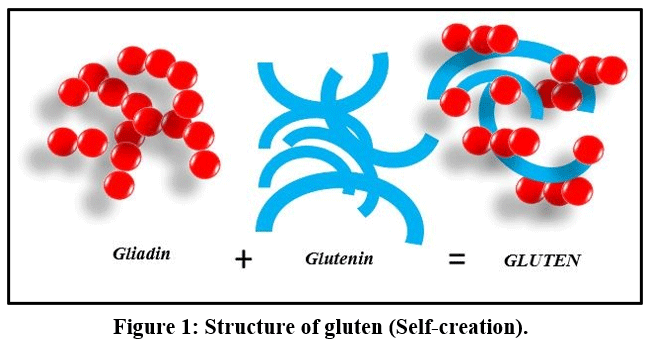 |
Figure 1: Structure of gluten (Self-creation).
|
The glutamine as well as proline residues are resistant to complete gastrointestinal digestion. As a result, relatively large proline-rich peptides are generated during digestion, some of which possess strong immunogenic potential and are involved in triggering immune responses in people with CD.11 Gluten is divided into 3 categories: sulfur-poor, sulfur-rich, and high molecular weight (MW).12 As previously stated, it is classified into soluble monomer gliadin and insoluble polymer glutenin based on solubility in an alcohol solution.10 Gliadin has a 30~75 kDa MW and is further categorized into α-, β-, γ-, and ω-gliadins. As per relative MW, glutenin is stratified into high-relative-MW (30~40 kDa) and low-relative-MW glutenin subunits (65~90 kDa).13
Immunogenic gluten peptides and role of tissue transglutaminase
Following α-2 gliadin proteolysis, the 33-mer gliadin peptide (LQLQPF(PQPQLPY)3PQPQPF) has been identified as the immunomodulator peptide,14 and seems to be prominent in several wheat varieties. Particularly in CD patients, this peptide can move via the lumen to the LP once it reaches the gut mucosa. Although no particular receptor has been found, transcellular endocytosis or paracellular passage to specify the mechanism.15 However, TG-2 attaches to the 33-mer and deamidates 3 of its glutamine residues. Additionally, both peptides proved that they bind to human leukocyte antigen (HLA) type DQ2 following processing by antigen-presenting cells; however, the deamidated peptide showed a greater affinity for HLA-DQ2.16 Remarkably, in a diabetic mouse model, the 33-mer builds up in the pancreas, and in pancreatic model lines, it shuts K/ATP channels, causing insulin release.17 These findings confirmed the significance of 33-mer peptide in the development of pathogenic immune responses and multiorgan dysfunction besides gluten-related diseases.16,18
Immune response and intestinal damage
Chronic upregulation of interleukin (IL)-15 in the epithelium and in the intestinal LP is a defining feature of the disease and links with the grade of mucosal injury. This leads to the expansion of the activated NK-like cytotoxic intraepithelial lymphocytes (IELs) and villous atrophy. Thus by blocking IL-15 signalling prevents these losses and may be a treatment for this condition.19 Simultaneously, innate immune pathways are activated, including the release of IL-15, which also stimulates IELs and promotes cytotoxic activity against enterocytes. Persistent exposure to gluten therefore maintains chronic inflammation and progressive intestinal damage in genetically susceptible individuals. Consequently, patients develop malabsorption of vital nutrients, leading to clinical manifestations including weight loss, diarrhoea, anaemia, and nutrient deficiencies (Figure 2).20
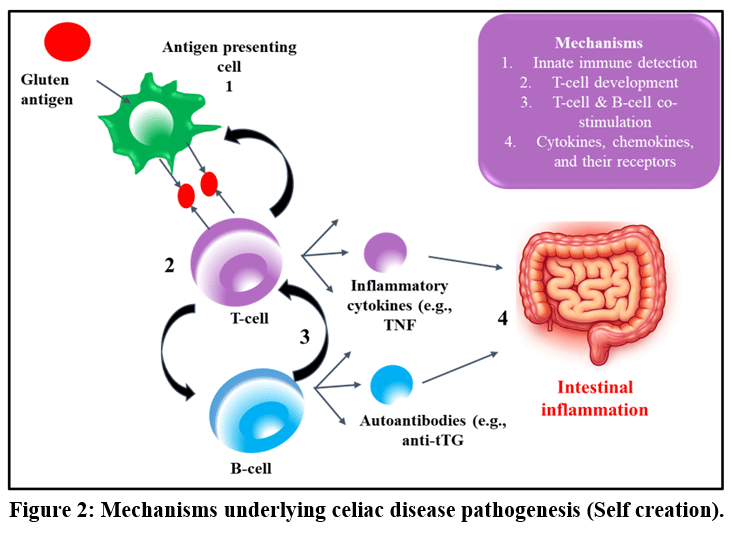 |
Figure 2: Mechanisms underlying celiac disease pathogenesis (Self creation).
|
Classification of emerging therapeutic strategies
New therapeutic strategies focus on various stages of disease development, including the neutralization of gluten within the lumen, modulation of the immune response, and the restoration of immune tolerance (Figure 3, Table 1). Intraluminal techniques consist of oral gluten-binding agents and gluten-breaking enzymes, designed to inhibit the formation and function of immunogenic gluten peptides (GPs) by attaching to or neutralizing them before they interact with the mucosa. Downstream interventions, such as tissue TG2 inhibitors, aim to reduce antigen-driven immune activation by preventing the deamidation of GPs.21 The goal of tolerance-inducing techniques is to retrain the immune system to identify gluten antigens in a non-inflammatory setting. Furthermore, immune-modulatory treatments, such as monoclonal antibodies that target pro-inflammatory cytokines like IL-15 and inhibitors of lymphocyte trafficking, continue to be a key area of research. While microbiome-based therapies focus on modulating gut microbial composition to influence gluten metabolism and immune homeostasis. Additionally, food-processing approaches seek to reduce gluten immunogenicity prior to ingestion through enzymatic or fermentation techniques. Collectively, these strategies represent a multifaceted, mechanism-driven effort to provide safer, more effective, and potentially disease-modifying alternatives for long-term management.22
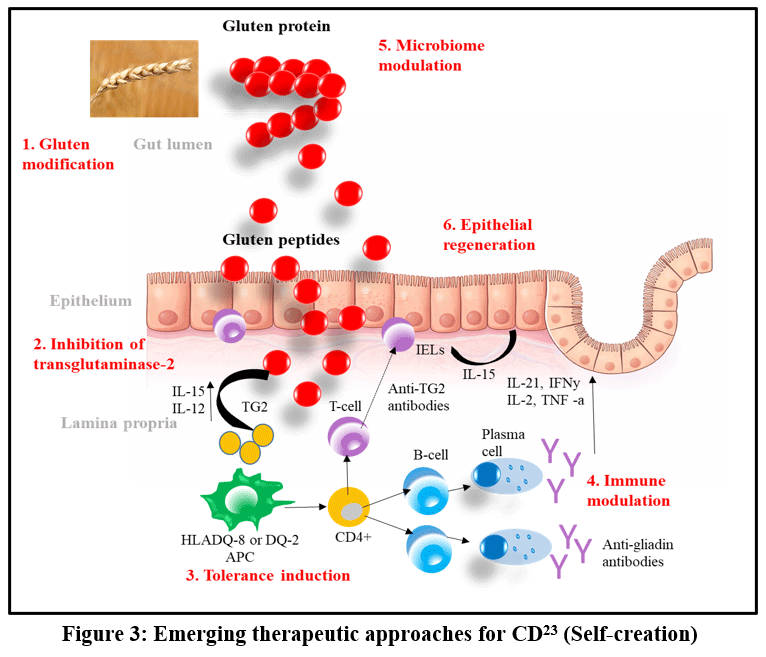 |
Figure 3: Emerging therapeutic approaches for CD23 (Self-creation).
|
Table 1: Novel therapeutic strategies for CD.
| Strategy category | Therapeutic approach | Mechanism of action | Examples |
| Gluten detoxification strategies | Oral glutenases | Enzymatic degradation of GPs in the lumen | Latiglutenase, AN-PEP.22 |
| Polymeric sequestrants | Bind gluten and prevent interaction with intestinal mucosa | BL-7010.24 | |
| Computationally designed endopeptidase | Effectively degrades large amounts of gluten | TAK-062.25 | |
| Barrier-enhancing Therapies | Tight junction modulators | Restricting gliadin transport and reducing downstream immunological activation by preventing tight junction disintegration | Larazotide acetate (AT-1001).26 |
| Immune-modulating therapies | Cytokine-targeted therapies | Inhibit pro-inflammatory cytokines (e.g., IL-15) | AMG 714 (PRV-015).27 |
| Adhesion blockade | It facilitates the relocation of inflammatory cells from secondary lymphoid organs to the small intestine. | CCX282-B.22 | |
| Tolerance-inducing therapies | Peptide-based immunotherapy | Induce antigen-specific immune tolerance to gluten | Nexvax2.28 |
| Nanoparticle-based tolerance | Deliver gliadin antigens to promote immune tolerance | TAK-101.29 | |
| liver-targeting glycopolymer | It utilizes the liver’s natural tolerogenic qualities by directing the substance to hepatic tissues. | KAN 101.30 | |
| Microbiome-based therapies | Probiotics | Modify gut microbiota and gluten metabolism | Lactobacillus spp., |
| Prebiotics / Synbiotics | Enhance beneficial microbial growth and activity | Inulin-based formulations.31 | |
| Food-processing approaches | |||
| Sourdough fermentation (SF) | Gluten degradation | Lactobacilli and fungal proteases.32 | |
| Thermal/processing methods | Reduce gluten immunogenicity | Industrial techniques.33 |
Focus on current advancements in enzyme therapy
Concept of enzymatic gluten detoxification
Enzymatic gluten detoxification aims to break down proline- and glutamine-rich GPs, which resist human digestion and trigger CD into harmless fragments using specific enzymes, primarily prolyl endopeptidases (PEPs). This therapeutic strategy, often using oral enzyme supplements, intends to cleanse gluten in the stomach/duodenum; previously it causes intestinal immune responses, offering an aid to the strict GFD.8 Degraded gluten proteins enter the small intestine after consumption. However, the gastrointestinal tract’s enzymes have trouble breaking down gluten due to its exceptionally high proline and glutamine concentration, particularly in 33mer. Mitea et al34 studied a novel Aspergillus niger PEP. It was discovered that this enzyme effectively broke down intact GPs in the stomach, and very little gluten remained in the duodenal compartment. Presently, Gass et al35 examined a fresh grouping approach that uses two active enzymes to detoxify gluten prior to its release into the small intestine. They employed a PEP from Sphingomonas capsulata and a glutamine-specific endoprotease (EP-B2; a cysteine endoprotease from sprouting barley seeds). While PEP rapidly detoxifies oligopeptides generated during primary proteolysis by cleaving internal proline residues, thereby yielding non-toxic metabolites, EP-B2 extensively hydrolyses the gluten network in bread into relatively short, yet still immunogenic, oligopeptides.35
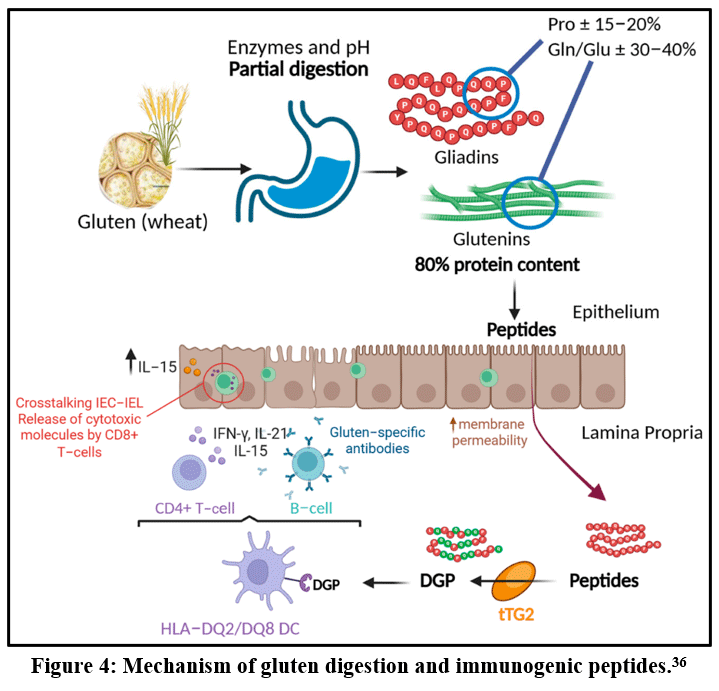 |
Figure 4: Mechanism of gluten digestion and immunogenic peptides.36
|
Types of gluten-degrading enzymes (GDE)
The immunogenicity of GPs can be amplified or diminished via GDE. Numerous GDE are obtained from bacteria, fungi, and plants. For instance, certain bacteria produce PEP or subtilisins, while barley produces cysteine endoprotease, both of which are highly efficient in breaking down gluten.36 Few most encouraging GDE that are under animal or human studies are mentioned below (Table 2).
Table 2: Gluten-degrading enzymes and their sources.
| Enzyme | Type | Source | Mechanism of action | Relevance in CD |
| Prolyl Endopeptidase | Serine protease | Flavobacterium meningosepticum | Cleaves proline-rich gluten peptides | Breaks down immunogenic gliadin fragments (e.g., 33-mer peptide).36 |
| Prolyl Endopeptidase (AN-PEP) | Aspartic protease | Aspergillus niger | Active at gastric pH; degrades gluten in stomach | Effective in early digestion of gluten before immune activation.37 |
| Dipeptidyl Peptidase IV (DPP-IV) | Exopeptidase | Lactobacillus spp. | Removes N-terminal dipeptides from gluten | Assists in stepwise gluten detoxification.38 |
| Endoprotease (EP-B2) | Cysteine protease | Hordeum vulgare | Cleaves internal peptide bonds in gluten | Enhances breakdown when combined with PEP enzymes.39 |
| Subtilisin-like Protease | Serine protease | Bacillus subtilis | Broad-spectrum proteolysis of gluten proteins | Reduces gluten immunogenicity.40 |
| Lactobacillus Proteases | Mixed proteases | Lactobacillus helveticus | Hydrolyze gluten during fermentation | Used in sourdough to reduce gluten toxicity.32 |
| Fungal Proteases | Mixed enzymes | Aspergillus oryzae | Degrade complex gluten proteins | Used in food processing and enzymatic therapy.41 |
| Neprosin | Prolyl endoprotease | Nepenthes | Highly specific cleavage of proline-rich peptides | Emerging enzyme with strong gluten-degrading potential.42 |
Microbial enzyme
Microbial enzymes are derived from bacteria or fungi that can break down immunogenic gluten peptides into non-toxic fragments. Some examples are mentioned below.
Prolyl endopeptidases
The enzymes known as PEPs target the proline GPs, some of which include T cell immunogenic epitopes. Fungi and bacteria are the sources of PEP. Sphingomonas capsulata (SC-PEP, or ALV002), Flavobacterium meningosepticum (FM-PEP), and Myxococcus xanthus (MX-PEP) are the sources of bacterial PEP.43 It is also formed from fungus Aspergillus niger. Edens and colleagues initially discovered and characterized this enzyme as glutenase in 2005,34 while looking for a debittering agent for use in beer brewing and casein hydrolysates. The enzyme’s marked activity against intact gluten and its ability to eliminate the T-cell features of a peptic/tryptic digest of gluten that emulates some elements of human digestion are two of AN-PEP’s beneficial characteristics.43
Bacterial enzyme
Lactobacillus-derived proteases from Lactobacillus species are widely studied for their ability to hydrolyse proline and glutamine-rich gliadin fragments into smaller, less immunogenic peptides. These enzymes are commonly associated with probiotic formulations and contribute to improved gluten digestion in the gastrointestinal tract.44 Lactic acid bacteria (LAB) and yeast spontaneously ferment a blend of water and flour to produce sourdough, which has both acidifying and leavening qualities. When compared to yeast, the LAB predominates in SF at a ratio of roughly 100:1.45 Gluten proteins are broken down into innocuous pieces during SF. However, hazardous peptides are frequently not completely broken down and the remaining peptides are enough to have harmful effects on CD patients.46 Monocultures of LAB are less successful than mixed cultures in lowering gluten and its harmful peptides.47
Plant enzyme
Fruits including papaya, figs, pineapples, ginger, leek, and kiwifruit, as well as vegetables like broccoli, and red pepper, are the main sources of plant proteases.48(p20) Highly active commercial proteases are frequently made from papaya, figs, and pineapples. Bradauskiene assessed whether plant enzymes could be used to hydrolyse gluten in wheat bran or not. They found in their work that papain and bromelain are suitable for hydrolysing gluten in wheat bran. Under comparable circumstances, papain exhibited greater hydrolytic activity, and the efficiency of the combination of both enzymes was mediocre. Therefore, the hydrolysis stage should be prolonged or a combination strategy with other degrading tools, like lactic acid fermentation or germination, should be employed for the improvement of wheat products for celiac individuals.44 Martinez has offered fresh insights into the potential of plant CysProt to lower gliadin concentration in another study. The study’s findings indicate that HvPap-6 CysProt is the best option. In order to lessen gluten toxicity, the ultimate goal may be to create transgenic wheat lines that overexpress this CysProt under endosperm-specific promoters.49
Enzyme drug candidates for targeting CD
TAK-062 is an extremely powerful endopeptidase that was created using computational design using the precursor Kuma030.50 It is produced from the bacterial enzyme kumamolisin As, from Alicyclobacillus sendaiensis. It was created by Rosetta Molecular Modeling Suite to precisely target the proline-glutamine (P-Q) dipeptide motifs, as disparate to the single amino acids (P) or (Q) that are targeted by other enzymes under development for CD (e.g., ALV003).51 These P-Q motifs are present in homologous proteins in barley and rye as well as in the immunogenic areas of gliadin, but they are uncommon in other proteins.25 The glutenase pair that was most thoroughly investigated in CT thus far is Latiglutenase (previously ALV003). ALV001, a modified recombinant EP-B2, and ALV002, a modified recombinant bacterial PEP from S capsulate, are combined in a 1:1 ratio to form latiglutenase. It digests immunogenic gluten peptides in the stomach and breaks gluten into smaller, less immunogenic fragments.52
Pharmacological therapies for celiac disease
Tight junction modulation
It is defined as the intercellular junctions that control paracellular permeability among epithelial and endothelial cells and are composed of multiple proteins, including claudins, occludin, and ZO-1. These structures are highly dynamic and respond to inflammatory cytokines and external antigens. Gliadin, has indicated to disrupt tight junction integrity indirectly by inducing zonulin release, leading to the disassembly of proteins such as ZO-1 and alterations in the actin cytoskeleton. This enhances intestinal permeability (IP) and facilitates the entry of GPs into the LP, contributing to immune activation in celiac disease. Therefore, reducing IP represents a promising therapeutic strategy to mitigate disease progression.53
The octapeptide LA (9 Meters Biopharma) has been reported to reduce IP and prevent immunogenic gluten peptide fragments from accessing the LP by blocking tight junction opening. However, there remains debate regarding LA’s actual mode of action. Early-phase studies showed that LA was usually safe and well-tolerated.54 In a phase 2b study of patients with CD (nonresponsive CD), it decreased symptoms when given as an adjuvant to a GFD in comparison to a placebo.55 The first phase 3 placebo-controlled study of LA was performed for CD, which was once again based solely on PROs (ClinicalTrials.gov, Number: NCT03569007). The study was discontinued in June 2022 after an interim analysis revealed no discernible benefit and that enrolling too many more participants would be necessary for a clinically meaningful assessment of NRCD’s efficacy.56
SIRT6 (Sirtuin 6), a transcriptional regulatory protein that promotes intestinal barrier integrity and epithelium regeneration, is activated by the oral, systemically acting, small molecule medicinal drug IMU-856 (Immunic Therapeutics). In a phase 1b CT, it was found to be safe, well-tolerated, and reduced intestinal damage in individuals with CD in remission who were exposed to gluten. It is now moving forward with a phase 2 safety and efficacy CT in NRCD.23
Tissue transglutaminase inhibitors
The TG2 catalyses the cross linking of proteins through the formation of an isopeptide bond amongst glutamine and lysine side chains. Even though TG2 plays a crucial part in steadying the extracellular matrix, its unrestrained action has been linked to CD.57 Certain dietary GPs that evade gastrointestinal digestion are deamidated in the intestinal mucosa, which makes it easier for HLA-DQ2/8 to present them as antigens and causes CD4+ T-cell clones to become activated and proliferate.58 The development of a T-cell response and the linking and presentation of GPs to naïve T cells may be significantly decreased by preventing their deamidation. Based on this, Zhuang and Khosla created a number of small compounds that inhibited TG2 and stopped the deamidation of gluten peptides.58 ZED1227, a highly selective and nontoxic TG2 inhibitor, was created. It demonstrated no toxicity in animal and phase 1 trials and did not significantly inhibit four other major transglutaminases.59 In one study of 160 patients with 3g gluten daily over 6 weeks, this TG2-inhibitor prevented mucosal damage and improved PROs. It also inhibits the enzyme in the LP and at the enterocyte surface in patients.21 Currently a phase 2b trial involving 400 individuals with slight clinical and histopathological NRCD is testing for ZED1227 (EudraCT Number: 2020-004612-97).56
Immune modulators
Molecules that can inhibit inflammatory cytokines and their downstream signalling, such as IL-15 and IL-21, are further treatment alternatives.
Anti-IL-15
Villous atrophy is encouraged by cytokines generated via stressed myeloid and epithelial cells (IL-15) and gluten-activated CD4+ T cells, which coordinate further T-cell proliferation and CT-IEL activation. Phase 2 trials of individuals with gluten provocation, with NRCD and RCDII, employed an IL-15 hindering mAb (PRV-015; NCT04424927) with differing degrees of efficacy.27 A phase 1b trial with an antibody with higher affinity was successfully completed in late summer 2023 (Caly-002; NCT04593251). TEV-53408 is an IL-15 blocker currently recruiting in a phase 1b trial.56
JAK inhibitors
These are a promising therapeutic class for managing refractory celiac disease (RCD), particularly Type II (RCDII), by targeting the JAK-STAT signalling pathway. Janus kinase (JAK) inhibitors interfere with intracellular signalling pathways involved in cytokine-mediated immune responses. In CD, gluten exposure triggers the release of IL‑15, which activates immune cells and leads to damage of intestinal villi. Tofacitinib prevents JAK from activating the signal transducer and activator of transcription (STAT) protein. Reduced cytokine release namely IL-15.60 A promising treatment option for macrophage activation syndrome (MAS) is ruxolitinib, a JAK1/2 inhibitor that effectively suppresses IFN-γ and other proinflammatory cytokines linked to MAS pathogenesis by blocking the JAK1/2-STAT1 signalling pathway.61 A JAK3 and TEC kinase inhibitor called ritlecitinib has been licensed for the cure of Alopecia Areata (AA) and is currently in the last stages of development for vitiligo. It suppresses B cells, NK cells, and cytotoxic T cells that contribute to the pathophysiology of CD.62
Integrin blockers
Drugs that inhibit lymphocyte migration focus on blocking the α4β7 integrin, a key molecule responsible for directing immune cells to the intestinal mucosa. The monoclonal antibody Vedolizumab, administered intravenously, acts as an α4β7 integrin antagonist and was assessed in Phase 2 CT (NCT02929316) for CD. Later terminated.63 Another investigational therapy, PTG-100 developed by Protagonist Therapeutics, is an orally administered α4β7 integrin antagonist peptide presently studied in Phase 1b CT (NCT04524221).64
Immune tolerance and vaccine-based therapies
Antigen-specific immunotherapy (ASI)
The goal of ASI is to restore the immune system’s tolerance to pathogenic antigens without compromising the immune system as a whole. An ASI may be a viable treatment for CD, as pathogenic CD4+ T-cells that could be desensitized by immunotherapy recognize the well-characterized immunodominant gluten epitopes.65 Barinthus Biotherapeutics plc, an immunology and inflammation (“I&I”) company focused on developing immune tolerance therapies with therapeutic potential, today announced an update on its first in-human Phase 1 study of VTP-1000 in adult CD. The underlying technology of VTP-1000 consists of Sponsor’s proprietary self-assembled nanoparticles based on the Amphipathic Peptide Tolerant Immunotherapy Platform (SNAP-TI), configured to package 12 GLU and rapamycin peptide antigens into nanoparticles approximately 20 nm in diameter.66
TAK 101
TAK-101 is a pioneering ASI for CD using poly(DL-lactide-co-glycolic acid) nanoparticles containing gliadin (gluten), reducing T-cell activation by ~90% in phase 2a trials. It reduces immune activation without systemic immunosuppression, offering potential to manage celiac disease beyond a strict, lifelong diet.29 APCs in the liver and spleen absorb these nanoparticles once they are injected intravenously. After being internalized, the nanoparticles expose gliadin to gliadin-specific T cells, which enhance immunological tolerance by activating regulatory T cells and causing T cell energy. The first trial evaluating TAK-101’s safety and tolerability was NCT03486990. Results showed the treatment was well tolerated, with no serious adverse effects or significant changes in vital signs or laboratory parameters, confirming an acceptable safety profile. NCT03738475 is a double-blind, randomized, placebo-controlled study investigating the efficacy of the drug in attenuating immune activation in CD patients after GFD. Among ongoing studies, NCT04530123 aims to further evaluate the efficacy of TAK-101 in reducing gluten-related symptoms and activating the immune system during gluten consumption.67
Peptide based vaccine
As part of induction therapy, a vaccine based on a group of GPs that can boost tolerance and desensitize to gluten peptides has also garnered interest. Repeated treatment of certain immunogenic gliadin peptides in transgenic HLA-DQ2 mice models reduced proinflammatory cytokines and inhibited T cell proliferation.68 Three immunogenic GPs from wheat, barley, and rye make up the desensitizing vaccine Nexvax2® (ImmuSanT, Cambridge, MA), which was created as an immunotherapeutic and preventative measure to reinstate gluten tolerance.68 In one Phase I CT (NCT00879749), HLA-DQ2-positive patients on a strict GFD received weekly intradermal injections of Nexvax2® for 3 weeks. The presence of IFN-γ-producing Nexvax2®-specific T cells in multiple individuals verified a vaccine’s bioactivity.69 In 2017, Goel et al.70 released the findings of the phase 1 study for Nexvax2. Immunodominant peptide epitopes for CD4 T lymphocytes specific to gluten are included in the potential vaccine to make them insensitive to activation brought on by gluten exposure. The highest tolerable Nexvax2 dose was 150 μg for 2 times in a week intradermal administration over eight weeks due to brief, acute GI side effects that started two to five hours after the first doses of the vaccine.70
Microbiome-based therapeutic approaches
Role of gut microbiota in CD
The human gut microbiota controls a variety of human processes, including digestion, immunity, and nutrition. A dysregulated immune response may result from a state of dysbiosis, which is defined as a change in the makeup and functionality of the human gut microbiota. The composition of the gut microbiota may be influenced by the HLA-DQ genotype, and patients with CD may exhibit changes in it. These changes may impact immune function, the preservation of the integrity of the gut barrier, the absorption of nutrients and metabolites, the balance among innate and adaptive immune responses, and the suppression growth of pathogens.71 While some species, like Escherichia coli, have a protecting action on the epithelial barrier integrity, other studies have shown that strains of Bifidobacteria can also decrease the IP. Additionally, lactobacilli have demonstrated immunomodulatory qualities that impact immunological reactions to gluten. Di Cagno et al72 discovered that two years of GFD treatment had not completely restored the duodenal microbiota of CD patients. The number of dangerous bacteria decreased, but the number of good bacteria remained low. Infants with CD have gut microbiota that are more composed of Proteobacteria and Firmicutes and less composed of Bifidobacteria and Actinobacteria, according to studies done on newborns. To determine whether these correlations are connected to CD onset later in life, more research is necessary. As per another research, the HLA-DQ and milk nursing have an effect on the composition of an infant’s gut flora. Patients with CD may benefit from gut bacteria like Lactobacilli and Bifidobacterium strains.73
A number of theories have been put out to explain the connection between changes in gut flora and CD symptoms.74 Most studies are based on small sample sizes and short-term interventions, resulting in weak to moderate evidence. Additionally, findings across studies are inconsistent, with some reporting beneficial effects while others show no significant improvement. Variability in probiotic strains, dosage, and patient-specific responses further limits their clinical applicability. Therefore, large-scale, well-designed clinical trials are required before microbiome-based therapies may be regarded as a reliable strategy for CD.
Probiotic, pre and synbiotic
The World Health Organization defines probiotics as live bacteria that can support a host’s health if supplied in optimum amount. It alters the microbiota’s makeup and functional role, thus averting or slowing disease development. Additionally, they can control the immunological reaction, toxin receptor disruption, nutritional competition, adhesion site blocking, and the synthesis of compounds that inhibit infections.75 Lindfors et al76 demonstrated that certain probiotics, like Bifidobacterium lactis or Lactobacillus fermentum, revealed shielding effect against gliadin-damaging action in intestinal cell cultures, as a result of dose-dependent inhibition of augmented IP and activation of IL-10 production by regulatory T-cells. In fact, one of the main reasons for symptoms is the NFkB pathway’s production of the cytokine cascade, which activates inflammation. Laparra et al77 have shown that several Bifidobacterial strains can recover the affected gut bacterial configuration in CD, lowering inflammation. Additionally, Lactobacillus casei is helpful for the renewal of a healthy mucosal structure and gut-associated lymphoid tissue balance.
The International Scientific Association for Probiotics and Prebiotics consensus statement defines prebiotics as a nutrient source that host bacteria selectively use to provide a health advantage. Prebiotics are one of the novel treatments that have lately been suggested; they are a safe and promising addition to GFD that has positive effects on human health.78 It has the capacity to support the progress and action of intestinal bacterial strains that may be beneficial to health, primarily Lactobacillus and Bifidobacterium. Because of this, their capacity to control gut microbial activity may be utilized to treat symptoms associated with CD.79 Krupa-Kozak et al80 conducted first investigations on this subject: placebo-controlled randomized CT to evaluate the impact of an oligofructose-enriched inulin called “Orafti®-Synergy1” on paediatric patients after GFD. Simultaneously, Adebola et al82 showed that while inulin cannot exert a direct stimulatory effect on the five probiotic Lactobacillus strains, other prebiotics, such as lactulose & lactobionic acid, might do so and serve as an ideal substrate for bacteria to reduce the negative impacts of bile acid stress.75,81
Symbiotics are a combination of both. Palma et al82 demonstrated that in CD patients, a drop in Bifidobacteria and an rise in pathogenic gram-negative bacteria led to an increase in Th1type cytokine levels, as well as an increase in T-cells and monocyte maturation. According to one study, the synbiotic, which includes strains of Lactobacillus and Bifidobacterium, may affect anti-tTG levels through these processes.
Novel and experimental therapeutic approaches
Nanoparticle based drug delivery
This strategy aims to induce immune tolerance to gluten, agreeing patients to ingest it without an immune response. The leading approach, such as TAK-101/CNP-101, utilizes biodegradable, negatively charged nanoparticles (TIMP-GLIA) to deliver gluten antigens (gliadin) into the immune system quietly, preventing inflammation. Clinical trials showed these particles, highlighted by Beyond Celiac and published in Gastroenterology, successfully reduce inflammatory responses to gluten in participants.83 TAK-101 is designed to promote gluten-specific tolerance. The 33 randomly selected patients finished the 14-day gluten challenge in phase 2a. In CD, TAK-101 inhibited immune activation and was well tolerated. The results of this trial offer a novel strategy that can be applied to additional immune-mediated disorders. NCT03486990 and NCT03738475 are ClinicalTrials.gov identifiers.29 The particles (TIMP-GLIA) work as a “Trojan horse,” encapsulating gluten and, when introduced to the body, are taken up by macrophages, resulting in the downregulation of autoimmune responses. Takeda, a multinational pharmaceutical company with US headquarters in Massachusetts and global headquarters in Japan, intends to start a study to ascertain the drug’s dosing range for treating CD. In the interim, Cour will keep developing medications for a range of additional autoimmune conditions in its pharmacological pipeline.84 The goal of Topas Therapeutics, a clinical-stage biotechnology business, is to provide innovative, disease-modifying therapies for inflammatory and autoimmune conditions. It is creating patented antigen-specific nanoparticles known as TPCs (Topas Particle Conjugates), used to enhance antigen-driven tolerance without significantly reducing the immunological response. Topas announced that TPM502 will be advanced onto a phase 2b research in CD patients following the release of data from their phase 2a CT.84
Gene-targeted therapies
Immunogenic epitopes, particularly those found in α-, γ-, and ω-gliadins, cause CD. Gliadins have recently been subjected to CRISPR/Cas9 focused gene editing. Overall, these techniques may lessen patients’ exposure to CD epitopes by producing progeny with silent, removed, and/or altered gliadins. RNA interference (RNAi) and CRISPR/Cas9 gene editing are 2 cutting-edge techniques that show promise for manufacturing wheat that is safe for CD individuals.85 Gil-Humanes et al86 employed RNAi to down-regulate all three gene types, which led to a 10 to 100-fold decrease in DQ2 and DQ8 epitopes in T-cell assays and an up to 92% decrease in the gliadin response as measured by the R5 monoclonal antibody (mAb) assay. Currently, Altenbach et al87 utilized RNAi to silence ω-gliadins. Though, these approaches have some barriers. Stable genetic modification (GM) and transgene expression are essential for RNAi, which indirectly targets gluten genes through their RNA transcripts. Before GM food products may be marketed, costly and prolonged food safety evaluations must be completed in accordance with government requirements.
Monoclonal antibody therapies
Monoclonal antibody therapies are emerging as a targeted immunological approach for the management of celiac disease, particularly by modulating key cytokines involved in disease pathogenesis.65 Intestinal tissue is destroyed when epithelial CD8 T cells are encouraged by overexpression of IL-15. An anti-IL-15 mAb was assessed in the initial IL-15 trial (AMG 714). The outcomes of this trial indicated improvements in clinical symptoms, especially diarrhoea. Nevertheless, a rise in IEL density was noted, and the data did not demonstrate protection of villous atrophy. Despite these findings, AMG 714 is still being evaluated in a randomized phase 2 experiment under the name PRV-015 (ClinicalTrials.gov, NCT04424927). Monoclonals are costly and necessitate maintenance therapy, regardless of their therapeutic potential.88 Amlitelimab is a wholly human non-T cell-reducing mAb that inhibits OX40-Ligand, a crucial immunological regulator. It may be the best treatment available for a number of inflammatory and immune-related illnesses, including CD. It is presently being studied clinically, and no regulatory body has assessed its efficacy or safety.89 According to a latest study, patients with active CD had higher levels of OX40 expression in both intestinal and circulating CD4+ T cells compared to healthy controls, with gluten tetramer-positive CD4+ T cells having the greatest levels.56
Clinical trials for CD
Clinical research in CD has expanded significantly, focusing on therapies beyond the traditional GFD. These are described in the following Table 3.
Table 3: Clinical research related to CD.
| Drug | Overview | Target | Status | NCT identifier |
| KAN 101 | Multi-center, double-blind, placebo-controlled Phase 2a, N=55 | Antigen tolerance therapy | Completed | NCT0600117790(p101) |
| HB-2121
|
N=20, phase 1 Non randomized | Diagnostic agent | Not yet recruiting | NCT0737756591 |
| ZED1227
|
Double-blind, Randomised, Placebo-controlled Trial, N=356, phase 2 | TG2 inhibitor | Active, not recruiting
|
NCT0729834392 |
| TPM502
|
Multi center, double-blind, randomized, placebo-controlled Phase 2a, N=28 | Immune tolerance | Completed | NCT0566010993 |
| DONQ52
|
Randomized, Double-blind, Placebo-controlled, N=92, Phase 2 | minimizing immune activation | Recruiting | NCT0723933694 |
| Larazotide Acetate
|
Phase 2b, randomized, double-blind, placebo-controlled, dose ranging, multicenter study, N=42 | Intestinal TAK-101
Permeability |
Completed | NCT0088947395 |
| Latiglutenase
|
Single-center, prospective, randomized, double-blind, placebo-controlled, Phase 2, N=79 | Gluten degradation | Completed | NCT0358547896 |
| TAK-101
|
Randomized, Double-Blind, Placebo-Controlled, N=102, Phase 2 | Immune tolerance | Completed | NCT0453012397 |
Challenges, limitations and future directions for CD
Developing therapies for this illness has a number of difficulties. Although creating an animal model to investigate CD has been challenging, enzyme treatment has recently been explored in a vulnerable monkey model. The majority of research has been done in-vivo, ex-vivo, and eventually with a limited number of human volunteers. A medication must be able to withstand intestinal and pancreatic proteases, as well as the stomach’s acidic environment, and continue to function in the small intestine. Determining realistic objectives for CD treatment trials is similarly complicated. Antibody levels, clinical symptoms, histology scores, and functional tests of absorptive or permeability features can all be considered endpoints. All of these methods have drawbacks despite their usefulness. Studying significant phenotypic diversity of CD is also difficult.98
Also, no pharmacological therapy has yet received FDA approval, and a GFD remains the standard of care, highlighting a substantial unmet clinical need. The therapeutic pipeline is expanding, with multiple investigational agents targeting key mechanisms such as immune modulation, gluten detoxification, intestinal barrier function, and tolerance induction, including candidates like KAN-101 and TG2 inhibitors, many of which are in early to mid-stage (phase 2/3) clinical trials and some receiving regulatory designations such as Fast Track. However, clinical translation has been challenging, as evidenced by failed late-stage trials such as LA, a tight junction modulator that did not meet primary efficacy endpoints despite promising mechanistic rationale.99
These setbacks are largely attributed to disease heterogeneity, difficulties in standardizing gluten exposure, and a disconnect between histological and symptomatic outcomes, underscoring the need for improved biomarkers, optimized trial designs, and more comprehensive therapeutic strategies. Gluten sequestrants, microbiome manipulation, and nanoparticle-based treatments are other strategies being researched; many of these drugs are in phase I–III trials, although none have been accepted to take the role of dietary management. Together, these developments signify a change toward more adaptable, focused CD treatment that goes beyond food alone.99 Nevertheless, the studies that are now accessible are few and diverse, encompassing both adult and paediatric populations.100 Tailored strategies that take into account microbiological, immunological, and genetic aspects could maximize treatment. As these treatments advance toward clinical application, multidisciplinary care, ethical issues, and economic viability are also critical. In order to improve the quality of living for CD patients, further research will concentrate on long-term safety, supplemental therapies, and innovative beneficial approaches.100
Combination therapies aim to enhance treatment efficacy by simultaneously targeting multiple disease pathways for example, combining gluten-degrading enzymes with barrier-protecting agents or immunotherapies to reduce both antigen load and immune activation. Engineered enzymes, e.g., Latiglutenase & TAK-062, are designed to efficiently break down immunogenic GPs. Personalized medicine tailor therapies according to individual patient variability, improving treatment outcomes and minimizing adverse effects. Microbiome-based therapeutics focus on restoring gut microbial balance using probiotics, prebiotics, or engineered bacteria to promote immune tolerance and enhance intestinal barrier integrity. Lastly, precision immunotherapy, including antigen-specific approaches such as TAK-101, targets the underlying immune dysregulation by inducing tolerance to gluten-specific antigens. Together, these strategies represent a shift toward more effective, patient-centric, and disease-modifying treatments for celiac disease.88
Conclusion
In conclusion, the GFD remains the keystone of celiac disease control and continues to be the only widely accepted standard therapy. However, significant advancements in understanding disease progress have led to the development of multiple novel therapeutic approaches meant at improving patient outcomes. Approaches such as enzyme-based gluten detoxification, immune modulation, and emerging pharmacological interventions have revealed encouraging outcomes in animal and early clinical studies. Despite these encouraging developments, there are still significant gaps, especially in terms of long-term effectiveness., safety, and real-world applicability. Therefore, well-designed, large-scale human trials are crucial to authorize these therapies and facilitate their translation into routine clinical practice. Collectively, these advancements hold the potential to complement or even redefine current treatment paradigms, ultimately improving the lives of people with CD.
Acknowledgement
The author would like to thank MET’s Institute of Pharmacy, Nashik for granting permission work for PhD research work.
Funding Sources
The author(s) received no financial support for the research, authorship, and/or publication of this article.
Conflict of Interest
The authors do not have any conflict of interest.
Data Availability Statement
This statement does not apply to this article.
Ethics Statement
This research did not involve human participants, animal subjects, or any material that requires ethical approval.
Informed Consent Statement
This study did not involve human participants, and therefore, informed consent was not required.
Clinical Trial Registration
This research does not involve any clinical trials.
Permission to reproduce material from other sources
Not Applicable.
Author Contributions:
- Amol Tonde: Conceptualization, Methodology, Writing – Original Draft, Data Collection, Analysis, Writing – Review & Editing
- Santosh Chhajed: Data Collection, Analysis, Writing – Review & Editing, Visualization, Supervision, Project Administration, Resources, and Supervision.
References
- Caio G, Volta U, Sapone A, et al. Celiac disease: a comprehensive current review. BMC Med. 2019;17(1):142. doi:10.1186/s12916-019-1380-z
CrossRef - Green PHR, Lebwohl B, Greywoode R. Celiac disease. J Allergy Clin Immunol. 2015;135(5):1099-1106. doi:10.1016/j.jaci.2015.01.044
CrossRef - Singh P, Arora A, Strand TA, et al. Global Prevalence of Celiac Disease: Systematic Review and Meta-analysis. Clin Gastroenterol Hepatol. 2018;16(6):823-836.e2. doi:10.1016/j.cgh.2017.06.037
CrossRef - Makharia GK. Celiac Disease Screening in Southern and East Asia. Dig Dis. 2015;33(2):167-174. doi:10.1159/000369537
CrossRef - Herrera-Quintana L, Navajas-Porras B, Vázquez-Lorente H, et al. Celiac Disease: Beyond Diet and Food Awareness. Foods. 2025;14(3):377. doi:10.3390/foods14030377
CrossRef - Ghunaim M, Seedi A, Alnuman D, et al. Impact of a Gluten-Free Diet in Adults with Celiac Disease: Nutritional Deficiencies and Challenges. Cureus. Published online December 2, 2024. doi:10.7759/cureus.74983
CrossRef - Wieser H, Ruiz-Carnicer Á, Segura V, Comino I, Sousa C. Challenges of Monitoring the Gluten-Free Diet Adherence in the Management and Follow-Up of Patients with Celiac Disease. Nutrients. 2021;13(7):2274. doi:10.3390/nu13072274
CrossRef - Caputo I, Lepretti M, Martucciello S, Esposito C. Enzymatic Strategies to Detoxify Gluten: Implications for Celiac Disease. Enzyme Res. 2010;2010:1-9. doi:10.4061/2010/174354
CrossRef - Lexhaller B, Colgrave ML, Scherf KA. Characterization and Relative Quantitation of Wheat, Rye, and Barley Gluten Protein Types by Liquid Chromatography–Tandem Mass Spectrometry. Front Plant Sci. 2019;10:1530. doi:10.3389/fpls.2019.01530
CrossRef - Wang P, Jin Z, Xu X. Physicochemical alterations of wheat gluten proteins upon dough formation and frozen storage – A review from gluten, glutenin and gliadin perspectives. Trends Food Sci Technol. 2015;46(2):189-198. doi:10.1016/j.tifs.2015.10.005
CrossRef - Moreno Amador MDL, Arévalo-Rodríguez M, Durán EM, Martínez Reyes JC, Sousa Martín C. A new microbial gluten-degrading prolyl endopeptidase: Potential application in celiac disease to reduce gluten immunogenic peptides. Sestak K, ed. PLOS ONE. 2019;14(6):e0218346. doi:10.1371/journal.pone.0218346
CrossRef - Zhong S, Hou Y, Zhang Z, et al. Identification of novel natural inhibitors targeting AKT Serine/Threonine Kinase 1 (AKT1) by computational study. Bioengineered. 2022;13(5):12003-12020. doi:10.1080/21655979.2021.2011631
CrossRef - Ye L, Zheng W, Li X, et al. The Role of Gluten in Food Products and Dietary Restriction: Exploring the Potential for Restoring Immune Tolerance. Foods. 2023;12(22):4179. doi:10.3390/foods12224179
CrossRef - Gutiérrez S, Pérez-Andrés J, Martínez-Blanco H, et al. The human digestive tract has proteases capable of gluten hydrolysis. Mol Metab. 2017;6(7):693-702. doi:10.1016/j.molmet.2017.05.008
CrossRef - Ménard S, Lebreton C, Schumann M, et al. Paracellular versus Transcellular Intestinal Permeability to Gliadin Peptides in Active Celiac Disease. Am J Pathol. 2012;180(2):608-615. doi:10.1016/j.ajpath.2011.10.019
CrossRef - Herrera MG, Dodero VI. Gliadin proteolytical resistant peptides: the interplay between structure and self-assembly in gluten-related disorders. Biophys Rev. 2021;13(6):1147-1154. doi:10.1007/s12551-021-00856-z
CrossRef - Bruun SW, Josefsen K, Tanassi JT, et al. Large Gliadin Peptides Detected in the Pancreas of NOD and Healthy Mice following Oral Administration. J Diabetes Res. 2016;2016:1-11. doi:10.1155/2016/2424306
CrossRef - López Casado MÁ, Lorite P, Ponce De León C, Palomeque T, Torres MI. Celiac Disease Autoimmunity. Arch Immunol Ther Exp (Warsz). 2018;66(6):423-430. doi:10.1007/s00005-018-0520-z
CrossRef - Abadie V, Jabri B. IL ‐15: a central regulator of celiac disease immunopathology. Immunol Rev. 2014;260(1):221-234. doi:10.1111/imr.12191
CrossRef - Napiórkowska-Baran K, Treichel P, Wawrzeńczyk A, et al. Non-Celiac Villous Atrophy—A Problem Still Underestimated. Life. 2025;15(7):1098. doi:10.3390/life15071098
CrossRef - Isola J, Mäki M, Hils M, et al. The Oral Transglutaminase 2 Inhibitor ZED1227 Accumulates in the Villous Enterocytes in Celiac Disease Patients during Gluten Challenge and Drug Treatment. Int J Mol Sci. 2023;24(13):10815. doi:10.3390/ijms241310815
CrossRef - Kounatidis D, Pavlou A, Evangelopoulos A, et al. Rethinking Celiac Disease Management: Treatment Approaches Beyond the Gluten-Free Diet. Biomedicines. 2025;14(1):29. doi:10.3390/biomedicines14010029
CrossRef - Daveson AJM, Stubbs R, Polasek TM, et al. Safety, clinical activity, pharmacodynamics, and pharmacokinetics of IMU-856, a SIRT6 modulator, in coeliac disease: a first-in-human, randomised, double-blind, placebo-controlled, phase 1 trial. Lancet Gastroenterol Hepatol. 2025;10(1):44-54. doi:10.1016/S2468-1253(24)00248-6
CrossRef - McCarville JL, Nisemblat Y, Galipeau HJ, et al. BL-7010 Demonstrates Specific Binding to Gliadin and Reduces Gluten-Associated Pathology in a Chronic Mouse Model of Gliadin Sensitivity. D’Auria S, ed. PLoS ONE. 2014;9(11):e109972. doi:10.1371/journal.pone.0109972
CrossRef - Pultz IS, Hill M, Vitanza JM, et al. Gluten Degradation, Pharmacokinetics, Safety, and Tolerability of TAK-062, an Engineered Enzyme to Treat Celiac Disease. Gastroenterology. 2021;161(1):81-93.e3. doi:10.1053/j.gastro.2021.03.019
CrossRef - Hoilat GJ, Altowairqi AK, Ayas MF, et al. Larazotide acetate for treatment of celiac disease: A systematic review and meta-analysis of randomized controlled trials. Clin Res Hepatol Gastroenterol. 2022;46(1):101782. doi:10.1016/j.clinre.2021.101782
CrossRef - Cellier C, Bouma G, Van Gils T, et al. Safety and efficacy of AMG 714 in patients with type 2 refractory coeliac disease: a phase 2a, randomised, double-blind, placebo-controlled, parallel-group study. Lancet Gastroenterol Hepatol. 2019;4(12):960-970. doi:10.1016/S2468-1253(19)30265-1
CrossRef - Riedmann EM. Human Vaccines: News. Hum Vaccines Immunother. 2012;8(11):1550-1553. doi:10.4161/hv.22753
CrossRef - Kelly CP, Murray JA, Leffler DA, et al. TAK-101 Nanoparticles Induce Gluten-Specific Tolerance in Celiac Disease: A Randomized, Double-Blind, Placebo-Controlled Study. Gastroenterology. 2021;161(1):66-80.e8. doi:10.1053/j.gastro.2021.03.014
CrossRef - Murray JA, Wassaf D, Dunn K, et al. Safety and tolerability of KAN-101, a liver-targeted immune tolerance therapy, in patients with coeliac disease (ACeD): a phase 1 trial. Lancet Gastroenterol Hepatol. 2023;8(8):735-747. doi:10.1016/S2468-1253(23)00107-3
CrossRef - Scherer TC, De Marco I, Ferreira NRC, et al. Bifidobacteria and Celiac Disease: Mechanisms of Probiotic Action in Reducing Gluten‐Induced Cytotoxicity and Inflammation. Mol Nutr Food Res. 2025;69(22):e70222. doi:10.1002/mnfr.70222
CrossRef - Rizzello CG, De Angelis M, Di Cagno R, et al. Highly Efficient Gluten Degradation by Lactobacilli and Fungal Proteases during Food Processing: New Perspectives for Celiac Disease. Appl Environ Microbiol. 2007;73(14):4499-4507. doi:10.1128/AEM.00260-07
CrossRef - Mahroug H, Ribeiro M, Rhazi L, et al. How microwave treatment of gluten affects its toxicity for celiac patients? A study on the effect of microwaves on the structure, conformation, functionality and immunogenicity of gluten. Food Chem. 2019;297:124986. doi:10.1016/j.foodchem.2019.124986
CrossRef - Mitea C, Havenaar R, Drijfhout JW, Edens L, Dekking L, Koning F. Efficient degradation of gluten by a prolyl endoprotease in a gastrointestinal model: implications for coeliac disease. Gut. 2007;57(1):25-32. doi:10.1136/gut.2006.111609
CrossRef - Gass J, Bethune MT, Siegel M, Spencer A, Khosla C. Combination Enzyme Therapy for Gastric Digestion of Dietary Gluten in Patients with Celiac Sprue. Gastroenterology. 2007;133(2):472-480. doi:10.1053/j.gastro.2007.05.028
CrossRef - Sanchiz A, San-Martín MI, Navasa N, et al. Microbial Peptidases: Key Players in Reducing Gluten Immunogenicity Through Peptide Degradation. Appl Sci. 2025;15(14):8111. doi:10.3390/app15148111
CrossRef - Stefanolo JP, Segura V, Grizzuti M, et al. Effect of Aspergillus niger prolyl endopeptidase in patients with celiac disease on a long-term gluten-free diet. World J Gastroenterol. 2024;30(11):1545-1555. doi:10.3748/wjg.v30.i11.1545
CrossRef - Dunaevsky YE, Tereshchenkova VF, Belozersky MA, Filippova IY, Oppert B, Elpidina EN. Effective Degradation of Gluten and Its Fragments by Gluten-Specific Peptidases: A Review on Application for the Treatment of Patients with Gluten Sensitivity. Pharmaceutics. 2021;13(10):1603. doi:10.3390/pharmaceutics13101603
CrossRef - Shukla M, Gharote A, Muchahary S. Industrial scope of cysteine protease and its anti-gluten property: A review. Food Nutr. 2025;1(1):100006. doi:10.1016/j.fnutr.2025.100006
CrossRef - Wei G, Tian N, Siezen R, Schuppan D, Helmerhorst EJ. Identification of food-grade subtilisins as gluten-degrading enzymes to treat celiac disease. Am J Physiol-Gastrointest Liver Physiol. 2016;311(3):G571-G580. doi:10.1152/ajpgi.00185.2016
CrossRef - Naeem M, Manzoor S, Abid MUH, et al. Fungal Proteases as Emerging Biocatalysts to Meet the Current Challenges and Recent Developments in Biomedical Therapies: An Updated Review. J Fungi. 2022;8(2):109. doi:10.3390/jof8020109
CrossRef - Del Amo-Maestro L, Mendes SR, Rodríguez-Banqueri A, et al. Molecular and in vivo studies of a glutamate-class prolyl-endopeptidase for coeliac disease therapy. Nat Commun. 2022;13(1):4446. doi:10.1038/s41467-022-32215-1
CrossRef - Wei G, Helmerhorst EJ, Darwish G, Blumenkranz G, Schuppan D. Gluten Degrading Enzymes for Treatment of Celiac Disease. Nutrients. 2020;12(7):2095. doi:10.3390/nu12072095
CrossRef - Bradauskiene V, Vaiciulyte-Funk L, Mazoniene E, Cernauskas D. Fermentation with Lactobacillus strains for elimination of gluten in wheat (Triticum Aestivum) by-products. In: 2019:109-114. doi:10.22616/FoodBalt.2019.029
CrossRef - Fraberger V, Ammer C, Domig KJ. Functional Properties and Sustainability Improvement of Sourdough Bread by Lactic Acid Bacteria. Microorganisms. 2020;8(12):1895. doi:10.3390/microorganisms8121895
CrossRef - Barre A, Benoist H, Rougé P. Impacts of Sourdough Technology on the Availability of Celiac Peptides from Wheat α- and γ-Gliadins: In Silico Approach. Allergies. 2023;3(1):39-57. doi:10.3390/allergies3010004
CrossRef - Greco L, Gobbetti M, Auricchio R, et al. Safety for Patients with Celiac Disease of Baked Goods Made of Wheat Flour Hydrolyzed During Food Processing. Clin Gastroenterol Hepatol. 2011;9(1):24-29. doi:10.1016/j.cgh.2010.09.025
CrossRef - Sun Q, Zhang B, Yan QJ, Jiang ZQ. Comparative analysis on the distribution of protease activities among fruits and vegetable resources. Food Chem. 2016;213:708-713. doi:10.1016/j.foodchem.2016.07.029
CrossRef - Martinez M, Gómez-Cabellos S, Giménez MJ, Barro F, Diaz I, Diaz-Mendoza M. Plant Proteases: From Key Enzymes in Germination to Allies for Fighting Human Gluten-Related Disorders. Front Plant Sci. 2019;10:721. doi:10.3389/fpls.2019.00721
CrossRef - Wolf C, Siegel JB, Tinberg C, et al. Engineering of Kuma030: A Gliadin Peptidase That Rapidly Degrades Immunogenic Gliadin Peptides in Gastric Conditions. J Am Chem Soc. 2015;137(40):13106-13113. doi:10.1021/jacs.5b08325
CrossRef - Gordon SR, Stanley EJ, Wolf S, et al. Computational Design of an α-Gliadin Peptidase. J Am Chem Soc. 2012;134(50):20513-20520. doi:10.1021/ja3094795
CrossRef - Serena G, Kelly CP, Fasano A. Nondietary Therapies for Celiac Disease. Gastroenterol Clin North Am. 2019;48(1):145-163. doi:10.1016/j.gtc.2018.09.011
CrossRef - Khaleghi S, Ju JM, Lamba A, Murray JA. The potential utility of tight junction regulation in celiac disease: focus on larazotide acetate. Ther Adv Gastroenterol. 2016;9(1):37-49. doi:10.1177/1756283X15616576
CrossRef - Leffler DA, Kelly CP, Abdallah HZ, et al. A Randomized, Double-Blind Study of Larazotide Acetate to Prevent the Activation of Celiac Disease During Gluten Challenge. Am J Gastroenterol. 2012;107(10):1554-1562. doi:10.1038/ajg.2012.211
CrossRef - Leffler DA, Kelly CP, Green PHR, et al. Larazotide Acetate for Persistent Symptoms of Celiac Disease Despite a Gluten-Free Diet: A Randomized Controlled Trial. Gastroenterology. 2015;148(7):1311-1319.e6. doi:10.1053/j.gastro.2015.02.008
CrossRef - Discepolo V, Kelly CP, Koning F, Schuppan D. How Future Pharmacologic Therapies for Celiac Disease Will Complement the Gluten-Free Diet. Gastroenterology. 2024;167(1):90-103. doi:10.1053/j.gastro.2024.02.050
CrossRef - Keillor JW, Apperley KYP, Akbar A. Inhibitors of tissue transglutaminase. Trends Pharmacol Sci. 2015;36(1):32-40. doi:10.1016/j.tips.2014.10.014
CrossRef - Zhuang R, Khosla C. Substrates, inhibitors, and probes of mammalian transglutaminase 2. Anal Biochem. 2020;591:113560. doi:10.1016/j.ab.2019.113560
CrossRef - Büchold C, Hils M, Gerlach U, et al. Features of ZED1227: The First-In-Class Tissue Transglutaminase Inhibitor Undergoing Clinical Evaluation for the Treatment of Celiac Disease. Cells. 2022;11(10):1667. doi:10.3390/cells11101667
CrossRef - Grewal JK, Kassardjian A, Weiss GA. Successful novel use of tofacitinib for type II refractory coeliac disease. BMJ Case Rep. 2022;15(4):e244692. doi:10.1136/bcr-2021-244692
CrossRef - Lévy R, Escudier A, Bastard P, et al. Ruxolitinib Rescues Multiorgan Clinical Autoimmunity in Patients with APS-1. J Clin Immunol. 2024;44(1):5. doi:10.1007/s10875-023-01629-x
CrossRef - Choung RS, Ramakrishna J, Pradhan V, et al. Correction: Ritlecitinib, a JAK3 /TEC inhibitor, modulates the markers of celiac autoimmunity in alopecia areata and vitiligo patients. Arch Dermatol Res. 2025;317(1):546. doi:10.1007/s00403-025-04136-8
CrossRef - Celiac Disease Terminated Phase 2 Trials for Vedolizumab (DB09033). http://go.drugbank.com/indications/DBCOND0000904/ clinical_trials/DB09033?phase=2&status=terminated
- PTG-100 for Patients with Celiac Disease. https://clinicaltrials.gov/study/NCT04524221
- Di Sabatino A, Lenti MV, Corazza GR, Gianfrani C. Vaccine Immunotherapy for Celiac Disease. Front Med. 2018;5:187. doi:10.3389/fmed.2018.00187
CrossRef - VTP-1000 in Adults with Celiac Disease. https://clinicaltrials.gov/study/NCT06310291
- Santonicola A, Soldaini C, Ciacci C. New therapies in celiac disease. Curr Opin Gastroenterol. 2025;41(3):124-131. doi:10.1097/MOG.0000000000001080
CrossRef - Matoori S, Fuhrmann G, Leroux JC. Celiac Disease: A Challenging Disease for Pharmaceutical Scientists. Pharm Res. 2013;30(3):619-626. doi:10.1007/s11095-012-0951-x
CrossRef - Brown GJ, Daveson J, Marjason JK, et al. A Phase I Study to Determine Safety, Tolerability and Bioactivity of Nexvax2® in HLA DQ2+ Volunteers with Celiac Disease Following a Long-Term, Strict Gluten-Free Diet. Gastroenterol. 2011;140(5):S-437-S-438. doi:10.1016/S0016-5085(11)61794-0
CrossRef - Goel G, King T, Daveson AJ, et al. Epitope-specific immunotherapy targeting CD4-positive T cells in coeliac disease: two randomised, double-blind, placebo-controlled phase 1 studies. Lancet Gastroenterol Hepatol. 2017;2(7):479-493. doi:10.1016/S2468-1253(17)30110-3
CrossRef - Pecora F, Persico F, Gismondi P, et al. Gut Microbiota in Celiac Disease: Is There Any Role for Probiotics? Front Immunol. 2020;11:957. doi:10.3389/fimmu.2020.00957
CrossRef - Di Cagno R, De Angelis M, De Pasquale I, et al. Duodenal and faecal microbiota of celiac children: molecular, phenotype and metabolome characterization. BMC Microbiol. 2011;11(1):219. doi:10.1186/1471-2180-11-219
CrossRef - Olivares M, Flor-Duro A, Sanz Y. Manipulation of the gut microbiome in gluten-intolerance. Curr Opin Clin Nutr Metab Care. 2021;24(6):536-542. doi:10.1097/MCO.0000000000000791
CrossRef - Saviano A, Petruzziello C, Brigida M, et al. Gut Microbiota Alteration and Its Modulation with Probiotics in Celiac Disease. Biomedicines. 2023;11(10):2638. doi:10.3390/biomedicines11102638
CrossRef - Marasco G, Cirota GG, Rossini B, et al. Probiotics, Prebiotics and Other Dietary Supplements for Gut Microbiota Modulation in Celiac Disease Patients. Nutrients. 2020;12(9):2674. doi:10.3390/nu12092674
CrossRef - Lindfors K, Blomqvist T, Juuti-Uusitalo K, et al. Live probiotic Bifidobacterium lactis bacteria inhibit the toxic effects induced by wheat gliadin in epithelial cell culture. Clin Exp Immunol. 2008;152(3):552-558. doi:10.1111/j.1365-2249.2008.03635.x
CrossRef - Laparra JM, Sanz Y. Bifidobacteria inhibit the inflammatory response induced by gliadins in intestinal epithelial cells via modifications of toxic peptide generation during digestion. J Cell Biochem. 2010;109(4):801-807. doi:10.1002/jcb.22459
CrossRef - Drabińska N, Krupa-Kozak U, Jarocka-Cyrta E. Intestinal Permeability in Children with Celiac Disease after the Administration of Oligofructose-Enriched Inulin into a Gluten-Free Diet—Results of a Randomized, Placebo-Controlled, Pilot Trial. Nutrients. 2020;12(6):1736. doi:10.3390/nu12061736
CrossRef - Gibson GR, Hutkins R, Sanders ME, et al. Expert consensus document: The International Scientific Association for Probiotics and Prebiotics (ISAPP) consensus statement on the definition and scope of prebiotics. Nat Rev Gastroenterol Hepatol. 2017;14(8):491-502. doi:10.1038/nrgastro.2017.75
CrossRef - Krupa-Kozak U, Drabińska N, Jarocka-Cyrta E. The effect of oligofructose-enriched inulin supplementation on gut microbiota, nutritional status and gastrointestinal symptoms in paediatric coeliac disease patients on a gluten-free diet: study protocol for a pilot randomized controlled trial. Nutr J. 2017;16(1):47. doi:10.1186/s12937-017-0268-z
CrossRef - Adebola OO, Corcoran O, Morgan WA. Synbiotics: the impact of potential prebiotics inulin, lactulose and lactobionic acid on the survival and growth of lactobacilli probiotics. J Funct Foods. 2014;10:75-84. doi:10.1016/j.jff.2014.05.010
CrossRef - De Palma G, Cinova J, Stepankova R, Tuckova L, Sanz Y. Pivotal Advance: Bifidobacteria and Gram-negative bacteria differentially influence immune responses in the proinflammatory milieu of celiac disease. J Leukoc Biol. 2009;87(5):765-778. doi:10.1189/jlb.0709471
CrossRef - Novel Nanoparticle Treatment has Potential to Reverse Coeliac Disease. Published online 2019. https://www.emjreviews.com/allergy-immunology/news/novel-nanoparticle-treatment-has- potential-to-reverse-coeliac-disease/#:~:text=Coeliac%20disease%20 (CD)%20is%20an, hence%20is%20named%20CNP%2D101
- Nanoparticles show promise as a treatment for celiac disease. https://www.beyondceliac.org/research-news/nanoparticles-show-promise-as-a-treatment-for-celiac-disease/
- Jouanin A, Gilissen LJWJ, Schaart JG, et al. CRISPR/Cas9 Gene Editing of Gluten in Wheat to Reduce Gluten Content and Exposure—Reviewing Methods to Screen for Coeliac Safety. Front Nutr. 2020;7:51. doi:10.3389/fnut.2020.00051
CrossRef - Gil-Humanes J, Pistón F, Tollefsen S, Sollid LM, Barro F. Effective shutdown in the expression of celiac disease-related wheat gliadin T-cell epitopes by RNA interference. Proc Natl Acad Sci. 2010;107(39):17023-17028. doi:10.1073/pnas.1007773107
CrossRef - Altenbach SB, Chang HC, Yu XB, Seabourn BW, Green PH, Alaedini A. Elimination of Omega-1,2 Gliadins From Bread Wheat (Triticum aestivum) Flour: Effects on Immunogenic Potential and End-Use Quality. Front Plant Sci. 2019;10:580. doi:10.3389/fpls.2019.00580
CrossRef - Dieckman T, Koning F, Bouma G. Celiac disease: New therapies on the horizon. Curr Opin Pharmacol. 2022;66:102268. doi:10.1016/j.coph.2022.102268
CrossRef - Press Release: New Phase 2b results for amlitelimab support potential for best-in-class maintenance of response in atopic dermatitis. Published online 2024. https://www.sanofi.com/en/media-room/press-releases/2024/2024-03-11-06-00-00-2843456
- A Study of Efficacy, Safety, and Tolerability of KAN-101 in People with Celiac Disease (SynCeD). https://clinicaltrials.gov/study/NCT06001177
- A First-in-Patient Study to Evaluate the Safety and Tolerability of HB-2121 as a Diagnostic for Celiac Disease. https://clinicaltrials.gov/study/NCT07377565
- Evaluating the Efficacy and Tolerability of ZED1227 in Subjects with Non-responsive Celiac Disease (CEC-013/CEL). https://clinicaltrials.gov/study/NCT07298343
- A Study to Assess the Safety of TPM502 in Adults with Celiac Disease. https://clinicaltrials.gov/study/NCT05660109
- Study of DONQ52 in Active Celiac Disease. https://clinicaltrials.gov/study/NCT07239336
- Study of the Efficacy of Larazotide Acetate to Treat Celiac Disease. https://clinicaltrials.gov/study/NCT00889473?cond=%20NCT00889473&viewType=Card&rank=1
- Latiglutenase as a Treatment for Celiac Disease. https://clinicaltrials.gov/study/NCT03585478
- Dose-Ranging Study of the Efficacy and Safety of TAK-101 for Prevention of Gluten-Specific T Cell Activation in Participants with Celiac Disease on a Gluten-Free Diet. https://clinicaltrials.gov/study/NCT04530123
- Tennyson CA, Lewis SK, Green PHR. Review: New and developing therapies for celiac disease. Ther Adv Gastroenterol. 2009;2(5):303-309. doi:10.1177/1756283X09342759
CrossRef - Yoosuf S, Makharia GK. Evolving Therapy for Celiac Disease. Front Pediatr. 2019;7:193. doi:10.3389/fped.2019.00193
CrossRef - Rogalidou M, Christodoulou D. Unraveling the Complexity of Celiac Disease: A Narrative Review of Its Multisystem Nature. Medicina (kaunas). 2026;62(1):120. doi:10.3390/medicina62010120
CrossRef
Abbreviations
AA: Alopecia Areata
ASI: Antigen-specific immunotherapy
CD: Celiac disease
CT: Clinical trials
GDE: Gluten-degrading enzymes
GFD: Gluten-free diet
GM: Genetic modification
HLA: Human leukocyte antigen
IELs: Intraepithelial lymphocytes
IL: Interleukin
IP: Intestinal permeability
JAK: Janus kinase
LAB: Lactic acid bacteria
LP: Lamina propria
MAb: Monoclonal antibody
MAS: Macrophage activation syndrome
MW: Molecular weight
NRCD: Non responsive celiac disease
PEP: Prolyl Endopeptidase
RNAi: RNA interference
SF: Sourdough
SNAP-TI: Self-assembled nanoparticles based on the Amphipathic Peptide Tolerant Immunotherapy
STAT: Signal transducer and activator of transcription
TG2: Tissue transglutaminase
 PlumX:
 Views: 1319 Views
  PDF Downloads:
587
PDF Downloads:
587 Accepted on: 09-06-2026
Second Review by: Dr. Charumathy M
Final Approval by: Dr. Ali Mohamed Elshafei