Plant-Derived Exosomes: A Green Nanomedicine for Periodontitis Treatment
 , Aditi Mangesh Metkar, Ritesh Sandeep Morankar, Sneha Krishna Poojari, Samiksha Shantaram Lokhande, Unmesh Gulabrao Bhamareand Sunil Vilas Amrutkar
 Department of Pharmaceutics, GES’s Sir Dr. M. S. Gosavi College of Pharmaceutical Education and Research, Nashik, India
Corresponding Author E-mail: choudhariyash1113@gmail.com
DOI : http://dx.doi.org/10.13005/bbra/3524
Download this article as:

In managing dental health, Periodontitis is a chronic infectious oral disease marked by inflammation, tissue degeneration, and tooth loss, which poses significant challenges. Traditional therapies often fail to achieve complete tissue regeneration and inflammation control. Consequently, natural products have garnered attention due to their antimicrobial, anti-inflammatory, antioxidant, and bone-protective qualities. Recently, plant-derived exosome-like nanoparticles (PELNs) have emerged as promising biocompatible and sustainable therapeutic agents. PELNs, which are naturally occurring extracellular nanovesicles (50-500 nm), contain bioactive substances such as proteins, lipids, and microRNAs derived from various plant parts, including fruits and roots, endowing them with regenerative, antioxidant, and anti-inflammatory properties. Research indicates that PELNs can enhance tissue regeneration in periodontal contexts, inhibit harmful bacteria like Porphyromonas gingivalis, and modulate immune responses. This chapter provides a comprehensive exploration of PELNs' biogenesis, composition, and therapeutic applications in managing periodontitis. It further discusses the future challenges and opportunities for integrating PELNs into clinical practice, highlighting their potential as a novel green nanomedicine through mechanisms of immune regulation, antimicrobial action, osteogenesis, and periodontal tissue regeneration, thereby offering a sustainable approach for preventing and treating periodontitis.
KEYWORDS:Anti-inflammatory; Green nanomedicine; Nanoparticles; Periodontitis; Tissue regeneration
Introduction
Overview of periodontitis: prevalence, etiology, and current treatment limitations
One of the most common dysbiotic oral conditions, periodontitis affects approximately 80% of adults worldwide, with at least one tooth.1 A thorough understanding of the etiology and pathophysiology of periodontal disease, with its inflammatory, infectious, and chronic characteristics, highlights its potential to negatively impact other body parts. Periodontitis is linked to loss of alveolar bone and clinical attachment. Emerging evidence indicates that periodontitis is a systemic inflammatory disease with wide-ranging effects on general health. Its pathogenesis is initiated by a local immune response triggered by a polymicrobial biofilm, with connective tissue destruction driven primarily by the dysregulated host response rather than by specific pathogens alone. Alveolar bone resorption, destruction, and systemic issues The pocket that had ulcers epithelium helps endotoxins and microorganisms move into the bloodstream, which can cause brief bouts of bacteremia that happen multiple times a day. Moreover, pro-inflammatory mediators like interleukin (IL)-1 (IL-1) that are generated locally IL-6, prostaglandin E2 (PGE2), and tumor necrosis factor (TNF-α) can spread throughout the circulation, intensifying inflammation in the system and possibly impacting distant organs.2,3 Periodontal disease results from a local accumulation .Bacterial growth (i.e., dental plaque next to the tooth) and the byproducts of their metabolism (such as endotoxin), which activates the junctional epithelium to multiply and generate tissue-destructive enzymes that break down the membrane of the basement and permit the junctional epithelium’s apical migration along the tooth’s root surface, so deep filling in the gingival fissure to create periodontal pockets and the attachment that goes with them loss, the characteristic lesion of periodontal illness.4,5 Typically, these types of periodontitis impact young people, frequently during puberty, aged between 10 and 30, with a genetic susceptibility.6 Most frequently, the bacteria connected to severe periodontitis are the actinomycetemcomitans Aggregatibacter (Actinobacillus actinomycete) Cetylpyridinium, or CPC chloride; GI (gingival index); NSAIDs; EOMW (essential oil mouthwash), medications that don’t cause inflammation; PD, pocket depth; PI, plaque are also useful in lowering gingivitis, although not as well as Chlorhexidine and interdental cleaning.7 Robust evidence is not yet accessible to support flossing and other interventions, nutritional supplements, probiotics, and nonsteroidal anti-inflammatory drugs supplements.8,9 Naturally, even though other interventions could demonstrate efficacy in preventing periodontal diseases, adequate Evidence must be presented through powerful clinical trials.10
Emergence of nanotechnology in periodontal therapy
Certain molecules can be used to functionalize nanomaterials. (like peptides or antibodies) that attach to pathogens or disease indicators. The tumor vasculature overexpresses integrins, especially αvβ3 and αvβ5, which are selectively bound by peptides that target integrins. Through its high-affinity binding to αvβ3 integrins, the cyclic arginylglycylaspartic acid peptide (cRGD) has been widely used to functionalize nanoparticles, allowing for targeted tumor delivery. For tumor-targeting applications, its cyclic conformation outperforms its linear counterpart due to improvements in stability, specificity, and receptor-binding affinity. Because of its inherent affinity for integrins, the fibronectin-derived RGD peptide, another integrin-targeting peptide, has been studied for vascular graft integration and endothelial cell retention. Although it isn’t primarily utilized for drug delivery, its significance in specific vascular applications is highlighted by its role in fostering endothelialization and biomaterial integration.11 This makes it possible for highly focused imaging, which can significantly increase the precision of diagnosis, particularly to identify particular bacterial infections.12 Nanomaterials are showing promise as a solution to antibiotic resistance because they can circumvent the resistance mechanisms that are already in place. By microorganisms. Photodynamic treatment (PDT).13,14 A new method that uses light, molecular oxygen, and photosensitizers has demonstrated potential to combat periodontitis. Nanofillers are becoming increasingly recognized as essential Commercial composites incorporating dental nanomaterials for various dental uses.15 The process of dental bone grafting is used to restore teeth. Bone lost after a severe case of periodontal disease, and replacing the missing bone. Additionally, bone grafting could be used after tooth extraction to preserve bone structure.15,16 The structural difference between healthy and diseased periodontal tissue is illustrated in (Figure 1).
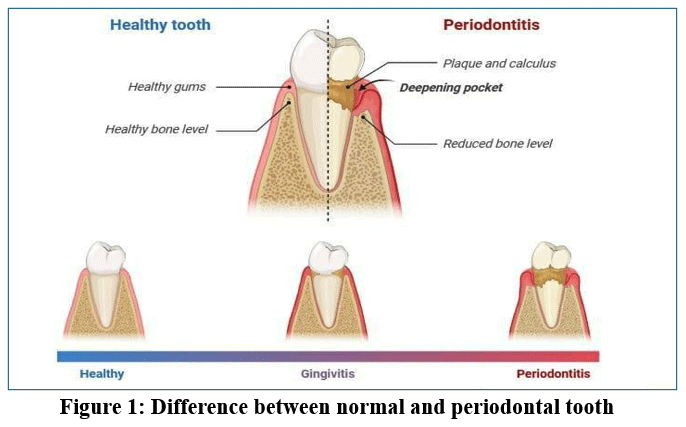 |
Figure 1: Difference between normal and periodontal tooth.
|
Introduction to plant-derived exosomes and their significance
morphology and functional traits. Nanoparticles made from plants that can be eaten, like as carrots, ginger, grapes, and grapefruit possess anti-inflammatory qualities.18 Citrus fruits contain hesperidin, a flavanone and have a wide range of pharmacological characteristics. Hesperidin possess induced hepatoprotective qualities. Through various methods, like boosting the activity of nuclear factor-like 2/antioxidant and heme oxygenase 1 both enzymatic and non-enzymatic response elements antioxidants.19
Biogenesis and Composition of Plant-Derived Exosomes
Mechanisms of exosome formation in plants
The formation and release of plant-derived exosomes occur through multiple pathways as shown in (Figure 2). Three routes could lead to the development of PELNs: The multivesicular body (MVB) pathway, vacuole pathway, and EXPO (exocyst-positive organelle) pathway A type of late endosome known as MVBs is created by endocytosis, which takes place following Inward concavity of the cytoplasmic membrane. The lumen of MVBs has several Intraluminal vesicles, or ILVs, are tiny vesicles. MVBs merge with the membrane of the cytoplasm. And discharge their contents (ILVs) into the extracellular space; the vesicles that are released are known as PELNs.20 The MVB pathway is thought to be the primary route for the phenomenon of PELNs. The EXPO pathway is another source of PELN occurrence discovered that Arabidopsis thaliana (A. thaliana) cells have a unique organelle that displays a double-membrane structure that is spherical and resembles autophagosomes.21 This Single-membrane vesicles can be released when an organelle fuses with the plasma membrane. Researchers now generally agree that the EXPO pathway could be mediated by the EXPO’s fusion with the cell’s plasma membrane following its formation, followed by the PELNs are released into the extracellular space.22 In recent years, an increasing number Researchers have discovered that vesicles in plant cells, in addition to the MVB and EXPO pathways, might also play a role in PELN formation.23 The production and release process of plant-derived exosomes, including vesicle formation and secretion into the extracellular environment, is illustrated in (Figure 3).
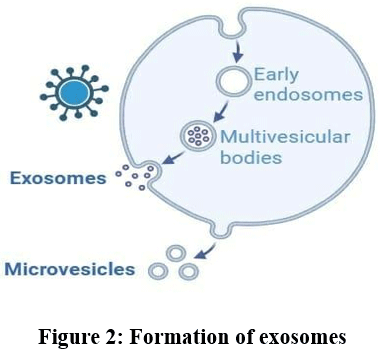 |
Figure 2: Formation of exosomes
|
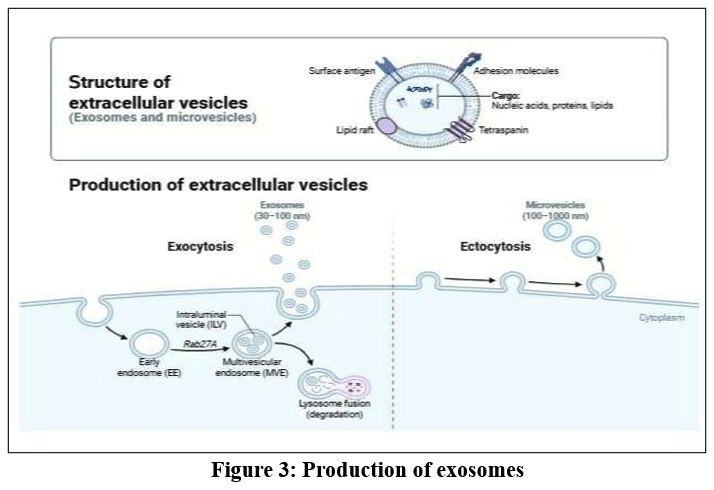 |
Figure 3: Production of exosomes
|
Molecular constituents: proteins, lipids, RNAs, and other bioactives
Typically, plant-derived exosome-like nanoparticles (PELNs) would include a number of components, including as lipids, proteins, and genetic components like microRNAs (miRNAs), as was evident .A portion of the exosome serves a purpose in the bioactivities ; the protein profile, for instance, will ascertain The lipid is essential for an effective uptake mechanism. Cell absorption, whereas the miRNAs would change the gene expression in the PDEN-absorbing cells has a unique content of miRNAs.24,26
Proteins
It was discovered that PELNs had a low concentration of the majority of which were cytosolic proteins, specifically membrane proteins, actin, and proteases that could serve as a transporter and channel inside the membrane itself, including chloride channels and aquaporins.
Lipids
PELNs’ lipid composition and structure were crucial. Crucial in supporting the intestinal system’s special absorption of it PELNs tended to have phospholipids in high concentration, but Choles had a lot of exosomes derived from mammals. Both sphingomyelin and Garlic and grapefruit nanoparticles are primarily had phosphatidylcholine (PC) as their primary lipid; nevertheless, turmeric and ginger nanoparticles primarily included phosphatidic acid (PA) as their primary component.29
miRNA
MiRNAs are a type of small RNA that is approximately 22 nt, devoid of coding attributes whose primary purposes were to control cleavage in order to modify gene expression or preventing miRNA translation.25
The molecular composition of PELNs, including proteins, lipids, and RNAs, is depicted in (Figure 4).
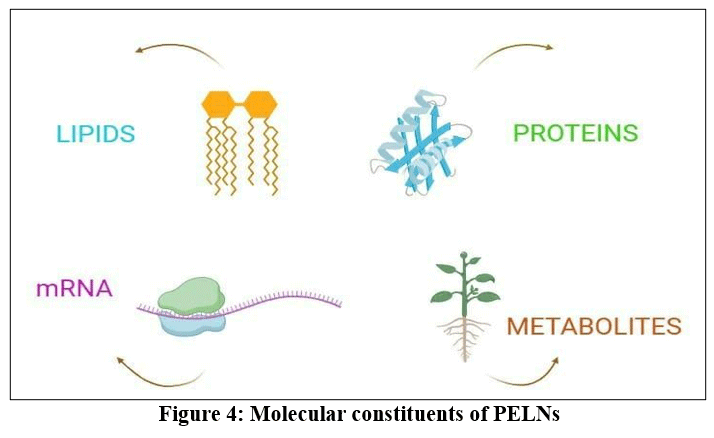 |
Figure 4: Molecular constituents of PELNs
|
Comparison with mammalian-derived exosomes
Mammalian derived vesicles that are extracellular and derived from the mammalian cells Exosomes are also known as exovesicles, ectosomes, or exosome-like Vesicles are uniformly shaped structures covered in membranes. They are made up of a specific number of proteins, particularly the flotillin, TSG101, CD81, CD82, CD9, and CD63, and the tetraspanin family Heat-shock proteins (HSP90, HSP70, HSPA5, CCT2, and HSP60) Sphingomyelin makes up exosomal membranes. Ceramide, phosphatidylethanolamine, phosphatidylinositol, cholesterol, such as phosphatidylserine Plant derived VEs derived from plants are diverse vesicle groups. Having a variety of roles, primarily multivesicular bodies (MVBs), vacuoles, autophagosomes, and exocyst positive organelles, or EXPOs. The nanovesicles made from plants have a size of typically ranges from 50 to 1,000 nm, though this varies by plant. source and method of isolation. Plant-based Extracellular vesicles carry a variety of cargos, including various biomolecules, including lipids, proteins, small RNAs, and nucleic acids, and are mostly made up of phosphatidic acid, Di-galactosyl diacylglycerol, phosphatidylcholine, and Phytosterols and monogalactosyldiacylglycerol.27,28
Therapeutic Properties of PELNs
Anti-inflammatory effects: modulation of cytokines like IL-1β, IL-6, and TNF-α
An important part of the immune system is played by macrophages. The onset and progression of periodontitis are mediated by the M1 and M2 polarization of macrophages. TNF-α is one of the anti-inflammatory substances produced by M1 macrophages and IL-6, to kill bacteria, cause inflammation, and activate osteoclasts, which will ultimately result in resorption of the alveolar ridge. However, M2 macrophages result in transforming growth. IL-10 and TGF-β, which have thrombotic and anti-inflammatory effects. Additionally, they stimulate the production of new bone tissue by osteoblasts. GELNs in macrophages inhibit the NLRP3 inflammasome from coming together. Additionally, ginseng-derived ELNs decrease M2-like IL-4 and IL-13-induced macrophage polarization and increased cytokine production TNF-α, IL-12, and IL-6 are among the substances connected to M1 macrophages. Several studies have shown that ELNs made from grapefruit, carrots, ginger, blueberries, and the anti-inflammatory qualities of grapefruit. As a component of the body’s innate immune system, inflammation occurs when exposed to external agents’ stimuli. The first line of defense is provided by macrophages through the release of pro-inflammatory cytokines (TNF-α, IFN-γ, IL-1β, and cellular signaling molecules, and IL-6), and inflammatory mediators (NO, PGE2, and COX-2) Continuous inflammation can lead to chronic inflammatory diseases such as cancer, diabetes, and heart disease. One strategy for controlling chronic inflammation is the use of anti-inflammatory drugs.28 PELNs exhibit anti-inflammatory activity by modulating cytokines such as IL-6 and TNF-α (Figure 5).
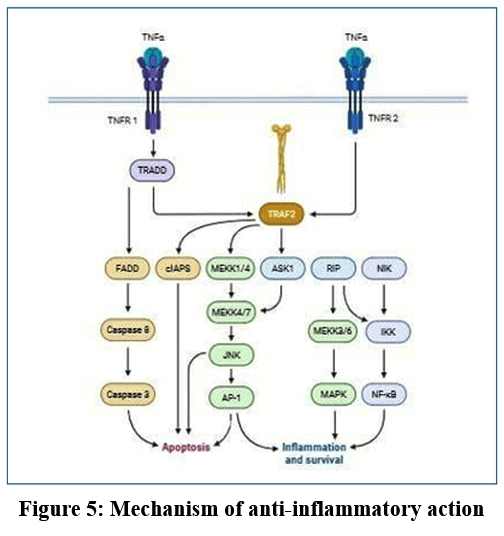 |
Figure 5: Mechanism of anti-inflammatory action
|
Antioxidant capabilities and redox balance restoration
Antioxidant defense mechanisms have evolved in plants to shield them from a variety of oxidative stressors in the environment and plants that contain therapeutic antioxidants Since ancient times, antioxidant properties have been used to treat a wide range of illnesses. Additional Several antioxidants that are directly extracted from therapeutic plants have recently been utilized to treat illnesses linked to oxidative stress, nutrients, especially vitamins C and E, Carotenoids and phenolic compounds are two of the main antioxidants derived from plants utilized to treat a number of illnesses. Antioxidants derived from plants can be extracted using a variety of techniques, such as Soxhlet extraction, hydrothermal extraction, sonication, as well as maceration. Aloe aponaria phytochemicals were extracted by which, through maceration in ethanol, has antioxidant and anti-inflammatory properties.30,31
Antimicrobial actions against periodontal pathogens
consequences of herbal remedies to treat periodontal disease. One type of this is Curcuma longa, another name for turmeric, is a plant that belongs to the family Zingiberaceae. The function of curcumin in suppressing toll-like receptor activity has caused it to be recognized and expanded as a possible medicinal substance for regulating or halting periodontitis .This study’s goal was to examine the effectiveness of subgingival 1% extract (CLE) of Curcuma longa L. as a supplement to mechanical dental hygiene techniques and Compare it to a solution of 0.2% chlorhexidine (CHX). The best antiplaque agent available.32-34
Promotion of tissue regeneration and healing processes
The biological processes of tissue regeneration and repair are intricate and involve several PDVLNs) demonstrate a variety of biological processes, including encouraging cell migration, proliferation, Angiogenesis, immunomodulation, antioxidation, antiapoptosis, differentiation, and microbiota regulation—which supports their potential as a treatment for a variety of disease modes . These processes influence recipient cells and promote intercellular communication behavior, and establish a microenvironment that supports regeneration and repair. We examine in detail below how these mechanisms can be applied therapeutically, arranged according to particular tissue types and related illnesses.34,35 The role of plant-derived exosomes in promoting tissue regeneration and healing processes, including cell proliferation and angiogenesis, is depicted in (Figure 6).
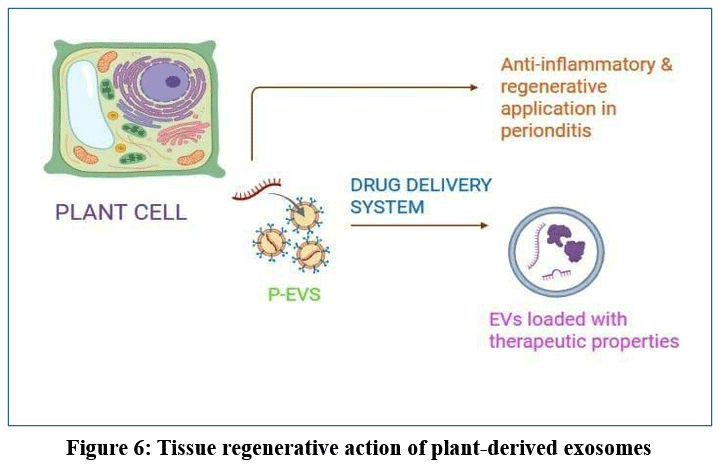 |
Figure 6: Tissue regenerative action of plant-derived exosomes
|
Mechanisms of Action in Periodontal Therapy
Interaction with host immune cells and modulation of immune responses
HMT’s objective is to control the immune response in an effort to stop or lessen tissue damage, where hemostasis occurs between the community of polymicrobial organisms and the immune response of the host. As our understanding of the various inflammatory processes that contribute to periodontal tissue damage and inflammation, we may be able to determine therapeutic substitutes to be used in addition to mechanical debridement. The study on anti-cytokine medication use for the goal of the studies was to manage periodontitis by chance. Examining these medications’ effects in order to determine how effective they were on the results of rheumatoid arthritis (RA). RA and periodontitis have comparable inflammatory pathways, where an excess of TNF-α and IL-6, two pro-inflammatory cytokines, have been implicated in both conditions’ pathogenesis. Some studies even suggest a reciprocal relationship between these two long-term inflammatory diseases. Given this knowledge, it is reasonable to hypothesize that medications currently used for RA management might be applied as adjunct treatments for the control of periodontal disease.36,37
Inhibition of pathogenic bacterial adhesion and biofilm formation
Since bacteria are ubiquitous in nature, it is not surprising that the oral cavity contains hundreds of various microbe species. Numerous oral bacteria have evolved a distinct biofilm formation as a means of survival that emerge from the planktonic state and form a collective for the purpose of creating surface-bound “communities sometimes referred to as dental plaque. These additionally, microbial communities generate a matrix of extracellular polymeric substances (EPS), or cellular polymeric substances, are composed of nucleic acids, polysaccharides, and proteins, which creates protection and encourages bacterial adherence from outside sources like salivary glands and antibiotics. Flow 40 percent or more of the dry weight of Polysaccharides, which make up oral biofilms, are primarily glucans produced by microbial glucosyltransferases.38,39
Delivery of therapeutic molecules to periodontal tissues
A polymer typically forms polymeric microparticles. Matrix that allows for the immobilization of a smaller quantity of an active compound. Both natural and synthetic polymers can be used to create micro- and nanospheres, which can be Whether biodegradable or not. Biodegradable polymers are among the ones used for microencapsulation. Polymers like poly (lactide) (PLA), poly (d,l-lactide-coglycolide) (PLGA), and poly-hydroxyalkanoates.39
Preclinical and Clinical Evidence
Summary of in vitro studies demonstrating PELNs’ efficacy
The anti-inflammatory properties of caffeic acid phenethyl were investigated in an in vitro study. CAPE on human gingival fibroblasts induced by lipopolysaccharide (cells found in soft tissue of the periodontal region). One of the primary active ingredients in propolis is CAPE and possesses a number of well-known bioactivities, including antioxidant and immune regulation, antitumor and anti-inflammatory properties. CAPE suppressed the inducible Interleukin (IL-8 and IL-6), cyclooxygenase 2 (COX-2), and nitric oxide synthase (iNOS) inhibition of protein kinase B (AKT) and phos-production in a dose-dependent manner phosphorylation of phosphatidylinositol 3 kinase (PI3K). In vitro testing was done to see if purified bee venom could lower in-P. gingivalis causes inflammatory periodontitis, while receptor activator of nuclear factor-kappa B ligand signaling (RANKL) causes osteoclast differentiation. The outcomes demonstrated that administering 100 µg/kg of bee venom decreased inflammatory bone loss-related P. gingivalis-induced periodontitis decreased IL-1β and tumor necrosis expression in vivo sis factor (TNF)-α.41-43
Animal model studies showcasing periodontal regeneration
effects of curcumin (100 mg/kg) on the development of experimental Parkinson’s disease in diabetic rats. Cotton ligature was used to induce the PD model. In the second mandibular molar and around the first maxillary molar. A streptozotocin injection was administered given to the animals peritoneally to cause experimentation mental illness. Curcumin was taken orally every day gavage for 30 days. The findings showed that natural curcumin decreases the loss of alveolar bone and positively regulates the as the disease progresses, the osteoimmune inflammatory process. Remarkably, Zambrano et al30 look into the regional delivery of nanoparticles loaded with curcumin in an experimental model of Parkinson’s disease. An Escherichia coli bacterium model an injection of bacterial lipopolysaccharide (LPS) was utilized to cause PD. Two local injections of curcumin nanoparticles were made every week for four weeks, in the mucosa surrounding the maxillary first molar. Radiographic evaluation (micro-CT) revealed a notable decrease in alveolar bone loss caused by LPS in animals given curcumin nanoparticle treatment fragments.40,44-46
Current status of clinical trials and human studies
The quantity of clinical trials conducted in recent years has stayed comparatively steady, peaking in 2024, even though the decrease during the previous two years might be,because of the COVID19 pandemic’s effects. These clinical trials span various stages of the research process, including specifically Phase II and later , with Phase IV trials predominating, with 69 studies concentrating on post-market monitoring and security. Phase III trials consist of 66 trials (17.5%) confirming effectiveness, whereas Phase II trials additionally constitute a noteworthy percentage (50 studies, 20.1%). The smaller percentage of early-stage trials could suggest that the market is saturated or that early investigation. Phase I and Phase 0 trial proportions are 7.2% (18 studies) and 9.6% (24 studies), in that order. Fortunately, the majority of clinical trials are finished and will soon be used in clinical settings, signifying a new breakthrough through the treatment of periodontitis. Especially goods like aloe vera, resveratrol, curcumin, and so Continue. As studies on oral microbiota continue to expand,The gradual emergence of probiotics, prebiotics, and related products emphasizes their role in inflammation.47,48
Advantages of PELNs over Conventional Therapies
Biocompatibility and reduced immunogenicity
Biological activities focused on periodontitis prevention and Inflammation is part of the treatment and regeneration of periodontal tissues. Regulation, antibacterial, immune-regulation, osteogenesis, Periodontal ligament regeneration and angiogenesis. Scaling and Root planing (SRP), the gold standard method for dental plaque removal, has a significant antibacterial effect, and inhibits the emergence of periodontal diseases . But the complex root the anatomy and recolonization of microbiota limit the efficacy of SRP. Regenerative surgeries were used to promote Osteogenesis and periodontal ligament regeneration.48
Sustainable and eco-friendly production
Because they come into direct contact with DDS, the surface of NMs integrated with DDS is crucial the organs and bodily fluids. The NMs coated with hydrophilic polymers remain in the blood for a long time circulation and carries out site-specific delivery when their interactions with medications break down by encircling the enzymes and pH. Generally speaking, naturally occurring polymers like polysaccharides, polypeptides, polyamino acids, starch, collagen, alginate, and gelatin, Enzymatic conditions are known to degrade cellulose, chitosan, and elastin. Plants and animals are both good sources of these natural polymers. For instance, It is possible to obtain cellulose from both bacteria and plants. Bacteria or plant derivatives arthe primary sources of nanocellulose materials (nanocrystals or nano size cellulose fibres). Certain bacterial species, including Sarcina, Agrobacter, and Gluconacetobacter, are known to be able to produce cellulose that is extremely pure and retains water. Because of the challenges in these natural polymers were cross-linked at the surface of nanoparticle medications in order to prepare NMs as well as imaging agents.49,50,51
Potential for targeted delivery and controlled release
The composition of plant ELNs is delicate and complex, with a lipid bilayer encasing a wide variety of bioactive substances. These nanoparticles (NPs) are made up of metabolites, proteins, lipids, and nucleic acids. Using a size They exhibit remarkable versatility within the range of 30 to 150 nanometers, making them perfect for intercellular transport.17 Plant ELNs can encapsulate and transport a variety of cargoes due to their diverse composition, which facilitates their participation in a variety of biological functions.51
Challenges and Future Perspectives
Standardizing isolation and purification methods is one of the main obstacles. Presently, various research teams employ disparate techniques like filtration, precipitation, and ultracentrifugation, which results in variations in biological activity, yield, and purity. The development of cost-effective, scalable, and reproducible techniques is crucial for clinical translation. Storage and stability present yet another significant obstacle. Biologically derived nanostructures known as PELNs may be sensitive to changes in pH, temperature, and storage conditions. It takes the best preservation methods to keep them bioactive and structurally sound over time. Plant-derived exosome-like nanoparticles (PELNs) are a relatively new field with enormous potential to transform periodontal therapy. For PELNs to have consistent quality, stability, and bioactivity, future studies should concentrate on standardizing the techniques for isolation, purification, and characterization. Developing precise procedures will be necessary to convert lab results into products that are clinically trustworthy. Advanced delivery systems that can improve PELNs’ ability to target particular periodontal tissues are another crucial avenue. A controlled and sustained release of therapeutic molecules may be achievable by modifying the surface characteristics of PELNs or by combining them with biomaterials and scaffolds, which would maximize the clinical benefits. To assess long-term safety, immunogenicity, pharmacokinetics, and therapeutic efficacy in humans, extensive preclinical and clinical research is necessary. To speed up clinical translation, cooperation between researchers, physicians, regulatory agencies, and the pharmaceutical sector will be essential. Further understanding of the molecular mechanisms behind PELN-mediated effects can also be gained by combining omics technologies (such as proteomics, genomics, and metabolomics). This information will help with the development of precise and tailored periodontal treatments. Last but not least, the environmentally responsible and sustainable manufacturing of PELNs presents chances to match advancements in oral healthcare with international environmental objectives. PELNs have the potential to become a common, all-natural, and successful treatment approach for periodontitis and other inflammatory oral diseases with further interdisciplinary research and technological developments.
Conclusion
Exosome-like nanoparticles derived from plants (PELNs) offer a viable, long-lasting, and biocompatible therapeutic option for the treatment of periodontitis. Proteins, lipids, and regulatory RNAs make up their distinct biological makeup, which allows them to have a variety of effects such as promoting tissue regeneration, modifying inflammatory pathways, promoting antimicrobial activity, and exhibiting antioxidant activity. PELNs overcome a number of the drawbacks of traditional periodontal treatments by reducing the formation of harmful biofilms, regulating the immune system, and delivering bioactive molecules precisely. Their effectiveness in lowering inflammation, encouraging bone regeneration, and enhancing periodontal healing results is supported by preclinical research and new clinical studies. Furthermore, the fact that they are derived from plants guarantees low immunogenicity, economical, and environmentally friendly widespread production. Notwithstanding these benefits, there are still issues with regulatory approval, large-scale production, dosage optimization, and standardization of isolation techniques. In order to apply these findings to standard clinical practice, future research should concentrate on clarifying specific mechanisms of action, developing standardized therapeutic protocols, and carrying out thorough clinical trials. All things considered, PELNs present a fresh approach to green nanomedicine that combines the advantages of conventional natural products with cutting-edge nanotechnology, and they have great potential for the prevention and management of periodontitis.
Acknowledgement
The authors would like to thank GES’s Sir Dr. M. S. Gosavi College of Pharmaceutical Education and Research, Nashik, for providing the necessary support and facilities.
Funding Sources
The author(s) received no financial support for the research, authorship, and/or publication of this article.
Conflict of Interest
The authors do not have any conflict of interest.
Data Availability Statement
This statement does not apply to this article.
Ethics Statement
This research did not involve human participants, animal subjects, or any material that requires ethical approval.
Informed Consent Statement
This study did not involve human participants, and therefore, informed consent was not required.
Clinical Trial Registration
This research does not involve any clinical trials.
Permission to reproduce material from other sources
Not Applicable.
Author Contributions:
- Yash Sonaram Choudhari: Conceptualization, Data Collection
- Aditi Mangesh Metkar: Original Draft, Review
- Ritesh Sandeep Morankar: Editing
- Sneha Krishna Poojari: Literature Review
- Samiksha Shantaram Lokhande: Analysis
- Unmesh Gulabrao Bhamare: Supervision
- Sunil Vilas Amrutkar: Project Administration
References
- Hoy D, Brooks P, Woolf A. Assessing risk of bias in prevalence studies: modification of an existing tool and evidence of interrater agreement. Journal of clinical epidemiology. 2012 Sep 1;65(9):934-9.
CrossRef - Martínez-García M, Guerrero A, Martínez D. Periodontal inflammation and systemic diseases: from local to global impact. Front Physiol. 2021;12:709438.
CrossRef - Zhang M, Liu Y, Afzali H, Graves DT. An update on periodontal inflammation and bone loss. Frontiers in Immunology. 2024 Jun 11;15:1385436.
CrossRef - Sedghi LM, Bacino M, Kapila YL. Periodontal disease: the good, the bad, and the unknown. Frontiers in cellular and infection microbiology. 2021 Dec 7;11:766944.
CrossRef - Bosshardt DD. The periodontal pocket: pathogenesis, histopathology and consequences. Periodontology 2000. 2018 Feb;76(1):43-50.
CrossRef - Sharma K, Rai R. Prevalence of aggressive periodontitis in Moradabad population with their systemic manifestations: A cross sectional survey. Sch J Appl Med Sci. 2014;2:384-94.
- Farahmand A, Sayar F, Omidali Z, Soleimani M, Esfahani BJ. Efficacy of 2% ibuprofen subgingival irrigation as an adjunct to non-surgical therapy in the treatment of chronic periodontitis: A randomized controlled, split-mouth, clinical trial. Journal of Advanced Periodontology & Implant Dentistry. 2019 Dec 18;11(2):69.
CrossRef - Sambunjak D, Nickerson JW, Poklepovic T. Flossing for the management of periodontal diseases and dental caries in adults. Cochrane Database of systematic reviews. 2011(12).
CrossRef - Berchier CE, Slot DE, Haps S, Van der Weijden GA. The efficacy of dental floss in addition to a toothbrush on plaque and parameters of gingival inflammation: a systematic review. International journal of dental hygiene. 2008 Nov;6(4):265-79.
CrossRef - Lamont TJ, Clarkson JE, Ramsay CR. Outcome measures in Cochrane reviews and protocols for the prevention and treatment of periodontal disease. Trials. 2015 May 29;16(Suppl 1):P32.
CrossRef - Omidian H, Cubeddu LX, Wilson RL. Peptide-Functionalized Nanomedicine: Advancements in Drug Delivery, Diagnostics, and Biomedical Applications. Molecules. 2025 Mar 31;30(7):1572.
CrossRef - Jiang L, Ding L, Liu G. Nanoparticle formulations for therapeutic delivery, pathogen imaging and theranostic applications in bacterial infections. Theranostics. 2023 Mar 5;13(5):1545.
CrossRef - Parvin N, Joo SW, Mandal TK. Nanomaterial-based strategies to combat antibiotic resistance: mechanisms and applications. Antibiotics. 2025 Feb 18;14(2):207.
CrossRef - Mei L, Zhang Y, Wang K, Chen S, Song T. Nanomaterials at the forefront of antimicrobial therapy by photodynamic and photothermal strategies. Materials Today Bio. 2024 Dec 1;29:101354.
CrossRef - Sayar F, Karimi MR, Boroujerdi S. Efficacy of antimicrobial photodynamic therapy with chitosan nanoparticles for decontamination of dental implants contaminated with Aggregatibacter actinomycetemcomitans. Scientific Reports. 2025 Oct 1;15(1):34213.
CrossRef - Reynolds MA, Aichelmann-Reidy ME, Branch-Mays GL. Regeneration of periodontal tissue: bone replacement grafts. Dental Clinics. 2010 Jan 1;54(1):55-71.
CrossRef - Chen YF, Luh F, Ho YS, Yen Y. Exosomes: A review of biologic function, diagnostic and targeted therapy applications, and clinical trials. Journal of biomedical science. 2024 Jul 11;31(1):67.
CrossRef - Mu N, Li J, Zeng L, et al. Plant-derived exosome-like nanovesicles: current progress and prospects. International Journal of Nanomedicine. 2023 Sep 5;18:4987-5009.
CrossRef - Zhang M, Viennois E, Xu C, Merlin D. Plant derived edible nanoparticles as a new therapeutic approach against diseases. Tissue barriers. 2016 Apr 2;4(2):e1134415.
CrossRef - Mahmoud AM, Mohammed HM, Khadrawy SM, Galaly SR. Hesperidin protects against chemically induced hepatocarcinogenesis via modulation of Nrf2/ARE/HO-1, PPARγ and TGF-β1/Smad3 signaling, and amelioration of oxidative stress and inflammation. Chemico-Biological Interactions. 2017 Nov 1;277:146-58.
CrossRef - Bai C, Zhang X, Li Y. Research status and challenges of plant-derived exosome-like nanoparticles. Biomedicine & Pharmacotherapy. 2024 May 1;174:116543.
CrossRef - Osteikoetxea X, Silva A, Lázaro-Ibáñez E. Engineered Cas9 extracellular vesicles as a novel gene editing tool. Journal of extracellular vesicles. 2022 May;11(5):e12225.
CrossRef - Wang J, Ding Y, Wang J. EXPO, an exocyst-positive organelle distinct from multivesicular endosomes and autophagosomes, mediates cytosol to cell wall exocytosis in Arabidopsis and tobacco cells. The Plant Cell. 2010 Dec 1;22(12):4009-30.
CrossRef - Jin Z, Na J, Lin X, Jiao R, Liu X, Huang Y. Plant-derived exosome-like nanovesicles: A novel nanotool for disease therapy. Heliyon. 2024 May 15;10(9).
CrossRef - Lange H, Gagliardi D. Catalytic activities, molecular connections, and biological functions of plant RNA exosome complexes. The Plant Cell. 2022 Mar 1;34(3):967-88.
CrossRef - Hao S, Yang H, Hu J, Luo L, Yuan Y, Liu L. Bioactive compounds and biological functions of medicinal plant-derived extracellular vesicles. Pharmacological Research. 2024 Feb 1;200:107062.
CrossRef - Sergazy S, Adekenov S, Khabarov I, Adekenova K, Maikenova A, Aljofan M. Harnessing Mammalian-and Plant-Derived Exosomes for Drug Delivery: A Comparative Review. International journal of molecular sciences. 2025 May 19;26(10):4857.
CrossRef - Iriawati I, Vitasasti S, Rahmadian FN, Barlian A. Isolation and characterization of plant-derived exosome-like nanoparticles from Carica papaya L. fruit and their potential as anti-inflammatory agent. PloS one. 2024 Jul 3;19(7):e0304335.
CrossRef - Li DF, Tang Q, Yang MF. Plant-derived exosomal nanoparticles: potential therapeutic for inflammatory bowel disease. Nanoscale Advances. 2023;5(14):3575-88.
CrossRef - Di Raimo R, Mizzoni D, Spada M, Dolo V, Fais S, Logozzi M. Oral treatment with plant-derived exosomes restores redox balance in H2O2-treated mice. Antioxidants. 2023 May 29;12(6):1169.
CrossRef - Kim M, Jang H, Kim W, Kim D, Park JH. Therapeutic applications of plant-derived extracellular vesicles as antioxidants for oxidative stress-related diseases. Antioxidants. 2023 Jun 16;12(6):1286.
CrossRef - Spacciapoli P, Buxton D, Rothstein D, Friden P. Antimicrobial activity of silver nitrate against periodontal pathogens. Journal of periodontal research. 2001 Apr;36(2):108-13.
CrossRef - Griauzdyte V, Jagelaviciene E. Antimicrobial activity of zinc against periodontal pathogens: a systematic review of in vitro studies. Medicina. 2023 Nov 28;59(12):2088.
CrossRef - Enigk K, Jentsch H, Rodloff AC, Eschrich K, Stingu CS. Activity of five antimicrobial peptides against periodontal as well as non-periodontal pathogenic strains. Journal of Oral Microbiology. 2020 Jan 1;12(1):1829405.
CrossRef - Wang Q, Huang Z, Guo J. Plant-Derived Vesicle-like Nanoparticles: Pioneering Sustainable and Effective Approaches for Tissue Repair and Regeneration. Biomolecules. 2025 Jul 22;15(8):1055.
CrossRef - Bezerra B, Monajemzadeh S, Silva D, Pirih FQ. Modulating the immune response in periodontitis. Frontiers in Dental Medicine. 2022 May 13;3:879131.
CrossRef - Hajishengallis G, Chavakis T, Lambris JD. Current understanding of periodontal disease pathogenesis and targets for host‐modulation therapy. Periodontology 2020 Oct;84(1):14-34.
CrossRef - Álvarez S, Leiva-Sabadini C, Schuh CM, Aguayo S. Bacterial adhesion to collagens: implications for biofilm formation and disease progression in the oral cavity. Critical reviews in microbiology. 2022 Jan 2;48(1):83-95.
CrossRef - Viglianisi G, Santonocito S, Lupi SM. Impact of local drug delivery and natural agents as new target strategies against periodontitis: new challenges for personalized therapeutic approach. Therapeutic Advances in Chronic Disease. 2023 Sep;14:20406223231191043.
CrossRef - Pellegrini G, Seol YJ, Gruber R, Giannobile WV. Pre-clinical models for oral and periodontal reconstructive therapies. Journal of dental research. 2009 Dec;88(12):1065-76.
CrossRef - Hajishengallis G, Hajishengallis E, Kajikawa T. Complement inhibition in pre-clinical models of periodontitis and prospects for clinical application. InSeminars in immunology 2016 Jun 1 (Vol. 28, No. 3, pp. 285-291). Academic Press.
CrossRef - Alshibani N. Resolvins as a treatment modality in experimental periodontitis: a systematic review of preclinical studies. Cureus. 2022 Jan 10;14(1).
CrossRef - Li Q, Yang G, Li J. Stem cell therapies for periodontal tissue regeneration: a network meta-analysis of preclinical studies. Stem cell research & therapy. 2020 Oct 2;11(1):427.
CrossRef - Kumar M, Prakash S, Radha. Apitherapy and Periodontal Disease: Insights into In Vitro, In Vivo, and Clinical Studies. Antioxidants. 2022;11:823.
CrossRef - Struillou X, Boutigny H, Soueidan A, Layrolle P. Experimental animal models in periodontology: a review. The Open Dentistry Journal. 2010;4:37-47.
CrossRef - Li Z, Li J, Huang X. Clinical trial landscape for periodontitis treatment: trend analysis and future perspectives. Journal of Translational Medicine. 2024;22:907.
CrossRef - Christodoulides N, Nikolidakis D, Chondros P. Photodynamic therapy as an adjunct to non‐surgical periodontal treatment: a randomized, controlled clinical trial. Journal of periodontology. 2008 Sep;79(9):1638-44.
CrossRef - Li Y, Wang Y, Zhao H, Pan Q, Chen G. Engineering strategies of plant-derived exosome-like nanovesicles: current knowledge and future perspectives. International Journal of Nanomedicine. 2024 Dec 31:12793-815.
CrossRef - Hano C, Abbasi BH. Plant-based green synthesis of nanoparticles: Production, characterization and applications. Biomolecules. 2021 Dec 25;12(1):31.
CrossRef - Kiarashi M, Mahamed P, Ghotbi N, et al. Spotlight on therapeutic efficiency of green synthesis metals and their oxide nanoparticles in periodontitis. Journal of nanobiotechnology. 2024 Jan 5;22(1):21.
CrossRef - Feng H, Yue Y, Zhang Y. Plant-derived exosome-like nanoparticles: emerging nanosystems for enhanced tissue engineering. International Journal of Nanomedicine. 2024 Dec 31:1189-204.
CrossRef
 PlumX:
 Views: 804 Views
  PDF Downloads:
244
PDF Downloads:
244 Accepted on: 02-06-2026
Second Review by: Dr. Supriya Mhamane
Final Approval by: Dr. Wagih Ghannam