Formulation and Optimization of Millet – Legume Extruded Snack Using Response Surface Methodology
 , Pugazhmalar and Sufiya Fatheema Abdul Salam
 PG Department of Home Science - Food Science, Nutrition, and Dietetics, Shrimathi Devkunvar Nanalal Bhatt Vaishnav College for Women (Autonomous), Chennai, India
Corresponding Author E-mail: subalasairam14@gmail.com
DOI : http://dx.doi.org/10.13005/bbra/3531
Download this article as:

Generational shifts and time constraints have driven consumer demand for convenient, nutrient-rich foods. Extrusion technology enables the creation of innovative functional snacks while preserving essential nutrients. This study aims to formulating a novel, nutrient-enriched extruded snack using underutilized grains such as Thooyamalli rice (Oryzasativa L) Horse gram (Macrotylomauniflorum(Lam) Verdc.), Prosomillet(Panicummiliaceum L.). Response Surface Methodology (RSM) was used to maximise important extrusion parameters, such as screw speed and barrel temperature, to evaluate multiple dependent variables such as physical properties and consumer acceptability. The optimized model exhibited a strong correlation with bulk density (R² = 0.7), expansion ratio (R² = 0.9), and overall sensory approval (R² = 0.8). The developed extruded snack demonstrated desirable textural attributes, including reduced hardness, enhanced crunchiness, and increased porosity. Microbial analysis confirmed its safety for consumption, and sensory evaluation yielded the highest acceptance score. Nutritional analysis has demonstrated statistically significant improvement (p < 0.05) in the nutritional composition of the snack in comparison with the control mixture (broken rice, soya flour, sorghum millet). There was an increase in protein, amounting to 48.96%; in dietary fiber – by 7.62%; phenols reached 34.21 mg/g ± 0.17; antioxidants are 33.91 mg/g ± 0.07, which demonstrates health advantages. The snack is richer in zinc than the control mixture, and it contains 6.53 mg/100g ± 0.04, which is 430.89% more than in the control sample. Moreover, there were increases in iron content by 194.02% and magnesium – 1547.22%. The balanced content of saturated and unsaturated fats contributes to the healthy properties of the snack. Stability test indicated microbiological and chemical safety during 30 days, which speaks in favor of sustainable nutrition. Overall, this innovation is aimed at promoting a healthy lifestyle and improving people's well-being.
KEYWORDS:Bioactive compounds; Extruded snack; Extrusion cooking; Millet-based snack; Response surface methodology; Snack optimization
Introduction
Modern dietary behaviours have been significantly influenced by generational shifts, evolving lifestyles, and increasing time constraints. Consequently, there is growing consumer demand for ready-to-eat foods that are not only convenient but also nutritionally rich and therapeutically beneficial.1 To meet this demand, extrusion technology is widely employed. By deactivating enzymes, lowering microbial burden, and getting rid of ant-nutritional elements, this high-temperature, short-time (HTST) procedure improves food safety. Additionally, it enhances shelf life, texture, and nutritional qualities, making it an affordable and versatile method for developing value-added products.2
Thooyamalli rice, sprouted horsegram, and proso millet were selected as the primary raw materials for the development of an extruded snack, owing to their traditional significance and notable nutritional and functional profiles, including antioxidant potential, protein richness, and metabolic health benefits.3
To optimise the extrusion process, Response Surface Methodology (RSM) was applied using Design Expert software. A Central Composite Design (CCD) was employed with barrel temperature (A) and screw speed (B) as independent variables, coded from -1 to 1. These variables were initially identified through Plackett-Burman design (PBD). The response variables bulk density and expansion ratio were assessed to enhance the functional quality of the extrudates.4
Materials and Methods
Procurement of Raw Materials
The fundamental components like Thooyamalli rice (Oryzasativa L) Horse gram (Macrotylomauniflorum(Lam) Verdc.), Prosomillet(Panicummiliaceum L.), Ricebran oil, salt and pepper were procured from the YAA ORGANICS market.
Pre-processing
Thooyamalli rice and Proso millet were washed, sun-dried, milled, and sieved to obtain fine flours. Horse gram was soaked for 24 hours, germinated for another 24 hours, sun-dried, milled, and sieved. All flours were stored in Ziplock pouches in a cool, dry place for further use.5
Formulation of the Extruded Snack
The extruded snack was formulated using rice flour (65%), sprouted horse gram flour (20%), and proso millet flour (15%), blended thoroughly and conditioned to 12–14% moisture by adding 240 ml of water. The selection of this ratio was based on preliminary trialsand literature support, aiming to achieve optimal extrusion characteristics, nutritional enhancement, and sensory acceptability. Thooyamalli rice was maintained as the primary component due to its high starch content, which supports expansion and texture, while horse gram and proso millet were incorporated to enhance protein, fibre, and mineral content without adversely affecting product quality.Seasonings such as 20g of salt, pepper, and 2% rice bran oil were added before extrusion using a high-shear twin-screw extruder at 110–127°C and 206–235 rpm with a circular die.4 The process was repeated for 13 batches based on RSM runs, ensuring uniform mixing and desired functional properties.6
Experimental design
Response Surface Methodology (RSM) was employed to examine the combined effects of barrel temperature and screw speed on the characteristics of extruded snacks. A Central Composite Design (CCD) with three levels and two variables was implemented, where the independent variables—barrel temperature (A) and screw speed (B)—were coded from -1 to 1 based on prior studies and preliminary trials. The CCD matrix and the resulting responses, including bulk density, expansion ratio, and overall acceptability, were analyzed using Design Expert software version 13.4Table 1 represents the Central Composite Design (CCD) matrix along with the experimental outcomes for the response variables, including bulk density, expansion ratio, and overall acceptability of the extruded snack.
Table 1: Experimental ranges and levels of variables in RSM in terms ofactualand coded factors
| Factor | Independent
Variables |
Low
limit |
Low
Coded |
High
Limit |
High
Coded |
| A | Barrel Temperature | 110 | -1 | 127 | 1 |
| B | Screwspeed | 206 | -1 | 235 | 1 |
The barrel temperature (X₁) and screw speed (X₂) were the two quantitatively controlled process variables (independent variables) selected for the study based on prior trials and literature support. The dependent variables—bulk density (Y₁), expansion ratio (Y₂), and overall acceptability (Y₃) were selected as responses to represent the essential physical and sensory characteristics of the extruded snack product.4 The upper and lower limits of the independent variables were defined after preliminary experiments. For each response variable, the observed data were fitted to a second-order polynomial regression model:
Y = β₀ + β₁X₁ + β₂X₂ + β₁₁X₁² + β₂₂X₂² + β₁₂X₁X₂ ……… (1)
Where:
Y = predicted response,
β₀ = intercept,
X₁, X₂ = linear coefficients,
X₁², X₂² = quadratic coefficients,
X₁X₂ = interaction coefficient.
The adequacy of the model was evaluated using the coefficient of determination (R²), F-value, and p-value at a 0.1 significance level. Statistical analysis was conducted using Response Surface Methodology (RSM) through Design Expert software (Version 13, Stat-Ease Inc., 2022). The analysis of variance (ANOVA) was applied to assess the model’s fitness, evaluate the significance of process variables and their interactions, and determine the lack-of-fit relevance for all response variables.
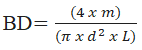
Bulk density
Bulk density (BD) was found out by measurement of extruded products dimension using digital verniercaliper and determined in terms of the ratio of mass to volume of the product and represented in g /cm3.7
Expansion ratio
The ratio of the extrudate’s diameter to the die hole’s diameter is known as the expansion ratio. The extrudates’ diameter was measured using a Vernier calliper with an accuracy of 0.05 mm. The diameter of the expansion ratio was determined by the extrudate divided by the die’s diameter.8

Table 2: Effect of Process Parameters on Physical Properties and overall acceptability
| RUNS | INDEPENDENT VARIABLES | DEPENDENT VARIABLES | |||
| Barrel temperature
(Celsius) |
Screw speed
(rpm) |
Bulk density
g/ml |
Expansion ratio
(mm) |
Overall acceptability | |
| 1 | 118.5 | 220.5 | 0.32 | 17 | 7 |
| 2 | 118.5 | 241.006 | 0.18 | 26 | 8.1 |
| 3 | 118.5 | 220.5 | 0.41 | 16 | 6.9 |
| 4 | 106.479 | 220.5 | 0.24 | 16.97 | 7.8 |
| 5 | 130.521 | 220.5 | 0.33 | 17.67 | 8 |
| 6 | 118.5 | 199.994 | 0.11 | 13 | 5.5 |
| 7 | 118.5 | 220.5 | 0.36 | 17 | 7.05 |
| 8 | 127 | 235 | 0.26 | 23.36 | 8.5 |
| 9 | 118.5 | 220.5 | 0.31 | 16 | 8 |
| 10 | 118.5 | 220.5 | 0.52 | 12 | 7.5 |
| 11 | 110 | 206 | 0.12 | 15.73 | 5 |
| 12 | 127 | 206 | 0.36 | 9 | 7 |
| 13 | 110 | 235 | 0.22 | 23 | 8 |
Physical properties
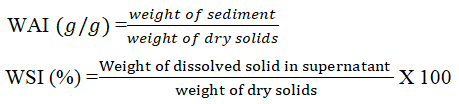
Water Absorption Index (WAI) and Water Solubility Index (WSI)
The Water Absorption Index (WAI) refers to the weight of sediment retained per unit weight of the sample, while the Water Solubility Index (WSI) denotes the weight of dissolved solids in the supernatant. Both indices for the extruded products were determined as per the method described by Costantini.6
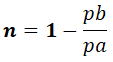
Porosity
Porosity refers to the sponge-like structure formed in extrudates due to steam bubbles created by pressure release at the die, indicating the product’s expansion.9
Texture
Texture Profile Analysis (TPA) was performed using a TA-XT2 texture analyzer to evaluate the textural attributes of extruded snacks. Hardness was measured as the maximum force during compression. Crunchiness was assessed by the number of major peaks using a Kramer shear cell, and fracturability was determined by the first significant force drop using a Warner-Bratzler blade.10 These parameters provide objective insights into the crispness, integrity, and sensory acceptability of the products.
Color
The color of the extruded samples was analysed using a Hunter Lab Scan XE-Spectro colorimeter, with colour expressed as L (lightness), a (redness to greenness), and b (yellowness to blueness) values, and the equipment was calibrated using a standard white porcelain tile before testing.10
Microbial analysis
Microbial analysis of the value-added soup mix was conducted to assess shelf life and product safety. Total bacterial count was determined using Nutrient Agar,11 while yeast and mold count was assessed using Potato Dextrose Agar (PDA) and the streak plate technique.11
Sensory evaluation
Sensory acceptance of the selected extruded samples was evaluated by 22 untrained panelists at ShrimathiDevkunvarNanalal Bhatt Vaishnav College for Women, Chrompet, Tamil Nadu, according to Civille, G. V., &Carr’s description of a 9-point hedonic scale (1 being severely dislike and 9 being extremely like).10,12
Proximate Composition of the extruded snack
The proximate composition of the extruded snack was analyzed for macronutrients and minerals. Moisture and ash were estimated by the gravimetric method, protein by Lowry’s method, fat by the Soxhlet method, carbohydrate by the differential method, energy by the differential method, and dietary fiber by the enzymatic method (AOAC, 2005). Mineral content, including iron, calcium, magnesium, and zinc, was determined using spectrophotometry method.12,13
Functional characteristics
Total phenolic content was determined using Folin-Ciocalteau method with slight modification. The phosphomolybdenum method was used to assess the overall antioxidant capacity.14
Fatty acid composition
Gas chromatography was used to examine the fatty acid content of extruded snacks following methylation with sulphuric acid and sodium methoxide. FAMEs were separated on a TR-FAMEs column, and fatty acids were identified using standard FAMEs. Percentages were calculated from FID peak areas.15
Shelf-Life Analysis of Extruded Snack
The best extrudate product was selected and stored under dry conditions for 30 days. Shelf life was evaluated on the 1st, 15th, and 30th day by assessing rancidity through peroxide value, and microbial quality through total plate count and yeast and mould count using nutrient agar and potato dextrose agar method respectively and titration method was done for peroxide value determination.16
Statistical analysis of data
The mean and standard deviation of the data were determined by statistical analysis. The experiment was designed using completely randomized design (CRD) by using Response surface methodology (RSM) software version 13. Independent t test was evaluated for the proximate and minerals composition at 0.05 level of probability with SPSS software version 23.17
Results
Effect of Processing Parameters on Bulk Density of Extruded Snacks
A crucial quality characteristic of extruded snacks is bulk density, which shows the extent of expansion during processing. In the present study, bulk density ranged from 0.11 to 0.52 g/ml and was significantly influenced by the quadratic effect of screw speed (p< 0.01), with the regression model showing strong predictive ability (R² = 0.78) (table 3). Because of increased expansion, higher barrel temperatures and screw speeds typically resulted in lower bulk densities. Research showed similar results, where higher processing temperatures and screw speeds up the reduction of bulk density in soy-sorghum-rice-based extrudates and brown rice.18
Bulk density = 0.384 + 0.0509099 * A + 0.0123744 * B + -0.05 * AB + -0.04325 * A2 + -0.11325 * B2
Effect of Processing Parameters on Expansion Ratio
The expansion ratio of extrudates ranged between 9 mm and 26 mm, significantly influenced by screw speed (p = 0.0002), while barrel temperature showed no significant effect (p = 0.35). The model was significant (p = 0.0020) with a strong fit (R² = 0.90) and good predictive power (adequate precision = 11.77). Interaction effects were non-significant, but the quadratic effect of screw speed (B²) was notable (p = 0.0444) (table 3). These findings align with studies by Sahuconfirming the critical role of screw speed in expansion.19
Expansion ratio = 15.6 + -0.672506 * A + 5.00185 * B + 1.7725 * AB + 0.700625 * A2 + 1.79062 * B2
Effect of Processing Parameters on Overall Acceptability
Overall acceptability scores ranged from 5 to 8.5, influenced mainly by screw speed (p = 0.0006), which enhanced texture and crispness. The regression model showed a good fit (R² = 0.87), with non-significant lack of fit (p = 0.39) and a strong adequate precision (9.2). Barrel temperature had a minor, non-significant effect (p = 0.08) (table 3), while interaction and quadratic terms were also non-significant. These findings align with studies by emphasizing the dominant role of screw speed in sensory quality.20,21
Overall acceptability = 7.29 + 0.347855 * A + 1.02212 * B + -0.375 * AB + 0.24875 * A^2 + -0.30125 * B^2
Table 3: Regression and ANOVA Analysis of Independent Variables on Product Response Parameters
| Parameter | Bulk Density (Y1) | Expansion Ratio (Y2) | Overall
Acceptability (Y3) |
| Model Sum of Squares | 0.1269 | 240.18 | 11.11 |
| Degrees of Freedom (df) | 5 | 5 | 5 |
| Mean Square (MS) | 0.0254 | 48.04 | 2.22 |
| F-value | 5.12 | 12.88 | 9.47 |
| p-value | 0.0271 * | 0.0020 ** | 0.0051 ** |
| R² | 0.78 | 0.90 | 0.87 |
| Adjusted R² | 0.60 | 0.80 | 0.70 |
| Predicted R² | 0.40 | 0.60 | 0.40 |
| Adequate Precision | 5.6 | 11.8 | 9.2 |
| Lack of Fit F-value | 0.2451 | 0.6899 | 1.27 |
| Lack of Fit p-value | 0.8613 (NS) | 0.6040 (NS) | 0.3982 (NS) |
A-barrel temperature, B-screw speed, df-degrees of freedom, *significant at P<0.05, **significant P<0.01, ***Significant at P<0.0001 NS-Not significant, R2 -coefficient of determination
Selected Optimization Condition
The optimal extrusion conditions were identified as 127°C barrel temperature and 235 rpm screw speed, resulting in a bulk density of 0.24 g/ml, expansion ratio of 24.1, and overall acceptability of 8.23. The desirability value was 0.82, indicating a well-optimized product (table 4). Equal importance was given to physical and sensory parameters during optimization using RSM. Similar optimization success was reported by Alefew.21 The RSM models demonstrated a satisfactory fit to the experimental data, as reflected by the relatively high R² values (0.78–0.90) and non-significant lack of fit (p > 0.05). However, the lower predicted R² values (0.40–0.60) suggest limited predictive accuracy, indicating that the models are more suitable for process optimization than precise prediction.23,24
Table 4: Optimized Response Levels for Physical Parameters and Acceptability of Extruded Snacks
| Name | Goal | Lower Limit |
Upper limit | Lower weight | Upper weight | Importance | Solution | Desirability |
| A : Barrel temperature | Is in range | 110 | 127 | 1 | 1 | 3 | 127 |
0.82 |
| B: Screw speed | Is in range | 206 | 235 | 1 | 1 | 3 | 235 | |
| Bulk density | Minimize | 0.11 | 0.52 | 1 | 1 | 3 | 0.24 | |
| Expansion ratio | Maximize | 9 | 26 | 1 | 1 | 3 | 24.1 | |
| Overall acceptability | Maximize | 5 | 8.5 | 1 | 1 | 3 | 8.23 |
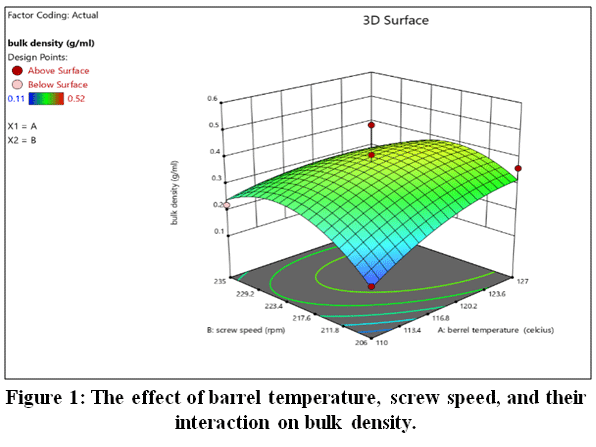 |
Figure 1: The effect of barrel temperature, screw speed, and their interaction on bulk density.
|
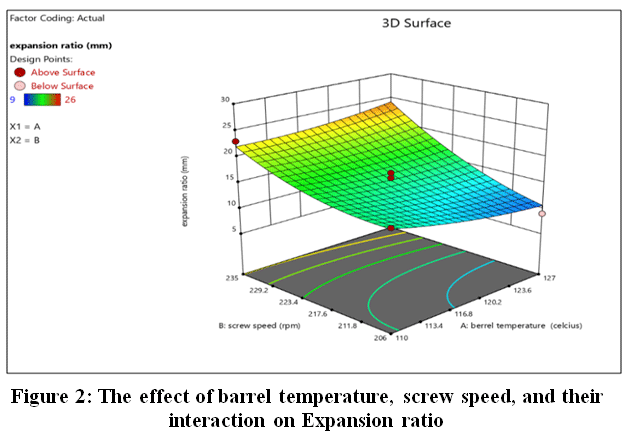 |
Figure 2: The effect of barrel temperature, screw speed, and their interaction on Expansion ratio
|
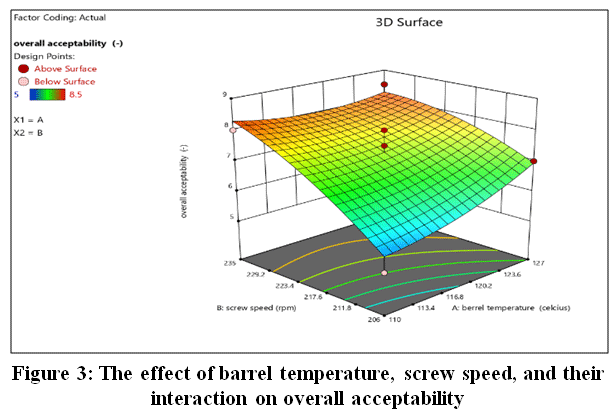 |
Figure 3: The effect of barrel temperature, screw speed, and their interaction on overall acceptability
|
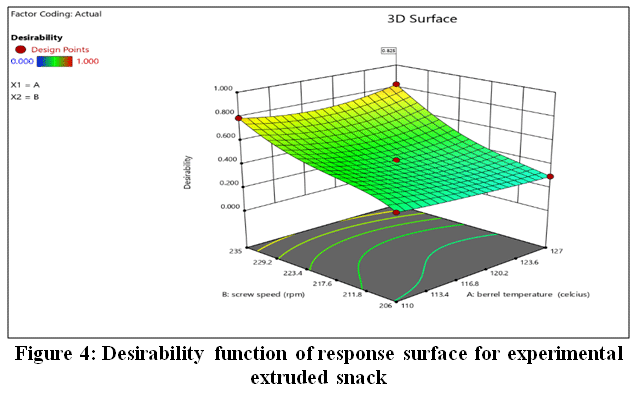 |
Figure 4: Desirability function of response surface for experimental extruded snack
|
Physical properties
The physical attributes of extruded snacks, such as water absorption, solubility, porosity, texture, and color, play a crucial role in determining product quality, consumer acceptance, and shelf stability. The snack developed using Thooyamalli rice, sprouted horsegram, and proso millet showed notable improvements in these parameters when compared to the control formulation which are presented in the below table 5.
Table 5: Physical properties of control vs experimental extruded snack
| S. No | Parameters | Control Extruded Snack | Experimental Extruded Snack |
| 1 | Water Absorption Index (WAI) (%) | 6.30 ± 0.2 | 21.94 ± 0.02 |
| 2 | Water Solubility Index (WSI) (%) | 10.47 ± 0.03 | 29.79 ± 0.03 |
| 3 | Porosity (%) | 64.00 ± 0.02 | 72.23 ± 0.04 |
| 4 | Hardness (N) | 7.34 ± 0.01 | 6.5± 0.03 |
| 5 | Fracturability (N) | 8.14± 0.01 | 5.12± 0.01 |
| 6 | Crunchiness (No. of Peaks) | 22± 0.04 | 24± 0.01 |
| 7 | L* (Lightness) | 91.14 ± 0.03 | 85.00 ± 0.02 |
| 8 | a* (Red-Green) | 0.11 ± 0.01 | 0.50 ± 0.30 |
| 9 | b* (Yellow-Blue) | 8.14 ± 0.02 | 8.00 ± 0.02 |
The extruded snack formulated with Thooyamalli rice, sprouted horsegram, and proso millet exhibited improved physical and textural attributes compared to the control. The Water Absorption Index (21.94% ± 0.02) was notably higher than the control (6.30% ± 0.2), with comparable values reported by Dewidar&Ghandourfor multigrain-based extrudates.22 The Water Solubility Index (29.79% ± 0.03) was also higher than the control (10.47% ± 0.03), consistent with findings on brown rice and broken rice-lupin snacks.18,23Porosity was recorded at 72.23% ± 0.04, compared to 64.00% ± 0.02 in the control, indicating a more expanded product structure. Similar trends were reported for millet-based extrudates.4,9 The snack showed lower hardness (6.5 N) and fracturability (5.12 N), which contributes to a lighter and crispier texture. Related observations were made.24Crunchiness was higher at 24 N, contributing to a better mouthfeel, in line with the findings of higher crunchiness to improved expansion.10,24 In terms of colour, there was a decline in lightness (L) to 85.00 ± 0.02* and an increase in redness (a) to 0.50 ± 0.30*, indicating mild browning. Similar changes were observed in studies due to Maillard reactions and the presence of bran or legume pigments.22,2
Microbial Composition of the Extruded Snack
Microbial assessment is essential for evaluating product safety and shelf stability. In this study, the control sample showed a Total Bacterial Count (TBC) of 1.18 × 10⁴ CFU/g, whereas the experimental snack exhibited no detectable bacterial growth, indicating effective extrusion processing.25 This aligns with research reported that high-temperature, short-time extrusion reduces microbial load in groundnut-based snacks. For yeast and mould count (YMC), both control and experimental samples showed no growth, suggesting hygienic handling and low-moisture conditions.26 Factors such as sun-drying during flour preparation contributed to fungal inhibition. Similar findings were reported by Amer&Rizkin extrudates made with herbal-infused corn grits and ragi.14
Sensory Evaluation
Among 13 treatments of extruded snacks, Treatment 5 (T5), made with Thooyamalli rice, sprouted horsegram, and proso millet, scored the highest across all sensory attributes—taste (8.45), flavour (8.27), texture (8.50), aroma (8.00), colour (8.41), and overall acceptability (8.25)—as evaluated by 22 untrained panelists. T4 followed closely, particularly in aroma (7.68), while the control sample consistently scored the lowest—taste (5.43), flavour (5.40), texture (6.42), aroma (6.24), colour (6.32), and overall acceptability (6.13)—highlighting T5’s superior sensory appeal.10
Proximate composition
The proximate composition of the developed extruded snack was compared with a control formulation was presented in the below table 6.
Table 6: Proximate composition
| S.No | Proximate | Control (Mean ± SD) | Experimental (Mean ± SD) | t-value | p-value | Significance |
| 1 | Energy (Kcal) | 407 ± 2 | 418.4 ± 2.2 | -6.64 | 0.003 | ** |
| 2 | Protein (g) | 13.44 ± 2.02 | 20.03 ± 1.01 | -5.05 | 0.007 | ** |
| 3 | Fat (g) | 30.06 ± 3.02 | 8.35 ± 2.02 | 10.35 | 0.000 | *** |
| 4 | Carbohydrate (g) | 75.6 ± 2.2 | 65.76 ± 2.01 | 5.71 | 0.005 | ** |
| 5 | Dietary Fibre (g) | 7.09 ± 2.01 | 7.63 ± 1.01 | -0.41 | 0.690 | NS |
| 6 | Moisture (g) | 2.4 ± 1.3 | 1.24 ± 1.0 | 1.22 | 0.280 | NS |
| 7 | Ash (g) | 1.01 ± 1.0 | 1.89 ± 1.01 | -1.07 | 0.340 | NS |
Values are expressed as mean ± SD, Independent t test was used, NS – Not Significant (P value > 0.05), *Significant at 5% (P value < 0.05), **Significant at 1% (P Value < 0.01)
The extruded snack made from Thooyamalli rice, sprouted horsegram, and prosomillet showed higher energy (418.4 kcal) than the control (407 kcal), similar to values reported by snacks containing horsegram and brown rice.27,28 Protein content (20.03g) was higher than the control (13.44g), aligning with findings reported 15–17g/100g in millet-pulse snacks.29,30 Fat content was lower (8.35g) compared to the control (30.06g), as also observed by Kawale, who reported values ranging from 4% to 22.4% based on ingredients and extrusion parameters.30 Carbohydrates were lower (65.76g vs. 75.6g), consistent with ranges found in maize-rice-pulse-based snacks by Yadav.31 Dietary fiber (7.63g) was slightly higher than the control (7.09g), supported by findings from Balli and Suri, who reported 5–12g based on processing.32,33 Moisture content (1.24%) was lower than the control (2.4%) and comparable to values (3–4%) reported by Kawaleand U. Yadav.34,30 Ash content was higher (1.89% vs. 1.01%), in line with results from Thangarajand Suri , and WHO-recommended limits below 5% Laryea.33,35,36
Mineral composition
The proximate composition of the developed extruded snack was compared with a control formulation presented in the below table 7
Table 7: Mineral composition
| S. No | Mineral | Control (Mean ± SD) | Experimental
(Mean ± SD) |
t-value | p-value | Significance |
| 1 | Iron (mg) | 3.01 ± 2.0 | 8.88 ± 2.02 | -3.57 | 0.020 | * |
| 2 | Calcium (mg) | 52.0 ± 2.0 | 74.54 ± 2.02 | -1.94 | 0.100 | NS |
| 3 | Zinc (mg) | 1.23 ± 1.02 | 6.53 ± 2.02 | 4.07 | 0.010 | * |
| 4 | Magnesium (mg) | 1.80 ± 1.0 | 29.65 ± 1.02 | -33.7 | 0.000 | ** |
Values are expressed as mean ± SD Independent t test was used, NS – Not Significant (P value > 0.05), *Significant at 5% (P value < 0.05), **Significant at 1% (P Value < 0.01)
The extruded snack made from Thooyamalli rice, sprouted horsegram, and prosomillet showed higher iron content (8.88 mg/100g) than the control, attributed to the enhanced bioavailability from germination and reduced antinutrients like phytates. Similar results were reported by Kanmani, who found 5.8–13 mg/100g in germinated legume-based snacks.37Calcium content (74.54 mg/100g) was higher due to the mineral-rich nature of horsegram and millet, aligning with values (35–67 mg/100g) in snacks reported by Ajala.38 The increased zinc content (6.53 mg/100g) may result from the naturally high zinc in proso millet and improved retention through high-temperature extrusion, consistent with findings by Pal.29 The snack also had higher magnesium (29.65 mg/100g), supported by Ajala and Rubilah, who showed that sprouting and extrusion enhance magnesium content and bioavailability in cereal-legume formulations.38,39 According to the RDA (ICMR-NIN, 100g of the developed extruded snack provides notable contributions to daily mineral requirements, particularly for children.40It meets a substantial portion of the RDA for iron (8–15 mg), zinc (3.3–5.9 mg), and magnesium (90–175 mg) for children, and also contributes to calcium needs (500–650 mg). While it doesn’t fulfill adult RDAs entirely—iron (19–29 mg), zinc (13.2–17 mg), calcium (1000 mg), magnesium (370–440 mg)—it still offers a nutrient-dense, gluten-free option supporting bone health, immunity, and overall well-being. Its convenience and composition make it especially suitable for growing children and as a healthy snack alternative for adults.
Functional properties
The extruded snack showed significantly higher total phenolic content (34.21 ± 2.02 mg GAE/g) compared to the control (0.31 ± 0.02 mg GAE/g), attributed to phenolic-rich ingredients like Thooyamalli rice, horsegram, and proso millet, aligning with findings.32,41Horsegram’sflavonols and phenolic acids further contributed. The antioxidant activity (33.91 ± 2.02 mg/g) was also higher than the control (32.06 ± 2.01 mg/g), supported by Balliand Enhanced AOA was due to retained phenolics and Maillard reaction products formed during low-moisture, low-temperature extrusion, as noted by Arribas.32,42
Fatty acid composition
Table 8: Fatty acid composition
| Compound Name | RT (min) | Area % | Type |
| Saturated fatty acids | |||
| Methyl Palmitate (C16:0) | 18.50 | 14.60 | Saturated fatty acid |
| Methyl 10-Undecenoate (C11:1) | 16.32 | 1.87 | Saturated fatty acid |
| Methyl Stearate (C18:0) | 20.52 | 6.83 | Saturated fatty acid |
| Unsaturated fatty acids | |||
| (Z,Z)-9,12-Octadecadienoic Acid Methyl Ester (C18:2) | 20.24 | 18.60 | Polyunsaturated fatty acid |
| Methyl Ricinoleate (C18:1-OH) | 22.11 | 7.26 | Monounsaturated fatty acid |
| Eicosanoic Acid (C20:0) | 18.91 | 14.12 | Monounsaturated fatty acid |
| Eicosanoic Acid (C20:0) | 20.89 | 8.02 | Monounsaturated fatty acid |
| Hexyl Nonanoate (C9:1) | 16.84 | 0.92 | Monounsaturated fatty acid |
| Trans fatty acids | |||
| Trans-3-Decenoic Acid (C10:1T) | 21.11 | 0.17 | Trans fatty acid |
| Trans-2-Nonenoic Acid (C9:1T) | 24.68 | 0.03 | Trans fatty acid |
| Trans-2-Nonenoic Acid | 25.12 | 0.21 | Trans fatty acid |
| Trans-2-Nonenoic Acid | 25.36 | 0.06 | Trans fatty acid |
| Trans-2-Nonenoic Acid | 25.86 | 0.16 | Trans fatty acid |
Total fatty acid – 72.88%, saturated fatty acids-23.3%, unsaturated fatty acids (MUFA+PUFA)-48.92%, Trans fatty acids – 0.66%
The extruded snack’s fatty acid composition (Table 8) revealed 23.3% saturated fatty acids (SFA), 48.92% unsaturated fatty acids (MUFA+PUFA), and 0.66% trans fatty acids (TFA). Key fatty acids include Methyl Palmitate (C16:0) (14.60%), Methyl Stearate (C18:0) (6.83%) as SFAs, and (Z,Z)-9,12-Octadecadienoic Acid Methyl Ester (C18:2) (18.60%) as a PUFA, beneficial for heart health.43Methyl Ricinoleate (C18:1-OH) (7.26%) and Eicosanoic Acid (C20:0) (14.12% + 8.02%) are MUFAs supporting metabolic health.44 The low TFA (0.66%) indicates minimal health risks from trans fats, suggesting extrusion-induced isomerization.45Proso millet’s naturally high unsaturated fat contributes to the snack’s nutritional value.46Similar results were observed in the study by Wani, who developed an extruded snack from cereals and legumes, reporting no significant effect of the extrusion process on the fatty acid profile.47
Shelf-life analysis of the extruded snack
Shelf life refers to the period during which food maintains acceptable quality in terms of safety and sensory attributes. It is influenced by factors such as formulation, processing, packaging, and storage conditions.48
Table 9: Shelf-life properties
| S .no | Shelf-life properties/ days | 1st day | 15th day | 30th day |
| 1 | Total bacterial count | ND | ND | 1.0 X 10⁴ |
| 2 | Yeast and mould count | ND | ND | ND |
| 3 | Rancidity level (peroxide value) | 0.35 | 0.92 | 1.85 |
The shelf life of the extruded snack was assessed by measuring total bacterial count, yeast and mould count, and rancidity levels (peroxide value) on the 1st, 15th, and 30th days of storage at room temperature (table 9). The total bacterial count was non-detectable (ND) on the first and fifteenth days, and on the thirty-first day, it reached 1.0 × 10¹, which is well below the allowable limit of 10◦ cfu/g (ICMSF).49 Over the course of the 30 days, yeast and mould counts were likewise ND, indicating no fungal growth, likely due to the low moisture content resulting from the extrusion process. Peroxide values were 0.35, 0.92, and 1.85 meq/kg on the 1st, 15th, and 30th days, respectively, remaining below the safe limit of 5-10 meq/kg.50This indicates minimal rancidity, which is consistent with findings, who reported peroxide values in snacks made from high-protein, multipurpose pulse flour to range from 3-4 meq/kg during storage.50These factors confirm the snack’s stability and safety for consumption up to 30 days.
Cost analysis
The experimental extruded snack costs Rs 191.83 per kg, making it a cost-effective alternative to commercial snacks. Its high quality, extended shelf life, and competitive pricing offer an affordable yet premium option for consumers.
Discussion
Effect of Processing Parameters on Bulk Density, expansion ratio and overall acceptability of Extruded Snacks
The present study aimed to evaluate how extrusion parameters influence the quality characteristics of a nutritionally enriched snack formulated from Thooyamalli rice, sprouted horsegram, and proso millet. The results demonstrated that screw speed significantly influenced bulk density and expansion ratio, whereas barrel temperature had a comparatively smaller effect. A reduction in bulk density with increasing screw speed indicates greater expansion and formation of a more porous internal structure. This behavior can be attributed to the increased mechanical shear and frictional heat generated at higher screw speeds, which promote starch gelatinization and vapor formation during extrusion. The rapid pressure drop at the die exit allows steam expansion, resulting in puffed structures with lower density.
These findings are consistent with previous studies reported that increased screw speed and processing temperature significantly reduced bulk density in cereal-legume extrudates.26 However, the influence of barrel temperature was relatively less pronounced in the present study, suggesting that mechanical energy generated by screw rotation may have played a more dominant role in determining expansion characteristics. This observation supports the hypothesis that optimization of extrusion parameters is essential for controlling the physical structure of extruded snack products.
Expansion ratio is widely recognized as a key quality indicator for extruded snacks because it directly affects product texture and consumer perception. In the present study, screw speed significantly improved expansion ratio, confirming its strong influence on melt viscosity and bubble formation within the extruder barrel. Increased shear forces at higher screw speeds facilitate the formation of stable air cells, which expand rapidly upon exiting the die. Similar findings were reported that screw speed as one of the most influential factors affecting expansion behavior in cereal-based extrudates.19,20
Selected Optimization Condition
The optimization results indicate that 127 °C barrel temperature and 235 rpm screw speedwere the most suitable conditions for producing the developed extruded snack, yielding a bulk density of 0.24 g/ml, expansion ratio of 24.1, and overall acceptability score of 8.23with adesirability value of 0.82. The high desirability value suggests that the selected conditions effectively balanced both physical and sensory attributes of the product.The lower bulk density and higher expansion ratio observed under these optimized conditions indicate improved puffing and formation of a porous structure during extrusion. Increased screw speed likely enhanced shear forces and starch gelatinization, leading to better expansion. Similar optimization outcomes have been reported that appropriate extrusion parameters significantly improve the physical quality and acceptability of cereal-legume extruded snacks.21
Physical properties
The experimental extruded snack exhibited significantly improved physical properties compared with the control formulation. Higher water absorption index (WAI) and water solubility index (WSI) values indicate enhanced starch gelatinization and molecular breakdown during extrusion. The increase in WAI suggests improved hydration capacity of the starch matrix, while higher WSI values reflect partial starch degradation and increased soluble components.Similar increases in WAI and WSI have been reported by Dewidar&Ghandour in multigrain extruded products.22 The observed increase in porosity in the experimental snack further supports the formation of a well-expanded structure, which contributes to desirable textural characteristics. Increased porosity results in lower hardness and fracturability values, indicating a lighter and crispier product structure.The reduction in hardness and fracturability observed in the present study suggests that the experimental formulation produced a more fragile and aerated structure. These textural improvements are consistent with the findings of increased expansion and porosity contribute significantly to improved crispness and overall textural quality in millet-based extruded snacks.4,9
Microbial Composition of the Extruded Snack
Microbial quality is an essential factor in determining the safety and shelf stability of food products. The absence of detectable bacterial growth in the experimental snack immediately after processing indicates that the extrusion process effectively reduced microbial contamination. Extrusion processing involves high temperature, pressure, and shear forces, which collectively contribute to microbial inactivation.Similar observations were reported by Awolu, who demonstrated that high-temperature short-time extrusion significantly reduces microbial loads in snack products.27 The absence of yeast and mould growth in both control and experimental samples also suggests that the low moisture content and hygienic processing conditions effectively inhibited fungal contamination. Amer&Rizk reported similar findings in cereal-based extrudates, emphasizing the role of low water activity and high processing temperatures in maintaining microbial stability.14
Proximate composition
One of the primary objectives of this study was to enhance the nutritional value of extruded snacks through the incorporation of traditional grains and legumes. The proximate analysis confirmed that the experimental snack contained significantly higher protein content than the control sample. This improvement can be attributed primarily to the inclusion of sprouted horsegram, which is known for its high protein content and improved digestibility following germination.
Germination activates endogenous enzymes that break down complex storage compounds, thereby enhancing nutrient bioavailability and reducing antinutritional factors such as phytates and tannins. Similar improvements in protein content in cereal-legume extrudates have been reported.29,30
In addition, the experimental snack exhibited lower fat content compared with the control formulation. Lower fat levels are desirable in snack foods because excessive fat intake has been associated with increased risk of cardiovascular diseases and obesity. Similar reductions in fat content have been reported in pulse-based extruded snacks.30These findings suggest that the developed snack can serve as a healthier alternative to conventional high-fat snack products.
Mineral composition
Mineral analysis revealed that the experimental snack contained higher levels of iron, zinc, calcium, and magnesium compared with the control sample. This improvement can be attributed to the natural mineral richness of proso millet and horsegram, both of which are known to contain significant amounts of essential micronutrients.
Furthermore, the germination process may have enhanced mineral bioavailability by reducing phytate levels, which typically inhibit mineral absorption. Similar findings were reported,that increased mineral availability in germinated legume-based food products.11,37
Millet-based foods are also widely recognized as important sources of micronutrients. Ajala reported that millet-based snack products provide substantial levels of essential minerals such as iron and calcium.38 Therefore, the higher mineral content observed in the present study suggests that the developed snack may contribute to improved micronutrient intake, particularly among children and populations at risk of mineral deficiencies.
Functional properties
Functional properties such as phenolic content and antioxidant activity are important indicators of the potential health benefits of food products. The experimental extruded snack showed significantly higher total phenolic content compared with the control sample. This increase is likely due to the presence of phenolic compounds naturally occurring in horsegram and millet.
Similar findings in millet-based functional foods, highlighting their high phenolic content and antioxidant potential.32,41 Although extrusion processing can sometimes reduce phenolic compounds due to thermal degradation, optimized extrusion conditions may preserve these compounds and even promote the formation of antioxidant Maillard reaction products.11
Research reported that controlled extrusion processing can enhance antioxidant activity through the formation of Maillard reaction products with antioxidant properties.42 The increased antioxidant activity observed in the present study therefore supports the potential of the developed snack as a functional food with health-promoting properties.
Fatty Acid Composition
The extruded snack exhibited a higher proportion of unsaturated fatty acids (48.92%), followed by saturated fatty acids (23.3%) and a negligible amount of trans fats (0.66%), indicating a nutritionally favorable lipid profile. The fatty acid composition closely reflects that of the individual ingredients, where proso millet contributes significant unsaturated fatty acids, rice provides minimal lipids, and horse gram contributes moderate levels. The relatively balanced distribution of fatty acids in the extruded product suggests that extrusion promotes uniform lipid dispersion without causing significant degradation of unsaturated fatty acids. Furthermore, a study suggested that only minor, non-significant changes in fatty acid content were observed after extrusion, supporting that the process preserves lipid quality and reported in cereal–legume extrudates indicate that extrusion processing has minimal effect on fatty acid composition, thereby maintaining the nutritional integrity of the product.47
Shelf-life analysis of the extruded snack
Shelf-life evaluation demonstrated that the developed extruded snack remained microbiologically safe and chemically stable for up to 30 days under ambient storage conditions. The total bacterial count remained within acceptable limits throughout the storage period, and no yeast or mould growth was detected. The peroxide values observed during storage were also well below the recommended safety threshold, indicating minimal lipid oxidation. Ahmad reported similar peroxide values in extruded snacks made from pulse flour during storage.50Overall, the results of this study support the hypothesis that incorporating nutrient-rich traditional grains and legumes, combined with optimized extrusion processing, can produce a snack product with improved physical characteristics, enhanced nutritional value, and good shelf stability. In addition to its nutritional and functional advantages, the developed extruded snack was found to be economically feasible, with a production cost of Rs. 191.83 per kg, indicating its potential as a cost-effective and nutritious alternative to commercially available snack products.
Conclusion
As seen in this research, extrusion technology can be utilized to convert Thooyamalli rice, germinated horse gram, and proso millet into a high-value snack food product with proper optimization of extruder parameters, such as 127 °C barrel temperature and 235 rpm screw speed. The findings indicate that underutilized cereals and legumes can be incorporated into modern snack foods without compromising their quality and acceptance levels. In practice, the product appears promising to be used as a high-nutrient content ready-to-eat snack for special groups, including children, adolescents, and women, with elevated nutritional requirements. Cost-effectiveness and shelf-stability allow it to be distributed on a larger scale even in resource-poor regions. Moreover, it satisfies growing consumer demands for healthy snacks that are low in fat content and high in micronutrient composition. This research contributes to the broader initiative of promoting sustainable food systems through the use of indigenous raw materials and reducing the amount of refined cereals used in snack formulations. However, since the existing models exhibit relatively low predictive capabilities, further studies should focus on enhancing their robustness, scalability, and bioavailability of nutrients in the diet. Collectively, the findings have provided substantial evidence for the potential application of extruded products made from millets and pulses as nutritious foods.
Acknowledgement
The authors would like to thank ShrimathiDevkunvarNanalal Bhatt Vaishnav College for Women for providing laboratory facilities and institutional support throughout the study. The Tamil Nadu State Council for Science and Technology (TNSCST) is gratefully acknowledged for providing financial support for the study.
Funding Sources
This research was supported by the Tamil Nadu State Council for Science and Technology (TNSCST), Government of Tamil Nadu, under Grant No. AS-750.
Conflict of Interest
The authors do not have any conflict of interest.
Data Availability Statement
This statement does not apply to this article.
Ethics Statement
This study entitled “Formulation and Optimization of Extruded Snack Using Response Surface Methodology” was reviewed and approved by the Independent Human Ethics Committee (IHEC), Department of Home Science, S.D.N.B. Vaishnav College for Women, Chromepet, Chennai–600044, India. Ethical approval was granted under Protocol No. SDNBVC/IHEC/2024/15on7 October 2024. The study was conducted in accordance with the ethical standards prescribed by the committee.
Informed Consent Statement
This study did not involve human participants, and therefore, informed consent was not required.
Clinical Trial Registration
This research does not involve any clinical trials.
Permission to reproduce material from other sources
Not Applicable
Author Contributions
- SubasshiniVaidyanathan: Visualization, Supervision, Project Administration.
- Pugazhmalar : Conceptualization, Methodology, Data Collection, Analysis, Writing – Original Draft .
- SufiyaFatheema Abdul Salam: Writing and Editing.
References
- Choton S, Gupta N, Bandral JD, Anjum N, Choudary A. Extrusion technology and its application in food processing: A review. The Pharma Innovation. 2020;9(2):162-168. doi:10.22271/tpi.2020.v9.i2d.4367.
CrossRef - Anand A. A review on food extrusion its classification and quality attributes. Indian J Pure ApplBiosci. 2020;8(4):707-714. doi:10.18782/2582-2845.8242.
CrossRef - Jency JP, Vishnuprabha RS. Traditional rice as functional food. Food Sci Rep. 2023:36-39.
- Karun G, Sukumar A, Nagamaniammai G, Preetha R. Development of multigrain ready-to-eat extruded snack and process parameter optimization using response surface methodology. J Food Sci Technol. 2022;60(3):947-957. doi:10.1007/s13197-022-053908.
CrossRef - Osuji CM, Ofoedu CE, Omeire GC, Ojukwu M. Colour analysis of syrup from malted and unmalted rice of different varieties. Croat J Food Sci Technol. 2020;12(1):130-138. doi:10.17508/cjfst.2020.12.1.03.
CrossRef - Costantini M, Sabovics M, Galoburda R, et al. Effect of die configuration on the Physico-Chemical properties, Anti-Nutritional compounds, and sensory features of Legume-Based extruded snacks. Foods. 2021;10(12):3015. doi:3390/foods10123015
CrossRef - Jaipal MK, Sutar R, Dixit A, V R, Joshi ND. Process Optimization for Development of Extruded Snack from Brown Rice-Amaranth-Moringa Seed Powder Blend. European Journal of Nutrition & Food Safety. 2025;17(2):67-83. doi:10.9734/ejnfs/2025/v17i21635
CrossRef - Singh P, Vatankhah H, Ramaswamy H. Extruded snacks from rice, green lentil, chickpea and tomato powder. Rev FacIngUniv Antioquia. doi:10.17533/udea.redin.20220269.
CrossRef - Lisiecka K, Wójtowicz A, Samborska K, et al. Structure and texture characteristics of novel snacks expanded by various methods. Materials. 2023;16(4):1541. doi:10.3390/ma16041541
CrossRef - Kojić J, Belović M, Krulj J, et al. Textural, Color and Sensory Features of Spelt Wholegrain Snack Enriched with Betaine. Foods. 2022;11(3):475. doi:10.3390/foods11030475
CrossRef - Uzoaga N, Kanu A. Microbiological changes of extruded snacks made from orange fleshed sweet potato, cassava, plantain, fortified with Moringaoleifera 2020:2321-9459.
- Chaimahawan N, Khumkong T, Sangpimpa W, Srichan P, Samakradhamrongthai RS. Enhancing the nutritional and sensory qualities of extruded snacks through the incorporation of chickpea, black-eyed pea, and KumJaoMorchor 107 rice. Discover Food. 2025;5(1). doi:10.1007/s44187-025-00673-3
CrossRef - Shirazi SL, Koocheki A, Milani E, Mohebbi M. Production of high fiber ready-to-eat expanded snack from barley flour and carrot pomace using extrusion cooking technology. Journal of Food Science and Technology. 2020;57(6):2169-2181. doi:10.1007/s13197-020-04252-5
CrossRef - Amer SA, Rizk AE. Production and evaluation of novel functional extruded corn snacks fortified with ginger, bay leaves and turmeric powder. Food Prod Process Nutr. 2022;4(1). doi:10.1186/s43014-022-00083-3.
CrossRef - Benkhoud H, Mrabet Y, Nasraoui N, et al. Chemical compositions, fatty acid profiles and selected contaminants in commercial potato and corn chips sold in the Tunisian market. Discover Food. 2022;2(1):30. doi:1007/s44187-022-00030-8
CrossRef - Ajala O, Adelusi OA, Kajihausa OE, Onabanjo OO, Oyewole OB, Obadina AO. Effect of storage temperature and time on the microbial quality and sensory properties of extrudates produced from pearl millet (Pennisetumglaucum (L) Leake) and Bambara groundnut (Vignasubterranea) flour blends. Journal of Stored Products Research. 2024;109:102442. doi:10.1016/j.jspr.2024.102442
CrossRef - Umeohia UE, Okafor GI. Production and evaluation of extruded snacks from sorghum, soybean and carrot. Int J Food SciNutr. 2021;6(3):72-77.
- Wani SA, Bhat TA, Ganie NA, Kumar P. Impact of storage and packaging material on the nutritional, product properties and microbial count of extruded snacks. Current Nutrition & Food Science. 2019;16(4):592-600. doi:2174/1573401315666190126114847
CrossRef - Sahu C, Patel S, Tripathi AK. Effect of extrusion parameters on quality of soy protein enriched maize snack. Appl Food Res. 2022;2(1):100072. doi:10.1016/j.afres.2022.100072.
CrossRef - Mironeasa S, Ungureanu-Iuga M, Ursachi VF, Mironeasa C. Seedless grape pomace to increase fiber content in extruded corn snacks. Ukrainian Food Journal. 2024;13(4):657-674. doi:10.24263/2304-974x-2024-13-4-3
CrossRef - Alefew YD, Tiruneh AT, Yehuala TF. Optimization of extrusion conditions for development of high quality rice-lupin-pumpkin based extruded snack food. 2024;10(24):e40913. doi:10.1016/j.heliyon.2024.e40913.
CrossRef - Dewidar OM, El Ghandour HMA. Development of extruded snacks and corn flakes using yellow corn and broken beans. Middle East J Appl Sci. 2020;10(2):390-406.
- Parkhey P, Ram AK, Diwan B, Eswari JS, Gupta P. Artificial neural network and response surface methodology: a comparative analysis for optimizing rice straw pretreatment and saccharification. J Environ Sci Health B. 2020;50(8):768-780. doi:10.1080/10826068.2020.1737816
CrossRef - Jasni AB, Kamyab H, Chelliapan S, Arumugam N, Krishnan S, Din MFM. Treatment of Wastewater Using Response Surface Methodology: A Brief review. UTM Institutional Repository. 2020;78:535-540. doi:3303/cet2078090
- Yadav U, Singh RRB, Arora S. Evaluation of quality changes in nutritionally enriched extruded snacks during storage. Journal of Food Science and Technology. 2018;55(10):3939-3948. doi:10.1007/s13197-018-3319-3
CrossRef - Awolu OO, Magoh AO, Ojewumi ME. Development and evaluation of extruded ready-to-eat snack from rice and composite flours. J Food Sci Technol. 2019;57(1):86-95. doi:10.1007/s13197-019-04033-9.
CrossRef - Bhat FM, Riar CS. Cultivars effect on the physical characteristics of rice (rough and milled) (OryzaSativa L.) of temperate region of Kashmir (India). Journal of Food Science and Technology. 2016;53(12):4258-4269. doi:1007/s13197-016-2420-8
CrossRef - Sharmila B, Athmaselvi A. Development of ready-to-eat extruded snacks from legumes and millets. J Pharm Sci Res. 2017;9(6):947-954.
- Pal RS, Bhartiya A, ArunKumar R, Kant L, Aditya JP, Bisht JK. Impact of dehulling and germination on nutrients, antinutrients, and antioxidant properties in horsegram. Journal of Food Science and Technology. 2015;53(1):337-347. doi:1007/s13197-015-2037-3
CrossRef - Kawale M, Karde P, Gaikwad V, Khade H, Athawale G. Development of ready-to-eat snack enriched with horsegram. Aegaeum J. 2020;8(10):326-333.
- Yadav KC, Pashupati M, Pramesh KD, Ranjit R, Ghanendra G, Sushil D. Effects of incorporation of cassava flour on characteristics of corn grit-rice grit-chickpea flour blend expanded extrudates. African Journal of Food Science. 2015;9(8):448-455. doi:5897/ajfs2014.1243.
CrossRef - Balli D, Bellumori M, Masoni A, et al. Proso Millet (Panicummiliaceum L.) as Alternative Source of Starch and Phenolic Compounds: A Study on Twenty-Five Worldwide Accessions. Molecules. 2023;28(17):6339. doi:3390/molecules28176339
CrossRef - Suri S, Dutta A, Shahi NC, Raghuvanshi RS, Singh A, Chopra CS. Numerical optimization of process parameters of ready-to-eat (RTE) iron rich extruded snacks for anemic population. LWT. 2020;134:110164. doi:1016/j.lwt.2020.110164
CrossRef - Yadav U, Singh RRB, Arora S. Quality changes in enriched extruded snacks during storage. J Food Sci Technol. 2018;55(10):3939-3948. doi:10.1007/s13197-018-3319-3.
CrossRef - Thilagavathi T, Kanchana S, Banumathi P, et al. Physico-Chemical and functional characteristics of selected millets and pulses. Indian Journal of Science and Technology. 2015;8(S7):147. doi:17485/ijst/2015/v8is7/70075
CrossRef - Amevor PM, Laryea D, Barimah J. Sensory evaluation and microbial load of cashew nut–chocolate spread. Cogent Food Agric. 2018;4(1). doi:10.1080/23311932.2018.1480180.
CrossRef - Kanmani K, Geetha PS, Uma Maheswari T, Vijayalakshmi R, Vanniyarajan C. Proximate analysis of extrudates from horse gram and moth bean. Int J Chem Stud. 2018;6(3):3425-3427.
- Ajala O, Adelusi OA, Kajihausa OE, Onabanjo OO, Bandele OO, Obadina AO. Nutritional and Anti‐Nutritional properties of extruded puffed snack produced from pearl millet and Bambara groundnut flour blends. Food Science & Nutrition. 2024;13(1):e4670. doi:10.1002/fsn3.4670
CrossRef - Rubilah MJ, Nancy M, Parimala K. Traditional Rice Varieties: A Storehouse of Nutrition. Chennai: Centre for Indian Knowledge Systems; 2023.
- ICMR-NIN. Dietary Guidelines for Indians. Hyderabad: ICMR–National Institute of Nutrition; 2024.
- Awaeloh N, Limsuwan S, Na-Phatthalung P, Kaewmanee T, Chusri S. Novel Development and Sensory Evaluation of Extruded Snacks from Unripe Banana (Musa ABB cv. Kluai ‘Namwa’) and Rice Flour Enriched with Antioxidant-Rich Curcuma longa Microcapsules. Foods. 2025;14(2):205. doi:10.3390/foods14020205
CrossRef - Arribas C, Cabellos B, Cuadrado C, Guillamón E, Pedrosa MM. Bioactive Compounds, Antioxidant Activity, and Sensory Analysis of Rice-Based Extruded Snacks-Like Fortified with Bean and Carob Fruit Flours. Foods. 2019;8(9):381. doi:10.3390/foods809038.
CrossRef - Liu Y, Shen N, Xin H, Yu L, Xu Q, Cui Y. Unsaturated fatty acids in natural edible resources, a systematic review of classification, resources, biosynthesis, biological activities and application. Food Bioscience. 2023;53:102790. doi:10.1016/j.fbio.2023.102790
CrossRef - Padmanabhan P, Mathew LB, Krishna A, et al. Horse Gram: A Comprehensive Review of an Underutilized Nutraceutical Pulse Crop. J Food ChemNanotechnol 2023 9(S1): S602-S611. doi:10.17756/jfcn.2023-s1-076.
CrossRef - Oteng A, Kersten S. Mechanisms of action of trans fatty acids. 2019;11(3):697-708. doi:10.1093/advances/nmz125.
CrossRef - Yang Q, Zhang W, Li J, Feng B. Differentiation of fatty acid, aminno acid, and volatile composition in waxy and non-waxy proso millet. Food Science and Technology. 2021;42. doi:10.1590/fst.58320
CrossRef - Wani SA, Ganie NA, Kumar P. Quality characteristics, fatty acid profile and glycemic index of extrusion processed snacks enriched with the multicomponent mixture of cereals and legumes. Legume Science. 2021;3:e76. https://doi.org/10.1002/leg3.76
CrossRef - Nkubana A, Dusabumuremyi JC. Storage Stability Assessment of Extruded Rice and Maize Based Snacks Enriched with Fish. American Journal of Food Science and Technology. 2019;7(5):152-156. doi:10.12691/ajfst-7-5-3
CrossRef - Kandpal R, Anand S, Choudhary A, et al. Enhancing the functionality of extruded snack (namkeen) using indigenous ingredients of Uttarakhand, India: A predictive modelling approach for shelf-life optimization. Discover Food. 2025;5(1). doi:1007/s44187-025-00333-6
CrossRef - Khare A, De D, Arora A. Shelf-life of iron rich ready-to-eat snacks: Impact of vacuum and modified atmospheric packaging under different storage conditions. Food Control. 2025;176:111407. doi:1016/j.foodcont.2025.111407
CrossRef
 PlumX:
 Views: 909 Views
  PDF Downloads:
198
PDF Downloads:
198 Accepted on: 09-05-2026
Second Review by: Dr. Amany Salama
Final Approval by: Dr. Mohammad Fareed