Exploring Benzotriazoles as Multifunctional Pharmacophores in Contemporary Medicinal Chemistry
 , Rani Kankateand Dinesh Rishipathak
 Department of Pharmaceutical Chemistry, METs Institute of Pharmacy, Affiliated to Savitribai Phule Pune University, Nashik, India
Corresponding Author E-mail:sandippurkar@gmail.com
DOI : http://dx.doi.org/10.13005/bbra/3522
Download this article as:

Heterocyclic compounds, which are among the largest and most diverse families of organic compounds, play a crucial role in both chemistry and daily life. Their significance is particularly pronounced in medicinal chemistry, where they are essential for the development of therapeutic agents. One notable heterocyclic compound is benzotriazole, a bicyclic structure composed of a fused benzene ring and three nitrogen atoms. This compound has garnered significant attention due to its wide spectrum of biological and pharmacological activities. Benzotriazole and its derivatives exhibit a broad spectrum of therapeutic effects, demonstrating significant antibacterial, antifungal, anti-inflammatory, and analgesic properties. These compounds are of considerable interest in pharmaceutical research due to their potential to address various health conditions through these versatile biological activities. Additionally, they have shown potential in anticancer therapies, as well as in the treatment of helminthic infections, depression, and oxidative stress. Benzotriazole derivatives have also demonstrated antitubercular, anticorrosive, and plant growth inhibitory activities, highlighting their versatility across various fields.
KEYWORDS:Anticancer; Antifungal; Antimicrobial; Benzotriazole; Fused heterocycles
Introduction
Heterocyclic compounds have opened new frontiers in the fields of medicinal and organic chemistry. Among this diverse family, benzotriazole stands out for its remarkable properties, making it a valuable compound in various applications. Its unique structure and functionality offer potential in areas such as corrosion inhibition, material science, and even medicinal chemistry, where it has been explored for its biological activity. Its unique characteristics, such as strong electron-donating ability, versatile group-release capabilities, and role as an anion director, have captured the attention of both chemists and pharmacists alike. Benzotriazole can be readily integrated into molecular structures via several synthetic methods, such as condensation, addition, and substitution reactions.1-5 The common structure of benzotriazole is shown in Figure 1.
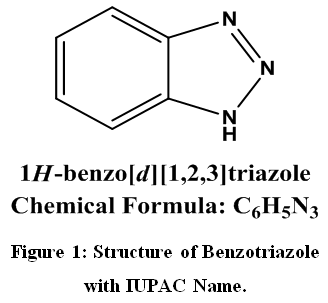 |
Figure 1: Structure of Benzotriazole with IUPAC Name.
|
Benzotriazole derivatives possess a wide variety of biological, chemical, and industrial properties, making them useful in many different applications. The compound consists of two fused rings, with the five-membered ring demonstrating tautomerism, a feature that adds to its chemical complexity.6-10The physicochemical properties are shown in Table 1.
Table 1: Physico-chemical Properties of Benzotriazole
| Parameter | Value |
| Molecular Formula | C₆H₅N₃ |
| Formula Weight | 119.124 |
| Composition | C (60.50%), H (4.23%), N (35.27%) |
| Molar Refractivity | 34.71 ± 0.3 cm³ |
| Molar Volume | 88.3 ± 3.0 cm³ |
| Index of Refraction | 1.715 ± 0.02 |
| Surface Tension | 73.9 ± 3.0 dyne/cm |
| Density | 1.348 ± 0.06 g/cm³ |
| Dielectric Constant | Not available |
| Polarizability | 13.76 ± 0.5 × 10⁻²⁴ cm³ |
The literature review indicates that benzotriazole derivatives exhibit activity against a broad spectrum of target species. This paper specifically focuses on examining benzotriazoles of both biological and industrial relevance, highlighting their most active sites and exploring the related target species. Additionally, it highlights key synthetic methods for these derivatives, and biological response shown.11-16
Additionally, they are essential precursors for the production of acid azides, peptides, 3 hydroxymethyl-2,3-dihydrobenzofurans, and 3-hydroxymethylbenzofurans. Two tautomeric forms of benzotriazole exist 17 (Figure 2).
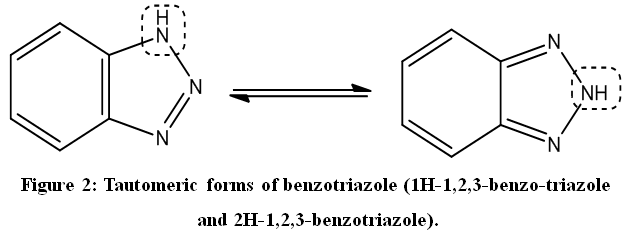 |
Figure 2: Tautomeric forms of benzotriazole (1H-1,2,3-benzo-triazole and 2H-1,2,3-benzotriazole).
|
Furthermore, benzotriazole derivatives facilitate the incorporation of radicals from different chemical structures through a number of reactions, such as addition, condensation, and benzo triazolyl alkylation, by acting as precursors for radicals and electron donors. The various biological activities of benzotriazole compounds, which are useful ingredients in choleretic, antibacterial, antifungal, antiprotozoal, antiviral, antioxidant, analgesic, anti-inflammatory, antihyperglycemic, and antiproliferative agents, greatly benefit the pharmaceutical industry. A key technique in modern drug research is protein-ligand or protein-protein docking, which measures the shape and electrostatic interactions of the ligand to predict its orientation when it binds to an enzyme or protein receptor.18
Synthesis:19-33
Scheme-I: Benzotriazoles are synthesized through a cyclocondensation reaction between O-Phenylenediamine (OPD) and sodium nitrite and acetic acid. The method involves heating reagents, leading to the formation of a mono diazonium intermediate from the diamine. This intermediate then undergoes spontaneous cyclization, resulting in the formation of the benzotriazole ring structure as mentioned in figure 3.
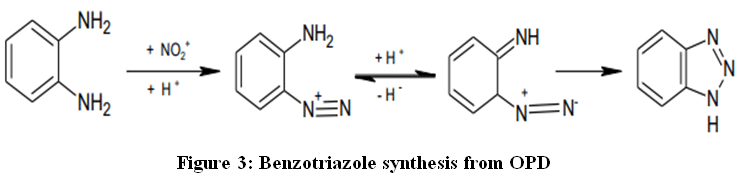 |
Figure 3: Benzotriazole synthesis from OPD
|
Scheme-II: 1, 2, 3-Benzotriazole can be synthesized by directly reacting o-phenylenediamine with nitrous acid figure 4. Another method involves hydrolyzing an acylated or arylated benzotriazole, which is produced by reacting to nitrous acid with a mono-acylated or arylated o-Phenylenediamine. The direct method generally yields higher overall results compared to the multi-step processes.
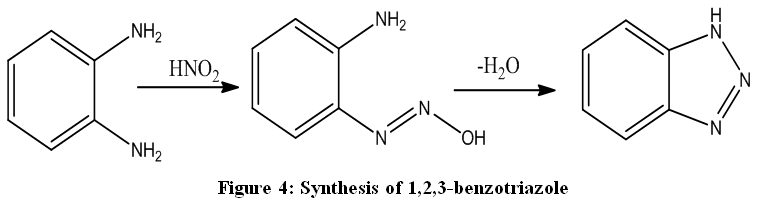 |
Figure 4: Synthesis of 1,2,3-benzotriazole
|
Scheme-III:Solvent-Free N-Alkylation of Benzotriazole
A simple and effective method for the highly regioselective N-alkylation of benzotriazole under solvent-free conditions is described in figure 5. This approach employs SiO₂, K₂CO₃, and tetrabutylammonium bromide (TBAB) as catalysts, and the reactions are carried out using either thermal or microwave heating. The process produces 1-alkyl benzotriazoles in moderate to high yields, with short reaction times, highlighting its practicality and excellent regioselectivity.
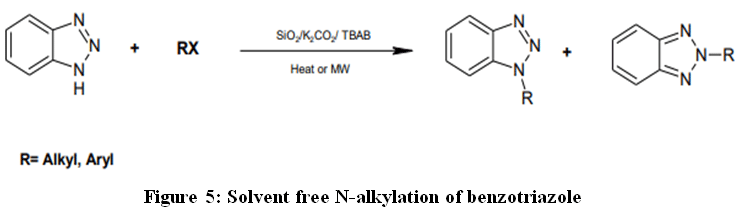 |
Figure 5: Solvent free N-alkylation of benzotriazole
|
Scheme-IV: The formation of benzotriazoles can be achieved through a reaction involving o-phenylenediamine (benzene-1,2-diamine), sodium nitrite (NaNO₂), and acetic acid (CH₃COOH). When o-phenylenediamine is treated with sodium nitrite in an acidic medium, such as acetic acid, a diazonium ion intermediate is generated. This intermediate then reacts with the nitrogen source to form the benzotriazole structure as depicted in figure 6.
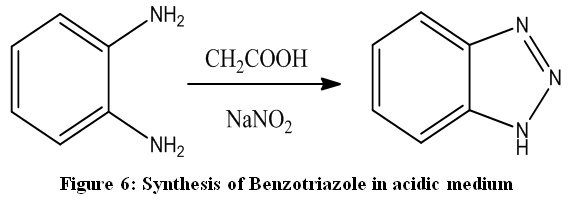 |
Figure 6: Synthesis of Benzotriazole in acidic medium
|
Scheme-V: A diverse range of substituted benzotriazoles was successfully prepared through a [3 + 2] cycloaddition reaction of azides with benzynes as sketch in figure 7. This approach was simple and mild, enabling additional substitutions to take place under the same conditions, as shown in the reaction below.
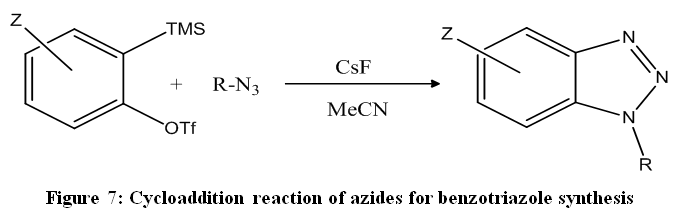 |
Figure 7: Cycloaddition reaction of azides for benzotriazole synthesis
|
Pharmacological Characteristic of Benzatriazole:
The privileged structure of benzotriazole, which is recognized for its broad pharmacological potential. Due to its versatile chemical properties,Benzotriazole is a useful framework for creating new pharmacologically active compounds (figure 8). It is quickly gaining attention in the synthesis of heterocycles and has shown considerable potential in a variety of chemical processes, especially as a synthetic aid. Additionally, benzotriazole and its derivatives exhibit a wide range of pharmacological activities, as supported by numerous literature reports, highlighting its importance in medicinal chemistry.
Mechanism of Action of Benzotriazole
Benzotriazole interacts with lipid bilayers to damage microbial cell membranes, increasing membrane permeability and ultimately causing cell lysis. Additionally, benzotriazole disrupts DNA synthesis and inhibits important enzymes involved in cellular respiration and energy production, among other microbial enzyme systems essential for cell metabolism and reproduction. Additionally, benzotriazole can produce reactive oxygen species in microbial cells, causing oxidative stress and harming DNA and proteins. Benzotriazole is a versatile agent against bacteria, fungus, and other pathogens due to its diverse approach to antimicrobial action. It may find use in a variety of industries, such as medicines, personal care products, and water treatment.34
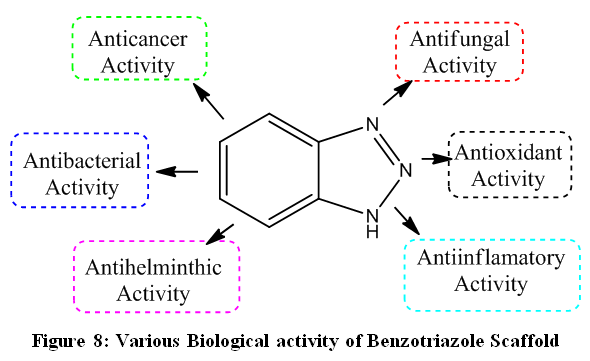 |
Figure 8: Various Biological activity of Benzotriazole Scaffold
|
Multifunctional Pharmacophoric Biological Activity:35-38
According to recent research conducted between 2020 and 2025, benzotriazole derivatives have emerged as privileged pharmacophores in medicinal chemistry, with significant presentations due to their structural versatility and ability to function as multitarget agents. In 2021–2025, benzotriazole esters were found to be potent, mechanism-based inactivators of the SARS-CoV-2 3CL protease, and in 2024–2025, while recent findings indicate that bumetrizole has emerged as a multifunctional pharmacophore with a primary focus on the substitution leading to inhibition or activation, as indicated in the table 2.
Table 2: Key Trends in chemistry of Benzotriazole
| Time Frame | Key Substituents | Key Mechanism |
| 2020-2021 | 4,5,6,7-Tetrabromobenzotriazole (TBB) and N/C-substituted derivatives | CK2 inhibition, Apoptosis (Prostate/Colon) |
| 2022-2023 | N-alkylated/Hybrid derivatives | Cell membrane disruption, FAK inhibition |
| 2024-2025 | Metal complexes/Targeted agents | Mitochondria respiration inhibition, Selective cytotoxicity |
Antifungal activity
Benzotriazoles have demonstrated notable antifungal activity, inhibiting the growth of fungi, which are single-celled, spore-producing organisms. In a study conducted by Sudhir et al39 synthesizes various benzotriazole derivatives and confirmed for their antifungal properties. These compounds (figure 9) demonstrated notable in vitro effectiveness against Trichophyton rubrum and Epidermophyton floccosum, which are common dermatophytes causing skin infections.39
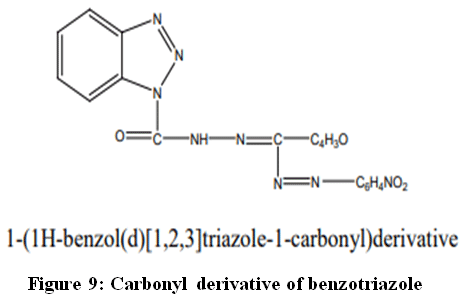 |
Figure 9: Carbonyl derivative of benzotriazole
|
Rezaeiet al39 have demonstrated that derivatives of 1,2,4-triazole and benzotriazole (figure 10) effectively inhibit cytochrome P450 14α-demethylase (14DM) and exhibit significant antifungal activity. Their compounds demonstrated effectiveness against Microsporum canis, Trichophyton mentagrophytes, Trichophyton rubrum, Epidermophyton floccosum, and Candida albicans, with performance similar to the well-known antifungal’s.40
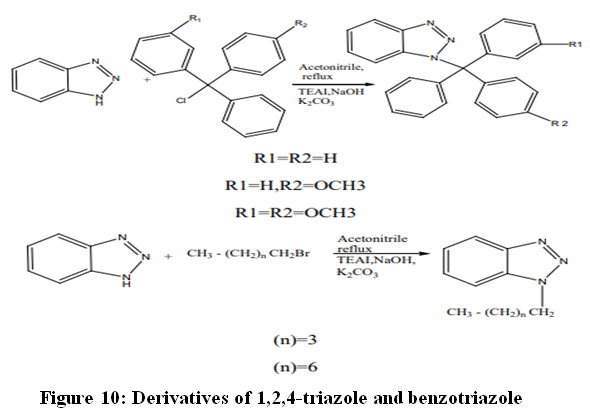 |
Figure 10: Derivatives of 1,2,4-triazole and benzotriazole
|
Anticancer activity
Benzotriazole derivatives have emerged as promising candidates for anticancer therapy due to their potential to inhibit key cellular pathways involved in tumor progression. In a study conducted byZhang et al401,3,4-oxadiazole derivatives incorporating a benzotriazole group were discovered (figure 11) to be effective inhibitors of Focal Adhesion Kinase (FAK), an important protein in cancer cell migration and survival. These compounds demonstrated notable cytotoxic effects against various cancer cell lines, such as the Human Leukemia Jurkat T-cell line, Murine Leukemia L1210 cell line, Estrogen-resistant human breast adenocarcinoma MDA-MB-231 cell line, and Estrogen-sensitive human adenocarcinoma MCF-7 cell line. These findings suggest that benzotriazole-based compounds may represent a novel approach for the development of targeted anticancer therapies.41
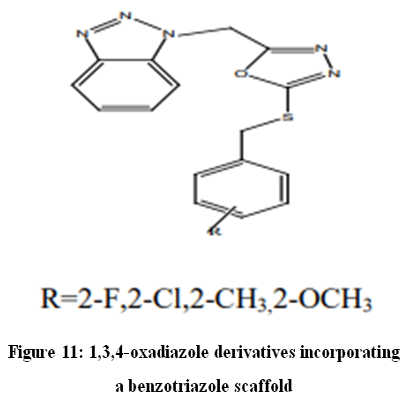 |
Figure 11: 1,3,4-oxadiazole derivatives incorporating a benzotriazole scaffold
|
Swideret al41have shown derivatives of 4,5,6,7-tetrabromo-benzotriazole (TBB) figure 12. are strong inhibitors of CK2 (casein kinase 2) activity. CK2 is an important enzyme with multiple subunits, including two catalytic subunits, CK2α and CK2α’, and a regulatory dimer, CK2β.Inhibitionof any of these subunits has been shown to disrupt CK2’s normal function, ultimately inducing cell death. This highlights the therapeutic potential of TBB derivatives figure 13 and 14 in targeting CK2 for cancer treatment and other diseases associated with dysregulated kinase activity.42
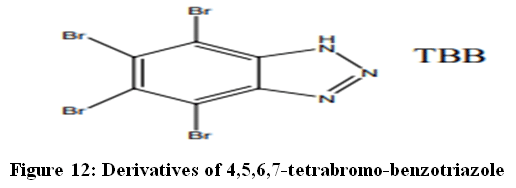 |
Figure 12: Derivatives of 4,5,6,7-tetrabromo-benzotriazole
|
CK2 plays a crucial role in tumor cells by safeguarding them against apoptosis (programmed cell death). As a result, inhibiting CK2 activity offers a promising therapeutic strategy for cancer treatment. By disrupting this protective mechanism, CK2 inhibition can sensitize tumor cells to apoptosis, thereby promoting their destruction and potentially improving treatment outcomes.
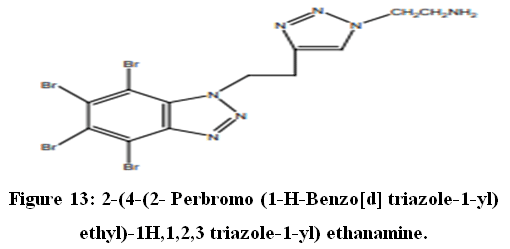 |
Figure 13: 2-(4-(2- Perbromo (1-H-Benzo[d] triazole-1-yl) ethyl)-1H,1,2,3 triazole-1-yl) ethanamine.
|
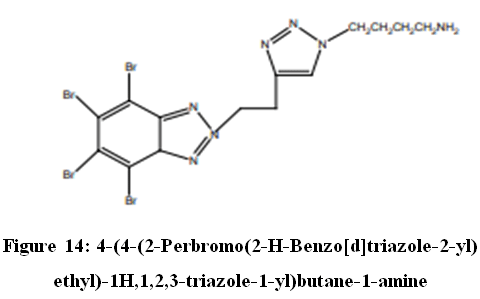 |
Figure 14: 4-(4-(2-Perbromo(2-H-Benzo[d]triazole-2-yl)ethyl)-1H,1,2,3-triazole-1-yl)butane-1-amine\
|
Antiviral (HIV) activity
Bosque et al42have proposed an innovative strategy for curing human immunodeficiency virus by leveraging the action of benzotriazoles figure 15. to reactivate dormant HIV-1. The challenge of latent HIV-1 reservoirs, which persist as a major obstacle to HIV eradication, is addressed through the inhibition of STAT5 SUMOylation. Benzotriazoles specifically block the SUMOylation of phosphorylated STAT5, thereby enhancing its activity and increasing its binding to latent HIV-1 reservoirs. This process reduces the size of these latent reservoirs in primary cells without inducing unwanted cell proliferation. In this context, benzotriazoles act as latency-reversing agents, with STAT5 signalling and SUMOylation emerging as key targets for novel HIV eradication strategies. This approach has shifted the focus of HIV research towards new avenues for “shock and kill” therapies, offering hope for more effective ways to eliminate the virus from the body.43
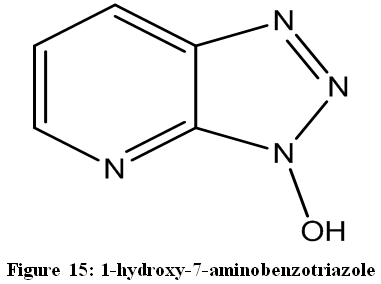 |
Figure 15: 1-hydroxy-7-aminobenzotriazole
|
Anthelmintic activity
Helminth infections have become an increasing concern as a cause of various diseases. In response, Pawar et al43synthesized innovative 1,2,3-benzotriazole derivatives figure 16 and evaluated their anthelmintic activity. The compounds were examined against maturePheretima posthuma (earthworms), chosen for their anatomical and physiological similarities to the intestinal roundworm parasites that affect humans. This approach aimed to identify potential new treatments for helminthic infections.44
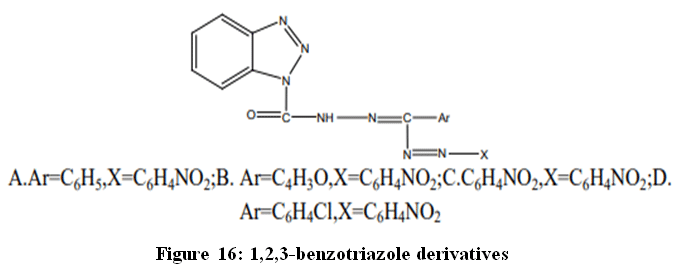 |
Figure 16: 1,2,3-benzotriazole derivatives
|
The benzotriazole derivatives containing a nitro group exhibit the most potent anthelmintic activity. Additionally, N-alkylated derivatives of benzotriazole figure 17 have also demonstrated significant anthelmintic effects. These compounds have been tested on Pheretima posthuma (Indian earthworm) by Sudhir et al45 showing promising results in their effectiveness against parasitic infestations.45
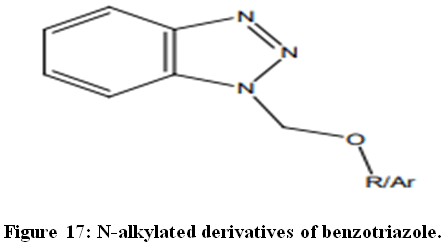 |
Figure 17: N-alkylated derivatives of benzotriazole.
|
Antimicrobial activity
Heterocyclic compounds have shown significant promise in the treatment of microbial diseases, demonstrating potent antibacterial effects. Among these, acridine derivatives of benzotriazole have been particularly effective, exhibiting strong antibacterial activity against a range of pathogenic bacteria, including Pseudomonas aeruginosa, Staphylococcus aureus, Bacillus subtilis, Escherichia coli, Proteus vulgaris, Klebsiella pneumoniae, and Salmonella typhi, all of which are commonly encountered in clinical infections. These results underscore the potential of acridine-benzotriazole derivatives (figure 18) as promising candidates for the development of novel antibacterial treatments.46
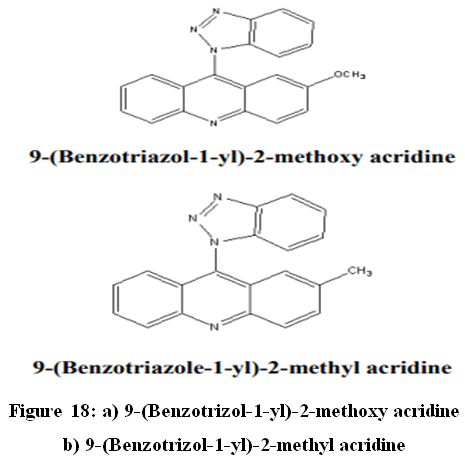 |
Figure 18: a) 9-(Benzotrizol-1-yl)-2-methoxy acridine; b) 9-(Benzotrizol-1-yl)-2-methyl acridine
|
Kumar et al46 synthesized some others derivative of benzotriazole (figure 19) showing antibacterial activities.
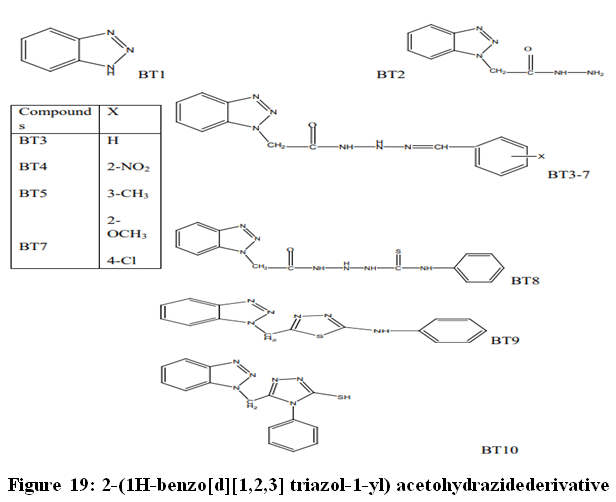 |
Figure 19: 2-(1H-benzo[d][1,2,3] triazol-1-yl) acetohydrazidederivative
|
These derivatives have been tested for their antibacterial properties against various bacterial strains, including Pseudomonas aeruginosa, Staphylococcus aureus, Bacillus subtilis, Escherichia coli, Proteus vulgaris, Klebsiella pneumoniae, and Salmonella typhi. Among them, BT1 stands out for its exceptional effectiveness in inhibiting both Gram-positive and Gram-negative bacteria.Likewise, BT1 exhibitsconsiderable antifungal activity against Candida albicans, highlighting its broad-spectrum antimicrobial potential.47
Antidepressant activity
Benzotriazole derivatives have demonstrated pharmacological activity as anti-serotonergic agents, meaning they inhibit the action of serotonin, a neurotransmitter linked to regulating mood and anxiety. By blocking serotonin’s activity, these compounds may help alleviate anxiety symptoms, as serotonin is often involved in the pathophysiology of anxiety disorders.
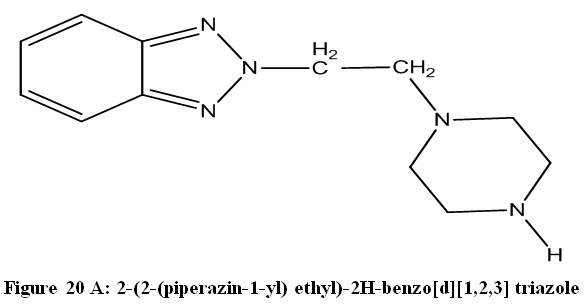 |
Figure 20 A: 2-(2-(piperazin-1-yl) ethyl)-2H-benzo[d][1,2,3] triazole
|
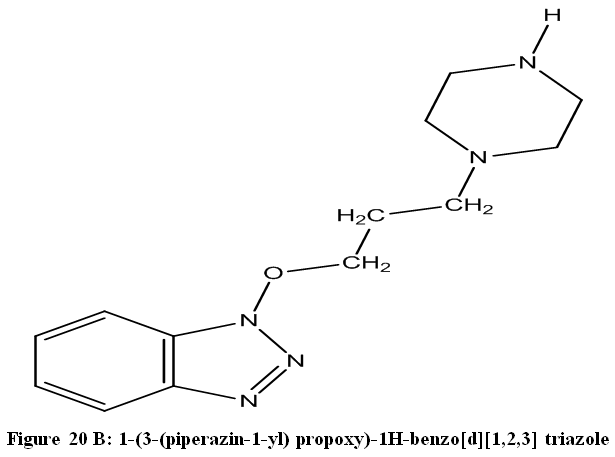 |
Figure 20 B: 1-(3-(piperazin-1-yl) propoxy)-1H-benzo[d][1,2,3] triazole
|
The research conducted by Caliendo and co-worker explores the anti-serotonergic effects of a range of benzotriazole derivatives, specifically figure 20A and figure 20B, these compounds were evaluated for their potential to modulate serotonin receptors, revealing varying degrees of serotonergic activity. The results suggest that structural modifications to the piperazine and benzotriazole rings influence the anti-serotonergic efficacy, offering valuable insight into the development of selective serotonin receptor modulators.48-52
Antioxidant activity
Antioxidants are vital reducing agents that help stabilize free radicals, especially those produced during cellular metabolism. These free radicals, like Reactive Oxygen Species (ROS), can inflict considerable damage to cells and tissues. Antioxidants neutralize these harmful molecules to protect against oxidative stress. Recent studies have shown that benzotriazole derivatives, specifically those of N-phenyl acetamide and carbamic acid (figure 21), exhibit notable antioxidative properties, effectively counteracting the destructive effects of ROS and contributing to cellular protection.53-58
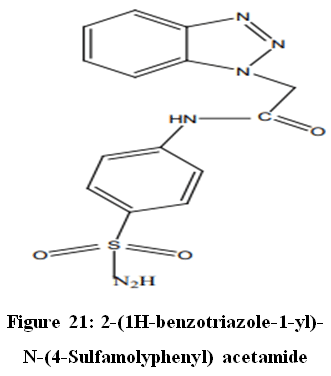 |
Figure 21: 2-(1H-benzotriazole-1-yl)-N-(4-Sulfamolyphenyl) acetamide
|
Anti-inflammatory activity
Inflammation is a physiological response characterized by symptoms such as swelling and pain, typically occurring when the immune system reacts to injury or the presence of harmful antigens. In this context, Jain and his team58have investigated the anti-provocative properties of N-(Alkyl or Aryl)-2-(1H-benzotriazol-1-yl) ethanamide derivatives, which are compounds based on benzotriazole. Their study investigates how these benzotriazole derivatives may exert anti-inflammatory effects, potentially offering new therapeutic avenues for managing inflammation-related conditions.58-63
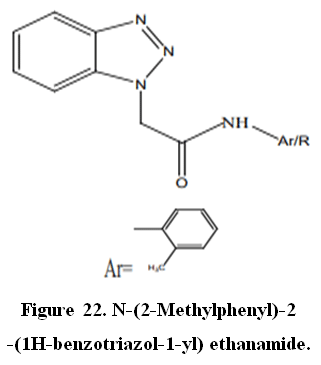 |
Figure 22: N-(2-Methylphenyl)-2-(1H-benzotriazol-1-yl) ethanamide.
|
Antituberculosis Activity
Thereplacement of the benzotriazole with halogen atoms on the phenyl ring has been shown significantly enhance the bioactivity of benzotriazole derivatives. Specifically, chlorine-substituted benzotriazole derivatives exhibit notable anti-mycobacterial activity. Interestingly, when the chlorine atoms on the benzotriazole ring are replaced by other halogens, the anti-mycobacterial activity decreases considerably. Furthermore, the existence of a nitro grouping in the benzyloxy part of the molecule, coupled with a dichloro-substitution on the benzotriazole ring, contributes to a marked increase in biological activity. Dubeyand his coworkerexplored various halogenated and nitro-containing compounds for their potential antituberculosis activity, underscoring the significance of these structural modifications in improving therapeutic efficacy.64-68
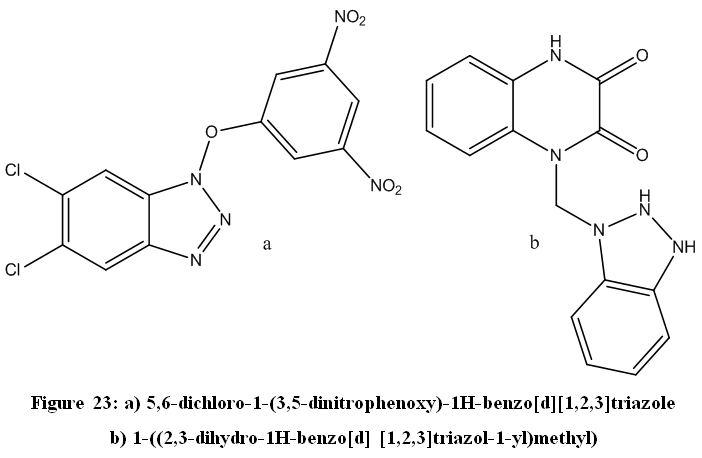 |
Figure 23: a) 5,6-dichloro-1-(3,5-dinitrophenoxy)-1H-benzo[d][1,2,3]triazole; b) 1-((2,3-dihydro-1H-benzo[d] [1,2,3]triazol-1-yl)methyl)
|
Conclusion
The chemistry, multifunctional role, and pharmacological potential of benzotriazole, a versatile class of bioactive heterocyclic compounds, are highlighted in this review. These molecules exhibit a variety of biological activities, including antibacterial, antiviral, anticancer, antimicrobial, anti-inflammatory, anticonvulsant, analgesic, and antioxidant effects. The electron-rich and conjugated structure of the benzotriazoles are useful scaffolds for drug design.
Acknowledgement
Author wishesto expresssincere gratitude to the Management and Principal of MET Institute of Pharmacy, Bhujbal Knowledge city, Adgaon, Nashik (M.S.) for their invaluable support and guidance.
Funding Sources
The author(s) received no financial support for the research, authorship, and/or publication of this article.
Conflict of interest
The authors do not have any conflict of interest.
Data Availability Statement
This statement does not apply to this article.
Ethics Statement
This research did not involve human participants, animal subjects, or any material that requires ethical approval.
Informed Consent Statement
This study did not involve human participants, and therefore, informed consent was not required.
Clinical Trial Registration
This research does not involve any clinical trials.
Permission to reproduce material from other sources
Not Applicable.
Author Contributions
- Sandeep Purkar: Conceptualization, Methodology, Data Collection, Analysis, Writing
- Rani Kankate: Final Approval
- Dinesh Rishipathak: Final Approval
References
- Singh VK, Rishishwar P, Bhardwaj P, Alok S. Benzotriazole: A heterocyclic molecule with diversified pharmacological activities. Int J Pharm Sci Res. 2017;8(2):446-456.
- Khalafi-Nezhad A, Soltani Rad MN, Mohabatkar H, et.al., Design, synthesis, antibacterial and QSAR studies of benzimidazole and imidazole chloroaryloxyalkyl derivatives. Bioorg Med Chem. 2005;13:1931-1938.
CrossRef - Arjmand F, Mohani B, Ahmad S. Synthesis, antibacterial, antifungal activity, and interaction of CTDNA with a new benzimidazole derived Cu(II) complex. Eur J Med Chem. 2005;40:1103-1110.
CrossRef - Jamkhandi CM, Disouza JI, Asgekar SD, et.al., Synthesis, characterization, in-vitro anti-inflammatory activity and QSAR evaluation of benzotriazolyl-3-{5-(carboxymethyl) diazenyl}-2-hydroxyphenyl prop-2-enoic acid derivatives. Eur J Pharm Med Res. 2015;2:302-306.
- Tomás F, Catalán J, Pérez P, Elguero J. On the acidity and basicity of azoles: The Taft scheme for electrostatic proximity effects. J Org Chem. 1994;59:2799.
- Wang H, Burda C, Persy G, et.al., Photochemistry of 1H-benzotriazole in aqueous solution: A photolatent base. J Am Chem Soc. 2000;122:5849.
CrossRef - Abonia R, Insuasty B, Quiroga J, et.al., Benzotriazole derivatives: Synthesis and applications. Mini Rev Org Chem. 2004;1:387.
CrossRef - Furniss BS, Hannaford AJ, Smith PWG, et.al.,Vogel’s Textbook of Practical Organic Chemistry. 5th ed. Longman; 1989:1163.
- Khalafi A, Zare A, Parhami A, et.al., Highly regioselective N-alkylation of benzotriazole under solvent-free conditions. J Iran Chem Soc. 2007;4(3):271-278.
CrossRef - Damschroder RE, Peterson WD. Organic Syntheses. In: Blatt AH, ed. Organic Syntheses. Coll Vol 3. New York: Wiley; 1955:106.
- Farag AM, Dawood KM, Kandeel ZE. Synthesis and reactivity of benzothiazol-2-ylcarbonylhydroximoyl chloride, a versatile synthon. 1997;53:161.
CrossRef - Al-Omran F, Mohareb RM, Abou El-Khair A. Synthesis and biological effects of new derivatives of benzotriazole as antimicrobial and antifungal agents. J Heterocycl Chem. 2007;39:877.
CrossRef - Yu KL, Zhang Y, Civiello RL, et al. Fundamental structure–activity relationships associated with a new structural class of respiratory syncytial virus inhibitor. Bioorg Med Chem Lett. 2003;13:2141-2144.
CrossRef - Kapanska K, Najda A. Synthesis and activity of 1H-benzotriazole and 1H-benzimidazole as inhibitors of Acanthamoeba castellanii.Bioorg Med Chem. 2004;12:2617-2624.
CrossRef - Bretner M, Baier A, Kopanska K, et al. Synthesis and biological activity of 1H-benzotriazole and 1H-benzimidazole analogues: Inhibitors of the NTPase/helicase of HCV and related Antiviral Chem Chemother. 2004;16:315-326.
CrossRef - Anjana VS, Kumar PM. An overview on medicinal perspective and biological behavior of benzotriazole; synthetic study on its multifaceted biological activities. 2021;8(5):365-78.
CrossRef - Keri RS, Hiremathad A, Budagumpi S, Nagaraja BM. Comprehensive review in current developments of benzimidazole‐based medicinal chemistry. Chemical biology & drug design. 2015 Jul;86(1):19-65.
CrossRef - Asati KC, Srivastava SK, Srivastava SD. Synthesis of 5-arylidene-2-aryl-3-(benzotriazoloacetamidyl)-1,3-thiazolidin-4-ones as analgesic and antimicrobial agents. Indian J Chem B. 2006;45B:526-531.
CrossRef - Chikhale HU, Rishipathak DD. Design, synthesis, in silico modelling, and in vitro neuroprotective evaluation of benzo[d]oxazole–1,3,4-oxadiazole hybrids. In Silico Res Biomed. 2026;100272. doi:10.1016/j.insi.2026.100272
CrossRef - Wan J, Lv PC. Facile synthesis of novel benzotriazole derivatives and their antibacterial activities. J Chem Sci. 2010;122(4):597-606.
CrossRef - Dubey A, Srivastava SK, Srivastava SD. Conventional and microwave assisted synthesis of 2-oxo-4-substituted aryl-azetidine derivatives of benzotriazole: A new class of biological compounds. Bioorg Med Chem Lett. 2011;21:569-573.
CrossRef - Khabnadideh S, Rezaei Z, Pakshir K, et al. Synthesis and antifungal activity of benzimidazole, benzotriazole and aminothiazole derivatives. Res Pharm Sci. 2012;7(2):65-72.
- Jamkhandi CM, Disouza JI. Evaluation of antioxidant activity for some benzotriazole substituted with N-phenylacetamide and acetylcarbamic acid derivatives. Int J Pharm Pharm Sci. 2013;5(2):249-253.
- Shah JJ, Mohanraj K. Comparison of conventional and microwave-assisted synthesis of benzotriazole derivatives. Indian J Pharm Sci.
- Gitanjali KP, Harshada CP, Indira MP, et.al., Benzotriazole – The molecule of diverse biological activities. World J Pharm Pharm Sci. 2015;4(5).
- Kumar V, Malhotra SV. Synthesis of nucleoside-based antiviral drugs in ionic liquids. Bioorg Med Chem Lett. 2008;18:5640-5642.
CrossRef - Simunovic M, Perkovic I, Zorc B, et.al., Urea and carbamate derivatives of primaquine: synthesis, cytostatic and antioxidant activities. Bioorg Med Chem. 2009;17:5605-5613.
CrossRef - Perkovic I, Butula I, Kralj M, et.al., Novel NSAID 1-acyl-4-cycloalkyl/aryl semicarbazides and 1-acyl-5-benzyloxy/hydroxyl carbamoyl carbazides as potential anticancer agents and antioxidants. Eur J Med Chem. 2012;51:227-238.
CrossRef - Jain NP, Upasani CD, Kalkotwar RS. et.al., Synthesis and anti-inflammatory activity of N-(alkyl or aryl)-2-(1H-benzotriazol-1-yl) acetamide derivatives. Res J Pharm Biol Chem Sci. 2013;4:1470-1480.
- Cantwell MG, Sullivan JC, Burgess RM. Benzotriazoles: History, environmental distribution, and potential ecological effects. In: Comprehensive Analytical Chemistry. Vol 67. Elsevier; 2015:513-545.
CrossRef - Baran D, Balan A, Stubhan T, et.al., Photovoltaic properties of benzotriazole-containing alternating donor–acceptor copolymers: Effect of alkyl chain length. Synth Met. 2012;162:2047-2051
CrossRef - Lei YH, Sheng N, Hyono A, et.al., Effect of benzotriazole (BTA) addition on polypyrrole film formation on copper and its corrosion protection. Prog Org Coat. 2014;77(2):339-346.
CrossRef - Indhumathy P, Padmapriya P, Soundar C. et.al., Benzotriazole: An overview of its versatile biological behaviour. Phytomed., 2024:13(1):310-319.
CrossRef - Ravichandran R, Nanjundan S, Rajendran N. Corrosion inhibition of brass by benzotriazole derivatives in NaCl solution. Anti-Corros Methods Mater. 2005;52:226-232.
CrossRef - Wu X, Chou N, Luphar D, Davis LC. Benzotriazole toxicity and degradation. In: Proceedings of the Conference on Hazardous Waste Research.
- Fan J, Tong G, Chen X, et.al., CK2 blockade alleviates liver fibrosis by suppressing activation of hepatic stellate cells via the Hedgehog pathway. J. Pharm. 2023 Jan;180(1):44-61.
CrossRef - Roffey SE, Litchfield DW. CK2 regulation: perspectives in 2021. 2021 Sep 30;9(10):1361.
CrossRef - Rezaei Z, Khabnadideh S, Pakshir K., et.al., Design, synthesis, and antifungal activity of triazole and benzotriazole derivatives. Eur J Med Chem. 2009;44(7):3064-3067.
CrossRef - Sudhir MS, Nadh RV, Radhika S. Antifungal activities of 1,2,3-benzotriazole derivatives synthesized by ultrasonic and solvent-free conditions. Drug Invent Today. 2013;5:126-132
CrossRef - Zhang S, Luo Y, He LQ, et.al., Synthesis, biological evaluation, and molecular docking studies of novel 1,3,4-oxadiazole derivatives possessing benzotriazole moiety as FAK inhibitors with anticancer activity. Bioorg Med Chem. 2013;21(13):3723-3729.
CrossRef - Swider R, Masłyk M, Zapico JM, et al. Synthesis, biological activity and structural study of new benzotriazole-based protein kinase CK2 inhibitors. RSC Adv. 2015;5:72482-72494.
CrossRef - Bosque A, Macedo AB, Spivak AM, et al. Benzotriazoles reactivate latent HIV-1 through inactivation of STAT5 SUMOylation. Cell Rep. 2017;18(5):1324-1334.
CrossRef - Pawar S. S, Gorde P.L, Kakde P.B. Synthesis of new N1 substituted benzotriazoles as anthelminthic agents. Archives of applied science research. 2(1), 2012,80-85.
- Singh N P, Kumar R, Deo N. P, Sharma S et. al. Synthesis and Antibacterial Activity of Benzotriazole Substituted Acridines. International Journal of Biological Chemistry. 5, 193-199.
CrossRef - Sudhir M.S, R Venkata Nadh. Evaluation of invitro Anthelmintic activities of novel 1,2,3, benzotriazole derivatives synthesized in ultrasonic and solvent free conditions. Journal Pharmacy research 7,2013,47-52
CrossRef - Kumar PB, Kini SG, Mubeen M. Synthesis, antimicrobial and docking studies of novel benzotriazole derivatives. Int J Pharma Bio Sci. 2014;5:35-42.
- Caliendo G, Di Carlo R, Greco G, et.al., Synthesis and biological activity of benzotriazole derivatives structurally related to trazodone. Eur J Med Chem. 1995;30:77-84.
CrossRef - Suma BV, Natesh NN, Venkataramana CHS, Jays J, Madhavan V. Synthesis and antibacterial activity of some new 1,2,3-benzotriazole derivatives containing pyrazolidinedione moieties. Int J Pharm Pharm Sci. 2012;4(1).
- Shi F, Waldo JP, Chen Y, Larock RC. Benzyne click chemistry: synthesis of benzotriazoles from benzynes and azides. Org Lett. 2008;10(12):2409-2412.
CrossRef - Zhou J, He J, Wang B, Yang W, Ren H. 1,7-Palladium migration via C–H activation followed by intramolecular amination: regioselective synthesis of benzotriazoles. J Am Chem Soc. 2011;133:6868-6870.
CrossRef - Łukasik E, Wróbel Z. 2-(Arylamino)aryl iminophosphoranes as convenient starting materials in the synthesis of 1,2,3-benzotriazoles. 2014;25:1987-1990.
CrossRef - Kumar RK, Ali MA, Punniyamurthy T. Pd-catalyzed C–H activation/C–N bond formation: a new route to 1-aryl-1H-benzotriazoles. Org Lett. 2011;13(8).
CrossRef - Damschroder RE, Peterson WD. 1,2,3-Benzotriazole. In: Organic Syntheses. Coll Vol 3. Wiley; 1955:106.
- Shah JJ, Mohanraj KP. Comparison of conventional and microwave-assisted synthesis of benzotriazole derivatives. Indian J Pharm Sci. 2014;76(1):46-53.
- Ramarao NS, Vutla VR. Novel synthetic approaches of 1,2,3-benzotriazole derivatives under solvent-free conditions. Der Pharm Lett. 2013;5(5):164-167.
- Swamy SN, Basappa, Sarala G, et al. Microwave-assisted synthesis of N-alkylated benzotriazole derivatives: antimicrobial studies. Bioorg Med Chem Lett. 2006;16:999-1004.
CrossRef - Rishipathak DD, Patil D, Chikhale HU. Synthesis and biological evaluation of some newer 1H-benzo[b][1,5]diazepin-2(3H)-one derivatives as potential anticonvulsant agents. Pharm Sci. 2022;28(4):630-637
CrossRef - Jain NP, Upasani CD, Kalkotwar RS and Jain UN. Synthesis and anti-inflammatory activity of N-(alkyl or aryl)-2-(1H-benzotriazol-1-yl) acetamide derivatives. Res J Pharm Biol ChemSci, 2013,4, 1470-1480
- Amini M, Aliofkhazraei M, Navidi Kashani AH, Rouhaghdam AS. Mild steel corrosion inhibition by benzotriazole in 0.5 M sulfuric acid solution on rough and smooth surfaces. Int J Electrochem Sci. 2017;12:8708-8732.
CrossRef - Carta A, Pricl S, Piras S, et.al., Activity and molecular modeling of a new small molecule active against NNRTI-resistant HIV-1 mutants. Eur J Med Chem. 2009;44(12):5117-5122.
CrossRef - Dawood KM, Gawad HA, Raghav EA, et.al., Synthesis, anticonvulsant, and anti-inflammatory evaluation of some new benzotriazole and benzofuran-based heterocycles. Bioorg Med Chem. 2006;14:3672-3680.
CrossRef - Chikhale HU, Rishipathak DD. In silico prediction, molecular docking study for identification of novel nitrogen substituted benzoxazole derivative for their potential biological activity. Chemistry Africa. 2025 Apr;8(3):909-21.
CrossRef - Puckowska A, Bartulewicz D, Midura-Nowaczek K. Aromatic benzotriazole amides: synthesis and biological evaluation. Acta Pol Pharm. 2005;62:59-64.
- Dubey A, Srivastava SK, Srivastava SD. Conventional and microwave-assisted synthesis of 2-oxo-4-substituted aryl-azetidine derivatives of benzotriazole. Bioorg Med Chem Lett. 2011;21:569-573.
CrossRef - Lv M, Ma J, Li Q, Xu H. Discovery of benzotriazole azo-phenol/aniline derivatives as antifungal agents. Bioorg Med Chem Lett. 2018;28:181-187.
CrossRef - Swamy SN, Sarala G, Priya BS, Gaonkar SL, Prasad JS, Rangappa KS. Microwave-assisted synthesis of N-alkylated benzotriazole derivatives: antimicrobial studies. Bioorg Med Chem Lett. 2006;16(4):999-1004.
CrossRef - Chojnacki K, Wińska P, Skierka K, Wielechowska M, Bretner M. Synthesis, in vitro antiproliferative activity and kinase profile of new benzimidazole and benzotriazole derivatives. Bioorg Chem. 2017;72:1-10.
CrossRef - Patel JS, Garg CS, Sen DJ. Synthesis of novel N-substituted 2-(1H-benzotriazol-1-yl) acetohydrazide derivatives as antimicrobial agents. Int J Drug Dev Res. 2012;4:322-329.
 PlumX:
 Views: 1373 Views
  PDF Downloads:
189
PDF Downloads:
189 Accepted on: 02-05-2026
Second Review by: Dr. Joel Praneeth
Final Approval by: Dr. Eugene A. Silow