Synthesis, Spectral Characterization (Infrared, Nuclear Magnetic Resonance, Ultraviolet-Visible) and Biological Screening of Novel Semicarbazide and Thiosemicarbazide Compounds
 , Krushna Balu Dhumane, Yash Sonaram Choudhari, Harshal Parashram Chavan and Sunil Vilas Amrutkar
 Department Of Pharmaceutical Chemistry, GES’s Sir Dr. M. S. Gosavi College of Pharmaceutical Education and Research, Nashik, India
Corresponding Author E-mail:janhavig005@gmail.com
DOI : http://dx.doi.org/10.13005/bbra/3574
Download this article as:

Organic heteroatom compounds such as semicarbazides and thiosemicarbazides possess diverse structural features and important biological activities, including antimicrobial and anticancer properties. The presence of nitrogen and sulfur atoms enhances their interaction with biological targets, making them valuable scaffolds for drug development. Their nucleophilic and electrophilic centers enable the synthesis of novel derivatives through condensation reactions with ketones and carboxylic acids. Structural diversity among these compounds allows the generation of chemically varied molecules with promising ADME characteristics. In this study, derivatives were synthesized using an environmentally friendly microwave-assisted method, which provided advantages over conventional synthesis, such as shorter reaction time, higher yield, and reduced solvent waste. The synthesized compounds were characterized by elemental analysis, NMR, IR, and UV–Visible spectroscopy, confirming their structures and functional groups. Pharmacokinetic evaluation indicated acceptable solubility and compliance with Lipinski’s Rule of Five. The compounds were further evaluated for in vitro antimicrobial and anthelmintic activities, where several derivatives showed promising biological potential. To improve scientific clarity and impact, the presentation should include better organization and concise discussion of the main findings. Quantitative data such as percentage yield, reaction time reduction, biological activity values, and direct comparison between conventional and microwave-assisted methods would strengthen the overall scientific value of the study.
KEYWORDS:Anthelmintic Activity; Antibacterial Activity; Microwave; Pharmacokinetic parameter; Thiosemicarbazide
Introduction
Organic compounds that have been made with organic molecules in addition to carbon will continue to receive increasing amounts of interest from chemists both inside and outside the field. These organic compounds, which include semicarbazides and thiosemicarbazides, have structural variety as well as an enormous number of biological properties. In addition to the roles, they play as pharmacological or biopharmaceutical agents, these organic compounds may also serve as versatile synthetic building blocks for other types of organic compounds, such as phenanthrenes, heterocyclic compounds, Schiff bases, and coordination complexes that all have multiple therapeutic indications. These organic molecules represent new types of synthetic building blocks for pharmaceuticals that have unique ways to react with one another, especially carbonyls like ketones and carboxylic acids, and will continue to be important compounds for the synthesis of biologically active compounds in both the fields of medicinal chemistry and pharmaceutical science.The derivatives of urea, known as semicarbazides contain hydrazine groups (−NH−NH2) in place of one amino group. Thiosemicarbazides are sulfur-based compounds analogous to semicarbazides that are obtained by substituting oxygen on the carbonyl group in urea with sulfurLobana et al.1These two types of compounds can be considered as nucleophilic versus electrophilic partners in condensation reactions with ketones and aldehydes to make either Semicarbazone or Thiosemicarbazone type products from the same aldéhydes and ketones respectively Lobana et al.1 Condensation products formed from these reactions are generally more stable than their corresponding parent compounds or other similar compounds and exhibit additional efficacy as pharmacological agents. Furthermore, the ability of these two moieties to readily react with acids and carboxylic-derived compounds creates a pathway to develop new and innovative classes of compounds which may be used to create anti-microbial, anti-cancerous, anti-inflammatory, and anti-viral drugsBeraldo and Gambino.2
Thiosemicarbazide and semicarbazide react with carbonyl group (like ketone) by condensing reaction to yield semicarbazone and thiosemicarbazone, respectively, which are also good chelated forming agents and possess biocidal potency. The carbonyl carbon of carbonyl compounds (i.e., ketones) is attacked by the semicarbazide or thiosemicarbazide nitrogen, and water is eliminated to produce a C=N imine bond. This forms a crescent-like structure (such as extended conjugated systems or through hydrogen bonds), as well as a stabilization factor for existing carbonyl functionality (i.e., carbonyl compounds) and these compounds each contain many existing structures that have been extensively studied for their anti-cancer and/or antibiotic therapy (antimicrobial). For example, thiosemicarbazone and thiosemicarbazide carbonyl derivatives that contain 2-carbon or 4-carbon alkyl groups are effective cytotoxic and antiviral agents. Several previous publicationsLobana et al1have noted the ability of both semicarbazide and thiosemicarbazide derivatives to undergo reactions when treated with either an acid or an acid derivative Lobana et al.1When treated with either an acid chloride or an acid ester, these compounds generate an acyl-semicarbazide or an acyl-thiosemicarbazide. Heterocycles including triazoles, oxadiazoles, and thiadiazoles are potential intermediate products obtainable from the new acyl derivative intermediates. There is a large volume of published literature supporting the assertion that heteroglycosides have a wide range of biologic effects, e.g., anti-bacterial, anti-fungal, analgesic, and anti-tubercular. In addition to the enhancement of biological activity by adding an acyl group that can modify the lipophilicity and electronic properties of the acyl derivatives, the acyl derivatives produced should also display improved pharmacokinetic characteristics compared to their respective parent compounds Beraldo and Gambino.2 As a result, acylated semicarbazides and thiosemicarbazides have the potential of serving as a new source of lead compounds for pharmaceutical companies to discover new bioactive agents. The potential of semicarbazide and thiosemicarbazide derivatives as bioactive agents continues to be reported in current literature. For example, several semicarbazones have shown experimental evidence of their anticonvulsant activity and still have indications of a therapeutic use for the treatment of central nervous system disorders. Novel cancer therapies may be developed using thiosemicarbazones as they are able to inhibit ribonucleotide reductase, an enzyme necessary for synthesizing DNA Beraldo and Gambino.2 Furthermore, thiosemicarbazones have been studied for their antiviral properties, specifically in regards to preventing the reproduction of HIV or hepatitis C by suppressing the virus’ replication within infected cells Casas et al.3In addition, thiosemicarbazone-metal complexes have increased cytotoxicity to tumor cells (particularly those with copper and iron) and demonstrate their significance in coordinating chemistry and metallodrug design; thus these studies indicate there is also an urgent need to develop new derivatives of semicarbazide and thiosemicarbazide with ketones and acids as potential therapeutic candidates.for example, substitution patterns, electronic impact and steric hindrance are all critical factors that influence the reactivity and biological effect of these compounds. Electron donating or withdrawing substituents on a ketone or acid parent are important factors affecting the pharmacodynamics of the compound as can the presence of heteroaryl or alkyl substituents in the semicarbazide/thiosemicarbazide framework Casas et al.3A systematic investigation of these modifications would assist in the development of reliable SAR models for the development of derivatives with optimal properties. The use of green chemistry and microwave-assisted synthesis techniques will also enhance the efficiency of reactions involving semicarbazides and thiosemicarbazides by decreasing reaction times and increasing yields while adhering to the principles of sustainable drug development. The use of computational tools such as molecular docking andQuantitative Structure–Activity Relationship (QSAR) analysis will expedite drug discovery through the ability to predict the interaction of these derivatives with biological targets Garoufis et al.4 In conclusion, semicarbazide and thiosemicarbazide derivatives are a very diverse class of compounds that have extensive chemical properties and biological significance. The ability to react with ketones and carboxylic acids to produce many different structural types of molecules can be used to produce a variety of potentially useful pharmaceutical compounds. To generate new semicarbazide or thiosemicarbazide derivatives, this study utilizes knowledge gained from synthetic chemistry, evaluation of biological activities, and computational modeling. This research is focused on creating, characterizing, and analyzing the structure-activity relationships of semicarbazide and thiosemicarbazide derivatives through their reaction with ketones and carboxylic acids in order to explore their potential to be used as therapeutic agents for unmet medical needs Pandeya et al.5
Materials and Methods
Thiosemicarbazide
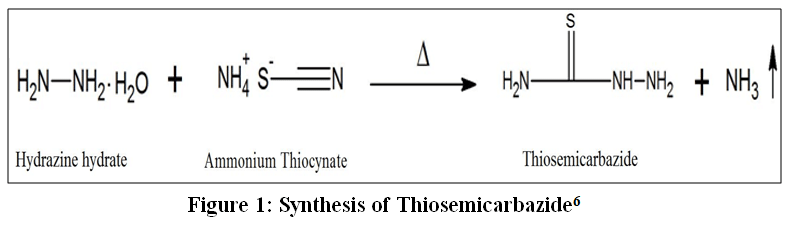 |
Figure 1: Synthesis of Thiosemicarbazide6
|
15.09 ml (0.30 mol) of hydrazine hydrate and 12.5 ml of water were mixed with 22.8 g (0.29 mol) of ammonium thiocynate. After that, the mixture was exposed to evaporation, which instantly caused NH3 to evolve. After bringing the mixture to a boil until it reached 130 °C, it was cooled to 15 °C. Next, 5 ml of water was added, and the mother liquor and thiosemicarbazide were separated. m.p. 180-182 °C, Yield: 14.04g (50%), R f: 0.63[chloroform: Ethyl acetate (9:1)].6
Reacetophenone
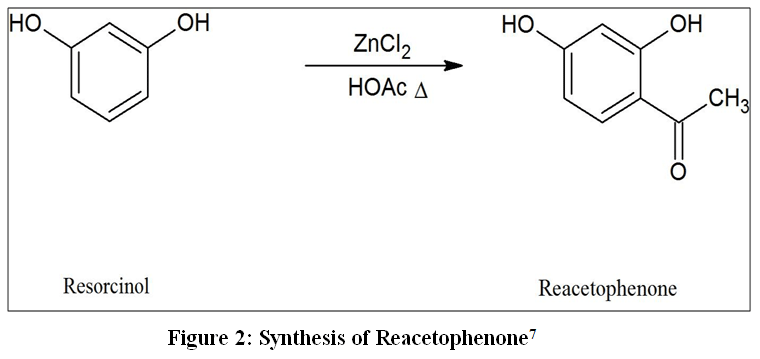 |
Figure 2: Synthesis of Reacetophenone7
|
Combine 165 grams of anhydrous zinc chloride (1.2 moles) dissolved in 165 g (158 ml, 2.7 moles) of glacial acetic acid in a 1-1 beaker using heat. Add 110 g (1 mole) of resorcinol to this hot mixture (about 140 °). Heat on a sand bath for a period of time until it reaches almost boiling point (152 °). Then extinguish the flame and allow the reaction to finish at no more than 159 °. After standing an additional 20 minutes without additional heating, the mixture is diluted with 250 ml of concentrated hydrochloric acid and 250 ml of water. To dissolve a sample of my red solution, the sample is cooled in an ice bath to 5°C and then filtered. The filtered sample is completely washed with dilute (1:3) hydrochloric acid and with 1 L of cold water. After washing, the orange crystals are dried, weighed (104-110 g), and melt in the range of 141°-143°C. To further purify the sample, the crystals are dissolved in 1.8 L of hot dilute (1:11) HCl, filtered at 50°-70°C, and cooled again to 5°C. The final filtering of the tan resacetophenone results in a complete crystal separation, m.p 142-144°C, Yield: 93-99 g. (61-65%), R f: 0.5 [chloroform: Ethanol (9:1)].7
Semicarbazide
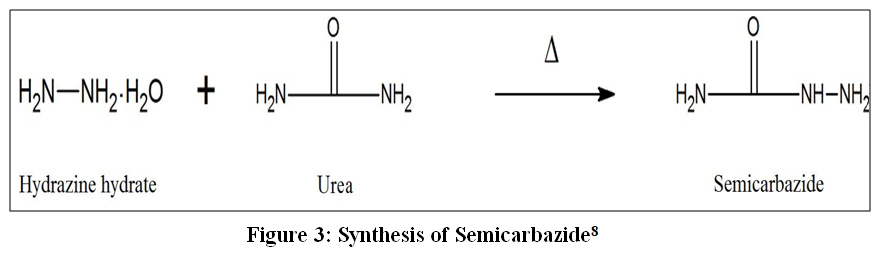 |
Figure 3: Synthesis of Semicarbazide8
|
Weigh precisely 1.00 mole of urea and 1.20 mole of hydrazine hydrate. Place both into a round-bottom flask. Attach a reflux condenser to the flask. Heat the contents of the flask for 3 hours 30 minutes under constant stirring at reflux temperature. After the heating is completed, allow the contents of the flask to cool prior to filtering unreacted impurities from the mixture. To the resultant filtrate, add excess cold methanol while stirring until the solute is completely dissolved and the solution becomes clear. To this methanol solution, then slowly add concentrated hydrochloric acid until all the solute is acidified and the semicarbazide hydrochloride is precipitated. Filter the precipitated semicarbazide hydrochloride and if any precipitation occurs after filtration, cool the filtrate in an ice bath. Wash the semicarbazide hydrochloride with a small amount of cold methanol, then dry the product in vacuum or under a desiccator. Yield: 9.47 g (92.3 %), m.p 175-177℃, R f: 0.81 [Ethanol: Water (14:6)].8
Scheme 1
Microwave-Assisted Synthesis of (2Z)-[1-(2,4-dihydroxyphenyl)ethylidene]hydrazine-1-carbothiomide(TS1)
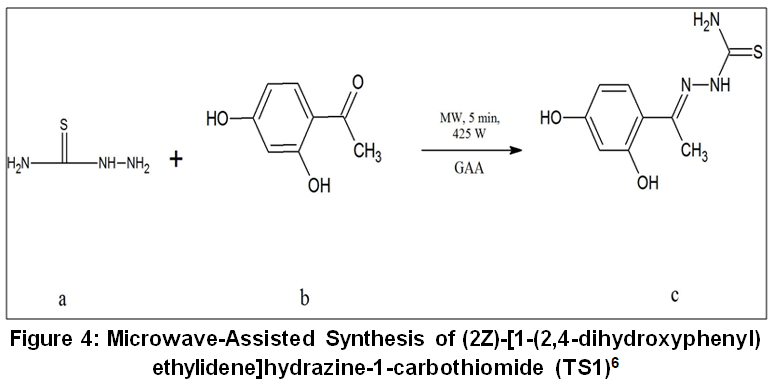 |
Figure 4: Microwave-Assisted Synthesis of (2Z)-[1-(2,4-dihydroxyphenyl)ethylidene]hydrazine-1-carbothiomide (TS1)6
|
Accurately weigh equal moles of thiosemicarbazide and reacetophenone (0.84 mmol) into a clean and dry round bottom flask. Add 2-3 drops of glacial acetic acid to the flask as a catalyst for the reaction and place the flask in a microwave reactor; reflux for 5 minutes at 425 watts. Allow the reaction to cool to room temperature; if there is any solid product, filter off the solids. If there is any crude product, wash out with a cold solvent (water or ethanol), and recrystallize the product from ethanol or another suitable solvent to obtain a pure semicarbazone derivative. Yield: 2.46 g (99.2 %), m.p 210-212℃, Rf: 0.56 [chloroform: Ethanol (9:1)].6
Scheme 2
Conventional Procedure for Synthesis of (2Z)-[1-(2,4-dihydroxyphenyl) ethylidene] hydrazine-1-carbothiomide(TS1)
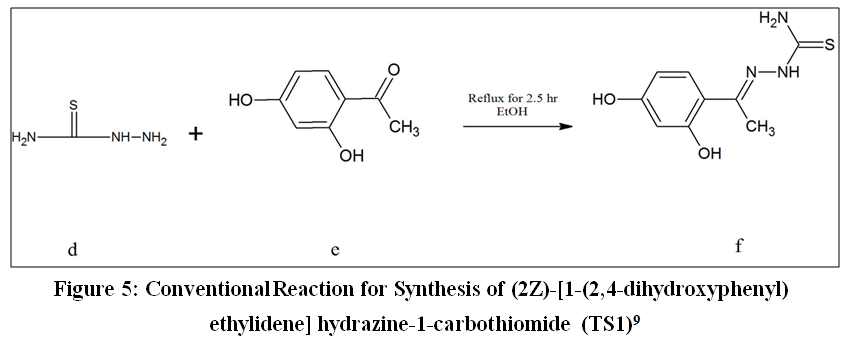 |
Figure 5: Conventional Reaction for Synthesis of (2Z)-[1-(2,4-dihydroxyphenyl) ethylidene] hydrazine-1-carbothiomide (TS1)9
|
In 10 milliliters of boiling distilled water, dissolve 1.12 grams of thiosemicarbazide. To neutralize the released HCl and liberate the free thiosemicarbazide base, add 0.82 g of sodium acetate. Stir continuously until a clear solution is obtained. Label this as Solution A. Dissolve 1.52 g of acetophenone in 10–15 mL of hot ethanol. Label this Solution B. Slowly add Solution A to Solution B while stirring continuously. Reflux the reaction mixture for two and a half hours after transferring it to a round-bottom flask (RBF). To cause crystallization, chill the mixture in an ice bath following reflux. Gather the solid through filtering. Recrystallize the product from ethanol to obtain pure crystals. Yield: 2.08 g (83.9 %), m.p 210-212℃, Rf: 0.35 [chloroform: Ethanol (9:1)] Chavan et al.9
Scheme 3
Microwave-Assisted Synthesis of (2Z)-2-[1-(2,4-dihydroxyphenyl) ethylidene]hydrazine-1-carboxamide (S1)
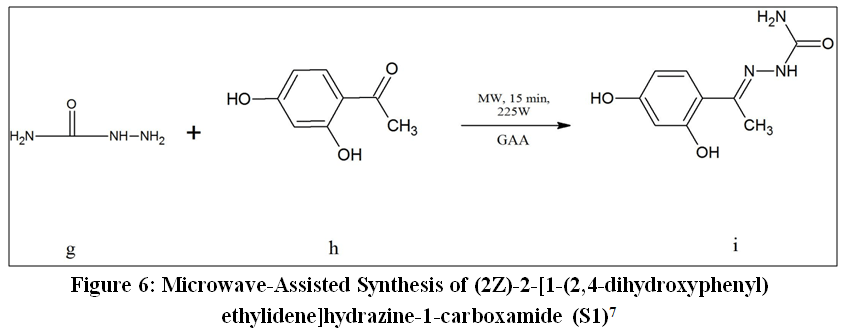 |
Figure 6: Microwave-Assisted Synthesis of (2Z)-2-[1-(2,4-dihydroxyphenyl) ethylidene]hydrazine-1-carboxamide (S1)7
|
Accurately weigh equal moles of thiosemicarbazide and reacetophenone (0.84 mmol) into a clean and dry round bottom flask. Add 2-3 drops of glacial acetic acid to the flask as a catalyst for the reaction and place the flask in a microwave reactor; reflux for 5 minutes at 425 watts. Allow the reaction to cool to room temperature; if there is any solid product, filter off the solids. If there is any crude product, wash out with a cold solvent (water or ethanol), and recrystallize the product from ethanol or another suitable solvent to obtain a pure semicarbazone derivative. Yield: 2.45 g (80.1%), mp 240-245 ℃. Rf: 0.51 [chloroform: Ethanol (9:1)].7
Scheme 4
Conventional Procedure for Synthesis of (2Z)-2-[1-(2,4-dihydroxyphenyl) ethylidene]hydrazine-1-carboxamide (S1)
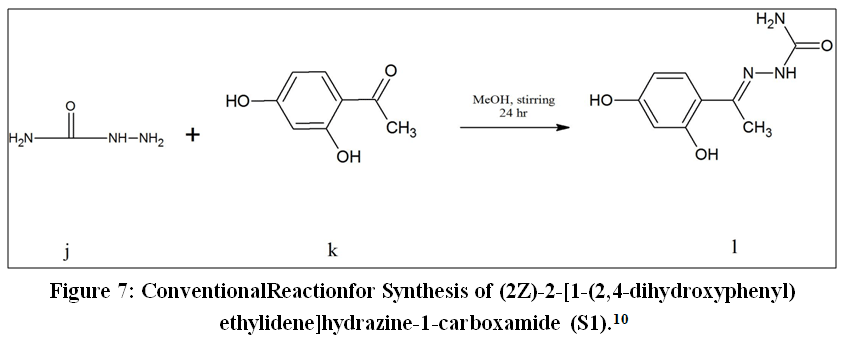 |
Figure 7: Conventional Reaction for Synthesis of (2Z)-2-[1-(2,4-dihydroxyphenyl) ethylidene]hydrazine-1-carboxamide (S1).10
|
A magnetically stirred solution containing semicarbazide substitutions in MeOH was added to a round bottle flask containing benzaldehyde derivatives at a 1:1 molar ratio. Benzaldehyde derivative concentrations were 1.0 mmol Burrows. The mixture was stirred at room temperature for 24 hr. When finished, product was filtered (through a rubber disc), washed with methanol, and dried at room temperature. Yield: 2.98 g (97.4 %), m.p 240-245℃, Rf : 0.7 [chloroform: Ethanol (9:1)] Prasad et al.10
Scheme 5
Microwave-Assisted Synthesis of 2-[(2E)-3-Phenylprop-2-enoyl] hydrazine-1-carboxamide (S2)
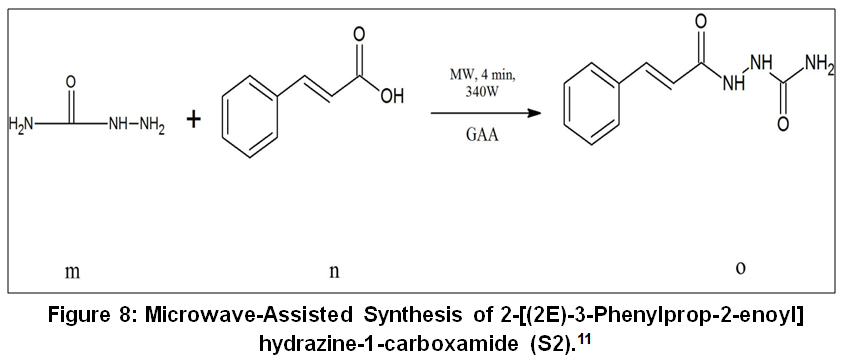 |
Figure 8: Microwave-Assisted Synthesis of 2-[(2E)-3-Phenylprop-2-enoyl] hydrazine-1-carboxamide (S2).11
|
Mix cinnamic acid and semicarbazide (1:1). Add a couple drops of the acetic acid in there. Use a mortar to grind the mixture until it is uniform. Heat in a Microwave at 340 W for 4 minutes. Cool and wash product with cold ethanol or water. Yield: 5.63 g (54.87%), m.p 99-100℃, Rf: 0.51 [chloroform: Ethanol (9:1)] Marković and Joksović.11
Characterization
ADME , Toxicity , Physicochemical Properties Analysis:
The ADME properties of the synthesized compounds were predicted using the SwissADME online web server. The chemical structures were drawn and converted into SMILES format, which was uploaded to the SwissADME platform for analysis. Various physicochemical and pharmacokinetic parameters, including molecular weight, Log P, TPSA, GI absorption, BBB permeability, water solubility, bioavailability score, and Lipinski’s Rule of Five, were evaluated. The predicted data were recorded and analyzed to assess the drug-likeness and pharmacokinetic behavior of the synthesized compounds.
Table 1: Estimated Pharmacological Properties of (2Z)-[1-(2,4-dihydroxyphenyl)ethylidene]hydrazine-1-carbothiomide (TS1)
| Category | Parameter | Value | Normal Range / Threshold | Interpretation |
|
ADME |
BBB (Blood-Brain Barrier) | 0.2665 | >0.1 = Moderate, >0.3 = High | Moderate penetration |
| Buffer Solubility (mg/L) | 4032.86 | >100 mg/L | Excellent solubility | |
| Caco-2 Permeability | 8.22 | 4 = Low,
4–70 = Moderate, >70 = High |
Moderate but low-end | |
| CYP 2C19 Inhibition | Non | Non-inhibitor preferred | Safe | |
| HIA (Human Intestinal Abs. | 82.75% | >80% = Good | Good absorption | |
| MDCK Permeability | 20.36 | <25 = Low, >150 = High | Low permeability | |
| Plasma Protein Binding (%) | 53.94% | 50–90% = Moderate | Moderate binding | |
| TOXICITY
|
Carcino Mouse | negative | Negative | Non-carcinogenic in mice |
| TA100_10RLI | negative | negative | Non-mutagenic | |
|
PHYSICOCHEMICAL PROPERTIES |
Formula | C₉H₁₁N₃O₂S |
|
Noted |
| Molecular Weight (MW) | 225.27 g/mol | 130 – 500 g/mol | Normal | |
| H-bond Acceptors | 3 | ≤ 10 (Lipinski) | Normal | |
| H-bond Donors | 4 | ≤ 5 (Lipinski) | Normal | |
| nrotb | 3 | ≤ 10 (Veber rule) | Normal | |
| TPSA | 90.87 Ų | < 140 Ų | Normal |
Table 2: Estimated Pharmacological Properties of (2Z)-2-[1-(2,4-dihydroxyphenyl)ethylidene]hydrazine-1-carboxamide (S1)
| Category | Parameter | Value | Normal Range / Threshold | Interpretation |
| ADME | BBB (Blood-Brain Barrier) | 0.170178
|
> 0.3 (High permeability); < 0.1 (Low) | Moderate permeability |
| Buffer Solubility (mg/L) | 2732.12 | > 1000 = Good solubility | Good solubility | |
| Caco-2 Permeability | 0.211781 | > 0.9 = High; 0.1–0.9 = Moderate; < 0.1 = Poor | Moderate permeability | |
| CYP 2C19 Inhibition | Non
|
Non = Desired | Good (no inhibition) | |
| HIA (Human Intestinal Abs. | 62.78 | > 80% = High; 30–80% = Moderate; < 30% = Poor | Moderate absorption | |
| MDCK Permeability | 2.34 | > 20 = High; 2–20 = Moderate; < 2 = Low | Low–Moderate permeability | |
| Plasma Protein Binding (%) | 12.14 | < 90% = Low binding; > 90% = High | Low binding – more free drug available | |
| TOXICITY | Carcino Mouse | negative | Negative | Non-carcinogenic in mice |
| hERG inhibition | low risk | Low risk | Cardiotoxicity risk is low | |
| PHYSICOCHEMICAL
PROPERTIES
|
Formula | C8H9N3O4 | H₂N derivative | |
| Molecular Weight | 211.17 g/mol | 130 – 500 g/mol | Normal | |
| H-bond Acceptors | 6 | ≤ 10 | Normal | |
| H-bond Donors | 5 | ≤ 5 | Borderline | |
| miLogP | 0.69 | < 5 (Lipinski rule) | Normal | |
| nrotb | 2 | ≤ 10 (Veber rule) | Normal |
Table 3; Estimated Pharmacological Properties of 2-[(2E)-3-Phenylprop-2-enoyl]hydrazine-1-carboxamide (S2)
| Category | Parameter | Value | Normal Range / Threshold | Interpretation
|
| ADME
|
BBB (Blood-Brain Barrier) | 0.167696 | >0.1 (crosses BBB) | Likely crosses BBB |
| Buffer Solubility (mg/L) | 3715.4 | >100 (good solubility) | High | |
| Caco-2 Permeability | 18.365 | >10 (moderate), >70 (high) | Moderate | |
| CYP 2C19 Inhibition | Non | Non-ideal | Safe | |
| HIA (Human Intestinal Abs. | 90 | >80% (good absorption) | High | |
| MDCK Permeability | 191.644 | >25 (good), >150 (very high) | Very High | |
| Plasma Protein Binding (%) | 33 | 20–90% (moderate binding) | Normal | |
| TOXICITY
|
algae_at | 0.222741 | < 1 (low aquatic toxicity) | Low |
| CarcinoRat | Negative | negative | Safe | |
| TA1535NA | negative | negative | Non-mutagenic
|
|
|
PHYSICOCHEMICAL PROPERTIES
|
Formula | C10H11N3O2 | — | H₂N derivative |
| Molecular Weight (MW) | 205.21 g/mol | 150-500 g.mol-1 | Normal | |
| H-bond Acceptors | 2 |
Lipinski ≤ 10
|
Normal | |
| H-bond Donors
|
3 | Lipinski ≤ 10
|
Acceptable | |
| TPSA | 84.22Å2 | ≤140 Å2 | Normal | |
| nrotb | 2 | ≤10 | Low Flexibility-often good for oral bioavailability |
The table 1,2,3 represents the predicted ADME, toxicity, and physicochemical properties of the synthesized compounds. Both molecules show acceptable oral drug-like characteristics with good solubility and safety profiles, indicating their potential suitability for further pharmacological studies.12-14
Elemental Detection
Table 4: Elemental Analysis of the (2Z)-[1-(2,4-dihydroxyphenyl)ethylidene]hydrazine-1-carbothiomide (TS1)
| Tests | Observation | Inference |
| Test For Nitrogen
2ml sodium fusion extract(S.F.E) + 0.2 g of FeSO4 crystals + 1ml NaOH (10 %) aq. Solution. Boil the solution gently then add just sufficient dilute sulphuric acid to make the solution acidic. |
Formation of orussian blue colour | Nitrogen is present |
| Test For Sulphur
Lead acetaate test: 2ml (S.E.F) +2ml acetic acid + 4-5 drops of lead acetate solution |
Appearance black / brown precepitate |
Sulphur is present |
| Test For Nitrogen and Sulphur together :
2ml (S.E.F) + dilute HCL (to neutralize) + few drops of FeCl3 soluttion.
|
Blood red colouration | Both nitrogen and sulphur present |
Table 5; Elemental Analysis of the (2Z)-2-[1-(2,4-dihydroxyphenyl)ethylidene]hydrazine-1-carboxamide (S1)
| Tests | Observation | Inference |
| Test For Nitrogen
2ml sodium fusion extract(S.F.E) + 0.2 g of FeSO4 crystals + 1ml NaOH (10 %) aq. Solution. Boil the solution gently then add just sufficient dilute sulphuric acid to make the solution acidic. |
Formation of orussian blue colour | Nitrogen is present |
Table 6: Elemental Analysis of the 2-[(2E)-3-Phenylprop-2-enoyl]hydrazine-1-carboxamide (S2).
| Tests | Observation | Inference |
| Test For Nitrogen
2ml sodium fusion extract(S.F.E) + 0.2 g of FeSO4 crystals + 1ml NaOH (10 %) aq. Solution. Boil the solution gently then add just sufficient dilute sulphuric acid to make the solution acidic. |
Formation of orussian blue colour | Nitrogen is present |
Tables 4,5 and 6 represents Lassaigne’s test (sodium fusion test). was used for elemental analysis of the produced product in order to identify the presence of nitrogen and sulfur.
In this method, the compound was fused with sodium metal, converting nitrogen and sulfur into water-soluble salts. The Lassaigne’s extract obtained was tested for different elements. The generation of a colour of Prussian blue confirmed the presence of nitrogen, and the formation of a black precipitate from lead acetate confirmed all the sulphur content in the synthesised compound. Thus, the nitrogen and sulphur were found in the synthesised compound based on these positive confirmations.15-17
Table 7: Fourier Transform Infrared Spectroscopy (FTIR) Spectral Comparison of (2Z)-[1-(2,4-dihydroxyphenyl)ethylidene]hydrazine-1-carbothiomide (TS1) Using Microwave assisted and Conventional Synthesis
| Sr No. | Functional Group | Standard Value | Observed Value
|
|
| MW | Conventional | |||
| 1 | C-N s | 1253 | 1279 | 1279 |
| 2 | C=N s | 1600-1650 | 1640 | 1714 |
| 3 | C=S s | 1050-1200 | 1010 | 1279 |
| 4 | N-H s | 3300-3500 | 3435 | 3494 |
| 5 | C=C s | 1600 | 1640 | 1640 |
Table 8: Fourier Transform Infrared Spectroscopy (FTIR) Spectral Comparison of (2Z)-2-[1-(2,4-dihydroxyphenyl)ethylidene]hydrazine-1-carboxamide (S1) Using Microwave assisted and Conventional Synthesis
| Sr No. | Functional Group | Standard Value | Observed Value
|
|
| MW | Conventional | |||
| 1 | C=O s | 1700 | 1710 | 1791 |
| 2 | C=N s | 1600-1650 | 1638 | 1625 |
| 3 | N-H s | 3300-3500 | 3427 | 3384 |
| 4 | C-N s | 1200-1350 | 1269 | 1235 |
Table 9: Fourier Transform Infrared Spectroscopy (FTIR) Spectral Comparison of 2-[(2E)-3-Phenylprop-2-enoyl]hydrazine-1-carboxamide (S2) Using Microwave assisted synthesis
| Sr No. | Functional Group | Standard Value | Observed Value |
| MW | |||
| 1 | C=O s | 1622 | 1648 |
| 2 | C-H s | 1411 | 1460 |
| 3 | N-H s | 3360 | 3416 |
| 4 | C-N s | 1274 | 1210 |
The table 7,8,9 presents a comparative analysis of FT-IR spectral data of the synthesized compounds obtained by microwave-assisted and conventional methods. It includes characteristic absorption frequencies corresponding to various functional groups, helping in the identification and confirmation of chemical structures. The comparison highlights any variations in peak positions and intensities between the two methods, indicating the efficiency and reliability of microwave-assisted synthesis over the conventional approach.18,19
Table 10: Calculation of UV Absorption Maxima (λmax) of compounds by the Woodward-Fischer Rule of (2Z)-[1-(2,4-dihydroxyphenyl)ethylidene]hydrazine-1-carbothiomide (TS1)
| Sr. No. | Groups | Base Value |
| 1. | Aryl Azomethine Chromophore | 270 nm |
| 2. | Para Phenolic-OH | 24 |
| 3. | Ortho Phenolic-OH | 06 |
| 4. | -N-N Conjugation | 08 |
| 5. | C=S Group (thione) (Sulphur Conjugation) | 20 |
| 6. | α-methyl imine carbon | +5 |
| 7. | λ max (calculated) | 333 nm |
| 8. | λ max (Observed) | 330 nm |
Table 11: Calculation of UV Absorption Maxima (λmax) of compounds by the Woodward-Fischer Rule of(2Z)-2-[1-(2,4-dihydroxyphenyl)ethylidene]hydrazine-1-carboxamide (S1)
| Sr. No. | Groups | Base Value (λmax,nm) |
| 1. | Aryl Substituted Hydrozones | 215 nm |
| 2. | Phenyl aromatic conjugation | 30 nm |
| 3. | -OH (ortho to C=N) | 6 |
| 4. | -OH (Para to C=N) | 6 |
| 5. | CH3 | 10 nm |
| 6. | Remaining Conjugation (Extended) | 30 |
| 7. | λ max (calculated) | 297 nm |
| 8. | λ max (Observed) | 374.8 nm |
Table 12: Calculation of UV Absorption Maxima (λmax) of compounds by the Woodward-Fischer Rule of2-[(2E)-3-Phenylprop-2-enoyl]hydrazine-1-carboxamide (S2)
| Sr. No. | Groups | Base Value (λmax,nm) |
| 1. | Acyclic/Six membered ring α-β unsaturated ketone | 215 nm |
| 2. | Substituents phenyl group at α position | +30 |
| 3. | Hydrogen at β position | +00 |
| 4. | Extended phenyl ring conjugation | +30 |
| 5. | λ max (calculated) | 275 nm |
| 6. | λ max (Observed) | 268.4 nm |
Tables 10,11 and 12 represents the UV–Visible spectral data of the synthesized compounds along with calculated λmax values based on the Woodward–Fieser rules. The observed λmax values are compared with the theoretical values to support the presence of conjugated systems and chromophores. This comparison helps in confirming the proposed structures and understanding the effect of substituents on electronic transitions.20-22
Table 13: 1H-PMR (Proton Magnetic Resonance)Spectral Data of the (2Z)-[1-(2,4-dihydroxyphenyl)ethylidene]hydrazine-1-carbothiomide (TS1).
| 1H-PMR (DMSO) | δ 12.6 (s, 1H, Ar–OH, C-2) |
| δ 10.4 (s, 1H, Ar–OH, C-4) | |
| δ 9.75 (s, 1H, NH–C=S) | |
| δ 8.41 (s, 1H, –NH–N=) | |
| δ 7.76 (d, 1H, Ar–H, H-6) | |
| δ 6.38 (dd, 1H, Ar–H, H-5) | |
| δ 2.27 (s, 3H, CH₃–C=N) |
Table 14: 1H-PMR (Proton Magnetic Resonance) Spectral Data of the S(2Z)-2-[1-(2,4-dihydroxyphenyl)ethylidene]hydrazine-1-carboxamide (S1)
| 1H-PMR (DMSO) | δ 8.46 (s, 1H, –NH–N=) |
| δ 7.62 (d, 1H, Ar–H, H-6) | |
| δ 6.46 (dd, 1H, Ar–H, H-5) | |
| δ 6.33 (d, 1H, Ar–H, H-3) | |
| δ 2.49 (s, 3H, CH₃–C=N) |
The table 13,14 represents the proton assignment, integration, multiplicity (singlet, doublet, triplet, etc.), and chemical shift (δ, ppm). These signals help to determine the number of protons and their positions in the compound, thereby confirming the proposed molecular structure.23-25
Structure–Activity Relationship (SAR)
The Structure–Activity Relationship (SAR) of the synthesized semicarbazone and thiosemicarbazone derivatives was evaluated based on the nature and position of substituents present in the molecular framework.
Structure Activity Relationship of (2E)-2-[1-(2,4-dihydroxyphenyl)ethylidene]hydrazine-1-carbothioamide (TS1)
The biological activity of (2E)-2-[1-(2,4-dihydroxyphenyl)ethylidene]hydrazine-1-carbothioamide is mainly attributed to the presence of the 2,4-dihydroxy phenyl ring, azomethine linkage, hydrazine moiety, and carbothioamide group. The hydroxyl groups (–OH) present at the 2 and 4 positions of the phenyl ring enhance antioxidant activity by donating hydrogen atoms and stabilizing free radicals. These groups also improve hydrogen bonding interactions with biological targets, thereby increasing binding affinity. The azomethine linkage (–C=N–) is an important pharmacophoric group responsible for antimicrobial, antifungal, and anticancer activities. This linkage facilitates interaction with enzymes and cellular proteins and also contributes to metal chelation. The hydrazine moiety (–NH–NH–) provides flexibility to the molecule and enhances biological interaction through hydrogen bonding. The carbothioamide group containing the thiocarbonyl functionality (C=S) increases lipophilicity and membrane permeability, which may improve biological potency. Sulfur-containing derivatives are often reported to possess enhanced antimicrobial activity compared to their oxygen analogues. Overall, the combined presence of phenolic hydroxyl groups, azomethine linkage, and thiosemicarbazone pharmacophore contributes significantly to the biological potential of the synthesized compound.
Structure–Activity Relationship (SAR) of (2E)-2-[1-(2,4-dihydroxyphenyl)ethylidene]hydrazine-1-carboxamide (S1)
In (2E)-2-[1-(2,4-dihydroxyphenyl)ethylidene]hydrazine-1-carboxamide, the 2,4-dihydroxy phenyl ring contributes to antioxidant activity due to the hydrogen donating ability of hydroxyl groups. These hydroxyl groups also enhance hydrogen bonding with biological targets. The azomethine linkage (–C=N–) acts as an important pharmacophoric group responsible for antimicrobial and other biological activities. It facilitates interaction with enzymes and receptors through electron delocalization. The carboxamide group (–CONH₂) increases polarity and aqueous solubility of the compound and also improves hydrogen bonding capacity. The aromatic phenyl ring enhances hydrophobic interaction with biological membranes and receptors. Thus, the combined presence of hydroxyl groups, azomethine linkage, and carboxamide moiety contributes significantly to the biological potential of the compound.
Structure–Activity Relationship (SAR) of 2-[(2E)-3-Phenylprop-2-enoyl]hydrazine-1-carboxamide (S2)
Structure–Activity Relationship (SAR) explains the relationship between the chemical structure of a compound and its biological activity. In 2-[(2E)-3-Phenylprop-2-enoyl]hydrazine-1-carboxamide, the biological activity is mainly influenced by the presence of the phenyl ring, α,β-unsaturated carbonyl system, hydrazine linkage, and carboxamide group. The phenyl ring enhances hydrophobic interaction with biological membranes and receptors, thereby improving binding affinity. The conjugated double bond system (–CH=CH–) along with the carbonyl group forms an α,β-unsaturated carbonyl moiety, which increases electron delocalization and molecular stability. The hydrazine moiety (–NH–NH–) provides flexibility to the molecule and contributes to hydrogen bonding interactions with enzymes and proteins. The carboxamide group (–CONH₂) increases polarity, aqueous solubility, and hydrogen bonding ability, which may improve biological activity. Overall, the combined presence of the aromatic ring, conjugated system, and carboxamide pharmacophore contributes significantly to the antimicrobial, antioxidant, and pharmacological potential of the compound.
Pharmacological Activity
Antibacterial Activity
The broth dilution technique was used to assess the antimicrobial effectiveness of all compounds against three different types of bacteria: Pseudomonas aeruginosa, Bacillus subtilis, and Staphylococcus aureus. This quantitative method is used to measure the Minimum Inhibitory Concentration (MIC) of any antibiotic against any bacteria of interest.26-28The stock solutions for each of the compounds were made at a concentration of 100 µg/mL and dissolved in DMSO. Five ml of the original drug solution was added to five ml of sterilized nutrient broth. For each compound, a series of diluted solutions was then prepared in the concentration range of – 100, 50, 25, 12.5, 3.125, and 1.5625 µg/mL. Each diluted mixture was inoculated with either P. aerugenosa, B. subtilis and/or S. aureus during incubation of 18 hours at 35-37 °C. Positive control tubes (organism + broth + DMSO) and negative control tubes (broth + drug) were also prepared, and the standard drug used as a positive standard was streptomycin with a target concentration of approximately 100 µg/mL.29,30 Based on the results summarized in Table 15, it was determined that the synthesized compounds have good activity when compared to the standard drug.
Table 15: Minimum Inhibitory Concentration (MIC) in µg/mL of compounds for antibacterial activity MIC (µg/mL)
| Compound | Bacterial strain | ||
| Bacillus subtilis | Staphylococcus aureus | Pseudomonas aerugenosa | |
| TS1 | 12.5 | 25 | 12.5 |
| S1 | 12.5 | 25 | 25 |
| S2 | 25 | 12.5 | 25 |
| Streptomycin | 3.12 | 3.12 | 3.12 |
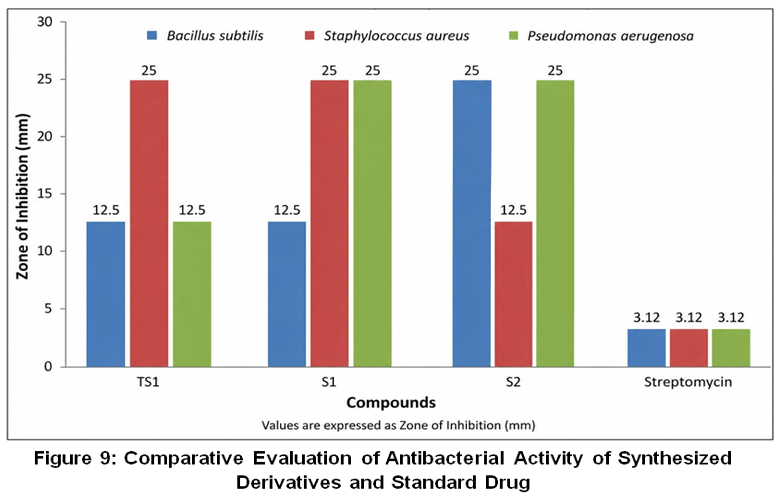 |
Figure 9: Comparative Evaluation of Antibacterial Activity of Synthesized Derivatives and Standard Drug
|
Anthelmentic activity of the compound
Synthetic compounds were analyzed for activity against worms. Earthworms Pheretima posthuma were chosen with similar sizes (6±1cm). The worms possess six in each of four groups. Test substances manufactured by diluting albendazole in normal saline to prepare 0.1% w/v, 0.2% w/v, 0.5% w/v, and 1% w/v were used as controls; these prepared solutions served as controls when applied in the petri dish. The synthesized substances were made in small amounts of DMSO and were diluted to each of four dilutions (0.1% w/v, 0.2% w/v, 0.5% w/v, and 1% w/v) to find their activity against worms. The mean paralysis time (the time period it took for the worms to stop moving) and the mean lethality time (the time period it took for the worm to perish) for each material were measured in terms of average time intervals. To determine the loss of motion by worms to correctly assess deaths, medium (thermal) sources of stimulation during time measurement were recorded by the use of several applications of physical, mechanical, and chemical methods from different sources (due to activity).31-34 Results of anthelmintic activity (Table 16) from analyzed earthworms indicate reasonable anthelmintic activity from each synthesized compound compared to controls.
Table 16: Anthelmintic activity of compounds
| Compound code | Time in min (mean ±SD) for paralysis | Time in min (mean ±SD) for death | ||||
| Concentration (%w/v) | Concentration (%w/v) | |||||
| 0.1 | 0.2 | 0.5 | 0.1 | 0.2 | 0.5 | |
| TS1 | 2.54
±0.06 |
2.30 ±0.05 | 2.22 ±0.04 | 4.80 ±0.14 | 4.00 ±0.12 | 3.20 ±0.10 |
| S1 | 3.11
±0.08 |
3.05 ±0.13 | 2.45 ±0.10 | 6.10 ±0.37 | 5.13 ±0.85 | 4.40 ±0.49 |
| S2 | 3.50
±0.07 |
3.24 ±0.06 | 1.52 ±0.05 | 5.20 ±0.14 | 4.50 ±0.12 | 3.80 ±0.10 |
| Albendazole | 3.15
±0.016 |
2.54 ±0.022 | 2.18 ±0.225 | 4.45±0.029 | 3.18 ±0.026 | 3.40 ±0.030 |
Results:
Thiosemicarbazide and semicarbazide derivatives are created through a condensation reaction. This means that one type of nucleophile – namely, the –NH2 group – reacts to the carbonyl-carbon (C=O) of either a thiosemicarbazide (R-SC(NH2)2) or semicarbazide (R-C(NH2) =O) via a nucleophilic attack. The reaction occurs through the elimination of one molecule of water from the carbonyl-carbon and produces the azomethine (C=N). The resulting molecules are referred to as thiosemicarbazones or semicarbazones, respectively.
Thiosemicarbazide and semicarbazide derivatives are created through a condensation reaction. This means that one type of nucleophile – namely, the –NH2 group – reacts to the carbonyl-carbon (C=O) of either a thiosemicarbazide (R-SC(NH2)2) or semicarbazide (R-C(NH2) =O) via a nucleophilic attack. The reaction occurs through the elimination of one molecule of water from the carbonyl-carbon and produces the azomethine (C=N). The resulting molecules are referred to as thiosemicarbazones or semicarbazones, respectively. The reaction occurred at mild acid pHs, which encouraged product formation, as well as increased product yields. We used both conventional and microwave-assisted methods to obtain the target compounds. There are considerable benefits to using the microwave-assisted procedure over conventional procedures, including shortened reaction times, increased yields of products, and cleaner reactions due to greater uniformity in heating of the reaction and efficient heating of the starting materials. Additionally, use of a greener procedure means a reduction in the amount of solvents used and energy consumed, making it a more sustainable process than conventional procedures. Elemental analysis (CHN analyses) of the synthesized compounds was performed to assess the percentage composition of carbon, hydrogen, and nitrogen in the compounds created. The resulting values from analysis were similar to those calculated by theory confirming the purity of the created compounds and the molecular formula associated with the synthesized compound. Spectral methods provided additional characterizations through: FT-IR spectrum indicated the presence of representative absorption bands at 1533 cm-1 (C=N), 1705 cm-1 (C=O), 691 cm-1 (C=S) and 3144 cm-1 (N–H); all are supportive of successful condensation; UV–Vis spectrum indicated transitions of π→π* as well as n→π* therefore, these compounds have conjugated systems; 1H NMR spectrum showed chemical shifts found in the literature for azomethine protons, NH functionalities and the major carbon locations, all supporting the assigned chemical structures.
Thiosemicarbazone derivatives were screened for their antimicrobial activities against Bacillus subtilis, Pseudomonas aeruginosa and select Streptococcus aureus organisms by minimal inhibitory concentration determination (MIC). Out of all of these compounds, 2-[(2E)-3-Phenylprop-2-enoyl]hydrazine-1-carboxamide (S2) demonstrated the highest level of antibacterial activity with lower concentration inhibition (12.5-1.56 µg/ml) against all three bacterial strains demonstrating strong broad-spectrum activity. (2Z)-2-[1-(2,4-dihydroxyphenyl)ethylidene]hydrazine-1-carboxamide (S1) also exhibited moderate activity and was able to inhibit the growth of all organisms beginning at 12.5 mg/ml; however, it was not as efficacious as 2-[(2E)-3-Phenylprop-2-enoyl]hydrazine-1-carboxamide (S2). (2Z)-[1-(2,4-dihydroxyphenyl)ethylidene]hydrazine-1-carbothiomide (TS1) had relatively low levels of activity with inhibition taking place only at a lower concentration range (6.25mg/ml and less) which indicates reduced antibacterial effectiveness. Therefore, 2-[(2E)-3-Phenylprop-2-enoyl]hydrazine-1-carboxamide (S2) was identified as the best compound because it showed the highest level of activity in the in vitro experiments against both Gram positive and Gram-negative organisms. The results suggest that thiosemicarbazone derivatives exerted moderate to significant levels of antimicrobial activity. Anthelmintic activity study results indicate that the synthesized compounds showed considerable paralysis and death time activity on test organisms,(2Z)-[1-(2,4-dihydroxyphenyl)ethylidene]hydrazine-1-carbothiomide (TS1)exhibited the best activity (shorter paralysis and death time), followed by , 2-[(2E)-3-Phenylprop-2-enoyl]hydrazine-1-carboxamide (S2), while (2Z)-2-[1-(2,4-dihydroxyphenyl)ethylidene]hydrazine-1-carboxamide (S1) showed the least activity. Thus, providing promising antiparasitic activity relative to standard drugs. Additionally, through ADME and identified drug-like property predictions, the synthesized compounds have been shown to have good physicochemical and pharmacokinetic properties. The synthesized compounds were determined, during the course of the study, to have a valid chemical structure, be of biological activity, and be synthesized effectively with a green microwave-assisted method.
Discussion
The successful synthesis of thiosemicarbazone and semicarbazone derivatives confirms the efficiency of condensation reactions in forming azomethine linkages. The microwave-assisted method proved superior to conventional synthesis due to its efficiency, eco-friendliness, reduced reaction time, and improved product yield, highlighting its importance in green chemistry approaches. Spectral and elemental analyses validated the structural integrity and purity of the synthesized compounds. The presence of characteristic functional groups and expected spectral transitions confirmed the successful formation of the target molecules. Biological activity studies demonstrated that structural variations significantly influence antimicrobial and anthelmintic activities. Compound S2 showed superior antibacterial activity, likely due to enhanced conjugation, electron-donating substituents, and improved interaction of the azomethine moiety with microbial targets, making it effective against both Gram-positive and Gram-negative bacteria. Similarly, TS1 exhibited better anthelmintic activity, suggesting that sulfur-containing functional groups and increased lipophilicity may enhance interaction with parasitic proteins or enzymes, leading to paralysis and death of worms. The structure–activity relationship (SAR) analysis indicated that the presence of electron-donating groups, aromatic conjugation, and heteroatoms such as nitrogen and sulfur played a crucial role in enhancing biological activity. Increased conjugation may improve membrane permeability and binding affinity toward microbial enzymes, while the thiosemicarbazone moiety may facilitate metal ion chelation and enzyme inhibition. These findings correlate with previously reported studies, where semicarbazone and thiosemicarbazone derivatives demonstrated antimicrobial effects through disruption of microbial cell function and inhibition of essential metabolic pathways. Possible mechanisms responsible for antibacterial activity may involve interference with cell wall synthesis, inhibition of nucleic acid or protein synthesis, and generation of oxidative stress within microbial cells. The observed anthelmintic activity may be associated with inhibition of energy metabolism and neuromuscular coordination in parasites. However, further molecular and mechanistic studies are required to confirm these pathways. ADME and drug-likeness predictions further support the potential of these compounds as promising drug candidates, with acceptable pharmacokinetic and physicochemical properties following Lipinski’s Rule of Five. Overall, the study highlights that these derivatives possess significant biological potential and can be efficiently synthesized using a sustainable microwave-assisted approach, making them suitable for further drug development studies.
Conclusion
This study demonstrated the successful synthesis and characterization of semicarbazide and thiosemicarbazide derivatives using a wide range of spectral techniques, which confirmed the proposed chemical structures. The findings indicate that these nitrogen-containing frameworks are promising scaffolds for the development of biologically active compounds because of their reactive versatility and structural diversity. The comparative evaluation of conventional and microwave-assisted synthesis methods revealed that the microwave-assisted approach is a more efficient and environmentally friendly (“green”) technique than traditional methods, as it offers significantly shorter reaction times, higher yields, improved efficiency, and reduced solvent usage. Biological evaluation of the synthesized derivatives demonstrated moderate to strong antibacterial and anthelmintic activities, suggesting that semicarbazides and their thio-analogues possess considerable potential in medicinal chemistry research. Structure–activity relationship (SAR) observations indicated that the presence of azomethine linkage, aromatic conjugation, and heteroatoms such as nitrogen and sulfur contributed to enhanced biological activity. ADME and drug-likeness predictions further supported favorable pharmacokinetic and physicochemical properties, indicating that these compounds may serve as promising candidates for further investigation in drug discovery studies. However, considering the preliminary nature of the biological assays, the therapeutic potential of these compounds should be interpreted cautiously, and additional in vivo, toxicity, and mechanistic studies are required before establishing them as definitive therapeutic agents. Overall, these findings highlight the medicinal importance of semicarbazide and thiosemicarbazide derivatives and emphasize the advantages of sustainable microwave-assisted synthesis methods for future pharmaceutical development and medicinal chemistry research.
Acknowledgement
The authors acknowledge BAM Bio R&D Laboratory, for Characterization studies.
Funding Sources
The author(s) received no financial support for the research, authorship, and/or publication of this article.
Conflict of interest
The authors do not have any conflict of interest.
Data Availability Statement
This statement does not apply to this article.
Ethics Statement
This research did not involve human participants, animal subjects, or any material that requires ethical approval.
Informed Consent Statement
This study did not involve human participants, and therefore, informed consent was not required.
Clinical Trial Registration
This research does not involve any clinical trials.
Permission to reproduce material from other sources
Not Applicable.
Author Contributions
- Janhavi Vishwas Gaikwad: Performed synthesis of compounds, carried out characterization studies (FT-IR, UV–Vis, NMR), conducted biological evaluation, data analysis, and prepared the original manuscript draft.
- Krushna Balu Dhumane: Assisted in synthesis, performed antimicrobial and anthelmintic studies, and contributed to data collection and analysis.
- Yash Sonaram Choudhari: Supported experimental work, participated in characterization and data interpretation, and assisted in manuscript preparation.
- Harshal Parashram Chavan: Conceived the research idea, provided guidance, supervised the experimental work, and reviewed the manuscript.
- Sunil Vilas Amrutkar: Contributed to study design, provided overall supervision, and critically reviewed and edited the manuscript.
References
- Lobana TS, Sharma R, Bawa G, Khanna S. Bonding and structure trends of thiosemicarbazone derivatives of metals—An overview. Coord Chem Rev. 2009;253(7-8):977-1055. doi:10.1016/j.ccr.2008.07.004
CrossRef - Beraldo H, Gambino D. The wide pharmacological versatility of semicarbazones, thiosemicarbazones and their metal complexes. Mini Rev Med Chem. 2004;4(1):31-39. doi:10.2174/1389557043487545
CrossRef - Casas JS, García-Tasende MS, Sordo J. Main group metal complexes of semicarbazones and thiosemicarbazones. Coord Chem Rev. 2000;209(1):197-261. doi:10.1016/S0010-8545(00)00393-5
CrossRef - Garoufis A, Hadjikakou SK, Hadjiliadis N. Palladium(II) and platinum(II) complexes of thiosemicarbazones and semicarbazones: Chemistry, biological activity, and potential applications. Coord Chem Rev. 2009;253(9-10):1384-1397. doi:10.1016/j.ccr.2008.07.021
CrossRef - Pandeya SN, Sriram D, Nath G, De Clercq E. Synthesis, antibacterial, antifungal and anti-HIV activities of Schiff and Mannich bases derived from isatin derivatives and N-[4-(4′-chlorophenyl)thiazol-2-yl]thiosemicarbazide. Eur J Pharm Sci. 1999;9(1):25-31. doi:10.1016/S0928-0987(99)00024-X
CrossRef - Swimmer J. U.S. patent 2,710,243. Issued June 7, 1955. Available from: https://patents.google.com/patent/US2710243
- Cooper SR. Organic Syntheses. 1941;21:103. doi:10.15227/orgsyn.021.0103.
CrossRef - Rothgery EF. Process for preparing semicarbazide hydrochloride. U.S. patent 4,482,738. Issued November 13, 1984.
- Chavan H, Shirodkar P, Mogal R, Amrutkar S. Synthesis and evaluation of 1,2,4-triazole derivatives as antimicrobial, antifungal and anthelmintic agents. Indian J Chem. 2022;61(9):994-998. doi:10.56042/ijc.v61i9.66354
CrossRef - Prasad DJ, Ashok M, Karegoudar P, Pujari B, Holla BS, Kumari NS. Synthesis and antimicrobial activity of some new triazole derivatives. Eur J Med Chem. 2009;44(2):551-557. doi:10.1016/j.ejmech.2008.03.012
CrossRef - Marković V, Joksović MD. Semicarbazide hydrochloride in synthesis of heterocyclic derivatives under green conditions. Green Chem. 2015;17(2):842-847. doi:10.1039/C4GC01891K
CrossRef - Bioinformatics and Molecular Design Research Center (BMDRC). PreADMET version 2.0: prediction of ADME/Tox properties [computer program]. Incheon, Republic of Korea: BMDRC; 2004. Available from: http://preadmet.bmdrc.kr/
- Molinspiration Cheminformatics. Molinspiration: online property calculation and bioactivity prediction [Internet]. Slovensky Grob, Slovakia: Molinspiration; 2004 [cited 2026 Jan 28]. Available from: https://www.molinspiration.com/
- Daina A, Michielin O, Zoete V. SwissADME: a free web tool to evaluate pharmacokinetics, drug-likeness and medicinal chemistry friendliness of small molecules. Sci Rep. 2017;7:42717. doi:10.1038/srep42717
CrossRef - Furniss BS, Hannaford AJ, Smith PWG, Tatchell AR. Vogel’s Textbook of Practical OrganicChemistry. 5th ed. Harlow: Longman Scientific & Technical; 1989.
- Shriner RL, Hermann CKF, Morrill TC, Curtin DY, Fuson RC. The Systematic Identification of Organic Compounds. 8th ed. New York: Wiley; 2004.
- Mann FG, Saunders BC. Practical Organic Chemistry. 4th ed. London: Longman; 1978.
- Pavia DL, Lampman GM, Kriz GS, Vyvyan JR. Introduction to Spectroscopy. Indian ed. 2007:26-107.
- Dyer JR. Applications of Absorption Spectroscopy of Organic Compounds. Eastern Economy ed; 2007:22-57.
- Indian Pharmacopoeia Commission. Indian Pharmacopoeia. 9th ed. Ghaziabad, India: Ministry of Health and Family Welfare; 2022.
- Skoog DA, Holler FJ, Crouch SR. Principles of Instrumental Analysis. 7th ed. Boston: Cengage Learning; 2018.
- Watson DG. Pharmaceutical Analysis: A Textbook for Pharmacy Students and Pharmaceutical Chemists. 4th ed. London: Elsevier; 2020.
- Sharma YR. Elementary Organic Spectroscopy. New Delhi: S Chand & Co Ltd; 2011:69-150,182-253.
- Silverstein RM, Webster FX. Spectrometric Identification of Organic Compounds. 6th ed. New York: Wiley; 1998:144-216.
- Kalsi PS. Spectroscopy of Organic Compounds. 6th ed. New Delhi: New Age International; 2007:185-350.
- Allen CFH, Bell A. Organic Syntheses. Collect Vol. 3. New York: John Wiley & Sons; 1955. p. 96.
- Bijul LA, Gupta RL. Microwave assisted synthesis of some 4-amino-5-substituted aryl-3-mercapto-(4H)-1,2,4-triazoles. Asian Journal of Chemistry. 2009;21(1):86–92.
- Gupta M, Paul S, Gupta R. Indian Journal of Chemistry, Section B. 2009;48:460.
- Kokare CK. Pharmaceutical Microbiology: Principles and Applications. 3rd ed. Pune, India: Nirali Publication; 2008.
- Kokare CR. Pharmaceutical Microbiology: Experiments and Techniques. Vol 2. India: Career Publication; 2007.
- Sharma RK, Shrivastava K, Daniel V, Goyal S. Synthesis and biological evaluation of heterocyclic compounds. Indian J Pharm Sci. 2011;73(5):502-506.
- Selvam TP, Ramu P, Kumar AS. Synthesis and biological evaluation of some heterocyclic derivatives. J Pharm Res Health Care. 2010;2(1):9-15.
- Suresh CH, Rao JV, Jayaveera KN, Subudhi SK. Synthesis and antimicrobial evaluation of novel compounds. Int Res J Pharm. 2011;2(6):257-260.
- Gautam N, Chourasia OP. Synthesis and evaluation of biologically active compounds. Indian J Chem Sect B. 2012;51B(7):1020-1024.
 PlumX:
 Views: 578 Views
  PDF Downloads:
15
PDF Downloads:
15 Accepted on: 08-07-2026
Second Review by: Dr. Randa Salah Gomaa Mahmoud
Final Approval by: Dr. Ali Mohamed Elshafei