In Vitro Anti-Denaturation Activity and Phytochemical Analysis of Nyctanthes arbor-tristis L. Leaf Extracts Using a BSA Protein Denaturation Assay
 , Kalpesh Babubhai Ishnava2 and Hiren Babubhai Soni1*
 1Department of Environmental Science and Technology (EST), Institute of Science and Technology for Advanced Studies and Research (ISTAR), The Charutar Vidya Mandal (CVM) University, Vallabh Vidyanagar, Gujarat, India
2P G Department of Biosciences, Sardar Patel University, Vallabh Vidyanagar, Gujarat, India
Corresponding author’s E-mail: hirenkumar.soni@cvmu.edu.in
Download this article as:
ABSTRACT:The present study aimed to evaluate the in vitro anti-denaturation activity of crude leaf extracts of Nyctanthes arbor-tristis L. using bovine serum albumin (BSA) as a protein denaturation model. Dried leaves were extracted by the cold extraction method using four solvents, namely water, methanol, ethyl acetate, and chloroform. The highest extractive yield was obtained with the methanolic extract (1.34%), followed by the water (1.25%), ethyl acetate (0.61%), and chloroform (0.41%) extracts. Qualitative phytochemical screening revealed the presence of various secondary metabolites, with the methanolic extract showing alkaloids, phenols, saponins, and terpenoids. Quantitative analysis of the methanolic extract revealed a total alkaloid content of 1.70% (17.0 mg/g extract) and a total phenolic content of 11.20 mg GAE/g extract. In the BSA protein denaturation assay, the water extract exhibited the highest anti-denaturation activity at the highest tested concentration of 50 mg/mL (82.02%), followed by the methanolic (75.00%), ethyl acetate (74.43%), and chloroform (64.66%) extracts. HPTLC analysis revealed five distinct bands, while GC-MS analysis tentatively identified several fatty acid constituents, including undecanoic acid, tridecanoic acid, pentadecanoic acid, hexadecenoic acid, heptadecanoic acid, octadecanoic acid, and nonadecanoic acid. Overall, the findings provide preliminary evidence of inhibition of heat-induced BSA protein denaturation by N. arbor-tristis leaf extracts under the tested conditions, with the water extract showing the highest observed inhibition at 50 mg/mL. These preliminary findings support further investigation of N. arbor-tristis leaves to elucidate their potential properties and the phytoconstituents potentially associated with the observed activity.
KEYWORDS:Anti-denaturation; GC-MS; HPTLC; In vitro; Leaves; Nyctanthes arbor-tristis; Phytochemicals
Introduction
What is Denaturation?
Denaturation is a process in biology in which proteins or nucleic acids lose the quaternary structure that is present in their native state.1
Denaturation may occur in response to physical or chemical activity, heat, or agitation can denature proteins, causing them to unfold or their polypeptide chains to become disordered, usually rendering the molecules non-functional. Denatured proteins are often insoluble and precipitate, which activates macrophage activity at the site of protein denaturation within tissues and is implicated in some neurodegenerative diseases.2 Most denatured proteins are insoluble and have a looser, irregular structure.2
Protein denaturation is a process that leads to the alteration of the protein’s stability and conformation. The chemistry of proteins has consistently been vital owing to the abundance of these macromolecules in biological systems. The essential blocks of our frame shape and their functioning requirement for protein. This protein is provided to our frame via meal merchandise together with pulses, cheese, milk, meat, nuts, etc.3
The inhibition of protein denaturation is commonly used as a preliminary in vitro screening approach for evaluating the potential anti-inflammatory properties of plant extracts and other natural products. Bovine serum albumin (BSA) is frequently employed as a protein model in such assays because changes in protein stability and denaturation can be monitored under controlled experimental conditions.4 However, inhibition of BSA denaturation represents a preliminary biochemical indication and does not by itself establish anti-inflammatory or therapeutic efficacy in biological systems.
Types of Denaturation
Depending on the substance that makes a protein lose its secondary, tertiary, or quaternary structure, denaturation can be categorized. These structures are held together by van der Waal’s force, hydrophobic interplay, and hydrogen bonding interactions. There are three different ways for denaturation: (1) denaturation by pH change (2) chemical denaturation and (3) heat and radiation denaturation.
Classification of Nyctanthes arbor-tristis L.
Nyctanthes arbor-tristis Linn., a member of the Oleaceae family, is a shrub that grows in tropical and subtropical parts of the world and is often referred to as Parijat or night jasmine (Table 1).4 Despite being mostly recognised as an attractive shrub, it has a variety of pharmacological and medicinal uses.
It is a medicinal and ornamental plant distributed mainly across tropical and subtropical regions of Asia and is traditionally used in various systems of medicine.6 Recent reviews have documented a diverse phytochemical profile of N. arbor-tristis and described several biological activities associated with different plant parts and extracts, including antioxidant, antimicrobial, antidiabetic, hepatoprotective, and anti-inflammatory-related activities.5,6
The biological potential of N. arbor-tristis has also been investigated using experimental models relevant to inflammation. Previous study reported in vitro and in silico anti-rheumatic arthritis-related activities of N. arbor-tristis, including inhibition of protein denaturation, providing a basis for further investigation of the plant in protein-based screening models.8 Nevertheless, the results of such preliminary assays should be interpreted cautiously because protein-denaturation inhibition alone cannot establish therapeutic activity against arthritis or other inflammatory disorders.
Table 1: Taxonomical Classification of Nyctanthes arbor-tristis L.
|
Kingdom |
Plantae |
|
Class |
Eudicots |
| Division |
Angiosperm |
|
Order |
Lamiales |
| Family |
Oleaceae |
|
Genus |
Nyctanthes |
| Species |
arbor-tristis |
Rationale and Research Gap
Although N. arbor-tristis has been extensively investigated for its traditional uses, phytochemical composition, and pharmacological properties, comparatively limited information is available on the anti-denaturation activity of crude leaf extracts prepared using different solvents and evaluated under a common experimental framework. In addition, differences in solvent polarity can influence the extraction of phytochemically diverse constituents and consequently affect the biological activity of the resulting extracts.5,6 Therefore, comparative evaluation of aqueous and organic leaf extracts may provide useful preliminary information regarding the relationship between extraction characteristics, phytochemical composition, and inhibition of protein denaturation.
Objective of the Study
Therefore, the present study aimed to evaluate the in vitro anti-denaturation activity of crude leaf extracts of Nyctanthes arbor-tristis L. using a BSA protein-denaturation model. Leaf extracts prepared using water, methanol, ethyl acetate, and chloroform were comparatively evaluated. The study further included preliminary phytochemical screening, determination of total alkaloid and phenolic contents, HPTLC profiling, and GC-MS analysis to provide preliminary information on the phytochemical characteristics of the extracts. The findings are intended to provide preliminary biochemical evidence for further investigation of the phytoconstituents and biological mechanisms associated with the observed anti-denaturation activity.
Materials and Methods
Collection of Experimental Material
Nyctanthes arbor-tristis L. plant leaves harvested from ADIT College (22°31’03.8″N and 72°55’01.0″E), New Vallabh Vidyanagar, Anand, Gujarat, India. To test its medicinal qualities, a healthy and disease-free plant was used. The plant specimens were recognised by Dr. Kalpesh Ishnava (B.R.D. School of Biosciences, S.P. University), Dist. Anand, Gujarat, India, by utilizing (Shah 1978).
Drying and Grinding of Plant Material
The collected leaves were thoroughly washed under running tap water to remove adhering dust and other surface contaminants. The cleaned material was cut into smaller portions and dried at room temperature under shade, away from direct sunlight, until completely dry. Shade drying was adopted to minimize possible degradation of light-sensitive phytoconstituents. The dried plant material was subsequently powdered using an electric mixer grinder (A-One) and stored in a clean, airtight container until further extraction and analysis.7
Preparation of Plant Extracts (Cold Extraction Method)
Fifty grams of powdered N. arbor-tristis leaves were extracted separately with 250 mL each of methanol, ethyl acetate, chloroform, and distilled water. The extraction was carried out at ambient temperature for 24 hours using a mechanical shaker (REMI) at 120 rpm. After extraction, each mixture was filtered through Whatman No. 1 filter paper. The respective filtrates were transferred into clean Petri plates and evaporated at 37°C to obtain the dried crude extracts. The dried extracts were collected, and the extractive yield was determined. The extracts were stored at 4°C until further analysis.9,10

Bovine Serum Albumin (BSA) Protein Denaturation Assay
The inhibitory effect of the plant extracts on heat-induced bovine serum albumin (BSA) denaturation was evaluated as a preliminary in vitro screening assay. Diclofenac sodium was used as the reference standard.11
The reaction mixture consisted of 0.45 mL of 5% (w/v) aqueous BSA solution and 0.05 mL of the respective plant extract dissolved in the appropriate solvent. For the control, 0.45 mL of 5% (w/v) BSA solution was mixed with 0.05 mL of distilled water instead of the plant extract.13 The plant extracts and diclofenac sodium were evaluated at concentrations of 10, 20, 30, 40, and 50 mg/mL.
The reaction mixtures were incubated at 72°C for 30 minutes and subsequently allowed to cool to room temperature. Then, 2.5 mL of phosphate-buffered saline (PBS; pH 6.3) was added to each tube, and the absorbance was measured at 660 nm using a UV–Visible spectrophotometer (Thermo Scientific). The percentage inhibition of BSA denaturation was calculated relative to the control and considered as the anti-denaturation activity of the extracts. The results were compared with the diclofenac sodium reference standard.12
The % inhibition of protein denaturation was calculated using the following equation:

Preliminary Phytochemical Analysis
Qualitative Phytochemical Analysis13,14
Hager’s Test: The purpose of this test was to detect the presence of alkaloids. A considerable quantity of Hager’s reagent was introduced into the unrefined methanolic extract of a particular plant extract till the formation of yellow coloured precipitation. A yellow precipitate that was formed exhibits the presence of alkaloids.
Foam Test: Saponin was evaluated by the foam test. Two milliliters of the extract and five milliliters of distilled water. The amalgamation was agitated forcefully by hand. The development of stable foam signifies the existence of saponins.
Terpenoid: Following the precise addition of 3 ml of concentrated H2SO4 to 5 ml of extract and 2 ml of chloroform, a reddish-brown colouration appeared at the boundary, suggesting the presence of terpenoids.
Folin Ciocalteu Reagent Test: This examination was conducted to identify the occurrence of phenol. To 1 ml of aqueous extract, Folin Ciocalteu reagent (FCR) was applied. The presence of phenol was indicated by the green or blue tint.
Quantitative Phytochemical Analysis
Determination of Total Alkaloid Content
The total alkaloid of the plant sample was measured by alkaline precipitation technique. 5 g of powdered plant material was weighed properly and placed into a beaker containing 200 mL of 10% acetic acid produced in ethanol. The beaker was covered with aluminium foil to reduce the solvent evaporation occurred, and the mixture was allowed to remain undisturbed at ambient temperature for 4 hours for extraction. The extract was subjected to filtration through Whatman No. 1 filter paper to eliminate the undissolved plant residues. The filtrate was carefully evaporated to one fourth of its volume. The concentrated ammonium hydroxide (NH4OH) was then added dropwise with continuous stirring until no more precipitate was formed, signifying the full precipitation of the alkaloid. The precipitate was allowed to settle, filtered and washed with 1 N ammonium hydroxide to eliminate remaining contaminants. The alkaloid residue was then dried to constant weight and weighed on an electronic analytical balance. Alkaloid content was given as mg alkaloid/g dry weight. The technique was performed according to the method given by with reference to the adjustments reported by researchers.5,13,14
Determination of Total Phenolic Content
The overall phenolic concentration (TPC) of the methanolic plant extracts was determined utilising the Folin–Ciocalteu reagent (FCR) assay. 0.1 mL of each methanolic extract (1 mg/mL) was placed into a test tube with 0.5 mL of Folin–Ciocalteu reagent. Thereafter, 2.9 mL of distilled water was incorporated, succeeded by the introduction of 2.0 mL of a 2% (w/v) sodium carbonate (Na₂CO₃) solution.17 The reaction mixture was well combined and incubated at 37°C for 30 minutes to facilitate complete colour development.
Following incubation, the absorbance of the produced blue solution was assessed at 750 nm with a UV–Visible spectrophotometer. The calibration curve was established using gallic acid (1 mg/mL) as the reference standard. The cumulative phenolic content for each extract was assessed by the standard curve and conveyed as milligrams of gallic acid equivalents per gram of desiccated plant substance (mg GAE/g). The evaluation was executed in accordance with the Folin–Ciocalteu protocol established by Oso and Ogunyemi,15 with regard to the procedure detailed by Kumar et al.16
HPTLC Analysis
The phytochemical characteristics of the plant leaf extract were analyzed through High-Performance Thin-Layer Chromatography (HPTLC) utilizing a CAMAG HPTLC system (Switzerland). The extract was created by dissolving 10 mg of the dried methanolic extract in 10 mL of a specified solvent, followed by filtration before the analysis. The chromatographic separation was accomplished using a combination of toluene and ethyl acetate (9:2 v/v) as mobile phase. Before the production of plates, the chromatographic chamber was saturated with the mobile phase for 10 minutes to provide uniform solvent saturation. The samples were spotted on silica gel HPTLC plates and the plates were run to a migration distance of around 8 cm. Plates were air-dried and after chromatographic development were sprayed with 10% methanolic sulphuric acid (H₂SO₄). The derivatized plates were heated to 100°C for four minutes to facilitate the ddevelopment and visualization of the chromatographic bands. The developed chromatograms. The sample was analysed using a GC-MS system were visualized under ultraviolet light of 254 nm and 366 nm and the separated bands were photographed. Phytochemical profiling was conducted by documenting chromatographic data (number of bands and matching Rf values).
Gas Chromatography-Mass Spectroscopy (GC-MS)
The phytochemical components of the plant extract were examined via Gas Chromatography–Mass Spectrometry (GC–MS) utilizing an Auto System Gas Chromatograph linked to a TurboMass Mass Spectrometer (PerkinElmer, Germany). The examination was conducted at the Sophisticated Instrumentation Centre for Applied Research and Testing (SICART) located in Vallabh Vidyanagar, Gujarat, India.
The sample was analysed using a GC–MS system equipped with a suitable capillary column and operated under standard analytical conditions. Helium was used as the carrier gas, and mass spectra were recorded in electron ionization mode over the appropriate m/z range. The separated compounds were detected based on their retention times and mass spectral characteristics. The instrument was employed in electron impact (EI) mode to generate characteristic fragmentation patterns of the eluted compounds. The chromatographic separation was carried out under optimized conditions, and the mass spectra of the detected constituents were recorded throughout the analysis. The collected mass spectra were compared with those available in the National Institute of Standards and Technology (NIST) Mass Spectral Library for tentative identification of the compounds.
Results
Extractive Yield of Nyctanthes arbor-tristis L.
The extractive yield of the crude leaf extracts was determined based on the weight of dried extract obtained relative to the initial amount of powdered plant material. The leaves were extracted separately using water, methanol, ethyl acetate, and chloroform. The methanolic extract showed the highest extractive yield (1.34%), followed by the aqueous extract (1.25%), ethyl acetate extract (0.61%), and chloroform extract (0.41%). Thus, methanol provided the highest extract recovery among the solvents used under the experimental conditions. The extractive yields of the four solvents are presented in Figure 1.
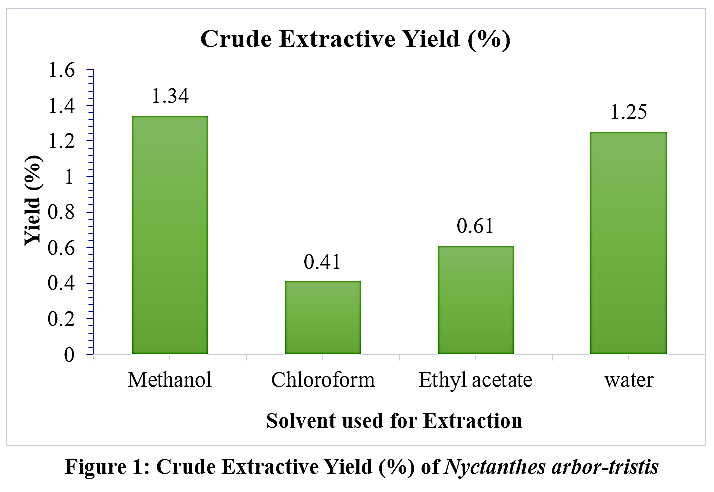 |
Figure 1: Crude Extractive Yield (%) of Nyctanthes arbor-tristis Click here to View Figure |
Protein Denaturation using BSA
The inhibitory effect of the four crude leaf extracts on heat-induced BSA denaturation was evaluated at concentrations of 10, 20, 30, 40, and 50 mg/mL. The extracts showed an increase in percentage inhibition of protein denaturation with increasing concentration under the tested conditions.
For the water extract, the percentage inhibition increased from 66.85% at 10 mg/mL to 82.02% at 50 mg/mL. The methanolic extract showed inhibition values ranging from 21.91% to 75.00%, while the ethyl acetate extract showed values ranging from 44.10% to 74.43% over the same concentration range. The chloroform extract showed the lowest values among the extracts, increasing from 10.39% at 10 mg/mL to 64.66% at 50 mg/mL.
At the highest tested concentration of 50 mg/mL, the water extract exhibited the highest percentage inhibition (82.02%), followed by the methanolic extract (75.00%), ethyl acetate extract (74.43%), and chloroform extract (64.66%). Diclofenac sodium was used as the reference standard for comparison (Figure. 2). The results are presented in Table 2.
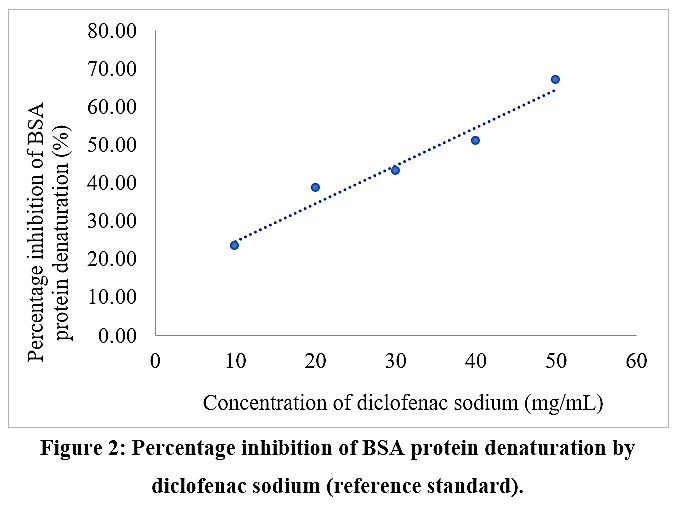 |
Figure 2: Percentage inhibition of BSA protein denaturation by diclofenac sodium (reference standard). Click here to View Figure |
Table 2: Percentage inhibition of bovine serum albumin (BSA) protein denaturation by different leaf extracts of Nyctanthes arbor-tristis L. at different concentrations.
|
Concentration (mg/ml) |
Water extract % | Ethyl Acetate extract % | Methanolic Extract % | Chloroform extract % |
| 10 | 66.85 | 44.1 | 21.91 |
10.39 |
|
20 |
69.92 | 47.75 | 44.94 | 30.05 |
| 30 | 72.19 | 62.92 | 53.65 |
42.97 |
|
40 |
78.93 | 72.47 | 62.07 | 55.61 |
| 50 | 82.02 | 74.43 | 75 |
64.66 |
Phytochemical Analysis of Methanolic Extract
Qualitative Analysis of Methanolic Extract of Nyctanthes arbor-tristis
Qualitative phytochemical screening of the methanolic leaf extract indicated the presence of alkaloids, saponins, terpenoids and phenolic compounds under the respective test conditions. The observations are summarized in Table 3.
Table 3: Qualitative Phytochemical Analysis of Crude Extract of Nyctanthes arbor-tristis
|
Phytochemical |
Colour | Occurrence |
| Alkaloids | Yellow precipitates |
+++ |
|
Saponin |
Foam | +++ |
| Terpenoids | Yellow colour at lower layer |
++ |
|
Phenol |
Blue colour |
+++ |
Key: Trace = + Moderate = ++ High = +++
Quantitative analysis of Nyctanthes arbor-tristis
Total Alkaloid Content
The total alkaloid content of the methanolic extract was determined by the gravimetric method. The initial weight of the empty filter paper was 0.4287 g, whereas the weight of the filter paper containing the dried alkaloid residue was 0.4372 g. The difference between these weights was 0.0085 g (8.5 mg) of alkaloid residue. Based on 0.5 g of methanolic extract, the alkaloid content was calculated as 17.0 mg/g extract, corresponding to 1.70% (w/w).
Thus, the methanolic extract contained 1.70% total alkaloids under the experimental conditions.
Total Phenol content:
The biological and free radical scavenging properties of phenols, a significant class of antioxidant phytochemicals, highlight their significance. The phenolic contents were measured by the Folin Ciocalteu method in this study. By comparing readings with the standard graph of gallic acid, this method uses gallic acid as the Standard compound (Figure. 3). The total phenolic content of the methanolic extract was 11.20 mg GAE/g extract.
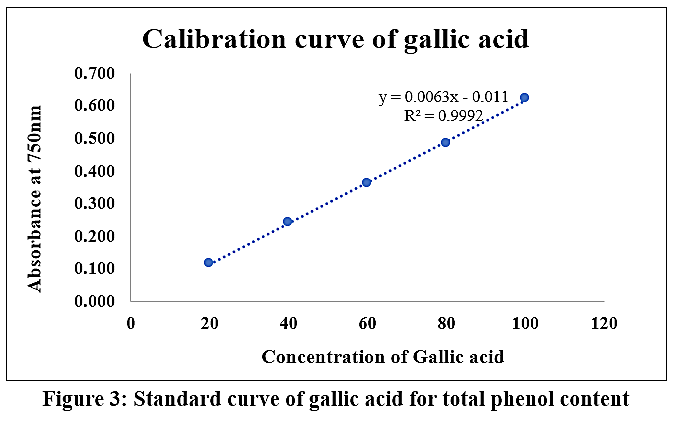 |
Figure 3: Standard curve of gallic acid for total phenol content Click here to View Figure |
HPTLC
HPTLC is a high-performance thin-layer chromatography and is a quick, reliable and reproducible analytical technique that has gained broad application for qualitative characterization and fingerprinting of herbal extracts. It is widely used for authentication of medicinal plants, quality control, detection of adulterants and preliminary identification of phytochemical contents. The HPTLC generated chromatographic fingerprint is a helpful tool for the standardization and authentication of plant-derived compounds.20
Figures 4 and 5 exhibit the HPTLC fingerprint of methanolic leaf extract generated in mobile phase of toluene : acetate (9:2, v/v). Densitometric scanning of the plate at 254 and 366 nm revealed five highly resolved chromatographic bands showing the existence of several phytochemical ingredients with varying polarity and ultraviolet absorption characteristics.
Among the identified constituents, the band at Rf 0.35 has shown the highest peak area (648.6 AU) which is 6.61% of the total chromatographic area indicating that this compound is one of the major UV-active constituents in the methanolic extract under the chosen chromatographic conditions. The other bands showed substantially fewer peak regions corresponding to the presence of other phytochemicals in a considerably lower amount.
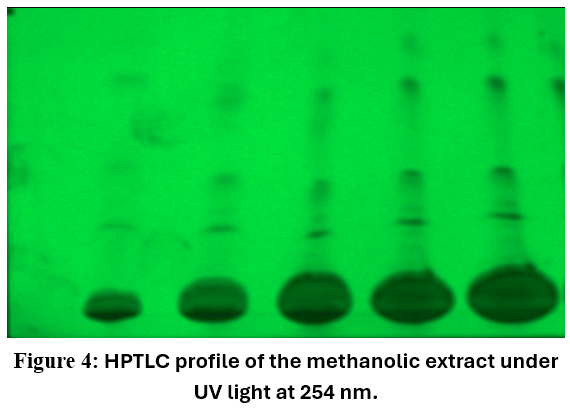 |
Figure 4: HPTLC profile of the methanolic extract under UV light at 254 nm. Click here to View Figure |
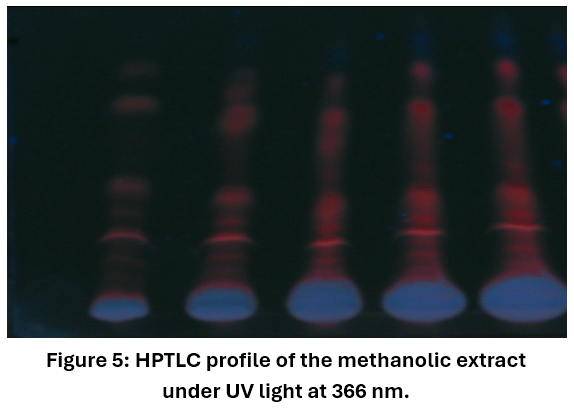 |
Figure 5: HPTLC profile of the methanolic extract under UV light at 366 nm. Click here to View Figure |
HPTLC fingerprinting is a quick and reproducible analytical technique commonly recognized for verification, quality control and standardization of herbal medicines. Therefore, the fingerprint established in this study may provide a significant reference for the future quality assessment of N. arbor-tristis extracts.
GC – MS analysis
Gas chromatography-mass spectrometry (GC-MS) is a powerful analytical technique that couples the identification and quantification skills of mass spectrometry with the separation capabilities of gas chromatography. This technique is widely applied to the analysis of volatile and semi-volatile organic compounds.
The presence of several fatty acid derivatives, particularly various forms of decanoic acid and its analogs, was discovered by GC-MS analysis of the crude methanolic plant extract. The occurrence of medium-chain saturated fatty acids in the extract is strongly suggested by the identified chemical decanoic acid. By comparing their distinctive retention durations and fragmentation patterns to NIST spectrum libraries, several chemicals were found. Often present in plant oils, decanoic acid is a ten-carbon saturated fatty acid with antibacterial and anti-inflammatory qualities. The discovery of several decanoic acid derivatives suggests that the compound may play a significant role in the sample as a lipid-based phytochemical ingredient. The extract’s metabolic variety and possible pharmacological usefulness are further demonstrated by the presence of both free fatty acids and esterified forms. The further analysis required the LC-MS and NMR for compound identification.
Discussion
Protein denaturation involves disruption of the native conformation of proteins through alterations in non-covalent interactions, including hydrogen bonding, electrostatic interactions, and hydrophobic interactions, and may also involve changes in disulfide bonding under certain conditions.8 The BSA protein denaturation assay demonstrated that the leaf extracts of Nyctanthes arbor-tristis exhibited measurable inhibition of heat-induced protein denaturation under the tested conditions. The water extract showed the highest inhibition of protein denaturation (82.02% at 50 mg/mL), followed by the methanolic (75.00%), ethyl acetate (74.43%), and chloroform (64.66%) extracts. The percentage inhibition increased with increasing extract concentration for all four extracts. These findings indicate that constituents present in the crude extracts may interfere with heat-induced BSA denaturation under the experimental conditions. Because inhibition of protein denaturation in the BSA assay is considered a preliminary in vitro screening parameter, the present findings provide an initial indication of activity that warrants further investigation using replicated assays and complementary biological models. Importantly, the BSA assay alone does not establish anti-inflammatory or therapeutic efficacy.
The total alkaloid content of the methanolic leaf extract was 17.0 mg AE/g extract, equivalent to 1.70% (w/w). Alkaloids constitute an important class of plant secondary metabolites and have been associated with diverse biological activities; however, the present study did not establish a direct relationship between the measured alkaloid content and the observed BSA protein-denaturation inhibition. Previous phytochemical investigations of N. arbor-tristis have reported several classes of secondary metabolites, including flavonoids, terpenoids, iridoid glycosides, steroids, and phenolic compounds,5,17,18 The occurrence of multiple phytochemical classes may contribute to the overall chemical complexity of the plant extracts, although synergistic or individual contributions to the observed activity cannot be determined from the present data. Differences in reported phytochemical concentrations among studies may arise from geographical origin, environmental conditions, plant developmental stage, harvesting period, extraction solvent, extraction procedure, and analytical methodology.
The total phenolic content of the methanolic extract was 11.20 mg GAE/g extract. Phenolic compounds are widely recognized for their ability to donate electrons or hydrogen atoms and to participate in antioxidant processes.5 Previous studies have reported phenolic compounds, flavonoids, and related constituents in N. arbor-tristis, together with various biological activities.5,19 However, the present study did not determine whether the measured phenolic content directly contributed to the inhibition of BSA denaturation. Differences in phenolic content between studies may be associated with geographical origin, environmental conditions, harvesting season, plant maturity, extraction solvent, extraction conditions, and analytical methodology. Methanol may favor the extraction of several polar phenolic constituents, but the extraction yield and phenolic recovery are influenced by multiple experimental factors rather than solvent polarity alone.
The GC–MS analysis provided a tentative chemical profile of the methanolic leaf extract, with saturated fatty acid-related constituents including undecanoic acid, tridecanoic acid, pentadecanoic acid, hexadecenoic acid, heptadecanoic acid, octadecanoic acid, and nonadecanoic acid being tentatively identified. The presence of fatty acid-related compounds is consistent with the chemical diversity previously reported for N. arbor-tristis. However, GC–MS library-based identification should be considered tentative unless supported by authentic standards and/or additional spectroscopic confirmation. Therefore, the detected compounds cannot be directly assigned as the active constituents responsible for the BSA protein-denaturation inhibition observed in this study. Differences in GC–MS profiles between investigations may result from differences in plant organ, geographical origin, environmental conditions, extraction solvent and procedure, and instrumental parameters.
Overall, the observed inhibition of BSA protein denaturation may reflect differences in the chemical composition of the crude extracts and their interactions with the assay system. The variation among solvent extracts may arise from differences in the types and relative amounts of constituents extracted by each solvent, as well as from physicochemical effects of the extracts on the assay conditions. However, the present study did not determine which individual constituents were responsible for the observed activity, nor did it establish synergistic interactions among phytochemicals. Therefore, no direct causal relationship can be assigned between the measured alkaloid or phenolic content, the tentatively detected GC-MS constituents, and the observed BSA protein-denaturation inhibition. In the present study, the water extract exhibited the highest inhibition of BSA protein denaturation at 50 mg/mL, whereas the methanolic extract showed the highest extractive yield (1.34%) and was selected for detailed phytochemical characterization. The findings should therefore be considered preliminary evidence of inhibition of heat-induced BSA denaturation under the tested conditions rather than proof of anti-inflammatory or therapeutic efficacy. Further studies using independent experimental replicates, appropriate statistical analysis, complementary biological models, and isolation and characterization of individual constituents are required to determine the reproducibility, mechanism, and biological relevance of the observed activity.
Conclusion
In conclusion, among the solvents investigated, the methanolic extract of Nyctanthes arbor-tristis L. leaves showed the highest extractive yield (1.34%), whereas the water extract exhibited the highest inhibition of BSA protein denaturation (82.02% at 50 mg/mL) in the BSA protein denaturation assay. Phytochemical screening of the methanolic extract indicated the presence of alkaloids, phenols, saponins, and terpenoids, while quantitative analysis revealed a total alkaloid content of 1.70% (17.0 mg AE/g extract) and a total phenolic content of 11.20 mg GAE/g extract. HPTLC profiling revealed five distinct bands, including a band at an Rf value of 0.35; however, its peak area was not interpreted as evidence of a predominant individual component. GC-MS analysis tentatively identified several fatty acid-related constituents; however, their individual contributions to the observed BSA protein-denaturation inhibition were not established in the present study.
Overall, the findings provide preliminary in-vitro evidence of inhibition of heat-induced BSA protein denaturationin N. arbor-tristis leaf extracts, with the water extract showing the highest activity under the tested conditions. The observed activity may indicate the presence of constituents warranting further investigation for anti-inflammatory potential; however, this study does not establish a direct anti-inflammatory effect. BSA assay alone does not establish therapeutic efficacy against arthritis or other inflammatory disorders. Further studies using independent experimental replicates, appropriate statistical analysis, complementary cellular and in vivo models, and isolation and characterization of individual constituents are required to confirm the reproducibility and biological relevance of the observed activity and to determine which constituents, if any, contribute to the observed effect.
Acknowledgement
The authors express their sincere gratitude to The Charutar Vidya Mandal (CVM) University for providing the necessary facilities to carry out this research work. Special thanks are extended to the Principal, ISTAR, for his continuous support and for providing essential resources throughout the study. Thanks to the Principal, ARIBAS for his continuous support.
Funding Sources
The author(s) received no financial support for the research, authorship, and/or publication of this article.
Conflict of Interest
The authors do not have any conflict of interest.
Data Availability Statement
This statement does not apply to this article.
Ethics Statement
This research did not involve human participants, animal subjects, or any material that requires ethical approval.
Informed Consent Statement
This study did not involve human participants, and therefore, informed consent was not required.
Clinical Trial Registration
This research does not involve any clinical trials.
Permission to reproduce material from other sources
Not Applicable.
Author Contributions:
- Samta Amratbhai Mahyavanshi: Writing-Original Draft Preparation, Methodology, Data Collection, Visualization
- Kalpesh Babubhai Ishnava:Supervision, Data verification, Writing-Review & Editing
- Hiren Babubhai Soni: Supervision, Validation, Writing-Review & Editing
References
- Finnegan EW, Goulding DA, O’Callaghan TF, O’Mahony JA. From lab-based to in-line: analytical tools for the characterization of whey protein denaturation and aggregation-a review. Compr Rev Food Sci Food Saf. 2024;23(2). doi:10.1111/1541-4337.13289
CrossRef - Vaishali V, Pratima C. Modalities of proteins, denaturation and nature of denaturation. Int J Pharm Sci Rev Res. 2021;69(2):19-24.
CrossRef - Gunathilake K. Ranaweera K. Rupasinghe H. In vitro anti-inflammatory properties of selected green leafy vegetables. Biomedicines. 2018;6(4):107.
CrossRef - Nirmala AR, Permatasari L, Muliasari H, Deccati RF. Review: analysis of optimal conditions of bovine serum albumin (BSA) protein denaturation inhibition method in anti-inflammatory activity testing of various plant leaf extracts. J Agritechnol Food Process. 2023;3(2). doi:10.31764/jafp.v3i2.20953.
CrossRef - Ashokkumar K, Dharshini M, Janani T, et al. Nyctanthes arbor-tristis (Night Jasmine): extraction techniques, phytochemical constituents, and biological impacts of extracts and essential oil. Future J Pharm Sci. 2024;10:117. doi:10.1186/s43094-024-00694-2.
CrossRef - Tipugade O, Sawale J, Jadhav N. Nyctanthes arbor-tristis: comprehensive insights into its medicinal, phytochemical and safety profiles. Nat Prod Res. 2026;40(11):3338-3351. doi:10.1080/14786419.2025.2456086.
CrossRef - Sharma A, Goel A, Lin Z. In vitro and in silico anti-rheumatic arthritis activity of Nyctanthes arbor-tristis. 2023;28(16):6125. doi:10.3390/molecules28166125.
CrossRef - Dharmadeva S, Galgamuwa LS, Prasadinie C, Kumarasinghe N. In vitro anti-inflammatory activity of Ficus racemosa bark using albumin denaturation method. AYU. 2018;39(4):239-242.
CrossRef - Khadka A, Budha Magar A, Sharma KR. Chemical profiling and biological activities on Nepalese medicinal plant extracts and isolation of active fraction of Nyctanthes arbor-tristis. Scientific World J. 2024;2024(1):5080176. doi:10.1155/2024/5080176
CrossRef - Bharathi R, Prasanna KS, Krishna BD, et al. Study on the extraction yield of hydroethanolic extracts of medicinal plants using the cold maceration method. Int J Res Agron. 2025;8(5):156-162.
CrossRef - El-Saghier AM, Atia FA, Enaili SS, et al. Design, synthesis, and biological evaluation of novel spirosulfamethoxazole-1,3,4-thiadiazole-2-carboxamide derivatives as dual COX-2/5-LOX inhibitors with promising anti-inflammatory and anti-osteoarthritic potential. Bioorg Chem. 2026;167:109986.
CrossRef - Ashwini T, Elizabeth A, Aishwarya S, Josephine IG, Brigida S, Srinivasan R. Sinapis arvensis (wild mustard) as an anti-inflammatory agent: An in vitro study. J Clin Diagn Res. 2022;16(12).
CrossRef - Harborne JB. Phytochemical Methods. London, UK: Chapman and Hall; 1973.
- Kokate CK. Textbook of Pharmaceutical Biotechnology. New Delhi, India: Elsevier India; 2011.
- Oso BJ, Ogunyemi OM. Assessment of in vitro biological properties of aqueous extracts of Murraya koenigii Spreng., Thymus vulgaris L., and Ocimum gratissimum L. leaves. Croat J Food Sci Technol. 2020;12(2):238-248.
CrossRef - Kumar U, Kumar I, Singh PK, et al. Total phenolic content and antioxidant activities in methanol extracts of medicinal herbs from Indo-Gangetic plains of India. J Appl Biol Biotech. 2024;12(4):89-99. doi:10.7324/JABB.2024.172805
CrossRef - Barua A, Junaid M, Shamsuddin T, et al. Nyctanthes arbor-tristis: A review on its traditional uses, phytochemistry, pharmacological activities, and toxicity. Curr Tradit Med. 2023;9(1). doi:10.2174/2215083808666220512141937
CrossRef - Rajan P, Sharma P. A review on phytochemical and pharmacological aspects of Nyctanthes arbor-tristis. Int J Pharm Sci. 2024;2(3):925-931 doi:10.5281/zenodo.10886407
- Bagde S, Matte P, Pise AG, Mujbaile S. Revisiting the emerging pharmacological perspectives of Nyctanthes arbor-tristis. Int J Ayurvedic Med. 2023;14(1). doi:10.47552/IJAM.v14i1.3347
CrossRef - Bele A, Khale A. An overview on thin layer chromatography. Int J Pharm Sci Res. 2011;2(2):256-267.
Accepted on: 23-09-2026
Second Review by: Dr. Binit Patel
Final Approval by: Dr. Ali Mohamed Elshafei