Cytochrome P450 Enzymes and Drug Interactions: A Mechanistic Review
 , Sreekanth Sudhan Kaithavallapil2 , Aiswarya Kundukattil Narayanan1, Twinkle Nerkadi Unniyalungal1, and Divya Gupta Palotil Kunhunni1
 1Department of Pharmaceutics, Nehru College of Pharmacy, Thrissur, India
2Department of Pharmaceutics, Indira Gandhi Institute of Pharmaceutical Sciences, Perumbavoor, India
Corresponding author’s E-mail: drdeepa4370@ncp.net.in
Download this article as:
ABSTRACT:Cytochrome P450 (CYP450) enzymes are the principal catalysts of Phase I drug metabolism and play a central role in determining drug disposition, therapeutic efficacy, and toxicity. These heme-containing monooxygenases metabolise numerous endogenous compounds and xenobiotics, including most clinically used drugs. Alterations in CYP450 activity through enzyme inhibition or induction are major mechanisms underlying clinically significant drug–drug interactions (DDIs), which can lead to therapeutic failure or adverse drug reactions. This mechanistic review provides a comprehensive overview of the structural organisation, catalytic cycle, and regulatory mechanisms governing CYP450-mediated drug metabolism. Particular emphasis is placed on the major human CYP isoenzymes—CYP3A4, CYP2D6, CYP2C9, CYP2C19, and CYP1A2—with respect to their substrate specificity, metabolic functions, and clinical relevance. The review discusses the molecular basis of competitive, non-competitive, and mechanism-based inhibition, as well as enzyme induction, highlighting their effects on drug clearance, bioavailability, and systemic exposure. In addition, the influence of physiological, pathological, genetic, epigenetic, and environmental factors on CYP450 activity is examined to explain interindividual variability in drug response. Emerging technologies, including pharmacogenomics, proteomics, metabolomics, physiologically based pharmacokinetic (PBPK) modelling, and artificial intelligence (AI)-based predictive approaches, are also discussed for their potential to improve the prediction of CYP450-mediated metabolism and DDIs. By integrating structural, biochemical, pharmacological, clinical, and technological perspectives, this review highlights the importance of CYP450 enzymes in optimising drug therapy, minimising adverse drug reactions, and advancing precision medicine.
KEYWORDS:Cytochrome P-450 Enzymes; Drug Interactions; Drug Metabolism; Enzyme Induction; Inhibition; Pharmacokinetics
Introduction
Drug metabolism is a fundamental process that governs the fate of therapeutic agents in the body, influencing both their pharmacological activity and safety profile. Within the spectrum of enzyme systems responsible for xenobiotic metabolism, the cytochrome P450 (CYP450) superfamily occupies a central position as the primary phase I metabolic machinery. Its extensive catalytic versatility and ability to metabolise structurally diverse substrates underscore its significance in the regulation of drug disposition, efficacy, and safety. These enzymes are responsible for the oxidative metabolism of a wide range of structurally diverse endogenous and exogenous compounds, including steroid hormones, fatty acids, carcinogens, toxins, and most clinically used drugs.1,2Because of their central role in determining drug disposition, CYP450 enzymes are critically involved in drug–drug interactions (DDIs), interindividual variability in therapeutic response, and adverse drug reactions.
The clinical importance of CYP450 enzymes lies in their ability to influence the absorption, distribution, metabolism, and elimination of co-administered therapeutic agents, resulting in either reduced therapeutic efficacy or enhanced toxicity. For instance, concomitant administration of CYP3A4 inhibitors such as ketoconazole has the potential to significantly enhance the circulating plasma concentrations of co-administered therapeutic agents like midazolam or simvastatin, resulting in exaggerated pharmacological effects and risk of toxicity.3 Conversely, inducers such as rifampicin can lower plasma levels of CYP3A4 substrates, rendering therapies like oral contraceptives or protease inhibitors less effective.4
The substrate–inhibitor–inducer framework provides the foundation for understanding CYP450‑mediated interactions. A drug that is metabolised by a particular CYP isoenzyme is termed a substrate; a drug that reduces the activity of the enzyme is an inhibitor; and a drug that enhances its expression or activity is an inducer. The clinical outcome of such interactions depends on pharmacokinetic parameters such as enzyme affinity (Km), maximum velocity of metabolism (Vmax), and intrinsic clearance (CLint).5 These parameters are especially critical for therapeutic agents characterised by a limited margin between efficacy and toxicity, including warfarin, phenytoin, and cyclosporine.
Structurally, CYP450 enzymes are heme‑containing monooxygenases that catalyze the insertion of one atom of oxygen into substrates while reducing the other atom to water. The human genome encodes 57 CYP genes, of which the CYP1, CYP2, and CYP3 families account for the majority of drug metabolism.6,7Among these, CYP3A4, CYP2D6, CYP2C9, CYP2C19, and CYP1A2 metabolize nearly 90% of clinically relevant drugs.8
Genetic polymorphisms in CYP450 genes—particularly CYP2D6, CYP2C9, and CYP2C19—give rise to poor, intermediate, extensive, and ultra‑rapid metabolizer phenotypes, contributing to marked interindividual variability in drug response and toxicity.9
Regulatory agencies, including the United States Food and Drug Administration (FDA) and the European Medicines Agency (EMA), require the assessment of CYP450‑mediated interactions during drug development using in silico, in vitro, and clinical pharmacokinetic approaches.10
Structural Characteristics of CYP450 Enzymes
The defining feature of CYP450 enzymes is the heme prosthetic group embedded within the protein’s tertiary structure. The heme moiety contains a central iron atom that cycles between ferric (Fe³⁺) and ferrous (Fe²⁺) states during catalysis. The iron is coordinated to a conserved cysteine thiolate ligand, which is essential for electron transfer and oxygen activation.2
The term “P450” originates from the characteristic absorption peak at 450 nm observed when the reduced enzyme binds carbon monoxide.11CYP450 enzymes share a conserved fold composed of α‑helices and β‑sheets arranged around the heme group, with variability in the substrate‑binding pocket accounting for substrate diversity.12
Most CYP450 enzymes are anchored to the endoplasmic reticulum via an N‑terminal hydrophobic segment, positioning the catalytic domain toward the cytosol and facilitating interaction with NADPH–cytochrome P450 reductase, the primary electron donor.13
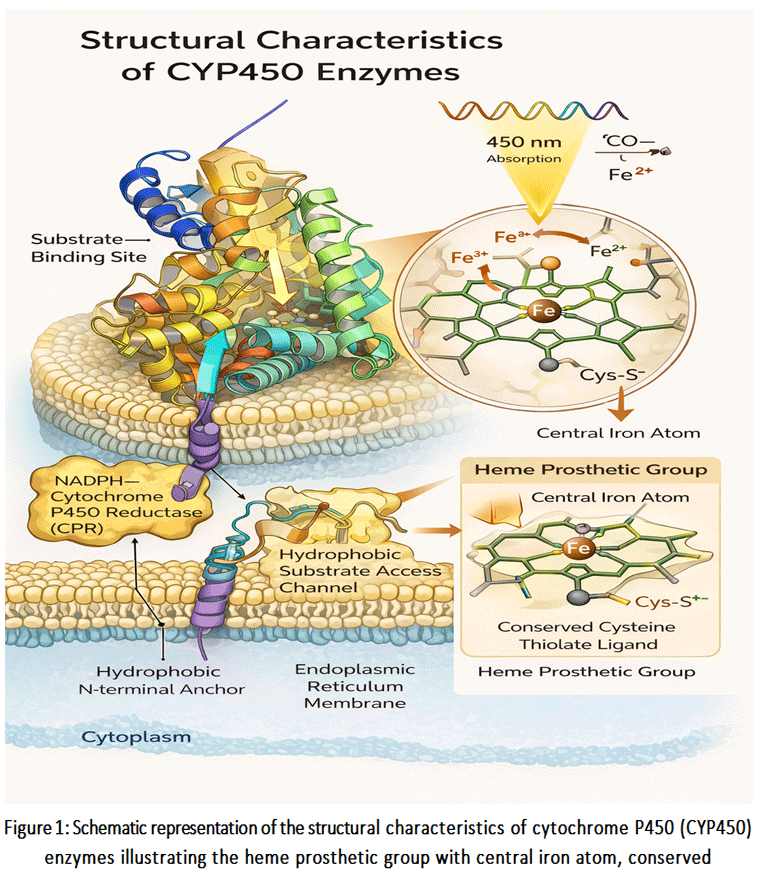 |
Figure 1: Schematic representation of the structural characteristics of cytochrome P450 (CYP450) enzymes illustrating the heme prosthetic group with central iron atom, conserved
|
Catalytic Cycle of CYP450 Enzymes
The CYP450 catalytic cycle introduces one atom of molecular oxygen into the substrate (RH), while the second oxygen atom is reduced to water:
RH + O₂ + NADPH + H⁺ → ROH + H₂O + NADP⁺14
The cycle involves sequential substrate binding, electron transfer, oxygen activation, conversion to a highly reactive oxyferryl state (Compound I), substrate oxidation, and product release.¹⁵˒¹⁶ This catalytic versatility enables CYP450 enzymes to perform hydroxylation, epoxidation, N‑ and O‑dealkylation, and sulfoxidation reactions.
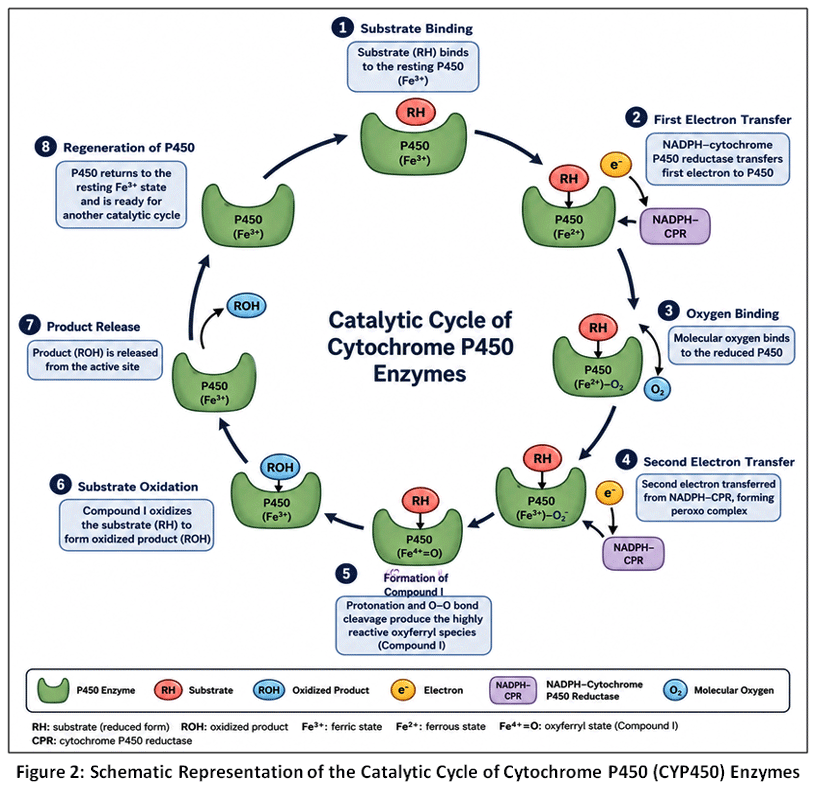 |
Figure 2: Schematic Representation of the Catalytic Cycle of Cytochrome P450 (CYP450) Enzymes
|
As illustrated in Figure 2, the CYP450 catalytic cycle begins with substrate binding to the ferric (Fe³⁺) enzyme, followed by sequential electron transfer from NADPH via cytochrome P450 reductase. Molecular oxygen then binds to the reduced heme iron and undergoes activation through a second electron transfer and protonation steps, leading to the formation of the highly reactive oxyferryl intermediate (Compound I). Compound I catalyses substrate oxidation through reactions such as hydroxylation, epoxidation, N- and O-dealkylation, and sulfoxidation, after which the oxidised product is released, and the enzyme returns to its resting ferric state, ready for another catalytic cycle.15,16
CYP450 Substrates, Inhibitors, and Inducers
CYP450 enzymes metabolize xenobiotics through interactions with substrates, inhibitors, and inducers, collectively determining pharmacokinetic behavior and clinical outcomes. Substrate affinity is governed by Michaelis–Menten kinetics, with Km and Vmax values influencing metabolic capacity.5,17
Competition between substrates for the same CYP isoform may lead to elevated plasma concentrations and toxicity, particularly for drugs with narrow therapeutic indices. Genetic polymorphisms further modify these interactions, especially for CYP2D6 and CYP2C19 substrates.9
CYP450 inhibitors reduce enzymatic activity, leading to increased substrate exposure, while inducers enhance enzyme expression and accelerate drug clearance. These mechanisms underpin many clinically significant DDIs.17
Mechanisms of CYP450 Modulation
CYP450 modulation occurs via competitive, non‑competitive, or mechanism‑based inhibition, as well as enzyme induction. Competitive inhibition involves substrate competition for the active site, while non‑competitive inhibition results from allosteric binding that reduces enzyme activity irrespective of substrate concentration.18
Mechanism‑based inhibition involves irreversible inactivation of the enzyme following metabolic activation of the inhibitor, requiring de novo enzyme synthesis for recovery. Induction, conversely, increases enzyme expression, reducing plasma drug concentrations and potentially leading to therapeutic failure.19
Understanding these mechanisms is essential for predicting, preventing, and managing drug–drug interactions in clinical practice.
CYP450 Substrates, Inhibitors, Inducers, and Clinically Relevant Drug Interactions
CYP450 enzymes metabolize xenobiotics through interactions with substrates, inhibitors, and inducers, collectively determining pharmacokinetic behavior and clinical outcomes. Substrate affinity is governed by Michaelis–Menten kinetics, with Km and Vmax values influencing metabolic capacity. The major human CYP450 isoenzymes, together with their common substrates, inhibitors, inducers, and clinically relevant pharmacogenetic characteristics, are summarized in Table 1. Recent advances in pharmacogenomics have further enhanced the understanding of genetic variability among CYP450 enzymes, facilitating genotype-guided therapy and individualized drug dosing to improve therapeutic efficacy while minimizing adverse drug reactions.20-22
Table 1: Major Human Cytochrome P450 Isoenzymes: Common Substrates, Inhibitors, Inducers, and Clinical Significance20-22
| CYP Isoenzyme | Common Drug Substrates | Common Inhibitors | Common Inducers | Clinical Significance / Polymorphism |
| CYP3A4 | Midazolam, Simvastatin, Cyclosporine, Tacrolimus, Nifedipine | Ketoconazole, Itraconazole, Clarithromycin, Ritonavir | Rifampicin, Carbamazepine, Phenytoin, St. John’s Wort | Metabolises approximately 40–50% of clinically used drugs and is the principal contributor to CYP-mediated drug–drug interactions. Genetic polymorphism is relatively limited compared with other CYP isoenzymes. |
| CYP2D6 | Codeine, Tramadol, Metoprolol, Tamoxifen, Fluoxetine | Fluoxetine, Paroxetine, Quinidine, Bupropion | No clinically significant inducer identified | Highly polymorphic enzyme with poor, intermediate, normal, and ultrarapid metabolizer phenotypes that significantly influence therapeutic efficacy and toxicity. |
| CYP2C9 | Warfarin, Phenytoin, Losartan, Celecoxib | Fluconazole, Amiodarone | Rifampicin, Phenobarbital | CYP2C92 and CYP2C93 alleles reduce enzyme activity, increasing susceptibility to adverse drug reactions, particularly warfarin-associated bleeding. |
| CYP2C19 | Clopidogrel, Omeprazole, Diazepam, Voriconazole | Fluvoxamine, Fluconazole, Ticlopidine | Rifampicin | Genetic polymorphisms markedly influence clopidogrel bioactivation and proton pump inhibitor metabolism, supporting genotype-guided treatment strategies. |
| CYP1A2 | Caffeine, Theophylline, Clozapine, Olanzapine | Ciprofloxacin, Fluvoxamine | Cigarette smoking, Omeprazole | Enzyme activity is influenced by environmental factors, particularly cigarette smoking, and exhibits moderate genetic variability with clinical implications for several therapeutic agents. |
Abbreviations: CYP, cytochrome P450; Km, Michaelis–Menten constant; Vmax, maximum reaction velocity.
Factors Influencing CYP450 Activity
In addition to enzyme inhibition and induction, CYP450 enzyme activity is influenced by several physiological, pathological, genetic, and environmental factors that contribute to interindividual variability in drug metabolism. Age is an important determinant, as hepatic CYP450 expression and metabolic capacity differ between pediatric, adult, and geriatric populations. Liver diseases, including cirrhosis and non-alcoholic fatty liver disease, may reduce CYP450 expression, leading to decreased drug clearance and an increased risk of toxicity. Chronic inflammatory conditions and infections can also suppress CYP450 activity through cytokine-mediated downregulation, particularly affecting CYP3A4 and CYP2C19. Environmental factors such as cigarette smoking, alcohol consumption, dietary constituents, herbal supplements, and exposure to environmental chemicals may either induce or inhibit specific CYP isoenzymes. For example, cigarette smoking induces CYP1A2 activity through activation of the aryl hydrocarbon receptor, whereas grapefruit juice inhibits intestinal CYP3A4, thereby increasing the systemic exposure of susceptible drugs. Furthermore, genetic polymorphisms and epigenetic modifications contribute to substantial variability in enzyme expression and function, highlighting the importance of individualized therapy. Understanding these factors is essential for optimizing drug dosing, minimizing adverse drug reactions, and improving the safety and efficacy of pharmacotherapy.23-25
Emerging Technologies in CYP450 Research
Recent technological advances have significantly improved the understanding and prediction of CYP450-mediated drug metabolism and drug–drug interactions. Pharmacogenomic testing has become an essential tool in precision medicine by enabling the identification of genetic variants that influence CYP450 enzyme expression and activity, thereby facilitating individualized drug selection and dose optimization. Advances in proteomics and metabolomics have enhanced the quantitative analysis of CYP450 enzymes and their metabolic pathways, providing valuable insights into interindividual variability in drug disposition. Furthermore, physiologically based pharmacokinetic (PBPK) modelling has emerged as a powerful computational approach for predicting CYP450-mediated drug interactions by integrating physiological, biochemical, and pharmacokinetic parameters. More recently, artificial intelligence (AI) and machine learning (ML) algorithms have been increasingly applied to predict metabolic pathways, identify potential CYP450 inhibitors or inducers, and support drug discovery by improving the accuracy of interaction risk assessment. Collectively, these emerging technologies are transforming the evaluation of CYP450-mediated drug metabolism, facilitating safer drug development, personalized pharmacotherapy, and more effective clinical decision-making.26,27
Conclusion
Cytochrome P450 enzymes form the backbone of phase I drug metabolism and are key determinants of the pharmacokinetic behaviour, efficacy, and safety of therapeutic agents. Their ability to metabolise a wide range of structurally diverse compounds underscores their central role in clinical pharmacology. As emphasised in this review, modulation of CYP450 activity through enzyme inhibition or induction constitutes the primary mechanistic basis of clinically relevant drug–drug interactions, which can lead to therapeutic failure or serious adverse effects if not appropriately managed.
An understanding of the structural organisation and catalytic cycle of CYP450 enzymes provides valuable insight into how substrates, inhibitors, and inducers influence metabolic pathways. Mechanisms such as competitive, non-competitive, and mechanism-based inhibition, along with enzyme induction, significantly alter drug clearance and systemic exposure. These effects are particularly important in the case of drugs possessing a limited therapeutic range, where small changes in plasma concentration may have major clinical consequences. Furthermore, genetic polymorphisms in key CYP isoenzymes, including CYP3A4, CYP2D6, CYP2C9, and CYP2C19, contribute to marked interindividual variability in drug response and toxicity. In addition to genetic variation, physiological factors such as age, hepatic disease, inflammation, lifestyle habits, dietary constituents, herbal supplements, and environmental exposures further influence CYP450 activity, emphasising the complexity of interindividual variability in drug metabolism and the need for patient-specific therapeutic strategies.
From a clinical and regulatory standpoint, systematic evaluation of CYP450-mediated interactions during drug development and post-approval use is essential for ensuring patient safety. Advances in in vitro assays, pharmacokinetic modelling, and pharmacogenomic approaches have improved the prediction and management of interaction risks. More recently, the integration of proteomics, metabolomics, physiologically based pharmacokinetic (PBPK) modelling, and artificial intelligence (AI)-driven predictive tools has enhanced the understanding of CYP450-mediated metabolism and drug–drug interactions, supporting more accurate risk assessment and informed drug development. Overall, a mechanistic understanding of CYP450-mediated drug metabolism and interactions together with recognition of the diverse factors influencing enzyme activity and the application of emerging technologies is fundamental to rational prescribing, dose optimisation, and the advancement of personalised medicine, ultimately improving therapeutic outcomes and minimising preventable adverse drug reactions.
Acknowledgement
The authors gratefully acknowledge the Digital Library of Nehru College of Pharmacy for providing access to scientific literature, databases, and other academic resources that facilitated data collection and information procurement for this review. The support and resources made available by the library significantly contributed to the successful completion of this work.
Funding Sources
The author(s) received no financial support for the research, authorship, and/or publication of this article.
Conflict of Interest
The authors do not have any conflict of interest.
Data Availability Statement
This statement does not apply to this article.
Ethics Statement
This research did not involve human participants, animal subjects, or any material that requires ethical approval.
Informed Consent Statement
This study did not involve human participants, and therefore, informed consent was not required.
Clinical Trial Registration
This research does not involve any clinical trials.
Permission to reproduce material from other sources
Not Applicable.
Author Contributions
- Deepa Sreekanth: Conceptualisation, literature search, data collection, manuscript drafting, and overall supervision of the work.
- Sreekanth Sudhan Kaithavallapil: Literature review, data analysis and interpretation, manuscript writing, and critical revision of the content.
- Aiswarya Kundukattil Narayanan: Data collection, organisation of references, preparation of tables and figures, and manuscript editing.
- Twinkle Nerkadi Uuuiyalungal: Review of scientific content, validation of information, critical manuscript revision, and proofreading.
- Divya Gupta Palotil Kunhunni: Study coordination, final review of the manuscript, supervision, and approval of the version submitted for publication.
References
- Nelson DR. Cytochrome P450 and the individuality of species. Arch Biochem Biophys. 1999 Sep 1;369(1):1-10. doi: 10.1006/abbi.1999.1352. PMID: 10462435.
CrossRef - Guengerich FP. Cytochrome p450 and chemical toxicology. Chem Res Toxicol. 2008 Jan;21(1):70-83. doi: 10.1021/tx700079z. Epub 2007 Dec 6. PMID: 18052394.
CrossRef - Olkkola KT, Ahonen J. Midazolam and other benzodiazepines. Handb Exp Pharmacol. 2008;(182):335-60. doi: 10.1007/978-3-540-74806-9_16. PMID: 18175099.
CrossRef - Back DJ, Orme ML. Pharmacokinetic drug interactions with oral contraceptives. Clin Pharmacokinet. 1990 Jun;18(6):472-84. doi: 10.2165/00003088-199018060-00004. PMID: 2191822.
CrossRef - Wienkers LC, Heath TG. Predicting in vivo drug interactions from in vitro drug discovery data. Nat Rev Drug Discov. 2005 Oct;4(10):825-33. doi: 10.1038/nrd1851. PMID: 16224454.
CrossRef - Nebert DW, Russell DW. Clinical importance of the cytochromes P450. Lancet. 2002 Oct 12;360(9340):1155-62. doi: 10.1016/S0140-6736(02)11203-7. PMID: 12387968.
CrossRef - Danielson PB. The cytochrome P450 superfamily: biochemistry, evolution and drug metabolism in humans. Curr Drug Metab. 2002 Dec;3(6):561-97. doi: 10.2174/1389200023337054. PMID: 12369887.
CrossRef - Zanger UM, Schwab M. Cytochrome P450 enzymes in drug metabolism: regulation of gene expression, enzyme activities, and impact of genetic variation. Pharmacol Ther. 2013 Apr;138(1):103-41. doi: 10.1016/j.pharmthera.2012.12.007. Epub 2013 Jan 16. PMID: 23333322.
CrossRef - Ingelman-Sundberg M. Genetic polymorphisms of cytochrome P450 2D6 (CYP2D6): clinical consequences, evolutionary aspects and functional diversity. Pharmacogenomics J. 2005;5(1):6-13. doi: 10.1038/sj.tpj.6500285. PMID: 15492763.
CrossRef - US Food and Drug Administration. Guidance for Industry: Drug Interaction Studies. 2012.
- Omura T, Sato R. The carbon monoxide-binding pigment of liver microsomes. i. evidence for its hemoprotein nature. j biol chem. 1964 jul; 239:2370-8. pmid: 14209971.
CrossRef - Lewis DF. Guide to cytochromes P450: structure and function. Taylor & Francis; 2001.
CrossRef - Zanger UM, Turpeinen M, Klein K, Schwab M. Functional pharmacogenetics/genomics of human cytochromes P450 involved in drug biotransformation. Anal Bioanal Chem. 2008 Nov;392(6):1093-108. doi: 10.1007/s00216-008-2291-6. Epub 2008 Aug 10. PMID: 18695978.
CrossRef - Zhao M, Ma J, Li M, et al. Cytochrome P450 Enzymes and Drug Metabolism in Humans. Int J Mol Sci. 2021 Nov 26;22(23):12808. doi:10.3390/ijms222312808. PMID: 34884615; PMCID: PMC8657965.
CrossRef - Ortiz de Montellano PR. Cytochrome P450: structure, mechanism, and biochemistry. 3rd ed. Springer; 2005.
CrossRef - Denisov IG, Makris TM, Sligar SG, Schlichting I. Structure and chemistry of cytochrome P450. Chem Rev. 2005 Jun;105(6):2253-77. doi: 10.1021/cr0307143. PMID: 15941214.
CrossRef - Guengerich FP. Common and uncommon cytochrome P450 reactions related to metabolism and chemical toxicity. Chem Res Toxicol. 2001 Jun;14(6):611-50. doi: 10.1021/tx0002583. PMID: 11409933.
CrossRef - Bibi Z. Role of cytochrome P450 in drug interactions. Nutr Metab (Lond). 2008 Oct 18;5:27. doi: 10.1186/1743-7075-5-27. Retraction in: Nutr Metab (Lond). 2014 Feb 14;11(1):11. doi: 10.1186/1743-7075-11-11. PMID: 18928560; PMCID: PMC2584094.
CrosssRef - Guengerich FP. Role of cytochrome P450 enzymes in drug-drug interactions. Adv Pharmacol. 1997;43:7-35. doi: 10.1016/s1054-3589(08)60200-8. PMID: 9342171.
CrossRef - Guengerich FP. Roles of cytochrome P450 enzymes in pharmacology and toxicology: Past, present, and future. Adv Pharmacol. 2022;95:1-47. doi: 10.1016/bs.apha.2021.12.001. Epub 2022 Jul 18. PMID: 35953152; PMCID: PMC9869358..
CrossRef - Zhou Y, Lauschke VM. The genetic landscape of major drug metabolizing cytochrome P450 genes-an updated analysis of population-scale sequencing data. Pharmacogenomics J. 2022 Dec;22(5-6):284-293. doi: 10.1038/s41397-022-00288-2. Epub 2022 Sep 6. PMID: 36068297; PMCID: PMC9674520.
CrossRef - Iversen DB, Andersen NE, Dalgård Dunvald AC, Pottegård A, Stage TB. Drug metabolism and drug transport of the 100 most prescribed oral drugs. Basic Clin Pharmacol Toxicol. 2022 Nov;131(5):311-324. doi: 10.1111/bcpt.13780. Epub 2022 Aug 24. PMID: 35972991; PMCID: PMC9804310.
CrossRef - Furge LL, Guengerich FP. Cytochrome P450 enzymes in drug metabolism and chemical toxicology: An introduction. Biochem Mol Biol Educ. 2006 Mar;34(2):66-74. doi: 10.1002/bmb.2006.49403402066. PMID: 21638641.
CrossRef - Pirmohamed M. Pharmacogenomics: current status and future perspectives. Nat Rev Genet. 2023 Jun;24(6):350-362. doi: 10.1038/s41576-022-00572-8. Epub 2023 Jan 27. PMID: 36707729.
CrossRef - Medwid S, Kim RB. Implementation of pharmacogenomics: Where are we now? Br J Clin Pharmacol. 2024 Aug;90(8):1763-1781. doi: 10.1111/bcp.15591. Epub 2022 Dec 16. PMID: 36366858.
CrossRef - Fetse J, Olawode EO, Deb S. Personalized Medicine Approach to Proteomics and Metabolomics of Cytochrome P450 Enzymes: A Narrative Review. Eur J Drug Metab 2024 Nov;49(6):661-676. doi: 10.1007/s13318-024-00912-5. Epub 2024 Sep 13. PMID: 39269556.
CrossRef - Hariparsad N, Ramsden D, Taskar KS, et al. Current Practices, Gap Analysis, and Proposed Workflows for PBPK Modeling of Cytochrome P450 Induction: An Industry Perspective. Clin Pharmacol Ther. 2022;112(4):770–781. doi:10.1002/cpt.2503.
CrossRef
Abbreviations
CYP 450:Cytochrome P-450
DDI: drug–drug interactions
Accepted on: 16-07-2026
Second Review by: A K M Shafiul Kadir
Final Approval by: Dr. Hifzur R. Siddique