Chemotherapy-Associated Anemia, Pain, and Nutritional Deficiencies in Cancer Patients: A Review of Disease–Parameter Interrelationships
 , Kirti Barkale, Gauri Khaladkar, Gangadhar Magar*, and Pavan Udavant
 Department of Pharm D., MET’s Institute of Pharmacy, Savitribai Phule Pune University, Nashik, India.
Corresponding author’s E-mail: magargangadhar18@gmail.com
Download this article as:
ABSTRACT:Chemotherapy is a cornerstone of cancer treatment but is frequently associated with complications such as anemia, pain, and malnutrition, which can adversely affect treatment tolerance, functional status, and quality of life. Although these complications are often evaluated individually, increasing evidence suggests that they are interconnected and may collectively contribute to clinical deterioration. This narrative review aimed to examine the pathophysiological relationships and cumulative clinical burden of chemotherapy-induced anemia, cancer-related pain, and malnutrition, with emphasis on their potential interactions and implications for supportive oncology care. A narrative review of the available literature was undertaken, focusing on evidence describing the underlying mechanisms, clinical manifestations, assessment parameters, and interrelationships among chemotherapy-induced anemia, pain, and nutritional impairment in patients with cancer. The review considered clinical and laboratory parameters related to inflammation, iron metabolism, nutritional status, functional status, treatment tolerance, and quality of life. Cancer-associated systemic inflammation, particularly increased inflammatory cytokine activity, contributes to impaired iron availability and hypercatabolic metabolic changes, thereby linking anemia and nutritional decline. Pain, including nociceptive and neuropathic pain, may further reduce oral intake and physical activity, while nutritional deficiencies may adversely affect tissue and nerve repair and potentially increase pain sensitivity. Anemia-related fatigue can additionally reduce appetite, mobility, and functional capacity, creating a reinforcing cycle of physical and nutritional decline. Together, these interrelated complications may contribute to treatment delays, dose reductions, hospitalization, impaired quality of life, and poorer clinical outcomes. Chemotherapy-induced anemia, pain, and malnutrition should therefore be recognized as interconnected components of a complex supportive-care burden rather than isolated complications. Early identification through clinical, laboratory, nutritional, and functional assessment, followed by coordinated multidisciplinary management, may improve treatment tolerance and overall patient outcomes. Further longitudinal and multicenter studies, particularly from low- and middle-income countries, are required to establish integrated, biomarker-guided supportive-care strategies.
KEYWORDS:Cancer pain; Cancer cachexia; Chemotherapy-induced anemia; Malnutrition; Quality of life; Supportive oncology; Systemic inflammation
Introduction
Cancer remains one of the leading cause of morbidity and mortality worldwide, accounting for nearly 10 million deaths 2020 in alone.1 The global incidence of cancer is rising exponentially due to population aging, lifestyle changes, and Increased exposure to carcinogenic factors. According to the international agency for research on cancer (IARC), The global burden is expected to increase by nearly 47% by 2040, disproportionately affecting low and middle income countries where access to early diagnosis and treatment is limited.2 Such trends highlight the growing challenge for healthcare systems in addressing not only cancer care but also its associated complication.
Even today, chemotherapy remains a primary mode of treatment of most cancers whether as a palliative or curative agent.3 It can be used individually or with radiation therapy, targeted agents or surgery depending on the nature and stages of the tumor. Chemotherapy medications will work by disrupting cell division, which occurs in both rapidly dividing malignant and normal cells.4 Even though it is effective in reducing tumor burden, chemotherapy cytotoxic properties have been identified to be associated with serous systemic side effects. This means that treatment has to be well controlled and monitored.
Although chemotherapy induced complication such as pain, anemia, malnutrition is individually studied, their interconnected nature influencing treatment outcome and survival.5 Understanding the compounding impact of this parameter on disease progression, symptomatology and patient wellbeing requires a multifaceted viewpoint. To define this interrelationship and support holistic cancer care strategies there is need for observational studies, the current literature lacks comprehensive analyses that analyses that integrate these key clinical concerns within the context of chemotherapy.
Chemotherapy-Induced Anemia
Definition and Classification
Chemotherapy induced anemia (CIA) is a reduction in the red blood cell mass and hemoglobin (Hb) concentration directly caused by cytotoxic chemotherapy or supportive cancer therapy.5 The magnitude of anemia is used in WHO to categories anemia; mild anemia (Hb is 10-11.9g/dl), moderate anemia (Hb 8-9.9g/dl), and in severe cases (<8g/dl), and life-threatening anemia which needs urgent treatment (Fig 1). CIA contrasts with anemia caused by cancer itself and is a complicated etiological condition, which demands specific diagnostic and treatment methods.6
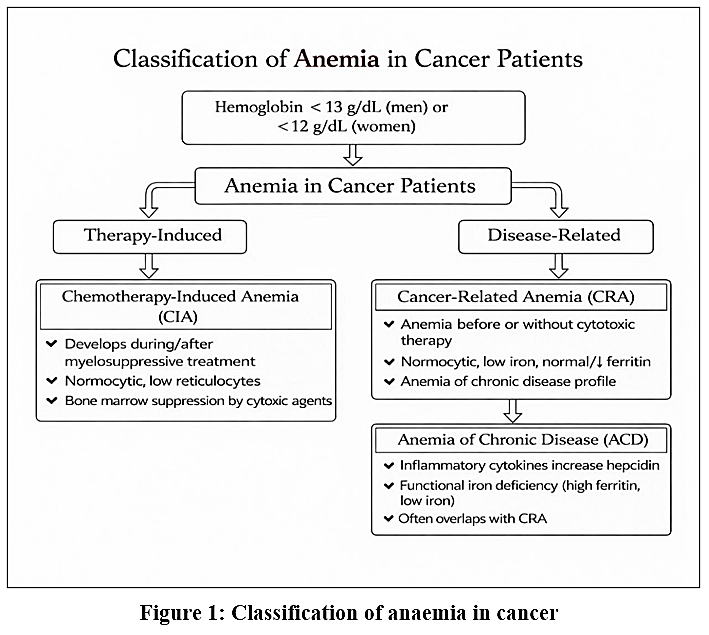 |
Figure 1: Classification of anaemia in cancer Click here to View Figure |
Pathophysiology of Chemotherapy-Induced Anemia
Pathophysiology of chemotherapy induced anemia is multifactorial in a sense that it has numerous overlapping mechanisms that may be predominant at any one point in time during cancer treatment. It can be caused by both the direct indirect effect of cancer and its treatment which often changes according to various stages of disease.7
Myelosuppression, caused by cytotoxic chemotherapy, is one of the principal causes.8 Alkylating drugs, antimetabolites and platinum are chemotherapeutic agents that destroy the proliferating hematopoietic progenitor cells, suppressing the ability of the bone marrow to produce erythrocytes.9
Inflammation associated with cancer aggravates anemia. High concentration of cytokines, e.g. Interleukin -6 (IL-6) leads to liver producing too much hepcidin, this limits the supply of iron, preventing intestinal absorption and macrophage release of iron, which ultimately results in functional iron deficiency.10 Such an inflammatory condition is typical of anemia of chronic disease (ACD), which is common with malignancies.
Another CIA development factor is nutritional deficiencies. Cancer related anorexia, mucositis and malabsorption cause iron, folate and vitamin B12 deficiencies. Erythropoiesis depends on nutrients. This deficiency is often accompanied by systemic inflammation that increases the degree of anemia.11
Gastrointestinal and gynecologic cancers are also associated with bleeding, both open and hidden, and as a result of chemotherapy-induced thrombocytopenia, may predispose patient to bleeding, worsening anemia.12 Normal hematopoiesis is disrupted by metastatic tumor cell infiltration of the bone marrow and is perhaps the primary cause of anemia in advanced disease, especially in cancers such as the breast and prostate.13
Rarely, hemolysis, hemophagocytosis and hypersplenism can also play a role in reducing the red cell survival however these processes are more prevalent in hematologic malignancies or immune mediated.14 There is also dysregulation of erythropoietin (EPO). Erythropoiesis can be further decreased in a patient with simultaneous chronic kidney disease or patients under the influence of nephrotoxic therapy in case they have reduced endogenous EPO production or resistance to EPO.15
Prevalence of Anemia During Chemotherapy
The occurrence of anemia in patients undergoing chemotherapy differs widely across studies depending on the type, stage, and course of the treatment of the cancer. Approximately, 67% of all cancer patients who receive chemotherapy report experiencing some degree of anemia with 40% of those having a hemoglobin level that is below 10 g/dl, as reported by the European Cancer Anemia Survey (ECAS).16 Also, the findings of the observational studies of diverse settings prove that anemia is frequent in hematological malignancies and solid tumors, and its prevalence increases in the course of an advanced disease and aggressive chemotherapy treatment.17
Clinical Consequences and Prognosis
Anemia has a significant effect on the functional and psychological well-being of cancer patients. The common symptoms include fatigue, weakness, dyspnea, lightheadedness, and impaired cognition.18 All of these manifestations lead to reduced quality of life (qol), lower treatment tolerance, and reduced physical activity. Also, studies have shown that there is a lower survival rate in hematological, lung, and breast cancer with severe or untreated anemia. Delays in treatment, dose cutbacks, and premature termination may threaten therapeutic outcomes.19
Table 1: Diagnosis and Assessment of Anemia19-22
|
Parameter Category |
Test | Clinical Significance | Interpretation in Anemia |
| Hematologic Assessment | Complete Blood Count (CBC) | Confirms presence and severity of anemia |
↓ Hemoglobin, ↓ Hematocrit |
|
Mean Corpuscular Volume (MCV) |
Classifies anemia type | Microcytic (iron deficiency), Normocytic (ACD/CIA), Macrocytic (vitamin B12/folate deficiency) | |
| Reticulocyte Count | Assesses bone marrow response |
↓ Reticulocytes suggest impaired erythropoiesis |
|
|
Iron Status |
Serum Ferritin | Reflects iron stores and inflammation | ↓ in absolute iron deficiency; normal/↑ in functional iron deficiency |
| Transferrin Saturation (TSAT) | Indicates circulating available iron |
TSAT <20% suggests iron-restricted erythropoiesis |
|
|
Serum Iron |
Measures circulating iron | ↓ in iron deficiency and inflammatory states | |
| Nutritional Assessment | Serum Vitamin B12 | Essential for DNA synthesis and erythropoiesis |
↓ levels cause macrocytic anemia |
|
Serum Folate |
Supports erythrocyte maturation | ↓ levels contribute to macrocytosis | |
| Inflammatory Markers | C-reactive Protein (CRP) | Detects systemic inflammation |
↑ CRP supports anemia of inflammation |
|
Erythrocyte Sedimentation Rate (ESR) |
Reflects chronic inflammatory state |
Elevated in malignancy-associated anemia |
Assessment and Diagnostic Markers
Anemia requires a careful diagnosis through a critical examination of hematologic and biochemical parameters. Examples of the standard tests include complete blood count (CBC), reticulocyte count, serum ferritin, transferrin saturation (TSAT), vitamin B 22 and folate, as well as tests of inflammation and renal status (Table 1). Clinical guidelines put a high priority on the need to identify the cause of anemia, be it iron deficiency, inflammation, chronic kidney disease, or chemotherapy, before commencing treatment.20
Chemotherapy-Associated Pain
Mechanisms of Chemotherapy-Induced Pain
The mechanisms of chemotherapy-induced pain are interrelated, and the primary mechanisms are direct neurotoxicity, inflammatory response, and changes in nociceptive processing. Neurotoxic drugs like taxanes, platinum derivatives, vinca alkaloids, bortezomib and thalidomide result in axonal degeneration by damaging the transport of microtubules, mitochondrial dysfunction, and reactive oxygen species.21 These effects change the expression of sodium, calcium and potassium channels and cause abnormal nerve firing and hypersensitivity. Simultaneously, chemotherapy triggers inflammatory responses, and the cytokines (e.g., TNF- 0, IL- 1 0, IL- 6 ) sensitise peripheral nociceptors, resulting in tissue-based nociceptive pain.22 Injuries to mucosa, muscle and joint tissues further increase the intensity of the pain signals (Figure 2.).
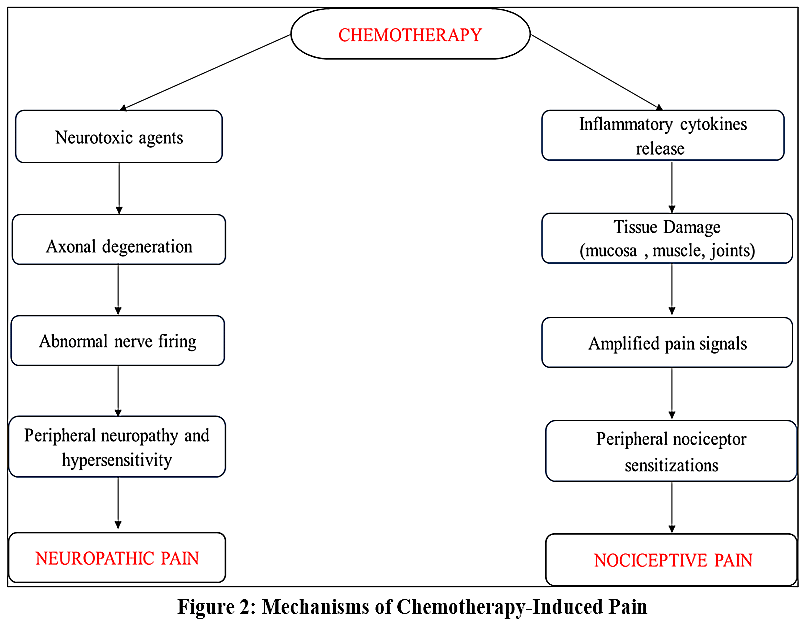 |
Figure 2: Mechanisms of Chemotherapy-Induced Pain Click here to View Figure |
Prevalence and Severity of Pain in Cancer Patients on Chemotherapy
The pain associated with chemotherapy is very frequent. Moderate and severe persistent pain occurs in up to 33% of patients and neuropathic symptoms in between 30 and 60% of patients.23 Specific drug class, cumulative dosage, comorbidities such as diabetes, baseline neuropathy, and genetic predisposition are all risk factors.
Impact of Pain on Physical and Psychological Health
Pain has an extremely detrimental effect on sleep, mobility, and daily functioning. The patients often report reduced appetite, increased fatigue and low tolerance to further treatment. The psychological burden includes increased anxiety, depressive symptoms, emotional distress, and reduced general quality of life. Neuropathic pain is associated with chronic disability and can persist years following the treatment.24
Assessment and Management Strategies for Pain
The evaluation includes a comprehensive history, neurological examination, quantitative sensory evaluation and patient-reported outcome measures that have been validated. The multimodal approach to management includes pharmacological therapy (duloxetine, Gabapentinoids, tricyclic antidepressants, topical lidocaine/capsaicin), non-pharmacological therapy (exercise therapy, physiotherapy, acupuncture, Cognitive Behavioral Therapy (CBT), and modifications of treatment (dose delay or reduction when needed). The early detection prevents irreversible nerve damage (Figure 3).25
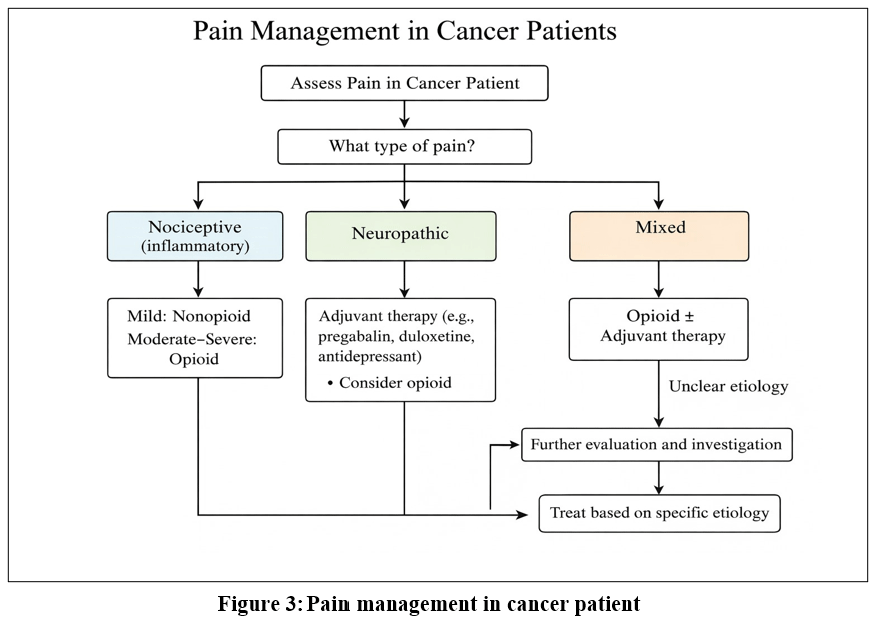 |
Figure 3: pain management in cancer patient Click here to View Figure |
Nutritional Deficiencies in Cancer Patients
Mechanisms of Weight Loss and Malnutrition During Chemotherapy
Metabolic changes, caused by tumors, and toxicities caused by treatment, together lead to nutritional deterioration in cancer patients. The most common side effects of chemotherapy are anorexia, nausea, mucositis, dysgeusia, malabsorption, and gastrointestinal dysfunction, which obstruct the proper intake and digestion of the nutrients.26 Tumor-produced inflammatory cytokines such as TNF-a and IL-6 enhance proteolysis and lipolysis leading to cancer cachexia which is a hypercatabolic state characterized by involuntary weight loss and muscle wasting.27 Oxidative stress and mitochondrial dysfunction also worsen two Fatigue, poor appetite control, and reduced energy intake during chemotherapy.28
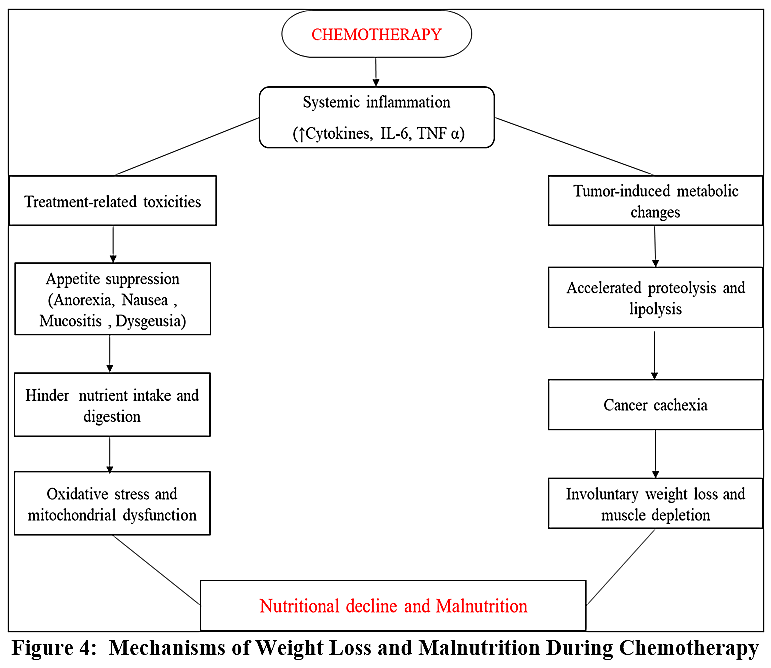 |
Figure 4: Mechanisms of Weight Loss and Malnutrition During Chemotherapy Click here to View Figure |
Anthropometric, Biochemical, and Dietary Assessment Parameters
As only a combination of multiple indicators can be used to reflect the complexity of nutritional changes caused by treatment, the evaluation of nutritional status in cancer patients undergoing chemotherapy is a multifactorial process. Nutritional screening premises on anthropometric measurements. Even though it often fails to detect atrophic muscle that is hidden by the fluid retention or average weight, the Body Mass Index (BMI) remains popular.29 One Complementary measurements such as handgrip strength, triceps skinfold thickness and mid-upper arm circumference (MUAC) provide more data regarding peripheral muscle mass and functional loss.30 Two of the newer body composition techniques currently gaining increased practice in better diagnosing sarcopenia and cachexia include two Bioelectrical impedance analysis (BIA) and CT-based skeletal muscle quantification.31
Prevalence and Clinical Implications of Nutritional Deficiencies
Deficiency of micronutrients is often the result of inadequate nutrition, impaired absorption, and therapeutic losses particularly iron, folate, vitamin B12, and vitamin D.32 Malnutrition exacerbates the overall prognosis, predisposes to infection, suppresses immunity, and delays healing of wounds.
Impact on Treatment Outcomes and Quality of Life
The poor nutritional status has a devastating effect on chemotherapy tolerance and increases the rate of hospitalization and treatment breaks.33 Weight and muscle loss have a negative effect on fatigue, psychological health, physical functioning, and survival outcomes. Malnourished patients do not respond to treatment well and are at a risk of death.34
Interrelationship Between Anemia, Pain, and Nutrition in Cancer Care
Mechanistic links between inflammation, nutritional status, and anemia
Biological correlates of cancer include anemia, systemic inflammation and nutritional degradation. Two mechanisms by which chronic inflammation caused by tumor biology and chemotherapy interferes with erythropoiesis are hepcidin-mediated iron sequestration and marrow unresponsiveness to erythropoietin (EPO).35 The role of inflammatory cytokines in protein-energy malnutrition is dual: they reduce appetite, accelerate muscle proteolysis and worsen the use of nutrients. Malnutrition consequently exacerbates anemia by lowering the supply of essential hematopoietic factors such as iron, folate, vitamin B12, and amino acids to produce hemoglobin.36 Consequently, inflammation is a typical pathological interface between the two diseases.
Mutual influence of nutritional status and pain perception
The deterioration of nutrition and pain are mutually supportive. Persistent pain reduces oral intake by reducing appetite, limiting movement that is required to prepare meals, and increasing metabolic stress. The patients of neuropathic or nociceptive pain often have poor diets and unintentional weight loss.37 Instead, malnutrition makes a person more sensitive to pain as it does not contain any micronutrients (including omega-3 fatty acids and B-complex vitamins) that help in the production of neurotransmitters, the activity of mitochondria and the healing of nerves.38 The symptoms of musculoskeletal pain are enhanced by sarcopenia and loss of subcutaneous fat and the central pain processing mechanisms are worsened by systemic inflammation associated with cachexia.
Anemia as a predictor of poor appetite and reduced activity
All the effects of anemia on dietary intake and activity levels include physiologic exhaustion, dyspnea, reduced muscle oxygenation, and reduced physical performance.39 Patients with moderate-to-severe anemia frequently report anorexia, early satiety, and lack of capacity to perform simple everyday actions that are necessary in food preparation and procurement.40 When progressive deconditioning and muscle atrophy are caused by low activity, a vicious cycle of increasing fatigue and nutritional deficiencies is created. Also, it has been demonstrated that neurocognitive mechanisms that regulate appetite are altered by cerebral hypoxia due to anemia, further worsening nutritional deterioration.41
Conceptual models integrating these parameters
Integrated care frameworks show the cyclical nature of anemia, pain, and malnutrition as well as the potential to cause or worsen the other.42 These models emphasize such common mechanisms as neuroendocrine changes, inflammation, metabolic dysregulation, treatment-related toxicity. Because of the low success rate of single-parameter interventions in case of underlying interaction, the contemporary oncology guidelines are progressively in favor of multidimensional assessment.43
Clinical Implications
Impact on Treatment Outcomes
There is a great impact of chemotherapy related anemia, pains, and nutritional deficiencies on the provision and efficacy of anticancer therapy.44 The patients with anemia and malnutrition suffer a decreased physiological reserve that predisposes them to the toxicities associated with chemotherapy.4 Consequently, clinicians have often resorted to dose cuts or postponements on treatment, which invalidate relative dose intensity and can have a negative impact on tumor control and survival. Chronic symptom burden and nutritional state are also related to increased hospitalization rates due to infection, intolerance to treatment, and aggravation of cancer-related complications (Table 2).45 The prognostic value of anemia and hypoalbuminemia in cancer patients has always been proven by large observational studies and registry data, which indicate that the two indicators serve as independent predictors of higher mortality.46
Quality of Life and Functional Status
In addition to the survival measures, anemia, pain, and malnutrition are combined to have a significant effect on quality of life (qol) and functional performance.47 Reduced hemoglobin is strongly associated with deteriorating performance status by ECOG, exercise tolerance and performance of activities of daily living. Suffering makes the feeling of fatigue and sleep disturbance, whereas the lack of nutrients leads to sarcopenia and muscle weakness.48 All these factors create a fatigue-pain-nutrition cycle, in which each element enhances the others, causing physical deterioration, emotional stress, and poor medication adherence. This complex impairment highlights the importance of supporting care strategies that are multidimensional in nature as opposed to treating the symptoms alone.49
Biomarker-Based Risk Stratification
Biomarker use offers a feasible method of early detection of patients at risk of poor outcomes. Hemoglobin is used as a direct measure of the level of anemia and is related to fatigue and disability.50 Serum albumin is a nutritional indicator and a biomarker of systemic inflammation, whereas CRP is the sensitive indicator of the inflammatory burden and cancer cachexia.51 These are iron metabolism markers; saturation of ferritin and transferrin, which are important in differentiating between absolute and functional iron deficiency especially in inflammatory-mediated anemia.52 Together, these biomarkers allow stratifying the risks, customizing supportive interventions, and potentially enhancing clinical outcomes in case they are combined with regular oncology care.53
Table 2: Clinical Implications of Anemia, Pain, and Nutritional Deficits in Cancer Patients
|
Domain |
Key Indicators | Clinical Consequences |
| Treatment Outcomes | Anemia, malnutrition, uncontrolled pain |
Dose reduction, treatment delay, increased hospitalization, higher mortality |
|
Quality of Life & Function |
ECOG PS, fatigue, pain scores | Reduced functional capacity, poor adherence, impaired qol |
| Biomarker Stratification | Hb, albumin, CRP, ferritin, TSAT |
Early risk identification, targeted supportive care |
Integrated Management Strategies
Management of Chemotherapy-Induced Anemia
The treatment of chemotherapy-induced anemia (CIA) must be done on a case-by-case basis depending on anemia severity, iron status, inflammatory burden, and the purpose of treatment.54 Iron supplementation especially intravenous iron is suggested specifically in patients to have absolute or functional iron deficiency because it enhances hemoglobin response and decreases the need of transfusion particularly in anemia caused by inflammation.35 Erythropoiesis-Stimulating Agents (esas) are recommended in palliative chemotherapy patients with selected patients, which depend on reducing transfusion dependence and enhancing fatigue, and paying attention to thromboembolic risk.55 Transfusion of red blood cells is only done in severe or symptomatic anemia, and restrictive transfusion thresholds are more desirable to reduce the morbidity of transfusion.56
Multimodal Pain Management
Treating cancer patients with a multimodal approach involving nociceptive, neuropathic, and inflammatory pain treatment is crucial to effective pain control.57 WHO analgesic ladder has remained the basis of pharmacologic management of pain, that supports use of non-opioids and then progress up to strong opioids depending on the pain intensity.58 Gabapentinoids, tricyclic antidepressants, and serotonin-norepinephrine reuptake inhibitors are the necessary agents of chemotherapy-associated peripheral neuropathy.59 Anti-inflammatory treatment, such as corticosteroids and non-steroidal anti-inflammatory medications (when necessary) suppress inflammation caused by tumor and enhance analgesia. A combination of pharmacologic and non-pharmacologic modalities is the best to control the symptoms and functional outcomes.60
Nutritional Interventions
Malnutrition is an important issue that should be identified and managed early in patients undergoing chemotherapy.61 Early identification of patients who are at risk of weight loss and sarcopenia is possible by conducting routine nutritional screening with validated tools.62 Protein and energy fortified oral nutritional supplements are the initial interventions to be used with patients with decreased intake.63 Enteral nutrition is used when oral intake is insufficient to maintain gut integrity and parenteral nutrition is used when patients have non-functional gastrointestinal tracts.64 Micronutrient replacement such as iron, vitamin B12, folate and vitamin D are needed to aid hematopoiesis, immunity and muscle strength.65
Multidisciplinary Supportive Care Model
Multidisciplinary supportive care model is required to optimally manage anemia, pain and nutritional deficits.66 Oncologists organize anticancer treatment and symptom control, whereas clinical pharmacists maximize the choice of medications, deal with drug interactions, and facilitate anemia and pain regimens.67 Nutritionists develop personalized diets and observe changes in body composition, whereas the palliative care specialists are concerned with symptom management, psychosocial assistance, and increase in the quality of life.68 This interprofessional model guarantees holistic and patient-centered care and enhances treatment adherence and clinical outcomes.69
Conclusion
Chemotherapy-associated anemia, pain, and nutritional deficiencies are interrelated complications that significantly influence treatment tolerance, functional status, and quality of life in patients with cancer. These conditions share common inflammatory and metabolic mechanisms and frequently exacerbate one another, resulting in cumulative clinical burden. Early identification through routine screening is essential to prevent treatment interruptions, avoidable hospitalizations, and functional decline. An integrated, multidisciplinary supportive-care approach involving oncology, nutrition, pharmacy, and palliative care is therefore crucial for optimal patient management. Further prospective validation and structured multicenter research are warranted to better characterize these interrelationships and support their integration into evidence-based supportive care.
Acknowledgement
We, thank you to the MET’s, Institute of Pharmacy, BKC, affiliated under Savitribai Phule Pune University, Nashik, for their constant support and providing all facilities to complete this work.
Funding Sources
The author(s) received no financial support for the research, authorship, and/or publication of this article.
Conflict of Interest
The authors do not have any conflict of interest.
Data Availability Statement
This statement does not apply to this article.
Ethics Statement
This research did not involve human participants, animal subjects, or any material that requires ethical approval.
Informed Consent Statement
This study did not involve human participants, and therefore, informed consent was not required.
Clinical Trial Registration
This research does not involve any clinical trials.
Permission to reproduce material from other sources
Not Applicable.
Author Contributions:
- Gayatri Kotwal: Data collection, Writing- original draft
- Kirti Barkale: Data collection, Writing- original draft
- Gauri Khaladkar: Data collection, Writing- original draft
- Gangadhar Magar: Conceptualization, Data collection, Writing- original draft
- Pavan Udavant: Supervision, Writing-review and editing.
References
- Sung H, Ferlay J, Siegel RL, et al. Global cancer statistics 2020: GLOBOCAN estimates of incidence and mortality worldwide for 36 cancers in 185 countries. CA Cancer J Clin. 2021;71(3):209-249. Doi:10.3322/caac.21660
CrossRef - Belpomme D, Irigaray P, Sasco AJ, et al. The growing incidence of cancer: role of lifestyle and screening detection. Int J Oncol. 2007;30(5):1037-1049
CrossRef - Frei E III. Curative cancer chemotherapy. Cancer Res. 1985;45(12 Pt 1):6523-6537
- Kaur S, Mayanglambam P, Bajwan D, Thakur N. Chemotherapy and its adverse effects: a systematic review. Int J Nurs Educ Res. 2022;10(4):399-402
CrossRef - Bryer E, Henry D. Chemotherapy-induced anemia: etiology, pathophysiology, and implications for contemporary practice. Int J Clin Transfus Med. 2018;6:21-31
CrossRef - Nowrousian MR. Definition, classification and characterization of anemia in cancer. InRecombinant Human Erythropoietin (rhEPO) in Clinical Oncology: Scientific and Clinical Aspects of Anemia in Cancer 2008 (pp. 117-148). Vienna: Springer Vienna.
CrossRef - Abdel-Razeq H, Hashem H. Recent update in the pathogenesis and treatment of chemotherapy and cancer induced anemia. Crit Rev Oncol Hematol. 2020;145:102837. Doi:10.1016/j.critrevonc.2020.102837
CrossRef - Carey PJ. Drug-induced myelosuppression: diagnosis and management. Drug Saf. 2003;26(10):691-706
CrossRef - Sochacka-Ćwikła A, Mączyński M, Regiec A. FDA-approved drugs for hematological malignancies: the last decade review. Cancers (Basel). 2022;14(1):87. Doi:10.3390/cancers14010087
CrossRef - Buck I, Morceau F, Grigorakaki C, et al. Linking anemia to inflammation and cancer: the crucial role of TNF-α. Biochem Pharmacol. 2009;77(11):1572-1579
CrossRef - Shils ME. Nutritional problems induced by cancer. Med Clin North Am. 1979;63(5):1009-1025
CrossRef - Peshin S, Dharia A, Takrori E, et al. Understanding chemotherapy-induced thrombocytopenia: implications for gastrointestinal cancer treatment. Curr Oncol. 2025;32(8):455. Doi:10.3390/curroncol32080455
CrossRef - Sankar V, Villa A. Hematologic diseases. In: Glick M, ed. Burket’s Oral Medicine. 13th ed. BC Decker; 2021:627-664
CrossRef - Duminuco A, Del Fabro V, De Luca P, et al. Emergencies in hematology: why, when and how I treat? J Clin Med. 2024;13(24):7572. Doi:10.3390/jcm13247572
CrossRef - Bamgbola OF. Pattern of resistance to erythropoietin-stimulating agents in chronic kidney disease. Kidney Int. 2011;80(5):464-474
CrossRef - Kosmidis P, Krzakowski M; ECAS Investigators. Anemia profiles in patients with lung cancer: what have we learned from the European Cancer Anaemia Survey (ECAS)? Lung Cancer. 2005;50(3):401-412
CrossRef - Xu H, Xu L, Page JH, et al. Incidence of anemia in patients diagnosed with solid tumors receiving chemotherapy. Clin Epidemiol. 2016;8:61-71
CrossRef - Dessai AS, Chakrabarty J, Sulochana B. Relationship between fatigue, quality of life, and performance status among cancer patients with anemia. Clin Epidemiol Glob Health. 2025;31:101899
CrossRef - Varlotto MJ. Anemia, tumor hypoxemia, and the cancer patient. International Journal of Radiation Oncology* Biology* Physics. 2005 Sep 1;63(1):25-36.
CrossRef - Dignass A, Farrag K, Stein J. Limitations of serum ferritin in diagnosing iron deficiency in inflammatory conditions. Int J Chronic Dis. 2018;2018:9394060. Doi:10.1155/2018/9394060
CrossRef - Aslinia F, Mazza JJ, Yale SH. Megaloblastic anemia and other causes of macrocytosis. Clin Med Res. 2006;4(3):236-241
CrossRef - Barany P. Inflammation, serum C-reactive protein, and erythropoietin resistance. Nephrol Dial Transplant. 2001;16(2):224-227
CrossRef - Varlotto J, Stevenson MA. Anemia, tumor hypoxemia, and the cancer patient. Int J Radiat Oncol Biol Phys. 2005;63(1):25-36
CrossRef - Begum S, Latunde-Dada GO. Anemia of inflammation with emphasis on chronic kidney disease. 2019;11(10):2424. Doi:10.3390/nu11102424
CrossRef - Was H, Borkowska A, Bagues A, et al. Mechanisms of chemotherapy-induced neurotoxicity. Front Pharmacol. 2022;13:750507. Doi:10.3389/fphar.2022.750507
CrossRef - Farrell SF, de Zoete RM, Klyne DM, et al. Biological contributors to musculoskeletal pain and disability. In: Grieve’s Modern Musculoskeletal Physiotherapy. Elsevier; 2024
- Yoon SY, Oh J. Neuropathic cancer pain: prevalence, pathophysiology, and management. Korean J Intern Med. 2018;33(6):1058-1069. Doi:10.3904/kjim.2017.232
CrossRef - Gormsen L, Rosenberg R, Bach FW, Jensen TS. Depression, anxiety, health-related quality of life and pain in patients with chronic fibromyalgia and neuropathic pain. Eur J Pain. 2010;14(2):127.e1-127.e8
CrossRef - El Moussawi A. Study of current approaches to pharmaceutical care in management of neuropathic pain in elderly patients. J Pharm Pract. 2019
- Martinez-Outschoorn UE, Peiris-Pagès M, Pestell RG, et al. Cancer metabolism: a therapeutic perspective. Nat Rev Clin Oncol. 2017;14(1):11-31
CrossRef - Guan M, Shinde AM, Hendifar AE. Pancreatic cancer cachexia: current concepts and clinical management. In: Frailty, Sarcopenia and Onset Development. 2017
CrossRef - Morris G, Maes M. Mitochondrial dysfunctions in myalgic encephalomyelitis/chronic fatigue syndrome. Metab Brain Dis. 2014;29(1):19-36
CrossRef - Cuesta L, Rearte A, Rodríguez S, et al. Anthropometric and biochemical assessment of nutritional status in school children aged 6-14 years. Arch Argent Pediatr. 2018;116(1):224-230
CrossRef - Jiang K, Maharjan SR, Slee A, Davenport A. Differences between anthropometric and bioimpedance measurements of muscle mass in chronic kidney disease. Clin Nutr. 2021;40(1):320-323
CrossRef - Mortellaro S, Triggiani S, Mascaretti F, et al. Radiological assessment of sarcopenia and cachexia in cancer patients. J Pers Med. 2024;14(3):243. Doi:10.3390/jpm14030243
CrossRef - Kiani AK, Dhuli K, Donato K, et al. Main nutritional deficiencies. J Prev Med Hyg. 2022;63(2 Suppl 3):E93-E101
- Donaldson SS, Lenon RA. Alterations of nutritional status during chemotherapy and radiation therapy. 1979;43(5):2036-2052
CrossRef - Morgado PC, Giorlando A, Castro M, Navigante A. Relationship between weight loss and skeletal muscle function in advanced cancer patients. Support Care Cancer. 2016;24(9):3961-3966
CrossRef - Marques O, Weiss G, Muckenthaler MU. The role of iron in chronic inflammatory diseases. 2022;140(19):2011-2023
CrossRef - Soliman AT, Alaaraj NM, Rogol AD. Link between malnutrition, immunity, infection, inflammation and growth. 2022;4(5)
- Cuomo A, Parascandolo I. Role of nutrition in management of chronic musculoskeletal pain. J Pain Res. 2024;17:2223-2238
CrossRef - Bautista A, Lee J, Delfino S, et al. Impact of nutrition on pain: narrative review. Curr Pain Headache Rep. 2024;28(10):1059-1066
CrossRef - Penninx BW, Guralnik JM, Onder G, et al. Anemia and decline in physical performance among older persons. Am J Med. 2003;115(2):104-110
CrossRef - Madeddu C, Neri M, Sanna E, Oppi S, Macciò A. Experimental drugs for chemotherapy-and cancer-related anemia. Journal of Experimental Pharmacology. 2021 Jun 24:593-611.
CrossRef - Carrothers L. Fatigue and deconditioning. In: Clinical Exercise Pathophysiology for Physical Therapy. Routledge; 2024
CrossRef - Deconinck H. Understanding Pathways of Integrating Severe Acute Malnutrition Interventions Into National Health Systems [doctoral thesis]. Université catholique de Louvain; 2017
CrossRef - Lemos KC, Garcia AN, Santos TO, Vieira NF, Santos AC. Association between malnutrition-inflammation score (MIS) and quality of life in elderly hemodyalisis patients. Brazilian Journal of Nephrology. 2024 Sep 16;46(4):e20230171.
CrossRef - Madeddu C, Neri M, Sanna E, et al. Experimental drugs for chemotherapy and cancer-related anemia. J Exp Pharmacol. 2021;13:593-611. Doi:10.2147/JEP.S284192
CrossRef - Garutti M, Noto C, Pastò B, et al. Nutritional management of oncological symptoms. 2023;15(24):5068. Doi:10.3390/nu15245068
CrossRef - Corona LP, Duarte YA, Lebrão ML. Markers of nutritional status and mortality in older adults. Geriatr Gerontol Int. 2018;18(1):177-182
CrossRef - Alam MM, Rahman T, Afroz Z, et al. Quality of life of cancer patients and its association with nutritional and performance status. 2020;6(10):e05245
CrossRef - Fukushima T, Nakano J, Ishii S, et al. Influence of hemoglobin level on muscle and physical functions. Integr Cancer Ther. 2019;18:1534735419842196
CrossRef - Sturmberg JP, Bennett JM, Martin CM, Picard M. Multimorbidity as manifestation of network disturbances. J Eval Clin Pract. 2017;23(1):199-208
CrossRef - Northrop-Clewes CA, Thurnham DI. Biomarkers for differentiation of anemia. J Blood Med. 2013;4:11-22
- Izuegbuna O. Inflammation-based markers of nutrition in cancer patients. In: Combating Malnutrition Through Sustainable Approaches. Intechopen; 2022
CrossRef - Upadhyay J, Kaur T, Nandave M. Iron metabolism and its role in anemia. In: Functional Biochemistry of Metallic Elements. Springer; 2026
CrossRef - La Thangue NB, Kerr DJ. Predictive biomarkers in personalized cancer medicine. Nat Rev Clin Oncol. 2011;8(10):587-596
CrossRef - Abdel-Razeq H, Hashem H. Pathogenesis and treatment of chemotherapy and cancer induced anemia. Crit Rev Oncol Hematol. 2020;145:102837. Doi:10.1016/j.critrevonc.2020.102837
CrossRef - Bohlius J, Bohlke K, Castelli R, et al. Management of cancer-associated anemia with erythropoiesis-stimulating agents: ASCO/ASH guideline update. Blood Adv. 2019;3(8):1197-1210
CrossRef - Carson JL, Guyatt G, Heddle NM, et al. Clinical practice guidelines from the AABB: red blood cell transfusion thresholds. 2016;316(19):2025-2035
CrossRef - Corriero A, Giglio M, Soloperto R, et al. Integrating interventional pain management in multimodal oncology. Pain Ther. 2025;14(4):1223-1246
CrossRef - Yang J, Bauer BA, Wahner-Roedler DL, Chon TY, Xiao L. Modified WHO analgesic ladder for chronic non-cancer pain. J Pain Res. 2020;13:411-417
CrossRef - Widyadharma IP, Rau CP, Pinzon RT, et al. Duloxetine for chemotherapy-induced peripheral neuropathy. Malang Neurol J. 2021;7(1):48-55
CrossRef - Glare P, Aubrey K, Gulati A, et al. Pharmacologic management of persistent pain in cancer survivors. 2022;82(3):275-291
CrossRef - Santarpia L, Contaldo F, Pasanisi F. Nutritional screening and early treatment of malnutrition in cancer patients. J Cachexia Sarcopenia Muscle. 2011;2(1):27-35
CrossRef - Reber E, Gomes F, Vasiloglou MF, et al. Nutritional risk screening and assessment. J Clin Med. 2019;8(7):1065
CrossRef - Dingemans AM, van Walree N, Schramel F, et al. High-protein oral nutritional supplements in cancer patients. 2023;15(24):5030
CrossRef - Bielawska B, Allard JP. Parenteral nutrition and intestinal failure. 2017;9(5):466
CrossRef - Elmadfa I, Meyer AL. Role of micronutrients in immune function. Endocr Metab Immune Disord Drug Targets. 2019;19(8):1100-1115
CrossRef
Accepted on: 18-09-2026
Second Review by: Dr. Sarraa Dhiaa Kasim and Dr. Charumathy M
Final Approval by: Dr. Eugene A. Silow