Omics-driven Perspectives on Abiotic Stress Tolerance in Crocus sativus L.: From Molecular Signatures to Adaptive Mechanisms
 , Sagrika1, Sourabh Sharma2, Sanjana Kaul3 and Manoj Kumar Dhar1
 1Genome Research Lab, School of Biotechnology, University of Jammu, Jammu, India.
2Faculty of Life Sciences, University of Jammu, Jammu, India.
3Fungal Biotechnology Lab, School of Biotechnology, University of Jammu, Jammu, India.
Corresponding Author E-mail: yasserperwaiz@gmail.com
DOI : http://dx.doi.org/10.13005/bbra/3449
Download this article as:

Crocus sativus L. (saffron) is one of the most valuable spice and medicinal plant worldwide, yet its productivity and accumulation of bioactive metabolites are highly vulnerable to abiotic stresses such as drought, salinity, temperature fluctuations, and ultraviolet rays Advances in multi-omics technologies like genomics, transcriptomics, proteomics, metabolomics and epigenomics are offering novel insights into the molecular and regulatory mechanisms underlying stress tolerance. At the genomic level, studies have identified numerous stress-responsive genes, transcription factor families, and structural variants that contribute to adaptive capacity. Transcriptomic research further highlights dynamic gene expression networks involved in coordinating downstream defense pathways. Proteomic analyses emphasize the functional importance of heat shock proteins, antioxidant enzymes, and post-translational modifications in maintaining cellular stability under adverse conditions. In addition, metabolomics links these molecular changes to the accumulation of osmoprotectants and secondary metabolites such as crocin, picrocrocin, and safranal, which are directly linked to saffron’s economic and therapeutic value. Epigenomic regulation—including DNA methylation, histone modifications, and small RNA-mediated gene silencing—adds another layer of control by conferring transcriptional flexibility and enabling stress memory. The integration of multi-omics datasets enables the identification of hub genes, key regulatory nodes, and interconnected metabolic pathways. Such knowledge provides strategic opportunities for crop improvement using tools like CRISPR/Cas9-mediated genome editing, RNA interference, marker-assisted selection, and synthetic biology. Overall, an integrated omics-driven approach paves the way for developing climate-resilient saffron cultivars with enhanced yield and improved metabolite quality, ensuring sustainable cultivation under increasingly unpredictable environmental conditions.
KEYWORDS:Epigenomics; Genomics; Metabolomics; Saffron; Transcriptomics
Introduction
Crocus sativus L., widely recognized as saffron, is a sterile triploid geophyte cultivated primarily for its dried stigmas, which serve as one of the world’s most expensive spices1 and are also valued as a natural colorant and medicinal agent.2 Beyond its culinary and pharmacological significance, saffron represents a crop of high socioeconomic importance, particularly in regions such as Iran, India, Spain, and Greece, where it contributes to rural livelihoods and traditional practices.3-5 However, saffron productivity and quality are highly vulnerable to environmental challenges.6 Abiotic stresses including drought,7 salinity,8 extreme temperature fluctuations9 and ultraviolet (UV) radiation10 have been identified as critical limiting factors that compromise flowering, stigma development and the accumulation of secondary metabolites such as crocin, picrocrocin, and safranal which in turn define the spice’s market value and bioactivity.11,12
The detrimental effects of these stresses are reflected in the disruption of core physiological processes. Drought and salinity impair water relations, nutrient uptake, and ion balance, whereas temperature extremes and UV exposure alter photosynthetic efficiency and induce oxidative damage, leading to cellular imbalance and growth retardation.7-10 As a consequence, yield stability and metabolite composition fluctuate significantly, threatening the sustainability of saffron cultivation under changing climate conditions.13,14 Traditional breeding approaches, which have been central to crop improvement in many species are largely constrained in saffron due to its sterility, triploid nature, and limited genetic diversity.15 This genetic bottleneck restricts natural recombination and hinders the development of improved cultivars through conventional methods, necessitating the adoption of molecular, biotechnological, and omics-driven strategies.16
Recent advances in genomics, transcriptomics, proteomics, metabolomics and epigenomics haveovided unprecedented insights into the molecular and biochemical foundations of saffron’s stress adaptation.18 Genomic studies have begun to identify stress-responsive genes, transcription factor families and structural variants associated with stress tolerance.19 Complementing this, transcriptomic analyses highlight the dynamic regulation of gene expression networks that coordinate downstream defense pathways20. Proteomics adds a functional layer by revealing the roles of stress-related proteins such as heat shock proteins, antioxidant enzymes and signaling kinases, while metabolomic profiling links these molecular changes to the accumulation of osmoprotectants and specialized metabolites critical for survival under stress conditions.21
In addition, epigenomic mechanisms have emerged as key modulators of stress responses. DNA methylation, histone acetylation and small RNA-mediated regulation provide transcriptional plasticity and enable stress memory, thereby facilitating long-term adaptive responses.22 The integration of these omics layers offers a systems-level perspective, allowing researchers to pinpoint hub genes, regulatory nodes and metabolic pathways that can be strategically targeted for crop improvement. Such integrative approaches pave the way for translational applications, including CRISPR/Cas9 genome editing, RNA interference (RNAi), marker-assisted selection and synthetic biology which collectively hold promise for the development of climate-resilient saffron cultivars with optimized yield stability and metabolite content.21,23
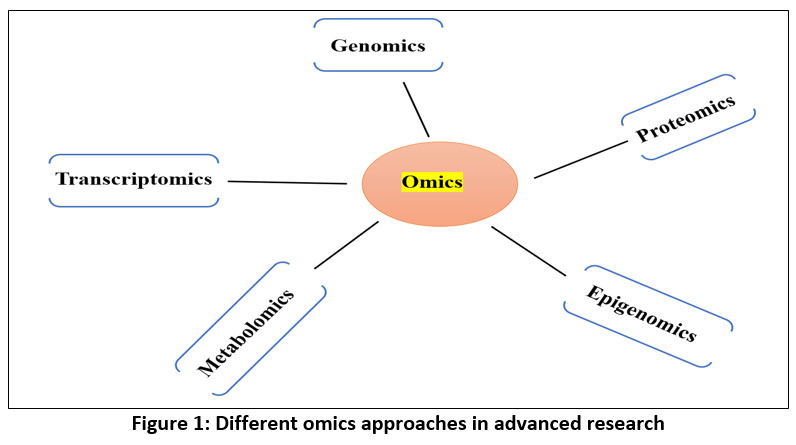 |
Figure 1: Different omics approaches in advanced research |
Genomics: Unlocking the Genetic Blueprint of Crocus sativus L.
Genomic research provides the foundational framework for deciphering the molecular mechanisms underlying stress tolerance and metabolite biosynthesis in Crocus sativus L.18,24 Advances in genome sequencing have yielded draft assemblies of saffron, identifying nearly 32,000 protein-coding genes, including expansions in pathways related to carotenoid and apocarotenoid biosynthesis25,26 that directly contribute to stigma pigmentation, aroma and commercial quality.15 These genomic datasets offer unprecedented opportunities to unravel the genetic determinants of saffron’s unique metabolic traits and stress responses.27
Despite these advances, saffron’s sterile triploid nature continues to impose challenges for classical genetic mapping and recombination-based breeding.28,29 To overcome these limitations, molecular markers such as simple sequence repeats (SSRs) and single nucleotide polymorphisms (SNPs) have been employed to assess genetic variation within cultivated accessions and to support marker-assisted selection for stress resilience.3,30 These tools have enabled researchers to evaluate population structure, identify allelic diversity and trace adaptive traits under varying agroclimatic conditions.31
Comparative genomics with wild relatives in the Iridaceae family has further illuminated both conserved and divergent loci that govern abiotic stress responses.32 These loci encompass transcription factors, signaling cascades and stress-related enzymes highlighting evolutionary divergence in stress adaptation strategies.33 Moreover, pan-genome analyses have uncovered structural variations, gene duplications, and allelic diversity, suggesting a hidden reservoir of adaptive potential, particularly in pathways linked to drought and salinity tolerance.34 Genomic investigations have also identified quantitative trait loci (QTLs) associated with agronomic and quality-related traits, including flowering time, stigma morphology and secondary metabolite accumulation, thereby providing targets for functional validation.26
In addition to protein coding regions, regulatory elements that includes promoters, enhancers and non-coding RNAs have been characterized thus revealing complex cis and trans-regulatory networks that orchestrate stress-responsive gene expression.35 When integrated with transcriptomics, genomics has facilitated the identification of co-expressed gene clusters and master regulatory hubs, advancing the understanding of how gene networks modulate phenotypic plasticity under adverse environmental conditions21. For example, genes involved in carotenoid cleavage and apocarotenoid biosynthesis such as CsCCD2, CsPSY2, and CsBCH exhibit stress-induced expression patterns, thereby linking genomic architecture to metabolite flux and stigma quality.24
Furthermore, genomic resources are increasingly being harnessed for biotechnological applications. Genome editing technologies such as CRISPR/Cas9 have emerged as promising tools to modify candidate genes associated with stress tolerance and metabolite biosynthesis.36 High-throughput sequencing approaches combined with genome-wide association studies (GWAS) reveals novel loci linked to osmotic adjustment, reactive oxygen species (ROS) detoxification and stress signaling offering actionable targets for translational breeding and molecular interventions.23
Transcriptomics: Expression Landscapes Under Abiotic Stress
Transcriptomic analyses provide a dynamic perspective on how Crocus sativus L. modulates gene expression in response to environmental challenges. By mapping the expression landscapes under drought, salinity, temperature extremes and other abiotic stresses, transcriptomics reveals the intricate molecular networks that enable saffron to adapt and survive in fluctuating conditions.35 High-throughput RNA sequencing (RNA-seq) has been instrumental in profiling tissue-specific transcriptomes of saffron particularly in roots, corms, leaves and stigmas uncovering differentially expressed genes (DEGs) that participate in stress perception, signaling and defense.18
Central to these adaptive responses are transcription factors (TFs) which work as master regulators of stress-inducible gene networks. Families such as dehydration-responsive element-binding proteins (DREB), NAC (NAM, ATAF1/2, and CUC2), WRKY, MYB and basic leucine zipper proteins (bZIP) are recurrently upregulated under stress conditions, orchestrating downstream pathways related to antioxidant defense, osmoprotectant and hormone signaling.35 For instance, DREB proteins activate genes associated with drought tolerance,37 while WRKY and MYB families modulate pathways for secondary metabolism and ROS detoxification respectively.38,-40
Table 1: Key stress-responsive genes identified in saffron through genomics studies.
| Gene/Transcript | Stress Type | Functional Role |
| CsDREB1 | 🌱 Drought / ❄️ Cold | Transcription factor regulating downstream stress-responsive genes41 |
| CsWRKY,CsMYB, CsbHLH, CsARF | 💧 Salinity /🌱 Drought | Transcription factor in GA and ABA-mediated stress signaling42 |
| CsHSP70 | 🔥 Heat | Molecular chaperone playing key role in somatic embryogenesis by alleviating stress during somatic to embryogenic transition43 |
| CsSOD1 | ⚡ Oxidative stress | Scavenges reactive oxygen species45 |
| CsNCED | 🌱 Drought | Key enzyme in ABA biosynthesis46 |
The complexity of the saffron transcriptome is further enriched by alternative splicing (AS) events which generate multiple isoforms from single genes. As contributes to regulatory flexibility by producing protein variants with distinct functional roles in stress adaptation47. In saffron, stress and tissue-specific isoforms of carotenoid and apocarotenoid pathway genes have been reported, linking transcriptomic regulation directly to the biosynthesis of crocin, picrocrocin and safranal.46
Another important regulatory layer is provided by small RNAs, particularly microRNAs (miRNAs), which fine-tune gene expression at the post-transcriptional level.48 Specific miRNAs such as miR156, miR169, and miR398 regulate transcription factors and antioxidant enzymes, modulating ROS-scavenging capacity and hormone-mediated responses.21 This highlights the interplay between transcriptional and post-transcriptional mechanisms in shaping adaptive strategies.
Transcriptomic studies have also emphasized the role of hormone-responsive genes, particularly those associated with abscisic acid (ABA), gibberellins (GA) and jasmonic acid (JA). These hormone-related transcripts interact with TFs to regulate stomatal closure, osmolyte accumulation, and defense-related secondary metabolism, thereby coordinating physiological adjustments to stress18. The use of co-expression network analyses has enabled the identification of hub genes and gene modules that act as central nodes in regulatory crosstalk revealing potential targets for molecular breeding and engineering.34
Integration of transcriptomics with proteomics and metabolomics has further strengthened the link between gene expression and metabolic outcomes. Such integrative studies confirm that key transcripts in carotenoid and apocarotenoid pathways such as CsCCD2, CsPSY2 and CsBCH exhibit coordinated regulation under drought and salinity stress, directly influencing crocin, picrocrocin and safranal biosynthesis.23,49
Recent methodological advances, including single-cell RNA sequencing (scRNA-seq) have provided unprecedented resolution of tissue and cell specific expression dynamics. These approaches uncover rare cell populations and developmental transitions critical for adaptive responses adding new layers of understanding to saffron’s stress biology.35 Moreover, comparative transcriptomics with wild and cultivated relatives in the Iridaceae family has revealed both conserved and lineage-specific stress-responsive genes, offering evolutionary insights and novel candidate genes for crop improvement.33
Overall, transcriptomics not only delineates the gene expression landscapes underlying saffron’s abiotic stress responses but also establishes critical links between environmental cues, regulatory networks and metabolic outputs. As a cornerstone of multi-omics strategies, transcriptome studies provide insights for improving stress resilience and secondary metabolite production in saffron.18,34
Proteomics: Stress-Responsive Proteins and Functional Networks
Proteomics provides a functional perspective on abiotic stress tolerance in Crocus sativus thus, bridging the gap between gene expression and phenotypic adaptation.50,51 Using high-resolution techniques such as LC-MS/MS and iTRAQ proteomic studies have identified proteins that are differentially expressed under drought, salinity, and temperature stress highlighting the complex molecular machinery involved in stress adaptation.52 Key stress-responsive proteins include heat shock proteins (HSPs), late embryogenesis abundant (LEA) proteins and reactive oxygen species (ROS) scavenging enzymes such as superoxide dismutase (SOD), catalase (CAT) and peroxidases that collectively maintain protein stability and redox homeostasis.53,54
Post-translational modifications (PTMs), particularly phosphorylation, ubiquitination and oxidation further regulate protein activity, localization and interactions under stress conditions thus, adding another layer of control beyond transcriptional regulation.52 For example, phosphorylation of signaling kinases modulates downstream transcription factors and metabolic enzymes, influencing carotenoid and apocarotenoid biosynthesis under drought and salinity stress.52 Proteomic profiling also reveals differential expression of proteins involved in hormone signaling, including ABA and GA-responsive proteins, which integrate environmental cues with developmental and metabolic processes.35
Integration with transcriptomic and metabolomic datasets highlights discrepancies between transcript abundance and protein levels thus emphasizing the role of translational regulation and protein turnover in stress responses.51 Co-expression and protein-protein interaction (PPI) network analyses identify hub proteins that coordinate signaling, ROS detoxification, osmolyte accumulation and secondary metabolite biosynthesis, suggesting potential targets for functional validation and genetic manipulation.21,53 Table 2 summarizes major stress-responsive proteins identified in saffron along with their functional roles.
Proteomic studies also uncover proteins associated with energy metabolism, photosynthesis and primary metabolism reflecting the cellular prioritization of resources during stress adaptation.52 Stress-induced accumulation of molecular chaperones ensures proper protein folding and prevents aggregation, while enzymes involved in carbohydrate metabolism contribute to osmotic adjustment.54 Notably, proteins involved in carotenoid cleavage and apocarotenoid biosynthesis, including CsCCD2 and CsBCH show coordinated regulation with transcriptomic and metabolomic responses, linking protein abundance to secondary metabolite accumulation.49
Recent advances in proteomics provide high-resolution maps of stress-responsive proteins across tissues and organelles, offering insights into compartmentalized stress adaptation mechanisms35. Overall, proteomics complements genomics and transcriptomics by providing direct functional evidence of stress response pathways, elucidating protein networks and identifying candidate proteins for biotechnological interventions aimed at enhancing saffron resilience and metabolite quality.18,23
Table 2: Major stress-responsive proteins identified in saffron with functional roles: Proteins are grouped by functional category – molecular chaperones (HSPs), ROS scavengers (SOD, Catalase, APX), stress protectors (LEA), and transcriptional regulators (DREB).
| Protein | Stress Type | Functional Role |
| HSP70 | 🔥 Heat / ⚡Oxidative | Molecular chaperone, assists protein folding and get substantially accumulated in embryonic and non-embryonic calli43 |
| SOD1 (Superoxide dismutase) | ⚡ Oxidative | Detoxifies ROS, protects cellular components45 |
| LEA (Late embryogenesis abundant) | 🌱 Drought / 💧 Salinity | Stabilizes membranes and proteins during dehydration44 |
| APX (Ascorbate peroxidase) | ⚡ Oxidative | Detoxifies ROS using ascorbate41 |
| DREB | 🌱 Drought / ❄️ Cold | TF activating stress-responsive gene expression46 |
Metabolomics: Profiling of Secondary Metabolites Under Stress
Metabolomics offers a direct window into the functional state of Crocus sativus by linking genetic and proteomic regulation with biochemical outcomes. Unlike genomics or transcriptomics which provide predictive insights, metabolomics reflects the actual metabolic phenotype under environmental challenges.49 By employing advanced analytical platforms such as liquid chromatography–mass spectrometry (LC-MS), gas chromatography–mass spectrometry (GC-MS) and nuclear magnetic resonance (NMR), researchers have revealed extensive metabolic reprogramming in saffron tissues exposed to drought, salinity, temperature fluctuations and UV stress.3,23
Abiotic stresses frequently reduce the accumulation of commercially significant apocarotenoids namely crocin, picrocrocin, and safranal compromising both yield and quality.49 However, plants simultaneously increase the production of osmoprotectants, including proline, glycine betaine and soluble sugars which act to stabilize proteins, maintain osmotic balance and protect cellular membranes from damage.55 These adaptive metabolites are crucial for sustaining physiological functions when photosynthesis, nutrient uptake and water relations are impaired.
Stress-induced regulation of carotenoid and apocarotenoid biosynthesis pathways has been of particular interest due to their role in stigma pigmentation and aroma quality along with role of CsCCD2 in crocetin biosynthesis.56 Key enzymes such as carotenoid cleavage dioxygenase (CsCCD2), phytoene synthase (CsPSY2) and β-carotene hydroxylase (CsBCH) are differentially regulated under abiotic stress, redirecting metabolic flux within the pathway,57. Additionally, metabolomic analyses have identified fluctuations in flavonoids, phenolic acids and alkaloids, many of which function as antioxidants to scavenge reactive oxygen species (ROS) or act as signaling intermediates in defense pathways.3,55
A significant strength of metabolomics lies in its integration with other omics layers. Correlation-based analyses combining transcriptomic, proteomic, and metabolomic datasets have uncovered co-regulated modules that synchronize secondary metabolism with stress adaptation.15 For instance, a high crocin-to-picrocrocin ratio under moderate drought has been identified as a metabolic biomarker of tolerance, indicating efficient carbon partitioning into apocarotenoids despite stress49. Similarly, shifts in amino acid profiles, particularly the accumulation of proline and branched-chain amino acids, reflect not only osmotic adjustment but also a rewiring of redox homeostasis and energy metabolism.55
Multi-environment and tissue-specific studies further demonstrate that metabolite accumulation in saffron is highly compartmentalized. Stigmas, the primary source of apocarotenoids, show dramatic reductions in crocin and safranal under water-limited conditions, while roots preferentially accumulate osmolytes to preserve structural integrity3,23. Comparative metabolomic studies with wild relatives in the Iridaceae family have also revealed both conserved and unique metabolites, providing evolutionary insights and new avenues for metabolic engineering.33
Ultimately, metabolomics not only enhances our understanding of stress physiology in saffron but also provides practical applications for breeding and cultivation. Metabolic signatures can serve as biomarkers for selecting stress-tolerant genotypes, while integrative omics approaches enable predictive modeling of stress outcomes and identification of metabolic nodes amenable to CRISPR/Cas9 or chemical interventions.18 By capturing the real-time biochemical state of the plant, metabolomics plays a central role in designing climate-resilient saffron cultivars and optimizing secondary metabolite quality under variable environmental conditions23,49
Epigenomics and Small RNAs: Regulatory Layers in Stress Adaptation
Epigenomics represents an essential regulatory layer in Crocus sativus, fine-tuning gene expression and stress adaptation without altering the underlying DNA sequence. This layer encompasses DNA methylation, histone modifications, chromatin remodeling, and non-coding RNA regulation, all of which provide transcriptional flexibility under fluctuating environments22. These modifications act as reversible switches that can activate or silence stress-responsive genes, enabling saffron to respond rapidly to drought, salinity and temperature extremes.2,11,17
DNA methylation is one of the most studied epigenetic mechanisms in saffron. Genome-wide methylome profiling reveals that promoter hypermethylation can suppress key stress-related genes, while hypomethylation enhances their expression.18 Such regulation directly influences genes involved in osmotic adjustment, ROS detoxification and secondary metabolite biosynthesis. Similarly, histone modifications including acetylation, methylation, and phosphorylation alter chromatin accessibility, modulating the transcriptional activation of stress-adaptive genes.35 Together, these epigenomic changes provide a flexible framework that integrates environmental cues into molecular responses.
Small RNAs, including microRNAs (miRNAs) and small interfering RNAs (siRNAs), add another layer of post-transcriptional regulation. In saffron, miR398 regulates superoxide dismutase (SOD) genes to maintain ROS balance, while miR156 and miR169 control transcription factors such as NAC, DREB and WRKY, linking stress signaling to developmental processes21,35. These miRNAs fine-tune transcription factor activity, ensuring precise regulation of hormone signaling, secondary metabolism and stress-responsive pathways.58 High-throughput sequencing has uncovered hundreds of miRNAs in saffron, many of which display conserved functions across related Iridaceae species, suggesting evolutionary conservation of regulatory mechanisms.33
Integration of epigenomic and transcriptomic datasets reveals interactive modules where DNA methylation and small RNAs work collectively to orchestrate gene expression.18,22 For example, methylation dynamics in promoters of apocarotenoid biosynthetic genes have been associated with variations in crocin and safranal accumulation under repeated drought cycles.23 This phenomenon, known as epigenetic priming, allows saffron to “remember” prior stress events, leading to faster or stronger responses upon re-exposure, thereby improving resilience.2
Furthermore, crosstalk between epigenetic regulation and hormonal signaling enhances stress adaptation. Abscisic acid (ABA)-responsive genes often display stress-induced methylation changes that influence stomatal closure, osmolyte accumulation and ROS detoxification.35 Such interactions integrate environmental perception with physiological responses, strengthening the plant’s capacity to survive under adverse conditions.
Overall, epigenomics and small RNAs function as master regulators in saffron, complementing genomics, transcriptomics, proteomics and metabolomics. These mechanisms provide actionable molecular targets for translational applications, including genome editing, RNA interference and synthetic biology. By leveraging these regulatory layers, it is possible to enhance stress tolerance, yield stability and secondary metabolite accumulation in Crocus sativus, thereby supporting sustainable cultivation in a changing climate.18,23
Multi-omics Integration: Systems-Level Insights into Stress Tolerance
The integration of genomics, transcriptomics, proteomics, metabolomics and epigenomics offers a systems-level framework for understanding the complexity of abiotic stress tolerance in Crocus sativus.34 While individual omics layers provide valuable insights into gene sequences, transcript profiles, protein activity, metabolite accumulation or epigenetic modifications but their integration allows functional connections across these biological levels to be established. This holistic perspective reveals how environmental stress signals are perceived, transduced and translated into adaptive physiological and biochemical outcomes.18
By applying integrative tools such as Weighted Gene Co-expression Network Analysis (WGCNA) and other systems biology approaches, researchers have identified modules of co-expressed genes and proteins that respond coordinately to stress.59 These modules often converge on hub transcription factors, including DREB, NAC, WRKY, and MYB, which serve as regulatory nodes bridging signal perception with metabolic adaptation.21,35 Proteomic data confirm the functional translation of these transcripts into stress-responsive proteins, while metabolomic datasets validate the downstream accumulation of osmolytes, antioxidants and apocarotenoids under drought and salinity stress.23,49,60
Epigenomic regulation provides an additional layer of control by modulating chromatin accessibility and transcriptional memory. DNA methylation and histone modifications in promoters of carotenoid cleavage genes, for example, have been shown to influence both transcript abundance and metabolite levels during recurrent drought exposure22. This highlights the dynamic interplay between chromatin remodeling, transcriptional regulation and metabolic flux, underscoring the importance of epigenomic integration within multi-omics frameworks.18
Recent advances in computational biology have expanded the utility of multi-omics integration. Machine learning and predictive modeling approaches have been employed to identify candidate genes, proteins and metabolites which are most critical for stress adaptations.61 These predictive models not only prioritize targets for functional validation but also guide genome editing and molecular breeding strategies to improve yield stability as well as secondary metabolite accumulation under adverse environments.36
Comparative multi-omics studies across species provide evolutionary perspectives by distinguishing conserved regulatory modules from lineage-specific adaptations33 thus uncovering novel alleles and regulatory motifs that may be harnessed for genetic improvement of saffron. Integrating omics data with hormone signaling pathways further reveals the hierarchical organization of adaptive networks, where ABA, JA and GA signaling intersect with transcription factor regulation, post-translational modifications and metabolic adjustments.18,62
In summary, multi-omics integration provides a transformative approach for unraveling the complexity of stress responses in saffron. By bridging molecular signatures across biological layers, this strategy enables systems-level insights into adaptive resilience, paving the way for translational applications in breeding, genome editing, synthetic biology and agronomic optimization.18,34
Discussion
The integration of genomics, transcriptomics, proteomics, metabolomics and epigenomics offers a systems-level understanding of abiotic stress adaptation in Crocus sativus.34 Genomic investigations have uncovered stress-responsive loci, allelic variations and transcription factor families that constitute the genetic basis of resilience18. Transcriptomic studies provide further resolution, revealing stress-inducible expression patterns under drought, salinity, and temperature fluctuations. Networks of DREB, NAC, WRKY, MYB, and bZIP transcription factors act as central regulators, coordinating downstream processes including osmolyte biosynthesis, reactive oxygen species (ROS) detoxification and secondary metabolite accumulation21,35. These processes are essential for safeguarding cellular homeostasis and ensuring survival under fluctuating environmental conditions.
Proteomics strengthens these insights by validating protein accumulation, post-translational modifications and protein–protein interactions associated with stress51. Stress-induced proteins, such as late embryogenesis abundant (LEA) proteins, heat shock proteins and ROS-detoxifying enzymes, act as molecular stabilizers, protecting membranes, proteins and organelles during stress.52-54 Complementary metabolomic profiling demonstrates shifts in osmoprotectant levels, carotenoid metabolism and apocarotenoid pathway, linking molecular activity to phenotypic outcomes such as osmotic regulation and enhanced antioxidant potential.23,49
Epigenomics introduces an additional layer of dynamic regulation. DNA methylation, histone acetylation and chromatin remodeling confer transcriptional plasticity and allow plants to “remember” previous stress exposures through epigenetic memory.2,22 Moreover, small RNAs including miRNAs and siRNAs refine post-transcriptional regulation, targeting transcription factors and stress-related enzymes to fine-tune responses.21,35,63 Multi-omics integration reveals crosstalk among these layers, where hub regulators and metabolic nodes emerge as pivotal checkpoints. For example, joint transcriptomic–metabolomic analyses show that the carotenoid cleavage enzyme CsCCD2 influences crocin accumulation and osmotic balance under drought stress, exemplifying the interconnectedness of genetic and metabolic regulation.49,56
Beyond fundamental understanding, these insights translate into actionable strategies for improving saffron resilience. Modern molecular tools such as CRISPR/Cas9, RNA interference (RNAi) and marker-assisted breeding allow targeted manipulation of transcription factors, enzymes, and regulatory elements controlling stress adaptation.23,36 Precision agriculture, aided by high-throughput phenotyping and metabolomics-based biomarkers, further optimizes cultivation practices and environmental management to enhance yield stability and metabolite quality.3
Conclusion and Future Perspectives
Abiotic stress adaptation in Crocus sativus is orchestrated through highly complex and multi-layered regulatory systems that span genomics, transcriptomics, proteomics, metabolomics and epigenomics18,34. Genomic studies have provided the foundation by identifying stress-responsive loci, allelic variations and transcription factor families that underpin adaptive potential. Complementarily, transcriptomic investigations reveal stress-induced expression dynamics of these genes under drought, salinity and extreme temperatures offering insights into hierarchical gene regulatory networks.21,35
Proteomics validates these transcriptomic patterns by uncovering stress-induced proteins, their post-translational modifications and functional interactions thereby linking gene activity to adaptive cellular processes such as chaperoning, ROS scavenging, and membrane stabilization.51,54 In parallel, metabolomic studies provide the biochemical context by capturing shifts in osmolytes, antioxidants, and secondary metabolites like crocin, picrocrocin and safranal which not only mediate stress adaptation but also determine the economic quality of saffron.23,49
Epigenomics and small RNA-mediated regulation add an additional dimension, enabling transcriptional flexibility and stress memory without altering the underlying DNA sequence. DNA methylation, histone modifications and miRNA-guided post-transcriptional regulation modulate stress-related pathways, conferring rapid and repeatable responses to fluctuating environments.2,21,22 Integration of these diverse omics layers identifies hub genes, critical protein–metabolite interactions and regulatory circuits, providing predictive insights into stress resilience and uncovering targets for functional validation.33,34
Looking ahead, translational applications of omics insights offer promising avenues for saffron improvement. Genome-editing tools such as CRISPR/Cas9, RNAi-mediated silencing and marker-assisted selection can be leveraged to manipulate key transcription factors, enzymes and regulatory modules to develop cultivars with greater resilience and enhanced secondary metabolite accumulation.23,36 Additionally, synthetic biology approaches and metabolic engineering provide new opportunities to reprogram biosynthetic pathways for improved metabolite yields.
Future research should prioritize functional validation of candidate genes and regulatory hubs across diverse agroclimatic conditions. Emerging technologies such as single-cell transcriptomics, spatial metabolomics and multi-environment trials will enable resolution of tissue-specific and developmental-stage-specific responses.18,35 Integration of high-throughput phenotyping platforms with omics-driven biomarkers will also empower precision agriculture strategies, optimizing irrigation, nutrient delivery and soil management to enhance stress tolerance and product quality.3 Moreover, harnessing epigenetic priming and targeted manipulation of small RNA pathways could provide durable and heritable stress tolerance without genomic alterations.21,22
In conclusion, omics-driven approaches have revolutionized our understanding of how saffron responds to abiotic stress. By bridging molecular signatures with physiological and agronomic traits, multi-omics integration creates a roadmap for developing climate-resilient saffron varieties and refining cultivation practices. These strategies hold great promise for sustaining saffron productivity, metabolite quality and economic viability under the mounting challenges of global climate change.18,23,34
Acknowledgement
The author would like to thank School of Biotechnology, University of Jammu, Jammu for providing every facility to carry out research work at genome research Lab.
Funding Sources
The author(s) received no financial support for the research, authorship, and/or publication of this article Conflict of Interest
Conflict of Interest
The authors do not have any conflict of interest.
Data Availability Statement
This statement does not apply to this article.
Ethics Statement
This research did not involve human participants, animal subjects, or any material that requires ethical approval.
Informed Consent Statement
This study did not involve human participants, and therefore, informed consent was not required.
Permission to reproduce material from other sources
Not Applicable
Clinical Trial Registration
This research does not involve any clinical trials.
Authors’ Contribution
Manoj Kumar Dhar and Sanjana Kaul: Intellectually give concept for this writeup
Yasser Perwaiz and Sagrika: Written this manuscript
Sourabh Sharma: Proof read the final article.
References
- Koocheki A, Khajeh-Hosseini M. Saffron: Science, Technology and Health. Cambridge, UK: Woodhead Publishing; 2020.
- Shokrpour M. Saffron (Crocus sativus) breeding: opportunities and challenges. In: Al-Khayri J, Jain S, Johnson D, eds. Advances in Plant Breeding Strategies: Industrial and Food Crops. Cham, Switzerland: Springer; 2019:675-706. https://doi.org/10.1007/978-3-030-23265-8_17
CrossRef - Kafi M, Kamili AN, Husaini AM, Ozturk M, Altay V. An expensive spice saffron (Crocus sativus): a case study from Kashmir, Iran, and Turkey. In: Ozturk M, Hakeem K, Ashraf M, Ahmad M, eds. Global Perspectives on Underutilized Crops. Cham, Switzerland: Springer; 2018:41-57. https://doi.org/10.1007/978-3-319-77776-4_4
CrossRef - Mzabri I, Charif K, Rimani M, Kouddane N, Boukroute A, Berrichi A. History, biology, and culture of Crocus sativus: overview and perspectives. Arabian Journal of Chemical and Environmental Research. 2021;8(1):1-28.
- Karbasi A, Zandi Dareh Gharibi B. Economic aspects of saffron in the world. In: The Saffron Genome. Cham, Switzerland: Springer International Publishing; 2022:275-287. https://doi.org/10.1007/978-3-031-10000-0_16
CrossRef - Pirasteh-Anosheh H, Babaie-Zarch MJ, Nasrabadi M, Parnian A, Alavi-Siney SM, Beyrami H, Race M. Climate and management factors influence saffron yield in different environments. Agrosystems, Geosciences & Environment. 2023;6(3): e20418. https://doi.org/10.1002/agg2.20418
CrossRef - Aboueshaghi RS, Omidi H, Bostani A. Assessment of changes in secondary metabolites and growth of saffron under organic fertilizers and drought. Journal of Plant Nutrition. 2022;46(3):386-400. https://doi.org/10.1080/01904167.2022.2068439
CrossRef - Shayganfar A, Mohammadparast B, Rostami M, Golfam R. Salt stress causes a significant increase in anti-cancer crocins content of saffron stigma. South African Journal of Botany. 2021; 143:61-68. https://doi.org/10.1016/j.sajb.2021.07.045
CrossRef - Sheikh FR, Majeed A, Jose-Santhi J, Kalia D, Sharma RK, Singh RK. An integrated metabolomics and transcriptomics analysis unveils the temperature-mediated regulation of floral induction in saffron (Crocus sativus). Journal of Plant Growth Regulation. 2025;1-17. https://doi.org/10.1007/s00344-025-11741-4
CrossRef - Li L, Zhou Y, Wang J, Qi X, Fang H, Bai Y, Liang C. Effects of supplementary light treatment on saffron: integrated physiological, metabolomic, and transcriptome analyses. BMC Plant Biology. 2024;24(1):1247. https://doi.org/10.1186/s12870-024-05944-2
CrossRef - Husaini AM. Challenges of climate change: omics-based biology of saffron plants and organic agricultural biotechnology for sustainable saffron production. GM Crops & Food. 2014;5(2):97-105. https://doi.org/10.4161/gmcr.29436
CrossRef - Siracusa L, Gresta F, Ruberto G. Saffron (Crocus sativus) apocarotenoids: a review of their biomolecular features and biological activity perspectives. In: Carotenoids: Properties, Effects and Diseases. 2011:145-178.
- Askari-Khorasgani O, Pessarakli M. Shifting saffron (Crocus sativus) culture from traditional farmland to controlled environment (greenhouse) condition to avoid the negative impact of climate changes and increase its productivity. Journal of Plant Nutrition. 2019;42(19):2642-2665. https://doi.org/10.1080/01904167.2019.1659348
CrossRef - Moinoddini Z, Elyasi Rad S, Gideski A. Evaluating the long-term relationship between saffron performance and climate change. Journal of Saffron Research. 2024;12(2):182-192. https://doi.org/10.22077/jsr.2025.8533.1253
- Ghaffari SM. Cytogenetic studies of cultivated Crocus sativus (Iridaceae). Plant systematics and evolution. 1986; 153(3): 199-204. https://doi.org/ 10.1007/BF00983687
CrossRef - Ibrahim AA, Abd-Ellatif S, Razik ESSA, Salem KF. Advances in saffron (Crocus sativus) breeding strategies. In: Biodiversity and Genetic Improvement of Herbs and Spices. Cham, Switzerland: Springer Nature; 2025:319-343. https://doi.org/10.1007/978-3-031-81838-7_12
CrossRef - Baba SA, Mohiuddin T, Basu S, Swarnkar MK, Malik AH, Wani ZA, Ashraf N. Comprehensive transcriptome analysis of Crocus sativus for discovery and expression of genes involved in apocarotenoid biosynthesis. BMC genomics. 2015; 16(1): 698. https://doi.org/10.1186/s12864-015-1894-5
CrossRef - Husaini AM, Haq SAU, Jiménez AJL. Understanding saffron biology using omics- and bioinformatics tools: stepping towards a better Crocus Molecular Biology Reports. 2022;49(6):5325-5340. https://doi.org/10.1007/s11033-021-07053-x
CrossRef - Bano M, Li X, Liu F, Hussain K, Siddiqi EH, Zhang A, Zhang X. Genome-wide identification and expression analysis of glutathione S-transferases (GSTs) in Crocus sativus (saffron) reveals their roles in hormone-mediated stress responses. 2025. https://doi.org/10.20944/preprints202503.1793.v1
CrossRef - Ye D, Zhang S, Gao X, Li X, Jin X, Shi M, Zhou W. Mining of disease-resistance genes in Crocus sativus based on transcriptome sequencing. Frontiers in Genetics. 2024; 15:1349626. https://doi.org/10.3389/fgene.2024.1349626
CrossRef - Bhat A, Mishra S, Kaul S, et al. Comparative analysis of miRNA expression profiles in flowering and non-flowering tissue of Crocus sativus Protoplasma. 2024; 261:749-769. https://doi.org/10.1007/s00709-024-01931-4
CrossRef - Chinnusamy V, Zhu JK. Epigenetic regulation of stress responses in plants. Curr Opin Plant Biol. 2009;12(2):133-139. https://doi.org/10.1016/j.pbi.2008.12.006
CrossRef - Roychowdhury R, Das SP, Gupta A, et al. Multi-omics pipeline and omics-integration approach to decipher plant’s abiotic stress tolerance responses. Genes. 2023;14(6):1281. https://doi.org/10.3390/genes14061281
CrossRef - Moslemi FS, Vaziri A, Sharifi G, Gharechahi J. The effect of salt stress on the production of apocarotenoids and the expression of genes related to their biosynthesis in saffron. Molecular Biology Reports. 2021; 48:1707-1715. https://doi.org/10.1007/s11033-021-06219-x
CrossRef - Ambardar S, Vakhlu J, Sowdhamini R. Insights from the analysis of draft genome sequence of Crocus sativus Bioinformation. 2022;18(1):1-13. https://doi.org/10.6026/97320630018001
CrossRef - Xu Z, Chen S, Wang Y, et al. Crocus genome reveals the evolutionary origin of crocin biosynthesis. Acta Pharm Sin B. 2024;14(4):1878-1891. https://doi.org/10.1016/j.apsb.2023.12.013
CrossRef - Bagri J, Singh VK, Gupta K, et al. Integrated metabolomic and transcriptomic analysis reveals bioactive compound diversity in organs of saffron flower. Physiol Plant. 2024;176: e14598. https://doi.org/10.1111/ppl.14598
CrossRef - Shokrpour M. Saffron (Crocus sativus) breeding: opportunities and challenges. Adv Plant Breed Strateg Ind Food Crops. 2019:675-706. https://doi.org/10.1007/978-3-030-23265-8
CrossRef - Salami SA, Husaini AM. Genetic mapping and molecular markers in saffron. In: Vakhlu J, Ambardar S, Salami SA, Kole C, eds. The Saffron Genome. Cham, Switzerland: Springer; 2022:61-88. https://doi.org/10.1007/978-3-031-10000-0_5
CrossRef - Lachheb M, El Merzougui S, Boudadi I, et al. Deciphering phylogenetic relationships and genetic diversity of Moroccan saffron (Crocus sativus) using SSR markers and chloroplast DNA SNP markers. S Afr J Bot. 2023; 162:1-9. https://doi.org/10.1016/j.sajb.2023.02.041
CrossRef - Yousefi Javan I, Gharari F. Genetic diversity in saffron (Crocus sativus) cultivars grown in Iran using SSR and SNP markers. J Agric Sci Technol. 2018;20(6):1213-1226.
- Kamra K, Jung J, Kim JH. A phylogenomic study of Iridaceae Juss. based on complete plastid genome sequences. Front Plant Sci. 2023; 14:1066708. https://doi.org/10.3389/fpls.2023.1066708
CrossRef - Luo D, Wang T, Ye M, et al. Identification and characterization of Crocus sativus WRKY and its interacting MPK involved in crocin biosynthesis based on full-length transcriptome analysis. Ind Crops Prod.2023; 197:116559. https://doi.org/10.1016/j.indcrop.2023.116559
CrossRef - Eshaghi M, Rashidi-Monfared S. Network preservation analysis to identify transcriptional biomarkers related to flowering in Crocus sativus. Cell Mol Biol. 2024;70(7):66-72.
CrossRef - Hu J, Liu Y, Tang X, et al. Transcriptome profiling of the flowering transition in saffron (Crocus sativus). Sci Rep. 2020; 10:9680. https://doi.org/10.1038/s41598-020-66675-6
CrossRef - Pandita D. CRISPR/Cas-mediated genome editing technologies in plants for stress resilience. In: Aftab T, Hakeem KR, eds. Antioxidant Defense in Plants. Singapore: Springer; 2022:187-212. https://doi.org/10.1007/978-981-16-7981-0_13
CrossRef - Gusain S, Kumar R, Joshi R. Abscisic acid-mediated modulation of morpho-physiological traits and transcript accumulation improves drought resilience in Crocus sativus Biochim Biophys Acta Gen Subj. 2025;1869(11):130849. https://doi.org/10.1016/j.bbagen.2025.130849
CrossRef - Gomez-Gomez L, Trapero-Mozos A, Gomez MD, Rubio-Moraga A, Ahrazem O. Identification and possible role of a MYB transcription factor from saffron (Crocus sativus). J Plant Physiol. 2012;169(5):509-515. https://doi.org/10.1016/j.jplph.2011.11.021
CrossRef - Hussain K, Kumar A, Fayaz M, Misra P, Ashraf N. CstMYB14 links ROS signaling, apocarotenoid metabolism, and stress response in Crocus sativus Physiol Plant. 2022;174(3): e13712. https://doi.org/10.1111/ppl.13712
CrossRef - Gao G, Li J, Wang P, Wu J, Xu J, Mao L. Transcriptome-wide characterization of novel WRKY family genes engaged in crocin biosynthesis in Crocus sativus. J Am Soc Hortic Sci. 2024;149(5):270-281. https://doi.org/10.21273/JASHS05414-24
CrossRef - Javan I, Gharari F. Extraction and isolation of three genes of saffron (Crocus sativus) such as AREB, DREB, and MPK to drought resistance. J Saffron Res. 2019;6(2):251-267. https://doi.org/10.22077/jsr.2018.857.1037
- Bhat A, et al. Elucidation and functional characterization of CsPSY and CsUGT promoters in Crocus sativus PLoS One. 2018;13(4):e0195348. https://doi.org/10.1371/journal.pone.0195348
CrossRef - Sharifi G, Ebrahimzadeh H, Ghareyazie B, Gharechahi J, Vatankhah E. Identification of differentially accumulated proteins associated with embryogenic and non-embryogenic calli in saffron (Crocus sativus). Proteome Sci. 2012; 10:3. https://doi.org/10.1186/1477-5956-10-3
CrossRef - Amara I, Zaidi I, Masmoudi K, Ludevid M, Pagès M, Goday A, Brini F. Insights into late embryogenesis abundant (LEA) proteins in plants: from structure to the functions. Am J Plant Sci. 2014; 5:3440-3455. https://doi.org/10.4236/ajps.2014.522360
CrossRef - Arjmand B, Khodadoost M, Razzaghi M, Ahmadzadeh A, Rezaei Tavirani S. Assessment of molecular mechanism of saffron anti-stress property. Res J Pharmacogn. 2021;8(3):25-31. https://doi.org/10.22127/rjp.2021.266106.1660
- Dhar MK, Sharma M, Bhat A, Chrungoo NK, Kaul S. Functional genomics of apocarotenoids in saffron: insights from chemistry, molecular biology, and therapeutic applications. Brief Funct Genomics. 2017;16(6):336-347. https://doi.org/10.1093/bfgp/elx003
CrossRef - Bai F, Huq E, Olas JJ. The evolution, diversity, and functions of alternative splicing (AS) in plant responses to abiotic stress. Front Plant Sci. 2023; 14:1170258. https://doi.org/10.3389/fpls.2023.1170258
CrossRef - Taheri-Dehkordi A, Naderi R, Martinelli F, Salami SA. Computational screening of miRNAs and their targets in saffron (Crocus sativus) by transcriptome mining. Planta. 2021; 254:117. https://doi.org/10.1007/s00425-021-03761-7
CrossRef - Chen J, Xu X, Yang S, et al. Integrative analyses of metabolome and transcriptome reveal apocarotenoid and flavonoid biosynthesis during saffron (Crocus sativus) stigmas development. Food Sci Nutr. 2025. https://doi.org/10.1002/fsn3.70712
CrossRef - Paredi G, Raboni S, Marchesani F, Ordoudi SA, Tsimidou MZ, Mozzarelli A. Insight of saffron proteome by gel-electrophoresis. Molecules. 2016;21(2):167. https://doi.org/10.3390/molecules21020167
CrossRef - Chen J, Zhou G, Dong Y, et al. Screening of key proteins affecting floral initiation of saffron under cold stress using iTRAQ-based proteomics. Front Plant Sci. 2021; 12:644934. https://doi.org/10.3389/fpls.2021.644934
CrossRef - Sharifi G, Ebrahimzadeh H, Ghareyazie B, et al. Identification of differentially accumulated proteins associated with embryogenic and non-embryogenic calli in saffron (Crocus sativus). Proteome Sci. 2012; 10:3. https://doi.org/10.1186/1477-5956-10-3
CrossRef - Mishra D, Shekhar S, Singh D, Chakraborty S, Chakraborty N. Heat shock proteins and abiotic stress tolerance in plants. In: Asea A, Kaur P, eds. Regulation of Heat Shock Protein Responses. Cham, Switzerland: Springer; 2018:37-61. https://doi.org/10.1007/978-3-319-74715-6_3
CrossRef - Kosova K, Vitamvas P, Urban MO, Prasil IT, Renaut J. Plant abiotic stress proteomics: the major factors determining alterations in cellular proteome. Front Plant Sci. 2018; 9:122. https://doi.org/10.3389/fpls.2018.00122
CrossRef - Eshaghi M, Rashidi-Monfared S. Co-regulatory network analysis of the main secondary metabolite (SM) biosynthesis in Crocus sativus Sci Rep. 2024;14:15839. https://doi.org/10.1038/s41598-024-65870-z
CrossRef - Ahrazem O, Rubio-Moraga A, Berman J. The carotenoid cleavage dioxygenase CCD2 catalyzing the synthesis of crocetin in spring crocuses and saffron is a plastidial enzyme. New Phytol. 2016; 209:650-663. https://doi.org/10.1111/nph.13609
CrossRef - Ahrazem O, Lopez AJ, Argandona J, Castillo R, Rubio-Moraga Á, Gomez-Gomez L. Differential interaction of OR proteins with the PSY enzymes in saffron. Sci Rep. 2020; 10:552. https://doi.org/10.1038/s41598-020-57480-2
CrossRef - Bhat A, Mishra S, Kaul S, Dhar MK. Comparative analysis of miRNA expression profiles in flowering and non-flowering tissue of Crocus sativus Protoplasma. 2024; 261:749-769. https://doi.org/10.1007/s00709-024-01931-4
CrossRef - Eshaghi M, Rashidi-Monfared S. Co-regulatory network analysis of the main secondary metabolite (SM) biosynthesis in Crocus sativus Sci Rep. 2024;14:15839. https://doi.org/10.1038/s41598-024-65870-z
CrossRef - Hosseinzadeh H, Mehri S, Heshmati A, Ramezani M, Sahebkar A, Abnous K. Proteomic screening of molecular targets of crocin. DARU J Pharm Sci. 2014; 22:5. https://doi.org/10.1186/2008-2231-22-5
CrossRef - Zhang X, Ibrahim Z, Khaskheli MB, et al. Integrative approaches to abiotic stress management in crops: combining bioinformatics educational tools and artificial intelligence applications. Sustainability. 2024; 16:7651. https://doi.org/10.3390/su16177651
CrossRef - Qian X, Sun Y, Zhou G, et al. Single-molecule real-time transcript sequencing identified flowering regulatory genes in Crocus sativus. BMC Genomics. 2019; 20:857. https://doi.org/10.1186/s12864-019-6200-5
CrossRef - Aslani MR, Armin F, Abedi A, Keramati E, Ghobadi H. Potential role of saffron and its components on miRNA levels in various disorders, a comprehensive review. Int J Biomed Sci. 2023;26(10):1120-1130. https://doi.org/10.22038/ijbms.2023.71915.15627
 PlumX:
 Views: 357 Views
  PDF Downloads:
128
PDF Downloads:
128 Accepted on: 03-12-2025
Second Review by: Dr. Saeed Kewedar
Final Approval by: Dr. Wagih Ghannam