A Comprehensive Review on the Impact of Chemical Fertilizers and Pesticides on Indian Agriculture
 , Basavaraj Neelappa Gonal1, Nagarjuna Prakash Dalbanjan2and Arihant Jayawant Kadapure3*
 1Department of Applied Genetics, Karnatak University, Dharwad, India
2Dr. Prabhakar Kore Basic Science Research Centre, KLE Academy of Higher Education and Research (Deemed to be University), Belagavi, India
3Department of Biochemistry, Karnatak University, Dharwad, India
Corresponding author E-mail: arihant4314@gmail.com
Download this article as:
ABSTRACT:The intensification of agriculture through the widespread adoption of chemical fertilizers and pesticides has played a pivotal role in enhancing food production, particularly following the Green Revolution in India. While these inputs significantly increased crop yields and contributed to national food security, their long-term implications for soil health, environmental sustainability, crop nutritional quality, and human health have raised growing concerns. This review critically examines the transition from traditional agricultural systems to chemical-intensive practices, with emphasis on trends in fertilizer and pesticide usage, changes in crop productivity, degradation of soil health, and associated ecological and health risks. Comparative analyses highlight reductions in micronutrient density, dietary Fiber, and phytochemical content in modern high-yielding crop varieties relative to traditional landraces. Additionally, the review synthesizes evidence on pesticide classifications, modes of action, and their documented impacts on non-target organisms and human health. The combined trends reveal that although chemical inputs initially enhanced agricultural output, prolonged reliance has resulted in yield stagnation and declining system resilience. The review underscores the urgent need for sustainable alternatives, including integrated nutrient management, integrated pest management, and policy-driven interventions, to balance productivity with environmental and human health outcomes.
KEYWORDS:Agricultural Sustainability; Crop Nutritional Quality; Fertilizer; Pesticide; Soil Health
Introduction
Agriculture continues to be the cornerstone of human civilization, giving societies all over the world access to food, fiber, and a means of subsistence. A significant portion of India’s population depends on agriculture, which also ensures the country’s food security and plays a major role in the country’s economy and culture. The country’s agricultural systems are characterized by diverse agro-climatic conditions, soil types, and cropping patterns, which historically enabled sustainable food production through traditional farming practices.1 These practices relied heavily on organic nutrient recycling, animal manures, crop residues, green manuring, and indigenous pest control methods that preserved soil fertility and ecological balance over long periods. Globally, until the early twentieth century, agricultural productivity was largely dependent on natural soil fertility, organic inputs, and biological processes. However, unprecedented pressure to increase food production was brought about by urbanization, industrialization, and population growth; this need led to the scientific creation of chemical pesticides and fertilizers, which marked a turning point in contemporary agriculture globally.
The invention of the Haber-Bosch process by Fritz Haber and Carl Bosch in the early 1900s allowed for the industrial fixation of atmospheric nitrogen into ammonia, which is where chemical fertilizers got their start. This innovation made it possible to produce nitrogen fertilizers on a huge scale and revolutionized global agriculture by providing an abundant and easily accessible nutrient source for crops.2 Similarly, the development of synthetic pesticides gained momentum during the mid-twentieth century, particularly during and after World War II, when chemical compounds such as DDT were discovered and repurposed for agricultural pest control. These innovations significantly reduced crop losses and became integral components of intensive farming systems worldwide.
In India, the large-scale adoption of chemical fertilizers and pesticides began during the Green Revolution of the 1960s, driven by severe food shortages, frequent famines, and rapid population growth. The introduction of high-yielding crop varieties, supported by irrigation, mechanization, and chemical inputs, transformed Indian agriculture from traditional low-input systems into intensive, high-input production models. Chemical fertilizers supplied essential macronutrients nitrogen, phosphorus, and potassium while pesticides effectively controlled insects, weeds, and plant pathogens, leading to substantial increases in food grain production and enabling India to achieve self-sufficiency in staple crops.3
Recent decades have witnessed increasing evidence of the adverse impacts of prolonged chemical input use. Continuous application of synthetic fertilizers has contributed to soil degradation, loss of organic matter, nutrient imbalance, and decline in beneficial soil microorganisms, leading to reduced soil quality and fertility. Excessive pesticide use has caused environmental contamination through soil, water, and air, resulting in bioaccumulation and biomagnification across food chains.2 These effects extend beyond the environment, posing significant risks to human health, particularly among farming communities, and raising concerns about long-term impacts on future generations. Given these emerging challenges, there is a growing need to critically assess the role of chemical fertilizers and pesticides in Indian agriculture. While their contributions to yield enhancement and food security are undeniable, their long-term environmental, ecological, and health consequences necessitate a balanced evaluation.
Beyond agronomic factors, the continued and often excessive use of chemical fertilizers and pesticides in India is strongly influenced by policy, economic, and institutional drivers. Fertilizer subsidies particularly on nitrogenous fertilizers have encouraged imbalanced nutrient application, while extension systems and market structures have reinforced chemical dependent farming practices.4 The intensity of agrochemical use also varies regionally, with irrigated, high-input cropping systems such as the rice wheat belt exhibiting disproportionately higher application rates compared to rainfed regions. Moreover, emerging climate change stresses, including rising temperatures and altered rainfall patterns, have increased pest incidence and nutrient stress, further intensifying reliance on chemical inputs. These interactions create a feedback loop linking climate variability, chemical dependency, soil degradation, and declining productivity. Socio-economically, small, and marginal farmers face increasing costs of cultivation and heightened health risks due to limited awareness and inadequate protective measures, raising concerns about intergenerational exposure and rural well-being. Despite extensive research, an integrated assessment that simultaneously connects productivity gains, soil health decline, environmental contamination, human health impacts, and future sustainability in the Indian context remains limited, highlighting the need for a comprehensive and evidence-based synthesis.5
The aim of this review is to provide a comprehensive analysis of chemical fertilizer and pesticide use in agriculture, with a specific focus on India. The review examines their global origins, historical introduction, and expansion within Indian farming systems, along with their types, benefits, and limitations. It further explores their impacts on soil health, environmental contamination, crop productivity, and human and animal health. By comparing agricultural conditions before and after their adoption and discussing future implications of continued chemical dependence, this review seeks to highlight the urgent need for sustainable, integrated approaches that can ensure long-term food security while preserving soil quality, ecosystem integrity, and public health.
Pre-Chemical Era Farming Practices in India
Earlier widespread adoption for chemical fertilizers and pesticides, agriculture in India was largely based on natural processes and indigenous knowledge systems that emphasized ecological balance and resource conservation. Farming practices were designed to work in harmony with local environments, relying on organic inputs, biological interactions, and climatic rhythms.6 Nutrient cycling, pest regulation, and soil fertility were maintained through on-farm resources and cultural practices rather than external chemical inputs. These systems supported sustainable crop production over long periods, preserved soil health, and minimized environmental degradation, although overall crop yields were moderate when compared to modern intensive agriculture.
Traditional Farming Systems
In India, traditional farming methods were all-encompassing socio-ecological systems that included human labor, land, water, crops, cattle, and tools into a self-sufficient agricultural framework. These systems were fine-tuned to local environmental circumstances and developed over generations of empirical knowledge.7 Farming operations were largely manual or animal-driven, relying on simple yet effective tools such as wooden ploughs often drawn by bullocks, hoes, sickles, spades, and harrows. These tools minimized deep soil disturbance, helping preserve soil structure, microbial habitats, and moisture retention. Animal traction not only reduced energy inputs but also allowed gradual and controlled tillage, which was well suited to maintaining long-term soil fertility. Seed management formed a critical component of traditional agriculture. Farmers practiced seed selection and preservation using locally adapted landraces that were resilient to drought, pests, and diseases. These seeds were often stored using natural preservatives such as ash, neem leaves, or dried plant materials, ensuring genetic diversity and reducing dependency on external inputs. Cropping calendars were synchronized with monsoon patterns, lunar cycles, and seasonal indicators, enabling timely sowing and harvesting that reduced pest incidence and crop failure risks.8
In conventional systems, rainwater collection systems, tanks, ponds, canals, stepwells, and other community-managed infrastructure served as the foundation for water management. To preserve soil moisture and stop erosion, methods like mulching, contour bunding, and field levelling were employed. In order to maximize land usage, distribute risk, and improve resilience against climatic unpredictability, mixed cropping, intercropping, and relay cropping were commonly used. Crop rotation, especially with regard to legumes, was essential for preserving soil nitrogen levels and disrupting the cycles of pests and diseases. Traditional farming techniques relied heavily on livestock integration. Draft power, manure, urine, milk, and other byproducts from cattle, buffaloes, goats, and sheep were used to create closed nutrient cycles on farms. Fields were routinely treated with decomposed crop wastes, compost, and farmyard manure to improve soil health. Rich soil biodiversity, such as earthworms, beneficial insects, and microbes necessary for nutrient cycling and soil structure building, was encouraged by these activities.9
Use of Organic Manures and Natural Nutrient Recycling
In pre-chemical agricultural systems, soil fertility management was fundamentally based on the principle of natural nutrient recycling, wherein nutrients removed through crop harvest were replenished using organic inputs derived from on-farm and locally available resources. Organic manures were preferred not only because they were readily accessible and cost-effective but also because they sustained soil fertility over long periods without causing ecological degradation. These inputs ensured a gradual and balanced supply of nutrients, aligning nutrient availability with crop demand and minimizing losses through leaching or volatilization.10
Farmyard manure (FYM) was the most extensively used organic amendment and formed the cornerstone of traditional nutrient management. Comprising decomposed animal dung, urine, leftover fodder, and bedding materials, FYM served as a comprehensive soil conditioner. Its application improved soil structure by enhancing aggregation, reduced bulk density, and increased porosity, thereby facilitating better root penetration and aeration. FYM also supplied essential macro- and micronutrients in organically bound forms, which were slowly mineralized by soil microorganisms, ensuring sustained nutrient availability and preventing nutrient shock to crops. Compost prepared from crop residues, household organic waste, weeds, and plant biomass was another vital source of soil nutrients. Composting transformed raw organic materials into stabilized humus-rich matter, which improved soil organic carbon levels and enhanced cation exchange capacity. The application of compost increased soil water-holding capacity, particularly in light-textured soils, and improved drainage in heavy soils. Additionally, compost supported a diverse microbial population that played a key role in nutrient cycling, disease suppression, and soil resilience.
Green manuring was widely practiced to naturally restore soil fertility, especially in nutrient-depleted fields. The cultivation of fast-growing leguminous crops followed by their incorporation into the soil, enhanced nitrogen availability through biological nitrogen fixation. Green manures also improved soil physical properties, stimulated microbial activity, and suppressed weeds by providing ground cover. Their decomposition enriched soils with organic matter, contributing to long-term soil fertility and sustainability. Collectively, these organic inputs formed an integrated nutrient management system that maintained soil health, minimized nutrient losses, and enhanced biological activity. By promoting natural nutrient cycling and reducing dependency on external inputs, organic manures ensured sustained productivity while preserving soil quality, biodiversity, and environmental balance. These practices underscore the importance of organic nutrient management as a foundation for sustainable agriculture and offer valuable lessons for modern farming systems seeking to restore soil health.11
Indigenous Pest and Disease Management Practices
Prior to synthetic pesticides, farmers employed a range of indigenous pest control methods that were environmentally benign and locally adapted. Botanical extracts derived from neem, tobacco, chilli, garlic, and other plants were widely used to deter insects and control diseases. Ash, lime, and soil dusting were applied to reduce pest populations and fungal infections. Cow urine and fermented plant-based formulations served as natural repellents and antimicrobial agents. Cultural practices such as crop rotation, timely sowing, mixed cropping, and removal of infected plant parts helped disrupt pest life cycles and minimize disease spread. These approaches relied on ecological balance rather than eradication of pests.
Botanical Preparation
Traditional Indian agriculture relied heavily on plant-based preparations as natural pesticides and fungicides. These botanicals were widely available, cost-effective, biodegradable, and environmentally safe, targeting pests while preserving beneficial organisms. Farmers developed methods to utilize leaves, seeds, fruits, bulbs, and roots of various plants, preparing sprays, powders, or soil amendments to manage insects and diseases sustainably.12 Neem (Azadirachta indica), a tree native to India and Southeast Asia, was the most extensively used botanical. Leaves, seeds, seed oil, bark, and occasionally twigs were employed in pest management. Fresh or dried leaves were crushed and soaked in water to create foliar sprays, controlling insects such as aphids, caterpillars, whiteflies, and jassids. Oil extracted from seeds was applied directly or diluted for spraying, while residual seed cake was incorporated into the soil to suppress pests. The bioactive compounds azadirachtin, nimbin, and salannin acted as antifeedants, growth regulators, and repellents. Neem preparations also exhibited antifungal properties, reducing leaf spot, powdery mildew, and other fungal infections. Its wide availability, multifunctionality, and eco-friendly properties made neem a cornerstone of indigenous pest management.13
Tobacco (Nicotiana tabacum) leaves were another key botanical resource. Farmers crushed dried or fresh leaves and soaked them in water to prepare aqueous sprays, sometimes adding ash or soap to enhance insecticidal efficacy. Tobacco sprays were particularly effective against sap-sucking insects like aphids, jassids, thrips, and small caterpillars. Their mode of action involved contact toxicity, immobilizing or killing insects without long-term environmental harm. Tobacco’s accessibility and rapid pest control made it highly valuable in smallholder farms.14 Chilli (Capsicum spp.) and garlic (Allium sativum) were commonly used as natural repellents. Chilli fruits were crushed, boiled, and filtered to produce sprays, while garlic bulbs were ground and mixed with water or cow urine for foliar application. These preparations deterred a wide range of insects and exhibited mild antifungal activity. Their easy availability and low cost enabled preventive pest management, particularly for vegetables and pulses.
Other botanicals such as castor (Ricinus communis), marigold (Tagetes spp.), custard apple (Annona squamosa), and turmeric (Curcuma longa) were also utilized. Castor leaves repelled caterpillars and aphids, while marigold plants helped control nematodes and soil-borne pests. Custard apple leaf extracts acted against sap-sucking insects, and turmeric rhizomes, used as powders or pastes, protected seeds and seedlings from fungal infections and microbial attacks. These botanicals complemented primary pest management practices and contributed to the overall resilience of traditional polyculture systems. Farmers applied these botanical preparations through foliar sprays, seed treatments, or soil incorporation, often combining them with cultural practices such as crop rotation, intercropping, and timely sowing for maximum efficacy.15 These methods provided sustainable, low-cost, and ecologically balanced pest management, forming the foundation of integrated pest management approaches in modern agriculture.
Mineral and Ash Applications
In addition to botanical preparations, traditional Indian farmers employed mineral-based and ash-based methods to manage pests and diseases, leveraging naturally occurring substances that were locally available, inexpensive, and environmentally safe. Wood ash, lime, and soil dusting were commonly used to suppress insect populations and fungal infections. Wood ash, obtained from burning crop residues or firewood, was sprinkled directly on leaves or around plant bases to deter leaf-eating insects and caterpillars, while simultaneously providing trace nutrients such as potassium and calcium to the soil. Lime, derived from burnt shells or limestone, was applied as a dust to prevent fungal growth on crops, control powdery mildew, and reduce soil-borne pathogens.16 Soil or sand dusting was another widely practiced technique, especially in the control of sap-sucking insects like aphids, thrips, and jassids, as the fine particles coated the pests, disrupting their life cycles and inhibiting egg-laying.
These mineral and ash applications were often integrated with other cultural practices, such as intercropping, crop rotation, and mulching, to enhance pest control efficiency and maintain soil health. The materials used were chosen based on availability, crop type, and the specific pest problem, reflecting the adaptive and context-specific nature of traditional farming knowledge. Apart from pest management, mineral and ash applications contributed to the improvement of soil pH and micro-nutrient availability, indirectly supporting crop growth.17 The use of these methods highlights the ingenuity of indigenous agricultural practices, which balanced pest suppression with ecological sustainability, minimized harm to beneficial insects and microorganisms, and preserved the fertility and productivity of soils over generations.
Animal-Derived and Cultural Practices
Traditional Indian agriculture extensively used animal-derived products and cultural practices for sustainable pest and disease management. Cow urine (Gomutra) and cow dung were commonly applied due to their antimicrobial and pest-repellent properties. Cow urine sprays helped deter insects and suppress fungal pathogens, while dung-based preparations controlled soil-borne diseases and improved soil fertility and microbial activity. Cultural practices such as crop rotation, mixed cropping, intercropping, relay cropping, and timely sowing disrupted pest life cycles, reduced monoculture vulnerability, and enhanced biodiversity. Farmers also practiced manual removal of infected plant parts, trap cropping, mulching, and maintenance of flowering field margins to encourage natural predators such as birds, spiders, and beneficial insects, supporting early forms of biological control. These methods were integrated with botanical and mineral-based treatments to create holistic and eco-friendly pest management systems that preserved soil fertility, enhanced ecological balance, and improved long-term agricultural sustainability. Such traditional practices later formed the basis for modern Integrated Pest Management (IPM) and organic farming approaches.18
Cultural, Biological, and Soil-Water Based Practices
Traditional Indian agriculture relied on cultural, biological, and soil-water management practices for sustainable pest and disease control. Cultural practices such as crop rotation, intercropping, mixed cropping, timely sowing, and trap cropping disrupted pest life cycles, reduced monoculture vulnerability, improved soil fertility, and enhanced crop resilience. Farmers also manually removed diseased plant parts to limit pathogen spread. Biological control was equally important, with farmers conserving natural predators such as birds, spiders, predatory beetles, and parasitic wasps by maintaining flowering plants, hedgerows, and mixed vegetation. These beneficial organisms naturally suppressed pests while preserving biodiversity, forming the early foundation of modern biological control practices.19
Soil Health and Biodiversity in Pre-Chemical Agriculture
Indian agriculture relied on low-input, ecologically balanced farming practices that preserved sustainability and production prior to the widespread use of chemical pesticides and fertilizers. It was believed that soil was a living ecosystem made up of organic matter, minerals, microbes, and animals that all worked together to affect crop fertility and health.20 Using farmyard manure (FYM), compost, green manures, crop residues, crop rotation, and intercropping, traditional farming methods focused on preserving the physical, chemical, and biological qualities of soil. In addition to providing vital macronutrients like nitrogen (N), phosphorus (P), and potassium (K) as well as micronutrients like zinc (Zn), iron (Fe), manganese (Mn), and copper (Cu), organic inputs enhanced soil structure, porosity, aeration, water retention, and pH balance. In order to reduce nutrient loss and toxicity, nutrients were delivered gradually in accordance with crop need.
Physical and Chemical Properties of Soil
The physical and chemical properties of soil were central to the productivity and sustainability of pre-chemical agriculture in India. Soil structure and texture were maintained through regular application of organic manures, compost, and green manures, which improved aggregation, porosity, and aeration. Well-structured soils facilitated effective root penetration, water infiltration, and retention, which was particularly critical in rainfed and semi-arid regions. Organic matter also enhanced soil water-holding capacity, reduced surface runoff, and prevented erosion, ensuring stable crop growth under variable climatic conditions.21
Macronutrients such as nitrogen (N), phosphorus (P), and potassium (K) were supplied naturally through organic inputs. Nitrogen, essential for production, was replenished using green manures from legumes like dhaincha (Sesbania bispinosa) and sunn hemp (Crotalaria juncea), as well as through farmyard manure (FYM). Phosphorus was gradually released from compost and FYM, while potassium, critical for water regulation, enzyme activity, and disease resistance, was supplied through crop residues and wood ash. These nutrients were released slowly, in harmony with crop demand, preventing leaching or toxicity commonly associated with concentrated chemical fertilizers.
Micronutrients, including zinc (Zn), iron (Fe), manganese (Mn), and copper (Cu), were essential for enzymatic activities, photosynthesis, and reproductive development. Traditional practices such as crop rotation, green manuring, and residue incorporation ensured these elements remained available in sufficient quantities, avoiding deficiencies that could stunt growth or reduce yields. Maintaining an optimal soil pH generally 6 to 7 for most crops was crucial for nutrient availability. Farmers achieved this naturally using lime to reduce acidity or wood ash to neutralize acidic soils, and by incorporating organic matter, which acted as a buffering agent against rapid pH changes. Proper pH ensured that both macronutrients and micronutrients were accessible to plants and prevented nutrient lock-up, which commonly occurs in highly acidic or alkaline soils.22
Traditional practices emphasized continuous replenishment of nutrients, forming a closed-loop system. Farmyard manure, green manures, compost, and crop residues returned essential minerals to the soil. Crop rotations, particularly including legumes, enhanced nitrogen fixation, while mulching and residue incorporation prevented nutrient losses. This gradual and balanced nutrient supply prevented depletion, supported microbial activity, and sustained soil fertility across generations, ensuring stable crop yields without resorting to synthetic inputs. By focusing on physical structure, balanced nutrient content, and proper pH management, traditional Indian agriculture-maintained soils that were fertile, resilient, and biologically active. These practices minimized erosion, nutrient depletion, and environmental degradation while ensuring that crops had consistent access to essential nutrients. The principles of maintaining soil chemical balance, nutrient cycling, and structural integrity are directly relevant to modern sustainable and organic farming systems, highlighting the ecological wisdom embedded in traditional practices.3
Biological Activity and Microbial Diversity
Biological activity and microbial diversity were key pillars of soil health in pre-chemical Indian agriculture, forming the foundation of nutrient cycling, disease suppression, and long-term fertility. Soils in traditional farming systems were teeming with microorganisms, including bacteria, fungi, actinomycetes, protozoa, and algae, each contributing to essential ecological processes. Beneficial bacteria such as Rhizobium species fixed atmospheric nitrogen in legume roots, enriching the soil naturally. Phosphate-solubilizing bacteria, including Bacillus and Pseudomonas species, converted insoluble phosphates into forms accessible to plants, while nitrogen-transforming bacteria such as Azotobacter and Nitrosomonas played critical roles in mineralizing organic nitrogen. Fungi, including mycorrhizal species like Glomus and Rhizophagus, established symbiotic relationships with plant roots, enhancing nutrient and water uptake, improving drought tolerance, and supporting plant growth. Actinomycetes, such as Streptomyces, decomposed complex organic matter and released nutrients while producing antibiotics that suppressed soil-borne pathogens.23 The presence of soil fauna such as earthworms, nematodes, and arthropods further enhanced biological activity. Earthworms aerated the soil, improved water infiltration, and converted organic residues into nutrient-rich castings, which enriched the soil with macro- and micronutrients. Nematodes contributed to nutrient cycling by decomposing organic matter and regulating microbial populations, while predatory arthropods helped maintain ecological balance by controlling pest populations.
Traditional farming practices actively supported this biological diversity. Regular incorporation of farmyard manure, compost, and green manures provided a steady supply of organic carbon and energy sources for microbes, maintaining high microbial biomass and activity. Crop rotation, intercropping, and mixed cropping enhanced root exudate diversity, supplying different substrates for microbial communities and preventing dominance by pathogenic organisms. Mulching and residue retention created favourable habitats for microorganisms and soil fauna, while avoiding chemical inputs prevented disruption of these delicate soil ecosystems. The biological activity in these soils not only ensured nutrient availability through decomposition and mineralization but also naturally suppressed soil-borne pathogens, including fungi (Fusarium, Rhizoctonia), bacteria (Xanthomonas, Pseudomonas solanacearum), and nematodes. Beneficial microbes competed with pathogens for resources, produced antimicrobial compounds, and enhanced plant resistance, reducing the need for synthetic pesticides.
Overall, the rich microbial and faunal diversity in pre-chemical agriculture created a self-regulating, resilient soil ecosystem, supporting sustainable crop production, preserving soil fertility, and maintaining ecological balance. These practices laid the groundwork for modern concepts such as biofertilizers, integrated soil fertility management, and microbial-based sustainable agriculture, highlighting the importance of biological health alongside physical and chemical soil properties.
Long-Term Sustainability
The integrated practices of pre-chemical agriculture organic nutrient management, traditional pest control, crop rotation, and biodiversity conservation ensured long-term sustainability of farming systems. By maintaining a closed nutrient cycle, soils were continually replenished with essential macro- and micronutrients through manure. This prevented nutrient depletion and preserved soil organic carbon, a critical component for water retention, soil structure, and microbial activity. Healthy soils supported robust plant growth, which in turn enhanced resilience against environmental stresses such as drought, floods, and pest outbreaks.24
Crop Yields and Sustainability Before Chemical Inputs
Crop yields in traditional Indian agriculture were low but steady and resilient prior to the extensive use of chemical pesticides and fertilizers, demonstrating a balance between ecological sustainability and productivity. Native grain, pulsed, millet, and oilseed types were usually grown using organic nutrient cycling and pest control techniques, and they were well suited to the agroclimatic conditions of the area. According to historical agricultural records, wheat yields ranged from 800–1,000 kg per hectare (roughly 320–400 kg per acre) under similar low input conditions, while average rice yields in pre-Green Revolution India were roughly 600–800 kg per hectare (equivalent to roughly 240–320 kg per acre under traditional systems).25
The arrival of chemical fertilizers, pesticides, and high‑yielding varieties during the Green Revolution in the 1960s and 1970s dramatically altered this landscape. The introduction of semi‑dwarf wheat and rice varieties, coupled with intensive chemical inputs, led to striking increases in crop yields. For instance, wheat yields in India surged from around 800–1,000 kg per hectare in pre‑Green Revolution years to 4,000–5,000 kg per hectare under high‑yielding varieties supported by chemical fertilizers and irrigation (Table 1). Similarly, rice yields increased from 600–800 kg per hectare to 3,500–4,500 kg per hectare after the adoption of improved varieties and inputs.
Table 1: Average Crop Yields in India: Pre‑Chemical vs Post‑Chemical (Green Revolution Era)
| Crop | Pre‑Chemical Era (approx. 1950s–60s) | Post‑Green Revolution (1980s–2000s) | Yield Change |
| Rice | ~7–11 quintals/ha (~700–1100 kg/ha) | ~35–45 quintals/ha (~3500–4500 kg/ha) | ~3–4× increase in yield |
| Wheat | ~6.6–10 quintals/ha (~660–1000 kg/ha) | ~27–30+ quintals/ha (~2700–3000+ kg/ha) | ~3–4× increase |
| Pulses | ~5 quintals/ha (~500 kg/ha) | ~5–6 quintals/ha (~500–600 kg/ha) | Largely stagnant |
| Coarse cereals (millets) | ~4–5 quintals/ha (~400–500 kg/ha) | ~5–10 quintals/ha (~500–1000 kg/ha) | Modest increase |
Transition Readiness and Limitations
While traditional agricultural systems in India were highly resilient, ecologically balanced, and sustainable, they faced inherent limitations in terms of rapid yield improvement. The reliance on organic nutrient sources, crop rotations, and natural pest management ensured soil fertility and ecological stability over generations, but these methods were low-input and slower in delivering high crop output. As population growth accelerated and arable land per capita declined, traditional systems struggled to meet the increasing food demand, especially in densely populated regions. The limited capacity to intensify production in a short time frame became a major constraint, highlighting a trade-off between ecological sustainability and immediate productivity gains.26
These limitations ultimately set the stage for the introduction of chemical fertilizers and pesticides, which offered rapid nutrient supplementation and pest suppression, enabling higher yields over smaller land areas. However, the transition also came with significant challenges, including soil degradation, nutrient imbalance, reduced biodiversity, and emerging health and environmental concerns. Understanding the strengths and resilience of pre-chemical agriculture, such as nutrient cycling, soil microbial diversity, and integrated pest regulation, provides valuable insights for designing modern sustainable agricultural systems. By integrating traditional knowledge with scientific innovations, it is possible to develop farming strategies that enhance productivity while maintaining ecological integrity, ensuring both food security and long-term environmental sustainability.27
History and Origin of Chemical Fertilizers and Pesticides
Global History
Significant scientific discoveries and industrial breakthroughs that revolutionized agriculture propelled the worldwide development of chemical pesticides and fertilizers. The groundwork for synthetic fertilizers was laid in the 1840s when German chemist Justus von Liebig developed the mineral nutrient theory, which showed that plants need vital inorganic elements like potassium (K), phosphorus (P), and nitrogen (N) for growth. The Haber-Bosch process, created in 1909 by Fritz Haber and Carl Bosch, was a significant advancement that made it possible to synthesize ammonia on a massive scale from atmospheric nitrogen. By making nitrogenous fertilizers widely accessible and greatly increasing crop output, this invention transformed agriculture. The main macronutrient inputs needed for contemporary agriculture were then completed by the industrial production of phosphatic and potassic fertilizers in North America and Europe.
In order to boost food production and meet the demands of an expanding population, fertilizers and pesticides were produced and adopted more quickly worldwide after World War II thanks to fast industrialization and government support. Agrochemicals were produced and used extensively in nations including the United States, Germany, the United Kingdom, and Japan, and these technologies swiftly extended to underdeveloped countries. When taken as a whole, these scientific and industrial developments changed agriculture from conventional low-input farming to chemically intensive systems that prioritized increased productivity, better crop protection, and worldwide food security.
Introduction in India
The Green Revolution in India refers to the period of major transformation in agriculture that began in the mid‑1960s and continued through the 1970s, during which traditional subsistence farming was systematically converted into a more modern, high‑output system based on scientific agricultural techniques. This change was driven by the urgent need to overcome chronic food shortages, frequent droughts, and heavy dependence on food imports following India’s independence in 1947. In the early 1960s, India faced a severe food crisis, importing large quantities of wheat and other staples under food aid programs such as PL‑480 from the United States, while droughts in 1965–66 intensified fears of famine and hunger.
The revolution was part of the larger global Green Revolution initiated by Norman Ernest Borlaug, an American agronomist often called the Father of the Green Revolution, whose work in Mexico with high‑yielding and disease‑resistant wheat varieties demonstrated that scientific breeding and modern agronomic practices could drastically increase crop productivity. Borlaug’s success in Mexico inspired agricultural scientists and policymakers in developing countries, including India, to adopt similar approaches.
In India, the movement gained momentum under the leadership of Dr. M S Swaminathan, an Indian geneticist and agricultural scientist widely recognized as the Father of the Green Revolution in India. Swaminathan collaborated with Borlaug and persuaded the Indian government to import high‑yielding wheat seed varieties from the International Maize and Wheat Improvement Center (CIMMYT) in Mexico, which were particularly responsive to nutrient inputs and irrigation. In 1966, India imported approximately 18,000 tons of Mexican wheat seeds, marking a critical turning point in the country’s agricultural history.28
Political leadership also played a vital role. Under Prime Minister Lal Bahadur Shastri and later Indira Gandhi, the Government of India launched a series of policy initiatives and institutional support mechanisms to facilitate the adoption of modern agricultural inputs. These included fertilizer subsidies, credit facilities for farmers, rural extension services, and investments in irrigation infrastructure. The government introduced intensive development programs such as the Intensive Agricultural Development Programme (IADP) in the early 1960s, later evolving into broader Green Revolution packages that integrated high‑yielding variety (HYV) seeds, chemical fertilizers, pesticides, and improved irrigation and mechanization.
The early success of the Green Revolution was most evident in the states of Punjab, Haryana, and western Uttar Pradesh, where irrigation facilities, fertile alluvial soils, and proactive farmer adoption created ideal conditions (Fig. 1.). Core components of the Green Revolution illustrating the integrated roles of high-yielding varieties, chemical fertilizers, pesticides and herbicides, irrigation systems, and mechanization in enhancing agricultural productivity. Wheat production, for example, surged dramatically, and by the early 1970s, India had transitioned from a food‑deficit nation to one that was largely self‑sufficient in rice and wheat, reducing reliance on grain imports and improving rural incomes.29
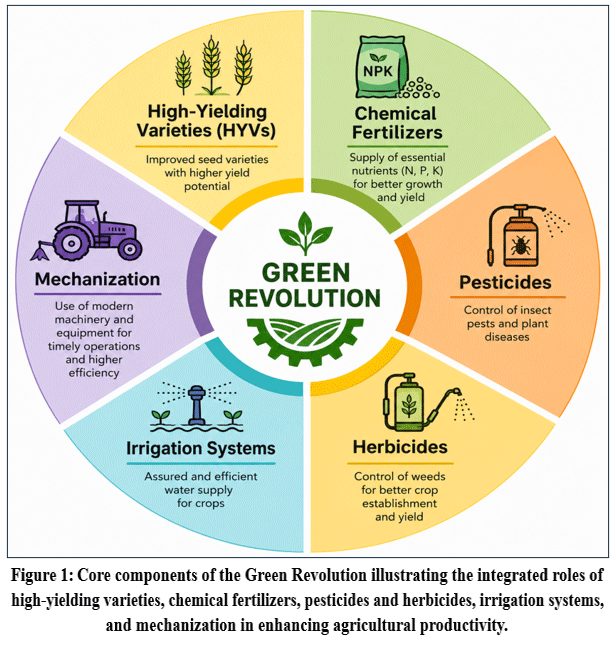 |
Figure 1; Core components of the Green Revolution illustrating the integrated roles of high-yielding varieties, chemical fertilizers, pesticides and herbicides, irrigation systems, and mechanization in enhancing agricultural productivity. |
Why Chemical Fertilizers and Pesticides Were Adopted in India
The widespread adoption of chemical fertilizers and pesticides in India in the mid‑20th century was not a random trend, but a strategic response to demographic pressures, recurring food scarcity, and policy imperatives aimed at securing the nation’s food needs.
Food Shortages, Famine Conditions, and Rising Population
In the decades following India’s independence in 1947, the country faced a daunting challenge of feeding its rapidly growing population. Agricultural productivity at the time was largely traditional and low-input, relying on organic manures, indigenous pest control, and rain-fed irrigation systems. While these methods were sustainable and ecologically balanced, they produced modest yields that were insufficient to meet the basic food requirements of a nation recovering from colonial exploitation, partition, and widespread poverty. The 1940s and 1950s were marked by recurrent food crises and famine-like conditions, particularly in regions such as Bihar, Odisha, and parts of Rajasthan, where droughts, floods, and crop failures often compounded food insecurity. India’s dependence on food imports became critical, and foreign aid programs such as PL-480 (Food for Peace) from the United States supplied wheat and other grains to bridge the deficit. Despite these imports, malnutrition, undernourishment, and economic strain on the government and rural households remained widespread.30 These conditions created an urgent need for transformative agricultural strategies to avert famine and ensure nationality.
At the same time, India was experiencing rapid population growth, which placed further pressure on limited agricultural land. In 1951, the population was about 361 million, increasing to 438 million by 1961 and reaching 548 million by 1971, representing a growth rate of nearly 50% over two decades. This demographic explosion increased the per capita demand for food and highlighted the inadequacy of traditional farming systems, which were unable to substantially increase yield without expanding cultivated land a strategy that was largely unfeasible due to population density and land scarcity.
Food demand outpaced production not only because of population growth but also due to inefficiencies in traditional agriculture, such as low nutrient replenishment rates, poor pest and disease management, and reliance on seasonal rainfall. Yields of staple crops were particularly low. For example, in the early 1960s, wheat yields averaged 6–8 quintals per hectare, while rice averaged around 7–10 quintals per hectare, significantly below the global potential for these crops under improved agronomic practices. Low yields, coupled with high post-harvest losses due to storage and pest issues, exacerbated food scarcity.31
This combination of chronic food deficits, increasing population pressure, and the urgent need for higher productivity provided the primary impetus for adopting chemical fertilizers and pesticides. These inputs promised rapid and reliable increases in crop yields, allowing farmers to produce more food on the same amount of land, reduce crop losses to pests and diseases, and contribute to national food security. The government recognized that relying solely on traditional practices would be insufficient to meet the challenges of a growing nation, which led to the planning and eventual implementation of the Green Revolution strategies in the 1960s.
In essence, the mid-20th century agricultural scenario in India was characterized by a precarious balance between population growth and limited food production, recurring crises due to climatic and systemic vulnerabilities, and the urgent need to adopt scientifically validated interventions. Chemical fertilizers and pesticides offered a solution capable of breaking traditional yield ceilings, stabilizing food supplies, and enabling India to move toward self-sufficiency in staple crops.32
Need for Higher Yields on Limited Land
By the early 1960s, India’s agricultural landscape faced severe constraints. Arable land per capita was decreasing due to rapid population growth, urbanization, and land fragmentation. With approximately 140 million hectares under cultivation at that time, the pressure to maximize productivity on limited land became a national priority. Traditional farming systems, which relied on organic manures, crop rotations, and indigenous pest control, provided sustainability but achieved only modest yields. For example, wheat yields averaged 6–8 quintals per hectare, and rice yields averaged 7–10 quintals per hectare, which were insufficient to meet the caloric and nutritional needs of the expanding population.
The need for higher yields was further intensified by regional soil fertility constraints. Many Indian soils, particularly in the Indo-Gangetic plains and peninsular regions, were deficient in nitrogen, phosphorus, and potassium, the primary macronutrients required for optimal crop growth. Traditional inputs such as farmyard manure (FYM) and compost, while improving soil structure and microbial activity, were limited in supply and nutrient density, making it difficult to achieve rapid productivity gains. Soil degradation, compounded by repeated cultivation without adequate replenishment, led to declining fertility in some areas, creating additional pressure to adopt concentrated chemical fertilizers that could supply essential nutrients quickly.
Limited irrigation infrastructure in many regions meant that rain-fed agriculture dominated, making crops highly vulnerable to seasonal variability and droughts. High-yielding varieties (HYVs) of wheat and rice introduced during the Green Revolution were nutrient-responsive and irrigation-dependent, requiring a combination of chemical fertilizers and adequate water to achieve their genetic yield potential. Without these inputs, HYVs could not significantly outperform traditional varieties. The Green Revolution addressed these constraints through a comprehensive package High-yielding variety seeds capable of producing 2–3 times the yield of traditional varieties. Chemical fertilizers, primarily urea (nitrogen), diammonium phosphate (DAP, phosphorus), and muriate of potash (potassium), providing precise and concentrated nutrient supplementation. Pesticides, including DDT, BHC, and later organophosphates, protecting crops from insect and pest damage. Irrigation and mechanization, ensuring that crops could realize their yield potential and withstand climatic variability.
This approach allowed a dramatic increase in crop productivity on existing farmland. For instance, wheat yields in Punjab increased from 6–7 quintals per hectare in 1960 to 27–30 quintals per hectare by the late 1970s, while rice yields in irrigated areas of Haryana and western Uttar Pradesh increased from 8–10 quintals per hectare to 30–35 quintals per hectare. These increases demonstrated that higher yields were achievable without expanding land area, which was critical in a country constrained by land scarcity. Furthermore, chemical fertilizers and pesticides provided predictable and rapid results, addressing the urgent national goal of achieving food self-sufficiency. The combination of nutrient-rich fertilizers and crop protection chemicals allowed farmers to grow multiple crops per year in some regions, effectively increasing annual production and improving overall food availability.
The adoption of chemical fertilizers and pesticides in India was a strategic response to the dual pressures of limited arable land and the need to increase productivity. By supplementing traditional agricultural practices with scientifically validated inputs, India was able to raise yields, stabilize food production, and reduce dependence on imports, laying the foundation for long-term agricultural modernization and national food security.
Short-Term Effectiveness and Quick Results
One of the major reasons for the rapid adoption of chemical fertilizers and pesticides in India during the 1960s and 1970s was their ability to produce immediate and measurable increases in crop productivity. Unlike organic inputs such as farmyard manure (FYM), compost, and green manures, which release nutrients slowly, chemical fertilizers provide readily available nitrogen (N), phosphorus (P), and potassium (K), enabling rapid crop growth and improved yields. Fertilizers such as urea enhanced vegetative growth and grain formation, while diammonium phosphate (DAP) and potassic fertilizers improved root development, drought tolerance, and disease resistance. These inputs allowed farmers to achieve two- to three-fold yield increases within a single growing season. Simultaneously, chemical pesticides provided rapid and effective control of insects, weeds, and fungal diseases that previously caused major crop losses. Pesticides such as DDT, BHC, and organophosphates protected crops from pests including stem borers, aphids, and locusts, ensuring that the benefits of high-yielding varieties (HYVs) and fertilizers were fully realized. The impact was especially evident in Green Revolution regions such as Punjab, Haryana, and western Uttar Pradesh, where wheat and rice yields increased dramatically during the 1960s and 1970s. These improvements enhanced food security, increased farmers’ incomes, stabilized agricultural production during climatic uncertainties, and reduced dependence on food imports. Supported by government subsidies and extension programs, the immediate benefits of higher yields, reduced pest damage, and greater economic returns accelerated the nationwide adoption of chemical fertilizers and pesticides, making them central to India’s agricultural modernization.
Economic and Policy-Driven Promotion
The rapid adoption of chemical fertilizers and pesticides in India during the Green Revolution was strongly supported by government policies, economic incentives, and institutional frameworks. Recognizing that traditional practices and limited farmer resources could not sustain the required yield improvements, the Indian government implemented a series of programs designed to make modern agricultural inputs accessible, affordable, and widely adopted.
Fertilizer Subsidies and Price Support
One of the most significant interventions was the provision of fertilizer subsidies. In the early 1960s, imported fertilizers such as urea, ammonium sulphate, single superphosphate (SSP), and diammonium phosphate (DAP) were expensive and often beyond the financial reach of small and marginal farmers. To overcome this barrier, the government offered direct subsidies on fertilizer prices, reducing the effective cost for farmers, and encouraging widespread use. By 1970, total fertilizer consumption had increased from 0.3 million tonnes in 1960-61 to 2.3 million tonnes by 1970-71, reflecting the combined effect of subsidies and the introduction of nutrient responsive HYV seeds.
Credit Facilities and Agricultural Loans
Access to credit was another major factor enabling fertilizer and pesticide adoption. Cooperative societies, banks, and government programs provided short-term agricultural loans, often linked to the purchase of HYV seeds and chemical inputs. Farmers could thus invest in fertilizers and pesticides without immediate cash outlay, reducing financial risk and promoting adoption even among smallholders. Programs like the Agricultural Credit Scheme facilitated timely availability of loans for purchasing inputs, mechanization, and irrigation infrastructure.
Institutional Support and Distribution Networks
The government also established institutional frameworks to ensure the smooth distribution of fertilizers and pesticides. The formation of cooperatives, such as the Indian Farmers Fertiliser Cooperative (IFFCO) in 1967, and state-level agencies created reliable supply chains that reached rural areas. This infrastructure ensured that farmers could consistently access high-quality chemical inputs without delays or scarcity, a critical factor for the success of input-intensive crops like HYV wheat and rice.
Extension Services and Farmer Training
Extension programs played a vital role in educating farmers about the proper use of chemical fertilizers and pesticides. Krishi Vigyan Kendra’s (KVKs), state agricultural universities, and government extension officers provided training on recommended doses, application methods, timing, and integration with irrigation and crop management practices. These programs minimized misuse, maximized efficiency, and encouraged adoption by demonstrating clear yield advantages.
Policy Impact on Adoption Rates
The usage of inputs increased quickly and steadily as a result of government initiatives and financial incentives. For example, the use of phosphatic fertilizer climbed from 0.06 million tonnes to 0.8 million tonnes during the same period, and nitrogen fertilizer use increased from 0.2 million tonnes in 1960–61 to nearly 1.5 million tonnes by 1975–76. In states like Punjab, Haryana, and western Uttar Pradesh, where the use of chemical fertilizers and pesticides was at its peak, the Green Revolution was made possible by a well-coordinated combination of subsidies, financing, extension services, and institutional support. As important as the agronomic efficacy of chemical pesticides and fertilizers was their commercial and policy-driven marketing. The Indian government set the stage for the country’s transition from a food-deficit to a self-sufficient producer of staple crops by ensuring that scientifically planned agricultural interventions translated into actual productivity gains by making inputs accessible, affordable, and properly managed.
Regulatory Context and Changing Pesticide Use
In the early stages of chemical pesticide adoption, India relied heavily on organochlorine compounds, notably DDT (dichlorodiphenyltrichloroethane) and BHC (benzene hexachloride, also called lindane), for both agricultural pest control and public health programs such as malaria vector management. These pesticides were effective and widely available but posed significant environmental and health risks, including persistence in soil and water, bioaccumulation in food chains, and toxicity to non-target organisms. Recognizing these hazards, the Indian government established the Insecticides Act of 1968, which aimed to regulate the manufacture, sale, transport, and use of pesticides. The Act mandated registration of pesticides, quality control measures, and labelling to ensure safe handling and application. Despite this regulatory framework, enforcement and compliance have historically lagged the rapid expansion in pesticide usage, resulting in incidents of misuse, over-application, and environmental contamination.
Currently, India has hundreds of registered pesticides, spanning organophosphates, carbamates, pyrethroids, and newer biopesticides. While the per-hectare pesticide usage in India (~0.5 kg/ha) remains lower than in many developed countries (6.6 kg/ha in South Korea, 13 kg/ha in Japan), food contamination with pesticide residues remains a concern. The issue is compounded by improper application, lack of farmer training, inadequate monitoring, and unsafe disposal of chemical containers, highlighting the ongoing challenge of balancing productivity gains with environmental and public health safety.
Food shortages and reliance on imports were among the demographic, agronomic, and policy reasons that contributed to India’s use of chemical pesticides and fertilizers. India frequently had staple grain shortages after gaining independence, requiring immediate action to stabilize food supplies. The population grew quickly, from 361 million in 1951 to 548 million in 1971, putting more strain on the small amount of agricultural land. The limitations of conventional farming and low-input, organic agriculture prevented them from achieving the production increases needed to satisfy the country’s food needs. Effectiveness of chemical inputs: When paired with irrigation and high-yielding variety (HYV) seeds, fertilizers and insecticides produced quick and consistent yield increases that allowed for multiple cropping and improved crop protection. Widespread adoption and appropriate use of inputs were made possible by institutional promotion, policy support, subsidies, credit facilities, cooperative distribution networks, and extension services.
These interventions collectively transformed India from a food-deficit country to a self-sufficient food producer, marking the success of the Green Revolution. However, the long-term consequences of chemical-intensive agriculture, including soil degradation, biodiversity loss, groundwater contamination, pesticide residues in food, and human health risks, have emerged as central concerns in current debates about sustainable agriculture. Understanding the historical adoption, regulatory evolution, and impacts of chemical fertilizers and pesticides is crucial for developing integrated strategies that balance productivity with ecological and public health sustainability.
Types and Classification
To increase crop output and shield crops from pests and diseases, chemical fertilizers and pesticides play a major role in today’s agricultural environment. Chemical fertilizers are synthetic materials that provide plants with concentrated, easily accessible forms of important nutrients, such as micronutrients like zinc, iron, and boron and macronutrients like potassium, phosphorus, and nitrogen. They differ from organic fertilizers, which release nutrients gradually as they break down and come from natural sources such compost, farmyard manure, green manure, or crop wastes. Chemical fertilizers offer instant nutrient availability, allowing for faster plant growth and greater yields, particularly in intensive farming methods, whereas organic fertilizers enhance soil structure, water-holding capacity, and microbial diversity.
Fertilizers
Chemical fertilizers are commercially produced nutrient sources designed to provide plants with necessary macronutrients and micronutrients in highly concentrated, easily accessible forms. Chemical fertilizers offer instant nutrient availability, allowing for faster crop development and greater yields under intensive farming systems, in contrast to organic fertilizers, which come from plant or animal leftovers and release nutrients gradually through microbial breakdown. They are essential to contemporary agricultural methods because of their uniform composition, portability, extended shelf life, and compatibility with automated agriculture, especially in nations like India where food security is still a top concern.33
Among chemical fertilizers, nitrogenous fertilizers are the most widely used due to nitrogen’s critical role in vegetative growth, chlorophyll formation, protein synthesis, and enzyme activity. Urea, containing approximately 46% nitrogen, is the most concentrated solid nitrogen fertilizer available in the market and is the highest-selling fertilizer in India. It is produced through the Haber–Bosch process and marketed as granules or pills for soil application and foliar use. Other nitrogenous fertilizers include ammonium sulphate, which contains 21% nitrogen and about 24% sulphur, making it valuable in sulphur-deficient soils, and ammonium nitrate, containing 33–34% nitrogen in both ammonium and nitrate forms, allowing rapid uptake by crop. While nitrogen fertilizers significantly enhance crop biomass and yield, excessive application often leads to nitrate leaching, groundwater contamination, volatilization losses, and soil acidification.
Phosphatic fertilizers supply phosphorus, an essential nutrient for root development, energy transfer (ATP), flowering, seed formation, and early crop establishment. The most marketed phosphatic fertilizers include single superphosphate (SSP), which contains 16–20% P₂O₅ along with calcium and sulphur, and triple superphosphate (TSP), which contains a higher concentration of 46% P₂O₅. Diammonium phosphate (DAP), containing 18% nitrogen and 46% P₂O₅, is one of the most extensively sold fertilizers in India, particularly during the sowing season of cereals such as wheat and rice. Phosphorus fertilizers are less mobile in soil and are prone to fixation in acidic or alkaline conditions, making placement and dosage critical for effective utilization.
In addition to macronutrients, chemical fertilizers also include micronutrient formulations that correct deficiencies of essential trace elements required for enzymatic and metabolic processes. These fertilizers are marketed in specific concentrations, such as zinc sulphate containing 21% zinc, ferrous sulphate containing around 20% iron, manganese sulphate with 30–32% manganese, boric acid supplying 17–18% boron, copper sulphate containing approximately 25% copper, and sodium molybdate providing 39–40% molybdenum. Micronutrient fertilizers are particularly important in intensively cultivated soils where repeated cropping and heavy fertilizer use have depleted trace elements, leading to hidden hunger in crops despite adequate macronutrient supply.
Chemical Pesticides
Chemical pesticides are synthetic substances designed to control, repel, or eliminate pests that negatively affect crop growth, yield, and quality. They play a critical role in modern agriculture by reducing losses caused by insects, weeds, pathogens, and rodents, particularly under intensive monocropping systems. Unlike traditional botanical or biological pest control methods, chemical pesticides act rapidly and are formulated in standardized concentrations to ensure predictable efficacy. Based on their target organisms, mode of action, and selectivity, chemical pesticides are broadly classified into insecticides, herbicides, fungicides, and rodenticides, with further distinctions between contact and systemic action, and broad-spectrum versus selective activity.34
Insecticides are the most extensively used class of pesticides in Indian agriculture, targeting insect pests that damage crops at various growth stages. Commonly marketed insecticides include organophosphates, carbamates, synthetic pyrethroids, and neonicotinoids. Examples include chlorpyrifos (20% EC), widely used against soil and foliar pests malathion (50% EC), employed for sucking and chewing insects, cypermethrin (10% EC) and deltamethrin (2.8% EC), which are synthetic pyrethroids effective at low doses and imidacloprid (17.8% SL), a systemic neonicotinoid commonly applied as seed treatment or foliar spray. These formulations are designed to disrupt insect nervous systems, leading to paralysis and death. While insecticides significantly reduce crop losses, excessive or repeated use has resulted in pest resistance, resurgence of secondary pests, and toxicity to beneficial insects such as pollinators.
Herbicides are used to control weeds that compete with crops for nutrients, water and light. They are especially important in mechanized and large-scale farming systems where manual weeding is labour-intensive. Common herbicides marketed in India include glyphosate (41% SL), a broad-spectrum systemic herbicide used for non-crop areas and plantation crops 2,4-D (58% EC), a selective herbicide widely used in wheat and rice fields to control broadleaf weeds atrazine (50% WP), commonly applied in maize and sugarcane and pendimethalin (30% EC), a pre-emergence herbicide that inhibits weed seed germination. Herbicides act by interfering with photosynthesis, amino acid synthesis, or cell division. Although they reduce labor costs and improve yield efficiency, long-term herbicide use has raised concerns about herbicide-resistant weeds, soil residue persistence, and contamination of water bodies.
Fungicides are used to prevent or control fungal diseases such as rusts, blights, mildews, and rots, which can severely reduce crop yield and quality. Widely used fungicides include mancozeb (75% WP), a broad-spectrum contact fungicide carbendazim (50% WP), a systemic fungicide effective against seed and soil-borne fungi copper oxychloride (50% WP), commonly used in horticultural crops and hexaconazole (5% EC), effective against powdery mildew and leaf spot diseases. Fungicides work by inhibiting fungal enzyme systems, cell membrane synthesis, or spore germination. While fungicides help ensure crop health and post-harvest quality, improper application can lead to fungal resistance and accumulation of chemical residues on food products.
Based on their mode of action, chemical pesticides are categorized as contact pesticides, which kill pests upon direct contact (e.g., mancozeb, cypermethrin), and systemic pesticides, which are absorbed by plants and translocate to different tissues (e.g., imidacloprid, carbendazim). In terms of selectivity, broad-spectrum pesticides affect a wide range of organisms but pose greater ecological risks, whereas selective pesticides target specific pests, reducing harm to beneficial species. The classification, mode of action, and potential risks of commonly used pesticide groups are summarized in Table 2.
Table 2: Classification of Chemical Pesticides, Target Organisms, and Associated Risks
| Pesticide category | Common examples | Target pest group | Mode of action | Human & ecological risks |
| Organophosphate insecticides | Chlorpyrifos, Malathion | Chewing and sucking insects | Acetylcholinesterase inhibition | Neurotoxicity, acute poisoning, residue persistence.35 |
| Neonicotinoid insecticides | Imidacloprid, Thiamethoxam | Sap-feeding insects | Nicotinic receptor binding | Pollinator decline, resistance development.36 |
| Herbicides | Glyphosate, 2,4-D | Broadleaf weeds and grasses | Disruption of plant growth pathways | Water contamination, probable carcinogenicity.37 |
| Fungicides | Mancozeb, Carbendazim | Plant pathogenic fungi | Enzyme and metabolic inhibition | Endocrine disruption, food residue concerns.38 |
Role of Agrochemicals in Enhancing Agricultural Production
The introduction and widespread use of chemical fertilizers and pesticides have played a pivotal role in transforming agricultural productivity, particularly in developing countries such as India. One of the most significant benefits has been the substantial increase in crop yield and overall productivity. Chemical fertilizers supply essential nutrients nitrogen, phosphorus, potassium, and micronutrients in readily available forms, enabling crops to achieve their genetic yield potential.39 The application of nitrogenous fertilizers such as urea has been especially critical in cereals like rice and wheat, leading to dramatic yield improvements during and after the Green Revolution. As a result, average yields of major food crops increased several-fold compared to pre-chemical agriculture, allowing farmers to produce more food from the same or even smaller land areas.
Increase in Crop Yield and Agricultural Productivity
Particularly since the Green Revolution, chemical fertilizers have significantly increased crop yield and agricultural productivity. They encourage quick plant growth, better photosynthesis, and increased grain production by providing vital nutrients including nitrogen (N), phosphorus (P), and potassium (K) in easily accessible forms. In important cereal crops like wheat and rice, nitrogenous fertilizers like urea greatly increased biomass buildup and productivity. India’s food grain production thus rose from over 82 million tonnes in 1960–1961 to over 315 million tonnes by 2021–2022, while wheat and rice yields more than doubled or tripled during that time. Consumption of fertilizer increased significantly as well, closely matching trends in production increases. Chemical fertilizers changed Indian agriculture from low-input subsistence farming to a high-productivity system that could support national food security and agricultural intensification when combined with irrigation and high-yielding cultivars.
Crop-wise Yield Enhancement and Nutritional Output
The yield gains achieved through chemical fertilizer use were not limited to sheer biomass production but also translated into enhanced nutritional output per unit area, particularly for staple food crops. In rice, the application of nitrogenous and phosphate fertilizers significantly increased grain number per panicle and grain weight, raising average yields from about 1.0 t/ha in the 1960s to 2.7–3.0 t/ha in the 2020s.40 This increase substantially improved caloric availability, as rice provides approximately 360 kcal and 6–7 g protein per 100 g of grain, thereby contributing directly to national calorie security. In wheat, fertilizer-responsive semi-dwarf varieties exhibited dramatic yield responses, with productivity rising from ~0.8–1.0 t/ha before the Green Revolution to over 3.5–4.0 t/ha in irrigated regions, resulting in higher carbohydrate and protein availability (wheat contains 13–14% protein, higher than rice). Similarly, maize yields increased from ~1.1 t/ha to over 3.0 t/ha, supporting both human consumption and the expanding livestock and poultry sectors.41 Pulses, though less responsive to nitrogen fertilizers due to biological nitrogen fixation, benefited indirectly from phosphorus and micronutrient application, improving root nodulation, grain formation, and protein yields per hectare. Overall, fertilizer-driven yield enhancement increased not only food quantity but also nutrient density per cultivated area, enabling greater availability of carbohydrates, plant proteins, and essential minerals without proportionate expansion of farmland. This improvement was crucial in reducing chronic hunger, stabilizing food prices, and supporting dietary energy requirements of a rapidly growing population, although it also marked the beginning of input-intensive production systems with long-term sustainability implications.42
Reduction in Crop Losses Due to Pests and Diseases
Chemical pesticides have played a decisive role in reducing yield losses caused by insects, weeds, pathogens, and rodents, which historically accounted for 20–40% of potential crop losses in Indian agriculture. Their effectiveness lies in their ability to target specific biological processes of pests and pathogens, thereby interrupting feeding, reproduction, growth, or survival. Under pre-chemical systems, pest outbreaks were largely unpredictable and could cause widespread crop failure, whereas chemical control introduced reliability and stability in crop protection, especially in high-input and monocropping systems.43
Insecticides functioned primarily by disrupting the nervous system, energy metabolism, or hormonal balance of insect pests. Organochlorines such as DDT interfered with nerve impulse transmission, providing long-lasting control against pests like stem borers, leaf hoppers, aphids, and whiteflies in crops such as rice, cotton, and vegetables. Later, organophosphates and carbamates acted as acetylcholinesterase inhibitors, causing rapid paralysis and death of chewing and sucking insects. This significantly reduced damage to leaves, stems, flowers, and developing grains, directly preserving yield potential, and preventing secondary infections through pest-created wounds.44
Fungicides protected crops from devastating diseases caused by fungi, which can spread rapidly under humid and warm conditions. Contact fungicides such as sulphur and copper compounds created protective barriers on plant surfaces, while systemic fungicides penetrated plant tissues to inhibit fungal growth from within. Diseases such as rusts in wheat, blast in rice, downy mildew in grapes, and blights in vegetables were effectively controlled, preventing large-scale epidemics and quality deterioration of produce. This protection was particularly important in monoculture systems where disease pressure is inherently high.
Support to Food Security and National Self-Sufficiency
During the Green Revolution, India’s transition from a food-deficient to a food-self-sufficient nation was largely attributed to the joint use of chemical pesticides and fertilizers. While pesticides reduced crop losses due to pests and diseases, chemical fertilizers provided vital nutrients that allowed high-yielding varieties (HYVs) of wheat and rice to reach maximum output. In order to stabilize per-capita food availability and lessen reliance on food imports, India’s food grain production rose from roughly 50–55 million tonnes in the 1950s to over 300 million tonnes in recent years. The Public Distribution System (PDS), buffer stock development, and welfare initiatives to combat hunger and malnutrition were all made possible by increased and steady agricultural output. Increased local production also improved national food security and economic resilience while preserving foreign exchange. Despite these successes, the long-term overuse of chemical inputs has sparked worries about soil deterioration, environmental sustainability, and nutritional quality. Future food security plans must so strike a balance between ecological farming methods and productivity.
Short-Term Economic Benefits to Farmers
The adoption of chemical fertilizers and pesticides provided significant short-term economic advantages to farmers, particularly during the early decades of their use. One of the most immediate benefits was the substantial increase in crop yields, which directly translated into higher marketable surplus and improved farm income. With assured nutrient supply and effective pest control, farmers could harvest more produce per unit area, making farming more commercially viable, especially for staple crops such as rice, wheat, cotton, and sugarcane. Chemical inputs also reduced production risks and uncertainties that were common under traditional farming systems. Nutrient deficiencies, pest outbreaks, and disease-related crop failures could now be addressed quickly and effectively, allowing farmers to stabilize yields across seasons. This predictability enabled better crop planning, input scheduling, and investment decisions, encouraging farmers to adopt multiple cropping and intensive farming systems where two or even three crops could be grown annually on the same land.45
Expansion of Intensive Farming Systems
The widespread use of chemical fertilizers and pesticides played a central role in enabling the expansion of intensive farming systems in India. These inputs made it possible to cultivate crops at higher densities and frequencies by ensuring a continuous and concentrated supply of nutrients while protecting crops from pests, weeds, and diseases. As a result, farming shifted from traditional single-crop or low-input systems to high-input, high-output models aimed at maximizing production per unit area and time.3
One of the most significant outcomes of chemical input use was the adoption of multiple cropping and double-cropping systems, particularly in irrigated regions. With chemical fertilizers rapidly replenishing soil nutrients and pesticides minimizing yield losses, farmers could grow two or even three crops in a year on the same land. This intensified land use substantially increased annual productivity and contributed to higher farm incomes and improved food availability.46 Chemical inputs also supported the large-scale cultivation of monoculture crops, especially high-yielding varieties of rice and wheat during the Green Revolution. These varieties had high nutrient and water demands and were more susceptible to pests and diseases, making chemical fertilizers and pesticides essential for realizing their yield potential. Intensive cultivation practices, including mechanization and standardized crop management, became economically feasible due to the reliability offered by chemical input.
Furthermore, the expansion of intensive farming encouraged regional specialization, with certain areas focusing heavily on specific crops such as rice wheat systems in the Indo-Gangetic Plains, cotton in central India, and sugarcane in western and southern states. While this specialization boosted short-term productivity and efficiency, it also increased dependence on chemical inputs and reduced crop diversity.47 Although intensive farming systems significantly enhanced food production and supported national self-sufficiency, they also laid the foundation for emerging challenges such as soil nutrient imbalance, declining organic matter, pest resistance, groundwater depletion, and environmental pollution. These concerns underscore the need to reassess the sustainability of chemically driven intensification and explore integrated approaches that balance productivity with ecological resilience.
Drawbacks and Limitations of Chemical Fertilizers and Pesticides
Despite their significant role in increasing agricultural productivity, the prolonged and intensive use of chemical fertilizers and pesticides has revealed several serious drawbacks and limitations. These challenges affect soil health, farm economics, ecological balance, and long-term sustainability of agricultural systems.
Overdependence on Chemical Inputs
The continuous and intensive use of chemical fertilizers and pesticides has resulted in a pronounced overdependence on external inputs within modern agricultural systems. This dependency did not develop overnight rather, it emerged gradually as farming practices shifted from ecologically balanced, low-input systems to chemically driven, yield-maximizing models. Initially, chemical inputs were used as supplements to organic manures and traditional pest control methods.48 However, over time, they became the primary and often the sole means of maintaining crop productivity, especially in intensive cropping regions.
Chemical fertilizers supply nutrients in highly soluble forms that are immediately available to plants. While this ensures rapid crop response, it bypasses the natural nutrient cycling processes mediated by soil organic matter and microorganisms. Repeated application of such fertilizers, without adequate organic inputs, leads to a steady decline in soil organic carbon, which is the foundation of soil fertility. As organic matter decreases, the soil’s capacity to retain nutrients, water, and support beneficial microbes also diminishes. Consequently, soils lose their natural buffering and nutrient-supplying ability, making crops increasingly reliant on externally applied fertilizers for growth.49
As microbial populations decline particularly nitrogen-fixing bacteria (e.g., Azotobacter, Rhizobium), phosphate-solubilizing bacteria, and mycorrhizal fungi the soil’s biological contribution to nutrient availability is reduced. This weakens natural nutrient recycling and leads to poor nutrient-use efficiency. Farmers then respond by increasing fertilizer doses to compensate for declining soil fertility and yield stagnation. Similarly, frequent pesticide use suppresses not only target pests but also beneficial organisms such as predators, parasitoids, and soil fauna, increasing pest vulnerability and reinforcing reliance on chemical control.50
Overdependence on chemical inputs is particularly visible in intensively cultivated regions such as the Indo-Gangetic Plains, where rice wheat monocropping systems dominate. In these areas, repeated cultivation of the same crops with high doses of nitrogenous fertilizers and pesticides has led to nutrient imbalance, micronutrient deficiencies (e.g., zinc and iron), soil compaction, and declining responsiveness to fertilizers. Rainfed and marginal areas are also increasingly affected as farmers adopt chemical inputs without adequate soil health management. The result is a self-reinforcing cycle of chemical dependency, where declining soil health necessitates higher input use, which in turn further degrades soil quality. Productivity becomes tightly linked to continuous chemical application rather than inherent soil fertility or ecological resilience. This system leaves farmers vulnerable to rising input costs, supply disruptions, and market volatility, while simultaneously increasing environmental and health risks. Over time, the economic and ecological costs outweigh the short-term gains, undermining the sustainability of agricultural production.51 In essence, overdependence on chemical inputs represents a shift away from soil-cantered farming toward input-driven agriculture, where productivity is maintained artificially rather than biologically. Breaking this cycle requires restoring soil organic matter, microbial diversity, and ecological balance through integrated nutrient and pest management approaches.
Decline in Fertilizer-Use Efficiency
Fertilizer-use efficiency (FUE) refers to the proportion of applied nutrients that are absorbed and utilized by crops for growth and yield formation. In principle, chemical fertilizers were introduced to improve nutrient availability and crop productivity however, long-term, repeated, and imbalanced application has led to a steady decline in FUE across many agricultural regions in India. This decline is now recognized as a major agronomic, economic, and environmental concern.52
A major factor contributing to declining FUE is the imbalanced application of nutrients, particularly the excessive use of nitrogen relative to phosphorus, potassium, and micronutrients. Subsidy-driven overuse of urea has distorted nutrient ratios in Indian soils, leading to widespread deficiencies of potassium, sulphur, zinc, boron, and iron. When one or more nutrients are deficient, crops cannot efficiently utilize others, even if they are present in abundance. This phenomenon, known as the law of the minimum, significantly reduces overall fertilizer efficiency.53
FUE losses are particularly severe in irrigated and intensively cultivated regions, such as rice-wheat systems of the Indo-Gangetic Plains. Flooded paddy fields promote nitrogen losses through volatilization and denitrification, while excessive irrigation accelerates nutrient leaching. In rainfed areas, erratic rainfall causes runoff and uneven nutrient availability, further reducing nutrient uptake efficiency. Declining soil organic matter and microbial activity also play a critical role in reducing FUE. Healthy soils rich in organic carbon and beneficial microorganisms enhance nutrient retention, slow nutrient release, and improve root uptake. Continuous chemical fertilizer use without organic amendments depletes soil organic matter, reduces cation exchange capacity, and disrupts microbial populations such as nitrogen-fixing bacteria (Rhizobium, Azotobacter), phosphate-solubilizing bacteria, and mycorrhizal fungi. This weakens the soil’s natural nutrient-buffering capacity, increasing nutrient losses and lowering efficiency.
In order to sustain yields, farmers must apply larger amounts of fertilizer due to low fertilizer-use efficiency, which raises input prices and narrows profit margins. Nutrient losses also contribute to greenhouse gas emissions, including nitrous oxide, a powerful climate-forcing gas, eutrophication of surface water bodies, and nitrate contamination of groundwater. Long-term fertility is further deteriorated by soil nutrient imbalance, which creates a vicious cycle of decreasing efficiency and growing reliance for chemical inputs. Inappropriate application techniques, nutrient imbalance, deteriorated soil health, and mismatches between nutrient supply and crop demand are the causes of the loss in fertilizer-use efficiency.54 Addressing this issue requires a shift toward balanced fertilization, soil-test-based nutrient management, integrated use of organic amendments, and improved agronomic practices to restore soil functionality and optimize nutrient uptake.
Pest Resistance and Pest Resurgence
The continuous and widespread use of chemical pesticides has led to two major and closely related problems in agriculture, pest resistance and pest resurgence. These phenomena significantly reduce the long-term effectiveness of chemical pest control and create serious ecological and economic challenges for farmers. Pest resistance occurs when insect, weed, or pathogen populations are repeatedly exposed to the same pesticide or group of pesticides. Within any pest population, a small number of individuals may naturally possess genetic traits that allow them to survive chemical exposure. When pesticides are applied frequently and indiscriminately, susceptible pests are killed while resistant individuals survive and reproduce. Over time, these resistant populations dominate, making the pesticide ineffective. This has been widely observed in pests such as cotton bollworms, rice stem borers, aphids, and certain weed species. As resistance builds, farmers are forced to apply higher doses, increase spray frequency, or shift to more toxic and expensive chemicals, further escalating costs and environmental risks.55
Increased Cost of Cultivation
While chemical fertilizers and pesticides initially contributed to higher productivity and improved farm incomes, their prolonged and intensive use has led to a steady increase in the cost of cultivation, making farming economically challenging for many growers. What began as a tool to reduce risk and enhance profitability has gradually evolved into a cost-intensive system that places significant financial pressure on farmers, particularly small and marginal ones. One of the primary reasons for rising costs is the escalating price of chemical inputs. Fertilizers such as urea, DAP, and potash, as well as pesticides and herbicides, have become increasingly expensive due to rising production costs, import dependence for raw materials, and fluctuations in global markets.56 Although subsidies partially offset these costs, they do not fully compensate for the growing quantities required to maintain yields in chemically exhausted. As soil health deteriorates and fertilizer-use efficiency declines, farmers are compelled to apply larger doses and more frequent applications of fertilizers to achieve the same yield levels. Similarly, pest resistance and resurgence force repeated pesticide sprays or the use of newer, more costly chemicals. This results in a continuous rise in input expenditure per crop cycle. Over time, the cost per unit of output increases, reducing net profitability despite stable or even rising yields. Small and marginal farmers are the most affected by rising cultivation costs. Limited access to capital and institutional credit often forces them to rely on informal lenders at high interest rates to purchase inputs. In years of crop failure due to drought, floods, or pest outbreaks, these farmers struggle to recover costs, leading to chronic indebtedness. Even moderate fluctuations in market prices can turn profitable harvests into financial losses when input costs are high.57
Chemical-intensive farming also brings indirect costs that are often overlooked. These include expenses related to soil correction (lime or gypsum application), micronutrient supplementation, pest resistance management, and health-related costs due to pesticide exposure. Over time, land productivity may decline, reducing asset value and further increasing economic vulnerability. Dependence on costly external inputs makes farming highly sensitive to market volatility and policy changes. Any increase in fertilizer or pesticide prices, reduction in subsidies, or supply disruptions can severely affect farm economics. This instability discourages long-term investment in sustainable land management and increases psychological stress among farming communities. In long-term reliance on chemical fertilizers and pesticides has transformed agriculture into a high-cost, high-risk enterprise, particularly for resource-poor farmers. Rising input prices, declining soil responsiveness, pest resistance, and economic uncertainty collectively undermine farm profitability and highlight the need for cost-effective, sustainable alternatives that reduce dependency on chemical inputs.58
Reduced Agricultural Sustainability
The sustainability of agricultural systems is becoming more and more threatened by the extended use of chemical pesticides and fertilizers. Soil deterioration, including a decrease in soil fertility, loss of soil organic carbon, compaction, and disturbance of normal nutrient cycles, has resulted from the ongoing use of chemical inputs. Over time, these modifications lessen the soil’s ability to sustain healthy plant growth and increase crops’ reliance on outside inputs. Additionally, excessive fertilizer application, particularly nitrogen and phosphorus, has contributed to groundwater contamination through leaching and runoff, leading to elevated nitrate levels that pose risks to human and animal health. Pesticide overuse has caused biodiversity decline, affecting beneficial soil microorganisms, pollinators, and natural pest predators, which further destabilizes agroecosystems. The productivity gains achieved through chemical intensification are becoming increasingly difficult to sustain without escalating input use, indicating diminishing returns and growing economic and ecological costs. These challenges highlight the urgent need to adopt sustainable alternatives such as integrated nutrient management (INM), integrated pest management (IPM), organic farming, conservation agriculture, and agroecological practices, which aim to restore soil health, conserve biodiversity, reduce environmental contamination, and maintain long-term agricultural productivity.
Impact on Soil Health
The extensive and prolonged use of chemical fertilizers and pesticides has had profound and multifaceted effects on soil health, undermining the ecological foundation necessary for sustainable agriculture. Soil is a dynamic, living system, and any disruption to its physical, chemical, or biological components can have cascading consequences for crop productivity, environmental quality, and long-term agricultural sustainability.
Loss of Soil Organic Matter (SOM)
In order to maintain a stable structure and replace soil organic carbon, traditional agricultural methods mostly relied on organic inputs including farmyard manure (FYM), compost, crop residues, and green manures. The formation of SOM has decreased due to the ongoing use of chemical fertilizers, frequently in lieu of organic additions. Water retention, nutrient storage, cation exchange capability, and soil aggregation all of which promote healthy plant growth all depend on soil organic matter.59 A decrease in SOM increases the soil’s susceptibility to erosion, crusting, and compaction as well as its ability to retain nutrients and buffer pH fluctuations, necessitating a larger reliance on artificial inputs. Research conducted in the Indo-Gangetic Plains has revealed a significant decrease in natural fertility, as seen by a drop in organic carbon content from approximately 0.9% in the 1960s to approximately 0.5–0.6% now.
Decline in Beneficial Soil Microorganisms
The diversity and activity of soil microbes, such as nitrogen-fixing bacteria (Rhizobium, Azotobacter), phosphate-solubilizing bacteria (Bacillus, Pseudomonas), actinomycetes, mycorrhizal fungi, and decomposers like earthworms and nematodes, are disrupted by chemical-intensive activities. These organisms are essential for the decomposition of organic matter, the cycling of nutrients, the fixation of nitrogen, the solubilization of phosphorus, and the suppression of soil-borne diseases. Overuse of fertilizers, especially nitrogen, reduces total diversity by creating soil conditions that support a limited variety of microbial species. Similarly, beneficial bacteria may be poisoned by pesticides like fungicides, herbicides, and insecticides, which further reduces soil biological activity. Farmers are forced to rely more and more on external chemical inputs as a result of the decrease in microbial biomass and enzymatic activity, which reduces the availability of natural nutrients.60
Soil Acidification and Salinization
By raising the concentration of hydrogen ions in the soil, high dosages of nitrogenous fertilizers particularly those based on ammonium, such as urea and ammonium sulphate contribute to soil acidification. Acidification increases the solubility of harmful metals like manganese and aluminum, which stunt plant growth, while decreasing the availability of essential minerals like calcium, magnesium, and phosphorus. Salinization, or the build up of soluble salts in the soil profile, has also been caused by over-irrigation and frequent fertilizer application in irrigated areas with poor drainage. Long-term fertility problems are caused by saline soils because they alter soil structure, decrease microbial activity, and hinder plant uptake of water.61
Nutrient Imbalance and Soil Compaction
Unbalanced fertilizer application, which is often dominated by nitrogen with insufficient phosphorous, potassium, and micronutrients, upsets the usual nutrient ratios in soil. This leads to deficiencies in essential elements including zinc, iron, boron, and sulfur, which cannot be corrected without additional supplementation. Soil compaction, which impacts water infiltration, aeration, root penetration, and microbial habitat, can also be caused by increased soil bulk density from repeated heavy fertilizer applications. Compacted soils further reduce productivity because they are less resilient to stresses like drought.
Long-Term Reduction in Soil Fertility
Soil fertility gradually deteriorates as a result of the combined effects of SOM loss, microbial decrease, acidification, salinization, nutrient imbalance, and compaction. A cycle of growing fertilizer consumption results from soils becoming more and more reliant on synthetic inputs to sustain agricultural production. Despite significant chemical input, soil productivity may decrease in the absence of remedial actions; this phenomena has previously been noted in areas that engage in long-term, intense rice-wheat monocropping. Agricultural ecosystems are less resilient to pests, pathogens, and climatic variability when soil health is compromised. Reduced biodiversity and nutrient cycling also jeopardize food security and long-term sustainability. This emphasizes how crucial it is to implement integrated soil fertility management, which includes crop rotation, cover crops, organic amendments, and minimal tillage techniques, in order to repair and preserve healthy, productive soils.
Quantitative Trends in Soil Organic Carbon and Soil Health
The long‑term impacts of chemical‑intensive agriculture on soil health are not just theoretical they are reflected in quantifiable declines in key soil quality indicators across India’s agricultural landscapes. One of the most widely reported metrics, soil organic carbon (SOC) a crucial component of soil organic matter that governs water retention, nutrient supply, aggregation, and biological activity has declined significantly over the past several decades. A national assessment reported that average SOC levels in Indian soils have fallen from about 1.0% roughly 70 years ago to approximately 0.3% today, indicating a sharp depletion of organic matter under continuous conventional cultivation without adequate organic inputs.62
Beyond carbon stocks, declining SOC has wider ramifications. Reduced microbial activity, weakening soil structure, and decreased water-holding capacity are all linked to lower organic matter, which hinders crop tolerance to stressors like disease and drought as well as nutrient cycling. Because soils store carbon that would otherwise be added to atmospheric greenhouse gasses, SOC also contributes to the mitigation of climate change. When SOC drops below ideal levels, Indian soils’ capacity to store carbon, which is estimated to be between 6 and 7 teragrams (Tg) annually, is hampered.63
Environmental Contamination and Pathways
The extensive use of chemical fertilizers and pesticides in modern agriculture has not only impacted soil health and crop productivity but also led to widespread environmental contamination. These agrochemicals, while improving short-term yields, persist in ecosystems and enter multiple environmental pathways soil, water, and air posing risks to biodiversity, human health, and long-term sustainability (Fig. 2.) illustrates the long-term trends in chemical input usage, crop productivity, and soil health in Indian agriculture, highlighting the divergence between increasing input dependence and declining system sustainability.
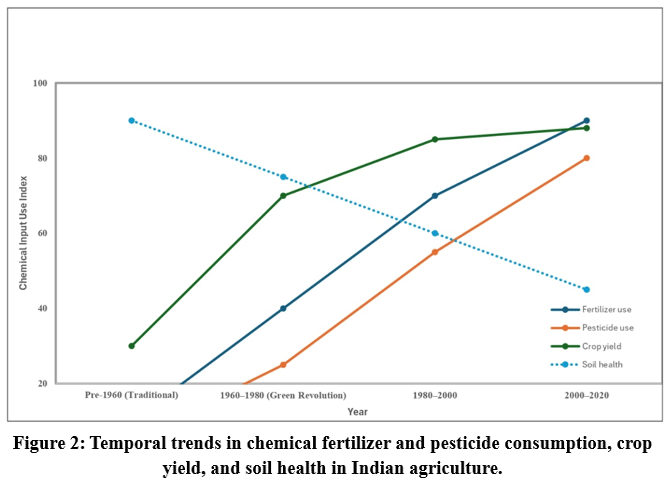 |
Figure 2: Temporal trends in chemical fertilizer and pesticide consumption, crop yield, and soil health in Indian agriculture.
|
Soil Contamination
Chemical Residue Accumulation
Nitrogen (N), phosphorus (P), and potassium (K) fertilizers are used to supply essential minerals for crop growth, but overapplication can alter the soil’s chemical balance and cause nutrient imbalances. Excessive nitrogen application, for example, can acidify soil, raising toxic manganese and aluminum ions while reducing the availability of calcium, magnesium, and phosphorus. Even with significant fertilizer application, overuse of potassium and phosphorus can result in hidden nutritional deficiencies by obstructing the absorption of minerals like iron and zinc. Persistent pesticides, particularly organochlorines (DDT, BHC) and some organophosphates, remain in the soil for years due to their resistance to microbial degradation.64 These residues can accumulate in the topsoil, gradually reaching concentrations toxic to non-target organisms.
Effects on Soil Microorganisms
The soil microbial community, which is crucial for the breakdown of organic matter and the cycling of nutrients, is disturbed by chemical contamination. Nitrogen-fixing bacteria (Rhizobium, Azotobacter), which transform atmospheric nitrogen into forms that plants can use, are important beneficial microbes impacted. Phosphorus bound in soil minerals is released by phosphate-solubilizing bacteria (Bacillus, Pseudomonas), which liberate phosphorus trapped in soil minerals. Mycorrhizal fungi, which improve soil structure and increase nutrient intake. Earthworms and other decomposer organisms provide aeration and the turnover of organic matter.65 The soil’s natural ability to regenerate fertility is diminished as these populations drop, which lowers nutrient-use efficiency and increases crop reliance on artificial fertilizers.
Physical and Structural Effects
Overuse of chemical inputs may cause the soil to become less compacted and aggregated, which lowers water infiltration and root penetration. The loss of organic matter exacerbates this by causing poor soil aeration, crust development, and greater susceptibility to erosion. Hazardous amounts of leftover pesticides and fertilizer salts can directly affect plant roots and good microorganisms. Toxic buildup damages crops, stunts their growth, and increases their susceptibility to diseases and pests.66 Additionally, some pesticides have the potential to mobilize heavy metals in the soil, which plants can absorb and enter the food chain, endangering the health of people and animals.
Long-Term Consequences
Over time, soils with lower fertility become less productive, necessitating higher and more frequent chemical treatments. Decreased biodiversity destabilizes natural pest control mechanisms by reducing soil fauna and microbial diversity. Environmental risks Contaminated soil contributes to eutrophication by releasing pesticides, phosphates, and nitrates into water bodies. Essentially, a vicious cycle is created when chemical pesticides and fertilizers contaminate soil, decreasing natural fertility and necessitating more chemical inputs, which worsen soil quality.24 Soils may deteriorate significantly without remedial actions like crop rotation, organic amendments, or integrated nutrient management, endangering ecosystem health and long-term agricultural output.
Water Contamination
The extensive use of chemical fertilizers and pesticides in Indian agriculture has caused widespread water contamination, affecting groundwater, surface water, and aquatic ecosystems. These chemicals are highly mobile and can easily enter water bodies through leaching, runoff, and drainage, creating both local and downstream environmental problems. Water contamination poses risks to human health, livestock, fisheries, and biodiversity, highlighting the urgent need for sustainable management practices.
Groundwater Contamination
Nitrogenous fertilizers, particularly urea, ammonium sulphate, and ammonium nitrate, are highly soluble and can leach through the soil profile into groundwater aquifers. This leaching is especially severe in areas with sandy soils, high rainfall, or intensive irrigation. Long-term monitoring in the Indo-Gangetic Plains, one of India’s most intensively farmed regions, shows nitrate concentrations in groundwater ranging from 50–150 mg/L, often exceeding the WHO safe limit of 45 mg/L. Chronic ingestion of nitrate-contaminated water can cause methemoglobinemia (“blue baby syndrome”) in infants, where oxygen transport in the blood is impaired.67 Additionally, long-term exposure is linked to thyroid dysfunction, colorectal and gastric cancers, and reproductive health issues in adults. Pesticides like DDT, HCH (BHC), endosulfan, and organophosphates, despite partial bans or restrictions, persist in groundwater due to their low solubility and high chemical stability, leading to long-term contamination. These persistent residues bioaccumulate and magnify through the food chain, affecting humans and animals who consume contaminated water, crops, or fish.
Surface Water Contamination
Fertilizers and pesticides applied to agricultural fields rarely remain confined to the soil they are frequently transported to rivers, lakes, reservoirs, and ponds via surface runoff, particularly during heavy rainfall, monsoon floods, or excessive irrigation. This runoff carries both water-soluble nutrients like nitrates and phosphates and persistent chemical residues from pesticides, spreading contamination over large areas and affecting downstream water bodies.
Nutrient Loading and Eutrophication
Nitrogen and phosphorus from fertilizers are the primary contributors to nutrient loading in surface waters. Studies in the Indo-Gangetic plains, including Punjab, Haryana, and western Uttar Pradesh, indicate that nitrate concentrations often exceed 50–100 mg/L, while phosphate levels surpass 2 mg/L, which is above safe limits for human consumption and aquatic life. The excess nutrients stimulate algal growth, leading to algal blooms, oxygen depletion, and subsequent fish kills. Examples include Bellandur Lake in Bangalore, which experiences frequent green water blooms, and stretches of the Ganga and Yamuna rivers, where nutrient over-enrichment has disrupted aquatic ecosystems.68
Pesticide Contamination
Herbicides such as glyphosate and atrazine dissolve readily in water and are carried in runoff over long distances. They often reach water bodies far from their point of application, affecting non-target aquatic organisms. Similarly, insecticides like chlorpyrifos, malathion, cypermethrin, and organophosphates enter rivers and lakes, where they can be lethal to fish, amphibians, plankton, and other aquatic invertebrates. Even at sublethal doses, these chemicals disrupt reproduction, growth, and behaviour of aquatic organisms, gradually altering the biodiversity and functioning of the ecosystem.
Bioaccumulation and Long-Term Effects
Persistent pesticides, particularly organochlorines like DDT, HCH, aldrin, and dieldrin, although banned or restricted, remain in sediments for years. Aquatic organisms accumulate these chemicals in their tissues, which then magnify up the food chain, impacting birds, mammals, and humans who consume contaminated fish or water. This bioaccumulation poses long-term ecological and health risks, including endocrine disruption, reproductive toxicity, and neurological effects.69
Contamination of Drinking and Irrigation Water
Surface water contamination also affects human and livestock health directly. Many rural communities in India rely on rivers, ponds, and lakes for drinking water, irrigation, and livestock watering. Contaminated water increases the risk of methemoglobinemia, gastrointestinal disorders, chronic pesticide poisoning, and other long-term health issues. Additionally, irrigation with contaminated water can introduce chemical residues into soils and crops, further exacerbating environmental and health risks.70
Factors Intensifying Surface Water Contamination and Ecological Impacts
Surface water contamination from chemical fertilizers and pesticides is not uniform several environmental and human-induced factors exacerbate the problem. Heavy rainfall and monsoon floods significantly increase surface runoff, washing fertilizers, pesticide residues, and soil particles from agricultural fields into rivers, lakes, and ponds. During peak monsoon months, runoff is often intense enough to transport large quantities of nitrogen, phosphorus, and agrochemicals into downstream water bodies, causing sudden spikes in nutrient and chemical concentrations.71 Excessive and imbalanced fertilizer application further aggravates the issue. Farmers often apply nitrogenous and phosphatic fertilizers in quantities beyond crop requirements, aiming for higher yields. However, crops can only absorb a fraction of these nutrients, with the rest dissolving in runoff water or leaching into aquatic systems. This overapplication is especially common in regions cultivating high-demand crops such as rice, wheat, and sugarcane, leading to chronic nutrient overloading in surface waters.
Improper pesticide application, including over-dosing, spraying during windy conditions, or spraying near water bodies, contributes heavily to contamination. Many small and marginal farmers lack formal training, and pesticides are frequently applied indiscriminately, increasing the risk of drift into nearby rivers and irrigation channels. Sprayed chemicals often bypass target crops and enter the water directly or adhere to soil particles, which are then transported by runoff. The loss of riparian vegetation, such as trees, shrubs, and grasses along riverbanks, diminishes natural buffering zones that would normally intercept and absorb chemicals before they reach water bodies. Without these vegetative filters, runoff flows unimpeded, carrying higher concentrations of nutrients and pesticides into rivers and lakes.72
Soil erosion makes the problem worse by transferring nutrients and chemical wastes that are trapped in silt. Eroded soil particles not only convey related compounds but also increase the murkiness of water, impeding light penetration, interfering with aquatic photosynthesis, and harming fish and plant species that rely on clear water. Areas with loose or disturbed soils are particularly vulnerable because degraded sediments serve as carriers of both soluble and particle pollution.73 When these components come together, significant ecological repercussions are produced. Surface water biodiversity is reduced because sensitive fish, amphibian, insect, and plankton species cannot tolerate excessive nutrient levels or pesticide toxicity. The natural food chain is altered by declines in prey species and the bioaccumulation of toxins, which affect higher trophic levels like fish-eating birds and mammals. Nutrient enrichment often triggers toxic cyanobacterial blooms, which produce neurotoxins, hepatotoxins, and other hazardous compounds that pose serious risks to humans, animals, and wildlife consuming contaminated water.74
Finally, the decline in fisheries productivity is a direct socioeconomic consequence. Many rural communities in India depend on freshwater ecosystems for sustenance and income. Reduced fish stocks due to contamination, combined with the accumulation of harmful algal toxins, threaten food security, livelihoods, and cultural practices tied to fishing. The cascading effects of these ecological disruptions underscore the urgent need for sustainable fertilizer and pesticide management, integrated watershed approaches, and restoration of riparian buffers to mitigate contamination and protect aquatic ecosystems.
Eutrophication
Eutrophication is a major consequence of excessive application of nitrogenous and phosphatic fertilizers in agriculture, leading to the enrichment of surface water bodies with nutrients. When fertilizers applied to croplands are washed into rivers, lakes, reservoirs, and ponds through runoff and drainage, they create nutrient-rich aquatic environments that stimulate rapid and uncontrolled growth of algae, aquatic weeds, and phytoplankton. This excessive plant growth initially increases primary productivity but soon disrupts the ecological balance of water bodies.75 As dense algal blooms block sunlight penetration, submerged aquatic vegetation dies, reducing oxygen production through photosynthesis.
When algal biomass eventually dies and decomposes, microbial decomposition consumes large amounts of dissolved oxygen, leading to hypoxic (low oxygen) or anoxic (no oxygen) conditions. These oxygen-depleted environments cause mass mortality of fish and other aerobic aquatic organisms, commonly referred to as fish kills. In India, several reservoirs and lakes in southern Karnataka and parts of Andhra Pradesh have experienced repeated fish mortality events attributed to eutrophication driven by agricultural runoff. Similar conditions have been reported in urban and peri-urban lakes receiving both agricultural and domestic nutrient inputs.
Eutrophication also promotes the dominance of harmful cyanobacteria (blue-green algae) such as Microcystis, Anabaena, and Nostoc. These organisms produce potent toxins, including microcystins and anatoxins, which pose serious health risks to humans, livestock, and wildlife. Consumption or contact with contaminated water can lead to liver damage, neurological disorders, gastrointestinal illness, and, in severe cases, death. Livestock drinking from eutrophic water bodies are particularly vulnerable, and toxin accumulation in fish further increases human exposure through the food chain.76
Pesticide Contamination
Pesticide contamination of aquatic ecosystems occurs primarily through leaching, surface runoff, spray drift, and improper disposal, allowing chemical residues to enter rivers, lakes, reservoirs, and groundwater systems. Among the most concerning compounds are persistent organic pollutants (POPs) such as organochlorine pesticides, including DDT, hexachlorocyclohexane (HCH/BHC), aldrin, and dieldrin. These chemicals are characterized by high chemical stability, low biodegradability, and strong affinity for organic matter, enabling them to persist in soils and sediments for decades.77 Despite being banned or severely restricted in India, residues of these pesticides continue to be detected in water bodies across agricultural regions such as Maharashtra, Punjab, Tamil Nadu, and parts of the Indo-Gangetic plains, reflecting their long environmental half-lives and historical overuse.
One of the immediate impacts of pesticide contamination is the mortality of aquatic invertebrates, including zooplankton, insect larvae, Mollusca, and crustaceans, which form the foundation of aquatic food webs. The loss of these organisms reduces the food availability for fish, leading to declines in fish growth, reproduction, and survival. Even when pesticides do not cause immediate death, sublethal exposure can impair behaviour, feeding efficiency, immune function, and reproductive success in fish and amphibians, weakening population stability over time. A critical long-term consequence of pesticide contamination is bioaccumulation and biomagnification. Lipophilic pesticides accumulate in the fatty tissues of aquatic organisms and increase in concentration at each successive trophic level. Fish exposed to contaminated water accumulate pesticide residues, which are then transferred to birds, mammals, and humans through the food chain. Human consumption of contaminated fish and water has been associated with neurological disorders, endocrine disruption, reproductive toxicity, and increased cancer risk, particularly in communities dependent on freshwater fisheries for nutrition.77
Pesticide contamination also disrupts essential ecosystem functions. Microbial communities responsible for nutrient cycling and organic matter decomposition are highly sensitive to pesticide exposure, leading to reduced breakdown of organic residues and altered nutrient availability. Additionally, pesticides suppress populations of beneficial aquatic organisms that naturally regulate pests, algae, and pathogens, thereby destabilizing ecological balance. Over time, these disruptions degrade water quality, reduce ecosystem resilience, and impair the capacity of aquatic systems to recover from environmental stress.78
Overall, pesticide contamination represents a persistent and multifaceted threat to aquatic ecosystems, food security, and public health. The continued detection of both legacy and modern pesticides in Indian water bodies underscores the need for stricter regulation, improved farmer training, integrated pest management (IPM), and long-term monitoring to reduce environmental exposure and protect freshwater resources.
Air Contamination
The use of chemical fertilizers and pesticides contributes significantly to air contamination, an often overlooked but critical pathway through which agricultural chemicals affect human health, ecosystems, and climate. Air pollution from agriculture primarily occurs through volatilization, spray drift, and greenhouse gas emissions, enabling agrochemicals to disperse beyond their target areas and impact both local and distant environments.
Volatilization and Spray Drift
Volatilization refers to the process by which certain chemical fertilizers and pesticides evaporate into the atmosphere after application, especially under conditions of high temperature, low humidity, and strong winds. Nitrogenous fertilizers, particularly urea and ammonium-based fertilizers, release ammonia (NH₃) gas into the air through volatilization. This gaseous ammonia can travel long distances before redepositing onto soil and water bodies, contributing to secondary particulate matter formation, acid rain, and nutrient enrichment of ecosystems far from the original application site.79 Ammonia emissions are also a major contributor to respiratory irritation and reduced air quality, particularly in intensively farmed regions.
Spray drift occurs when pesticide droplets become airborne during application and are carried by wind to non-target areas, including nearby villages, water bodies, grazing lands, and natural ecosystems. Fine droplets from aerial spraying or high-pressure ground spraying are especially prone to drift. Pesticides such as organophosphates, carbamates, and pyrethroids have been detected in ambient air samples near agricultural fields, indicating widespread dispersion beyond intended zones. Spray drift exposes farm workers, rural populations, livestock, pollinators, and wildlife to toxic chemicals, leading to acute poisoning, chronic respiratory problems, neurological effects, and endocrine disruption.80 Non-target plants may also suffer from phytotoxic effects, reducing biodiversity in surrounding landscapes.
Greenhouse Gas Emissions
One of the main causes of greenhouse gas emissions from agriculture is the use of chemical fertilizers, particularly nitrous oxide , which has a nearly 300-fold greater potential for global warming than carbon dioxid. Agricultural soils release nitrous oxide as a result of microbial processes including nitrification and denitrification following the application of nitrogen fertilizer. These emissions increase in intensive farming systems due to factors like overuse of fertilizer, waterlogging, and poor soil aeration.
In addition to N₂O, the production, transportation, and application of chemical fertilizers and pesticides are energy-intensive processes that rely heavily on fossil fuels. The manufacture of nitrogen fertilizers through the Haber–Bosch process consumes large quantities of natural gas, resulting in substantial CO₂ emissions. Pesticide manufacturing and mechanized spraying further add to the carbon footprint of modern agriculture. Collectively, these emissions contribute to climate change, altering rainfall patterns, increasing the frequency of extreme weather events, and creating feedback loops that further stress agricultural systems.81
Environmental and Health Implications
Airborne agrochemicals and greenhouse gases have far-reaching consequences. Ammonia and pesticide aerosols degrade air quality, contributing to smog formation and fine particulate matter that can penetrate deep into the lungs. Chronic exposure is associated with asthma, bronchitis, cardiovascular disease, and increased vulnerability among children and elderly populations. Ecosystems exposed to atmospheric deposition of nitrogen compounds experience nutrient imbalances, soil acidification, and altered plant species composition. Air contamination resulting from chemical fertilizer and pesticide use represents a hidden but significant environmental pathway of pollution.82 Through volatilization, spray drift, and greenhouse gas emissions, agrochemicals affect air quality, public health, ecosystems, and global climate systems. Addressing this issue requires improved application techniques, reduced nitrogen losses, adoption of precision agriculture, integrated nutrient and pest management, and a transition toward low-input and climate-smart agricultural practices to minimize atmospheric pollution and ensure long-term sustainability.83
Impact of Chemical Fertilizers and Pesticides on Human Health
The intensive and prolonged use of chemical fertilizers and pesticides in agriculture has raised serious concerns regarding human health, as exposure occurs through multiple pathways including occupational contact, food consumption, water intake, and environmental exposure. Unlike acute poisoning events that are immediately visible, many health impacts are chronic, cumulative, and intergenerational, making them difficult to detect but profoundly significant. The effects range from short-term toxicity to long-term diseases such as cancer, neurological disorders, endocrine disruption, and developmental abnormalities.
Occupational Exposure Among Farmers and Agricultural Workers
Chemical fertilizers and pesticides enter the human body predominantly through the food chain, making dietary consumption one of the most prevalent and ongoing exposure routes. During agricultural cultivation, plants absorb nitrates, phosphates, and pesticide residues from treated soils, irrigation water, and foliar treatments. When adequate application techniques, including dosage management and pre-harvest intervals, are not carefully followed, these residues persist on or within edible plant tissues, harming fruits, vegetables, cereals, pulses, and oilseeds, and cannot always be completely eradicated through washing or cooking. Persistent pesticides, such as organochlorines (e.g., DDT and HCH), are extremely stable, fat-soluble substances that resist degradation and accumulate in animal and human fatty tissues via bioaccumulation and biomagnification along the food chain. As a result, animal-derived commodities such as milk, meat, fish, eggs, and dairy products are frequently substantial sources of exposure, with studies finding pesticide residues in breast milk in agricultural districts, indicating early-life transfer. Although newer pesticides such as organophosphates, neonicotinoids, and pyrethroids are less persistent, repeated use and weak control result in detectable residues in food, which can sometimes exceed acceptable levels. Chronic food exposure, even at modest doses, causes long-term accumulation in the body and has been linked to endocrine disruption, immunological suppression, oxidative stress, as well as metabolic and reproductive issues. Thus, chronic consumption of tainted food creates a large and silent health risk across all age groups.84
Food Contamination and Bioaccumulation
Chemical fertilizers and pesticides enter the human body predominantly through the food chain, making dietary consumption one of the most prevalent and ongoing exposure routes. During agricultural cultivation, plants absorb nitrates, phosphates, and pesticide residues from treated soils, irrigation water, and foliar treatments. When adequate application techniques, including dosage management and pre-harvest intervals, are not carefully followed, these residues persist on or within edible plant tissues, harming fruits, vegetables, cereals, pulses, and oilseeds, and cannot always be completely eradicated through washing or cooking. Persistent pesticides, such as organochlorines (e.g., DDT and HCH), are extremely stable, fat-soluble substances that resist degradation and accumulate in animal and human fatty tissues via bioaccumulation and biomagnification along the food chain. As a result, animal-derived commodities such as milk, meat, fish, eggs, and dairy products are frequently substantial sources of exposure, with studies finding pesticide residues in breast milk in agricultural districts, indicating early-life transfer. Although newer pesticides such as organophosphates, neonicotinoids, and pyrethroids are less persistent, their continuous use and weak regulation nevertheless result in measurable levels in food, sometimes exceeding allowed limits. Chronic food exposure, even at modest doses, causes long-term accumulation in the body and has been linked to endocrine disruption, immunological suppression, oxidative stress, as well as metabolic and reproductive issues. Thus, prolonged consumption of contaminated food raises dietary exposure to a considerable and silent health risk across all age groups.85
Acute and Chronic Health Effects
Human exposure to chemical fertilizers and pesticides leads to a wide spectrum of acute (short-term) and chronic (long-term) health effects, depending on the dose, duration of exposure, chemical toxicity, and route of entry into the body. While acute poisoning incidents are more visible and immediately life-threatening, chronic health effects are often subtle, cumulative, and irreversible, making them a greater public health concern.
Acute toxicity usually results from high-dose exposure over a short period, commonly due to accidental ingestion, inhalation of concentrated sprays, dermal contact during mixing or application, or unsafe storage of chemicals. Acute pesticide poisoning is most frequently associated with organophosphate and carbamate insecticides, which inhibit the enzyme acetylcholinesterase. This enzyme is essential for normal nerve signal transmission its inhibition causes excessive accumulation of the neurotransmitter acetylcholine, leading to continuous nerve stimulation.86 Typical symptoms of acute poisoning include muscle twitching, excessive salivation, sweating, nausea, vomiting, abdominal cramps, blurred vision, breathing difficulty, seizures, and loss of consciousness. In severe cases, respiratory failure and cardiac arrest may occur, resulting in death if timely medical intervention is not provided. Such incidents are commonly reported among farmers, pesticide applicators, and children in rural households where chemicals are improperly stored in food or beverage containers. Chronic toxicity arises from repeated low-dose exposure over months or years, primarily through contaminated food, drinking water, and occupational contact. Unlike acute poisoning, chronic effects develop gradually and may remain unnoticed until significant organ damage has occurred. Changes in crop breeding and chemical-intensive cultivation have influenced not only yield but also the nutritional quality and health implications of staple crops table 3.
Table 3: Classification of Chemical Fertilizers Used in Indian Agriculture with Specific Impacts
| Fertilizer class | Common examples | Nutrient composition | Major crops in India | Environmental / soil impact |
| Nitrogenous fertilizers | Urea, Ammonium sulphate | 46% N (urea); 21% N (AS) | Rice, wheat, maize | Nitrate leaching, soil acidification, N₂O emission.87
|
| Phosphatic fertilizers | SSP, DAP, TSP | 16–46% P₂O₅ | Pulses, oilseeds, cereals | P fixation in soil, eutrophication of water bodies.34 |
| Potassic fertilizers | MOP, SOP | 50–62% K₂O | Sugarcane, banana, cotton | Salt accumulation, nutrient imbalance.88 |
| Micronutrient fertilizers | ZnSO₄, FeSO₄, Borax | Zn, Fe, B (trace levels) | Rice, wheat, horticultural crops | Toxicity and antagonistic nutrient interactions if overused.89 |
| Complex/compound fertilizers | NPK (15:15:15, 19:19:19) | Multiple nutrients | High-yielding varieties | Encourages blanket application, reduced nutrient-use efficiency.90 |
Additionally, the immune system is negatively impacted. A number of pesticides inhibit immune cell activity, which weakens the body’s defenses against infections and makes it more vulnerable to long-term inflammatory diseases. Persistent exposure can impair innate and adaptive immune responses, increasing a person’s susceptibility to autoimmune and viral disorders. Many agrochemicals act as endocrine-disrupting chemicals (EDCs), interfering with normal hormonal signalling. These compounds may mimic natural hormones, block hormone receptors, or alter hormone synthesis and metabolism. Chronic exposure disrupts thyroid function, insulin regulation, and reproductive hormone balance, contributing to metabolic disorders, fertility problems, and developmental abnormalities.91
Association with Diseases: Cancer, Neurological, and Endocrine Disorders
Chronic illnesses like cancer, neurological conditions, and endocrine dysfunctions have been linked more and more to long-term exposure to chemical pesticides and fertilizers. Long-term exposure through food, water, and occupational contact can have a substantial impact on human health, according to epidemiological and toxicological research. The International Agency for Research on Cancer (IARC) has designated a number of agrochemicals as likely or potential carcinogens. DDT, HCH, aldrin, and dieldrin are examples of persistent pesticides that build up in bodily tissues and cause oxidative stress, DNA damage, and chromosomal abnormalities associated with cancers such as non-Hodgkin’s lymphoma, leukemia, breast, liver, stomach, and prostate cancers. The body may produce carcinogenic nitrosamines from fertilizer-derived nitrates, raising the risk of colorectal and stomach cancers. Even at low doses, many pesticides interfere with hormone control by acting as endocrine-disrupting chemicals (EDCs). Chemicals that interfere with thyroid, reproductive, and metabolic processes, like atrazine, chlorpyrifos, and endosulfan, can cause infertility, PCOS, poor sperm quality, menstruation problems, diabetes, and abnormalities in development. Additionally, exposure to several agrochemicals at once may result in synergistic toxic effects that raise the risk of disease beyond the effects of individual substances. The true public health burden may be underestimated since chemicals are frequently evaluated individually in regulatory assessments. The lengthy latency time between exposure and disease manifestation emphasizes how urgently better monitoring, preventative interventions, and more robust public health policies are needed, especially in agricultural communities.92
Effects on Children and Future Generations
Children and pregnant newborns are among the most vulnerable groups to the negative effects of chemical fertilizers and pesticides due to their developing organs, undeveloped detoxification systems, and increased exposure relative to body weight. Many agrochemicals can pass the placental barrier and enter the fetus during pregnancy, including organophosphates, organochlorines, neonicotinoids, and endocrine disrupting herbicides found in placental tissues and umbilical cord blood. Prenatal exposure has been related with negative consequences including low birth weight, early birth, congenital anomalies, delayed brain development, and long-term neurodevelopmental disorders such as lower IQ, ADHD, autism spectrum disorders, and behavioural problems. Early-life exposure also alters hormonal control, impacting growth, puberty, metabolism, and reproduction, resulting in disorders such as premature or delayed puberty, obesity, thyroid dysfunction, and reproductive abnormalities later in life. Furthermore, pesticide exposure affects the immune system, making it more susceptible to infections, asthma, allergies, and other immunological-related illnesses. Emerging data demonstrates that epigenetic changes can affect gene expression across generations, raising worries about long-term heritable health consequences. Children in agricultural communities are at a higher risk due to environmental and home exposure pathways, which can exacerbate health disparities and lower quality of life. To preserve child health and ensure long-term societal well-being, it is critical to reduce exposure to harmful agrochemicals through stringent regulation and promote safer alternatives such as Integrated Pest Management (IPM) and organic farming.93
Impact on Animals and Biodiversity
Animals, biodiversity, and ecological stability have all been severely impacted by the widespread use of chemical pesticides and fertilizers. Contaminated feed, water, and soil expose livestock to agrochemicals, which can cause nitrate poisoning, reproductive problems, immunological suppression, and decreased productivity. Because fertilizer runoff and pesticide leaching contaminate water bodies and result in fish death, aberrant reproduction, and long-term reductions in aquatic biodiversity, aquatic creatures are also extremely vulnerable. Colony collapse disorder (CCD) and decreased crop pollination are caused by pesticides, especially neonicotinoids, which negatively affect navigation, feeding behavior, immunology, and colony survival in pollinators including bees and butterflies. Through bioaccumulation and biomagnification, agrochemicals also upset food chains, causing harm to fish, birds, and mammals as well as neurological and reproductive problems in top predators. Chemical-intensive agriculture also undermines ecosystem services like pollination, nutrient cycling, and natural pest management, encourages monocropping, decreases habitat variety, and suppresses important soil organisms. The necessity for integrated pest management, less reliance on chemicals, diverse cropping systems, and agroecological farming techniques is highlighted by these cumulative effects, which endanger ecological balance, biodiversity protection, and long-term agricultural sustainability.9
Correct and Responsible Use of Fertilizers and Pesticides
To increase crop yield while protecting soil health, environmental quality, and human health, fertilizers and pesticides must be used wisely and responsibly. To avoid excessive or uneven input utilization, soil testing and an evaluation of crop-specific nutrient requirements should be done prior to fertilizer application. To increase nitrogen use efficiency and reduce losses through leaching, runoff, and volatilization, fertilizers must be applied in accordance with the “4R nutrient stewardship” principles the right source, right dose, right time, and right technique. Indiscriminate fertilizer use contaminates groundwater and eutrophicates surface water bodies, negatively impacts soil physicochemical characteristics, and disturbs microbial populations.95
Pesticide application requires caution due to its direct implications for human health. Direct inhalation of pesticide aerosols or vapours, as well as direct exposure of chemicals to the skin, eyes, hair, or other body parts during handling, mixing, and spraying, can lead to acute and chronic health effects, including skin irritation, respiratory distress, neurological disorders, and long-term systemic illnesses. Therefore, the use of appropriate personal protective equipment is mandatory during pesticide handling and application. This includes protective gloves, long-sleeved fully covered clothing, closed footwear or shoes, face masks or respirators, and protective eyewear or spectacles to prevent eye exposure. Spraying operations should be avoided under windy or rainy conditions to reduce drift and accidental exposure, and equipment should be properly calibrated to ensure uniform and controlled application.96
Furthermore, pesticide use should be strictly based on accurate pest identification, regular field monitoring, and adherence to economic threshold levels rather than routine or calendar-based spraying. Preference should be given to selective, low-toxicity, and biodegradable pesticides, with strict compliance to recommended dosages, pre-harvest intervals, and waiting periods. Safe storage, handling, and environmentally sound disposal of pesticide containers are essential to prevent accidental poisoning and secondary contamination. Integrating chemical inputs with biological, cultural, and mechanical methods under Integrated Nutrient Management (INM) and Integrated Pest Management (IPM) frameworks represents a sustainable approach to minimize chemical dependence while maintaining long-term agricultural productivity and protecting human health.97
Alternatives and Sustainable Approaches
In order to preserve crop productivity, restore ecological balance, and lessen the negative effects of excessive chemical fertilizer and pesticide use on the environment, human health, and the economy, sustainable agricultural practices are becoming more and more crucial. To improve soil organic carbon content, boost microbial activity, maintain long-term soil fertility, and increase nutrient-use efficiency, Integrated Nutrient Management (INM) integrates chemical fertilizers with organic manures, crop residues, green manures, biofertilizers, and other renewable resources. Similarly, through crop rotation, resistant crop varieties, biological control agents, pheromone traps, cultural practices, and prudent pesticide application, Integrated Pest Management (IPM) encourages environmentally sound pest control techniques that lower pesticide residues and safeguard beneficial organisms.
While reducing or doing away with synthetic agrochemicals, organic and natural farming systems prioritize the use of compost, farmyard manure, green manures, biofertilizers, and other natural inputs. These methods enhance nutrient cycling, biodiversity, soil health, and climate stress resilience. Through organic biological processes, biofertilizers including Rhizobium, Azotobacter, phosphate-solubilizing bacteria, and mycorrhizal fungi improve soil fertility and nutrient availability. Similarly, neem-based formulations, Bacillus thuringiensis, and Trichoderma spp. are examples of biopesticides that offer efficient and environmentally benign pest and disease control with little influence on non-target organisms. Liquid biofertilizers and nanofertilizers are the result of recent developments in sustainable agriculture. Compared to traditional carrier-based formulations, liquid biofertilizers provide better field performance, a longer shelf life, greater microbial viability, and easier application. Utilizing nanoscale nutrient particles, nanofertilizers minimize environmental contamination, improve nutrient uptake efficiency, permit regulated nutrient release, and lower nutrient losses through leaching and volatilization. Vermicompost is another important organic amendment produced through the decomposition of organic wastes by earthworms. It is rich in essential nutrients, beneficial microorganisms, enzymes, and plant growth-promoting substances. Vermicompost improves soil structure, enhances nutrient availability, increases microbial activity, and supports sustainable crop production while reducing dependence on chemical fertilizers. By guaranteeing effective resource use while preserving agricultural productivity and environmental sustainability, these cutting-edge technologies support precision agriculture. Strong policy support, farmer awareness campaigns, extension services, financial incentives, and government programs like the National Mission on Sustainable Agriculture (NMSA) and Paramparagat Krishi Vikas Yojana (PKVY) are all necessary for the successful adoption of these sustainable techniques. These initiatives assist long-term agricultural sustainability and food security by promoting climate-resilient agricultural methods, organic farming, balanced nutrient management, and resource conservation.98
Conclusion
The widespread adoption of chemical fertilizers and pesticides has been instrumental in transforming Indian agriculture, particularly during the Green Revolution, by significantly increasing crop productivity, reducing yield losses, and ensuring national food security. These inputs enabled intensive farming systems, supported a rapidly growing population, and helped India transition from a food-deficit to a food-self-sufficient nation. However, the long-term and indiscriminate use of chemical inputs has resulted in serious ecological, economic, and health consequences.
Soil degradation, loss of soil organic matter and beneficial microbes, nutrient imbalances, decreased fertilizer-use efficiency, and increased pest resistance are all consequences of ongoing chemical reliance. Ecosystems have been upset, biodiversity has decreased, and aquatic and terrestrial life has been impacted by environmental contamination of soil, water, and air. The dangers of chemical-intensive agriculture are further highlighted by the effects on human health, which range from acute poisoning among farmers to chronic illnesses connected to food pollution and bioaccumulation. Farmers, especially small and marginal holders, are now more financially vulnerable due to rising input prices and declining returns. These challenges highlight the urgent need to move away from blanket chemical dependency toward a balanced, regulated, and sustainable agricultural framework. Integrated Nutrient Management, Integrated Pest Management, organic and natural farming, and the scientific use of biofertilizers and biopesticides offer practical alternatives that can restore soil health, enhance biodiversity, reduce environmental pollution, and maintain productivity. Strong policy support, effective regulation, farmer awareness, and region-specific research are essential to facilitate this transition.
In conclusion, the future of Indian agriculture depends on achieving a careful balance between productivity and sustainability. By integrating traditional knowledge with modern science and adopting ecologically sound practices, India can ensure long-term soil fertility, environmental protection, human health safety, and resilient food systems for future generations.
Acknowledgement
We acknowledge USIC-SAIF-Karnatak University Dharwad (KUD) and DST-PURSE Phase-II Program-KUD for providing instrumentation facilities for the present work.
Funding Sources
The author(s) received no financial support for the research, authorship, and/or publication of this article.
Conflict of Interest
The authors do not have any conflict of interest.
Data Availability Statement
This statement does not apply to this article.
Ethics Statement
This research did not involve human participants, animal subjects, or any material that requires ethical approval.
Informed Consent Statement
This study did not involve human participants, and therefore, informed consent was not required.
Clinical Trial Registration
This research does not involve any clinical trials.
Permission to reproduce material from other sources
Not Applicable.
Author Contributions:
- Shwetha Karaningannavar: Conceptualization, Writing – review and editing
- Basavaraj Neelappa Gonal: Review and Editing
- Nagarjuna Prakash Dalbanjan: Writing – Review and Editing
- Arihant Jayawant Kadapure: Conceptualization, Writing – review and editing, Supervision.
References
- Jones JW, Antle JM, Basso B, et al. Toward a new generation of agricultural system data, models, and knowledge products: State of agricultural systems science. Agricultural Systems. 2017;155:269-288. doi:10.1016/j.agsy.2016.09.021
CrossRef - Erfani N, Baharudin L, Watson M. Recent advances and intensifications in Haber-Bosch ammonia synthesis process. Chemical Engineering and Processing – Process Intensification. 2024;204:109962. doi:10.1016/j.cep.2024.109962
CrossRef - Pandian K, Mustaffa MRAF, Mahalingam G, et al. Synergistic conservation approaches for nurturing soil, food security and human health towards sustainable development goals. Journal of Hazardous Materials Advances. 2024;16:100479. doi:10.1016/j.hazadv.2024.100479
CrossRef - Srivastava RK, Purohit S, Alam E, Islam MK. Advancements in soil management: Optimizing crop production through interdisciplinary approaches. Journal of Agriculture and Food Research. 2024;18:101528. doi:10.1016/j.jafr.2024.101528
CrossRef - Shaban A, Kourtit K, Nijkamp P, Das B. Socio-ecological shocks, weak community support systems, and tragic responses of farmers – A modeling study on India. Regional Science Policy & Practice. 2024;16(9):100030. doi:10.1016/j.rspp.2024.100030
CrossRef - Dasgupta P, Goswami R, Chakraborty S, Saha S. Sustainability analysis of integrated farms in coastal India. Current Research in Environmental Sustainability. 2021;3:100089. doi:10.1016/j.crsust.2021.100089
CrossRef - Berger I, Bhan M, Bhangaonkar R, et al. Integrated land systems for sustainable food production and biodiversity conservation in the semi-arid to moist tropics: stakeholder perspectives from Andhra Pradesh, India. Front Sustain Food Syst. 2025;9. doi:10.3389/fsufs.2025.1594356
CrossRef - Louwaars NP, Manicad G. Seed Systems Resilience—An Overview. Seeds. 2022;1(4):340-356. doi:10.3390/seeds1040028
CrossRef - Sekaran U, Lai L, Ussiri DAN, Kumar S, Clay S. Role of integrated crop-livestock systems in improving agriculture production and addressing food security – A review. Journal of Agriculture and Food Research. 2021;5:100190. doi:10.1016/j.jafr.2021.100190
CrossRef - Khan MT, Aleinikovienė J, Butkevičienė LM. Innovative Organic Fertilizers and Cover Crops: Perspectives for Sustainable Agriculture in the Era of Climate Change and Organic Agriculture. Agronomy. 2024;14(12):2871. doi:10.3390/agronomy14122871
CrossRef - Sarkar S, Dhar A, Dey S, et al. Natural and Organic Input-Based Integrated Nutrient-Management Practices Enhance the Productivity and Soil Quality Index of Rice–Mustard–Green Gram Cropping System. Land. 2024;13(11):1933. doi:10.3390/land13111933
CrossRef - Ferreyra-Suarez D, García-Depraect O, Castro-Muñoz R. A review on fungal-based biopesticides and biofertilizers production. Ecotoxicology and Environmental Safety. 2024;283:116945. doi:10.1016/j.ecoenv.2024.116945
CrossRef - Tufail M, Hu JJ, Liang J, et al. Hallmarks of cancer resistance. iScience. 2024;27(6):109979. doi:10.1016/j.isci.2024.109979
CrossRef - Tavares WR, Barreto M do C, Seca AML. Aqueous and Ethanolic Plant Extracts as Bio-Insecticides—Establishing a Bridge between Raw Scientific Data and Practical Reality. Plants. 2021;10(5):920. doi:10.3390/plants10050920
CrossRef - Ngegba PM, Cui G, Khalid MZ, Zhong G. Use of Botanical Pesticides in Agriculture as an Alternative to Synthetic Pesticides. Agriculture. 2022;12(5):600. doi:10.3390/agriculture12050600
CrossRef - Maphumulo N, du Plessis H, Van den Berg J. The Effect of Wood Ash and Soil Applications on the Behavior and Survival of Spodoptera frugiperda (Lepidoptera: Noctuidae) Larvae on Maize. Insects. 2023;14(10):813. doi:10.3390/insects14100813
CrossRef - Xing Y, Wang X, Mustafa A. Exploring the link between soil health and crop productivity. Ecotoxicology and Environmental Safety. 2025;289:117703. doi:10.1016/j.ecoenv.2025.117703
CrossRef - Benbrook C, Kegley S, Baker B. Organic Farming Lessens Reliance on Pesticides and Promotes Public Health by Lowering Dietary Risks. Agronomy. 2021;11(7):1266. doi:10.3390/agronomy11071266
CrossRef - Zhou W, Li M, Achal V. A comprehensive review on environmental and human health impacts of chemical pesticide usage. Emerging Contaminants. 2025;11(1):100410. doi:10.1016/j.emcon.2024.100410
CrossRef - Suman J, Rakshit A, Ogireddy SD, Singh S, Gupta C, Chandrakala J. Microbiome as a Key Player in Sustainable Agriculture and Human Health. Front Soil Sci. 2022;2. doi:10.3389/fsoil.2022.821589
CrossRef - Lei B, Wang J, Yao H. Ecological and Environmental Benefits of Planting Green Manure in Paddy Fields. Agriculture. 2022;12(2):223. doi:10.3390/agriculture12020223
CrossRef - Denton-Thompson SM, Sayer EJ. Micronutrients in Food Production: What Can We Learn from Natural Ecosystems? Soil Systems. 2022;6(1):8. doi:10.3390/soilsystems6010008
CrossRef - Chen Q, Song Y, An Y, Lu Y, Zhong G. Soil Microorganisms: Their Role in Enhancing Crop Nutrition and Health. Diversity. 2024;16(12):734. doi:10.3390/d16120734
CrossRef - Derpsch R, Kassam A, Reicosky D, et al. Nature’s laws of declining soil productivity and Conservation Agriculture. Soil Security. 2024;14:100127. doi:10.1016/j.soisec.2024.100127
CrossRef - Pretty J, Bharucha ZP. Sustainable intensification in agricultural systems. Ann Bot. 2014;114(8):1571-1596. doi:10.1093/aob/mcu205
CrossRef - Behera D, Fathima J, Saady NMC, et al. Sustainable agriculture through environmental adaptation engineering for waste management. Green Technologies and Sustainability. 2026;4(1):100242. doi:10.1016/j.grets.2025.100242
CrossRef - Nuruzzaman M, Bahar MM, Naidu R. Diffuse soil pollution from agriculture: Impacts and remediation. Science of The Total Environment. 2025;962:178398. doi:10.1016/j.scitotenv.2025.178398
CrossRef - Khush GS, McCouch SR, Ronald PC. Remembering M.S. Swaminathan: An outstanding scientist and visionary leader. Proceedings of the National Academy of Sciences. 2024;121(4):e2320944121. doi:10.1073/pnas.2320944121
CrossRef - Wang Z, Walker GW, Muir DCG, Nagatani-Yoshida K. Toward a Global Understanding of Chemical Pollution: A First Comprehensive Analysis of National and Regional Chemical Inventories. Environ Sci Technol. 2020;54(5):2575-2584. doi:10.1021/acs.est.9b06379
CrossRef - Kashyap U, Garg S, Arora P. Pesticide pollution in India: Environmental and health risks, and policy challenges. Toxicology Reports. 2024;13:101801. doi:10.1016/j.toxrep.2024.101801
CrossRef - Gill GJ, Farrington J, Anderson E, et al. Food Security and the Millennium Development Goal on Hunger in Asia.
- Reddy AA, Reddy M, Mathur V. Pesticide Use, Regulation, and Policies in Indian Agriculture. Sustainability. 2024;16(17):7839. doi:10.3390/su16177839
CrossRef - Howe JA, McDonald MD, Burke J, et al. Influence of fertilizer and manure inputs on soil health: A review. Soil Security. 2024;16:100155. doi:10.1016/j.soisec.2024.100155
CrossRef - Zhang B, Lv F, Yang J. Pesticides Toxicity, Removal and Detoxification in Plants: A Review. Agronomy. 2024;14(6):1260. doi:10.3390/agronomy14061260
CrossRef - Mu H, Wang K, Yang X, et al. Pesticide usage practices and the exposure risk to pollinators: A case study in the North China Plain. Ecotoxicology and Environmental Safety. 2022;241:113713. doi:10.1016/j.ecoenv.2022.113713
CrossRef - Benbrook CM. Trends in glyphosate herbicide use in the United States and globally. Environ Sci Eur. 2016;28(1):3. doi:10.1186/s12302-016-0070-0
CrossRef - Pathak VM, Verma VK, Rawat BS, et al. Current status of pesticide effects on environment, human health and it’s eco-friendly management as bioremediation: A comprehensive review. Front Microbiol. 2022;13:962619. doi:10.3389/fmicb.2022.962619
CrossRef - Pan Y, Ren Y, Luning PA. Factors influencing Chinese farmers’ proper pesticide application in agricultural products – A review. Food Control. 2021;122:107788. doi:10.1016/j.foodcont.2020.107788
CrossRef - John DA, Babu GR. Lessons From the Aftermaths of Green Revolution on Food System and Health. Front Sustain Food Syst. 2021;5. doi:10.3389/fsufs.2021.644559
CrossRef - Asadu CO, Ezema CA, Ekwueme BN, et al. Enhanced efficiency fertilizers: Overview of production methods, materials used, nutrients release mechanisms, benefits and considerations. Environmental Pollution and Management. 2024;1:32-48. doi:10.1016/j.epm.2024.07.002
CrossRef - Miner GL, Stewart CE, Delgado JA, et al. Global change impacts on mineral nutritional quality of cereal grains: Coordinated datasets and analyses to advance a systems-based understanding. Field Crops Research. 2024;310:109338. doi:10.1016/j.fcr.2024.109338
CrossRef - Xavier GR, Jesus E da C, Dias A, Coelho MRR, Molina YC, Rumjanek NG. Contribution of Biofertilizers to Pulse Crops: From Single-Strain Inoculants to New Technologies Based on Microbiomes Strategies. Plants. 2023;12(4):954. doi:10.3390/plants12040954
CrossRef - Rajak P, Roy S, Ganguly A, et al. Agricultural pesticides – friends or foes to biosphere? Journal of Hazardous Materials Advances. 2023;10:100264. doi:10.1016/j.hazadv.2023.100264
CrossRef - Souto AL, Sylvestre M, Tölke ED, Tavares JF, Barbosa-Filho JM, Cebrián-Torrejón G. Plant-Derived Pesticides as an Alternative to Pest Management and Sustainable Agricultural Production: Prospects, Applications and Challenges. Molecules. 2021;26(16):4835. doi:10.3390/molecules26164835
CrossRef - Röös E, Mie A, Wivstad M, et al. Risks and opportunities of increasing yields in organic farming. A review. Agron Sustain Dev. 2018;38(2):14. doi:10.1007/s13593-018-0489-3
CrossRef - Kumar S, Diksha, Sindhu SS, Kumar R. Biofertilizers: An ecofriendly technology for nutrient recycling and environmental sustainability. Current Research in Microbial Sciences. 2022;3:100094. doi:10.1016/j.crmicr.2021.100094
CrossRef - Shah AM, Zhang H, Shahid M, et al. The Vital Roles of Agricultural Crop Residues and Agro-Industrial By-Products to Support Sustainable Livestock Productivity in Subtropical Regions. Animals. 2025;15(8):1184. doi:10.3390/ani15081184
CrossRef - Fenibo EO, Matambo T. Biopesticides for sustainable agriculture: feasible options for adopting cost-effective strategies. Front Sustain Food Syst. 2025;9. doi:10.3389/fsufs.2025.1657000
CrossRef - Sharma S, Gupta N, Kaur S, Kumawat KC, Chakkal AS. Soil microbial resources: Unlocking sustainable strategies for crop productivity and soil health. Current Research in Microbial Sciences. 2025;9:100468. doi:10.1016/j.crmicr.2025.100468
CrossRef - Laishram B, Devi OR, Dutta R, et al. Plant-microbe interactions: PGPM as microbial inoculants/biofertilizers for sustaining crop productivity and soil fertility. Current Research in Microbial Sciences. 2025;8:100333. doi:10.1016/j.crmicr.2024.100333
CrossRef - Kundu P, Biswas S. Securing soil health as the foundation for strengthening planetary health. Soil Security. 2025;21:100205. doi:10.1016/j.soisec.2025.100205
CrossRef - Barłóg P. Improving Fertilizer Use Efficiency—Methods and Strategies for the Future. Plants. 2023;12(20):3658. doi:10.3390/plants12203658
CrossRef - Johan PD, Ahmed OH, Omar L, Hasbullah NA. Phosphorus Transformation in Soils Following Co-Application of Charcoal and Wood Ash. Agronomy. 2021;11(10):2010. doi:10.3390/agronomy11102010
CrossRef - Bijay-Singh, Craswell E. Fertilizers and nitrate pollution of surface and ground water: an increasingly pervasive global problem. SN Appl Sci. 2021;3(4):518. doi:10.1007/s42452-021-04521-8
CrossRef - Muñoz-Bautista JM, Bernal-Mercado AT, Martínez-Cruz O, et al. Environmental and Health Impacts of Pesticides and Nanotechnology as an Alternative in Agriculture. Agronomy. 2025;15(8):1878. doi:10.3390/agronomy15081878
CrossRef - Tudi M, Daniel Ruan H, Wang L, et al. Agriculture Development, Pesticide Application and Its Impact on the Environment. International Journal of Environmental Research and Public Health. 2021;18(3):1112. doi:10.3390/ijerph18031112
CrossRef - Deng L, Wan P, Ye F, Zhao J. Impact of agricultural subsidy on chemical fertilizer use: Empirical evidence of China’s Organic-Substitute-Chemical-Fertilizer policy based on double machine learning. PLOS ONE. 2025;20(11):e0334751. doi:10.1371/journal.pone.0334751
CrossRef - Chen Y, Xu Y. Unpacking the penetration of agrochemicals in China: The commodification of agricultural inputs and the invisible dispossession of smallholders. World Development. 2025;196:107163. doi:10.1016/j.worlddev.2025.107163
CrossRef - Paramesh V, Mohan Kumar R, Rajanna GA, et al. Integrated nutrient management for improving crop yields, soil properties, and reducing greenhouse gas emissions. Front Sustain Food Syst. 2023;7. doi:10.3389/fsufs.2023.1173258
CrossRef - Timofeeva AM, Galyamova MR, Sedykh SE. Plant Growth-Promoting Soil Bacteria: Nitrogen Fixation, Phosphate Solubilization, Siderophore Production, and Other Biological Activities. Plants. 2023;12(24):4074. doi:10.3390/plants12244074
CrossRef - Eisa M, Brondi M, Williams C, Hejl R, Baltrusaitis J. From urea to urea cocrystals: A critical view of conventional and emerging nitrogenous fertilizer materials for improved environmental sustainability. Sustainable Chemistry for the Environment. 2025;9:100209. doi:10.1016/j.scenv.2025.100209
CrossRef - Das BS, Wani SP, Benbi DK, et al. Soil health and its relationship with food security and human health to meet the sustainable development goals in India. Soil Security. 2022;8:100071. doi:10.1016/j.soisec.2022.100071
CrossRef - Khangura R, Ferris D, Wagg C, Bowyer J. Regenerative Agriculture—A Literature Review on the Practices and Mechanisms Used to Improve Soil Health. Sustainability. 2023;15(3):2338. doi:10.3390/su15032338
CrossRef - Liu J, Wang D, Yan X, et al. Effect of nitrogen, phosphorus and potassium fertilization management on soil properties and leaf traits and yield of Sapindus mukorossi. Front Plant Sci. 2024;15. doi:10.3389/fpls.2024.1300683
CrossRef - Samantaray A, Chattaraj S, Mitra D, et al. Advances in microbial based bio-inoculum for amelioration of soil health and sustainable crop production. Current Research in Microbial Sciences. 2024;7:100251. doi:10.1016/j.crmicr.2024.100251
CrossRef - Xing Y, Wang X. Precise application of water and fertilizer to crops: challenges and opportunities. Front Plant Sci. 2024;15. doi:10.3389/fpls.2024.1444560
CrossRef - Giakoumatos SDV, Siontorou C, Sidiras D. An Extensive Review of Leaching Models for the Forecasting and Integrated Management of Surface and Groundwater Quality. Water. 2024;16(23):3348. doi:10.3390/w16233348
CrossRef - Kumar N, Chhokar RS, Meena RP, et al. Challenges and opportunities in productivity and sustainability of rice cultivation system: a critical review in Indian perspective. CEREAL RESEARCH COMMUNICATIONS. 2022;50(4):573-601. doi:10.1007/s42976-021-00214-5
CrossRef - Gerber R, Smit NJ, Van Vuren JHJ, et al. Bioaccumulation and human health risk assessment of DDT and other organochlorine pesticides in an apex aquatic predator from a premier conservation area. Science of The Total Environment. 2016;550:522-533. doi:10.1016/j.scitotenv.2016.01.129
CrossRef - Linderhof V, de Lange T, Reinhard S. The Dilemmas of Water Quality and Food Security Interactions in Low- and Middle-Income Countries. Front Water. 2021;3. doi:10.3389/frwa.2021.736760
CrossRef - Balaram V, Copia L, Kumar US, Miller J, Chidambaram S. Pollution of water resources and application of ICP-MS techniques for monitoring and management—A comprehensive review. Geosystems and Geoenvironment. 2023;2(4):100210. doi:10.1016/j.geogeo.2023.100210
CrossRef - Wu S, Bashir MA, Raza QUA, Rehim A, Geng Y, Cao L. Application of riparian buffer zone in agricultural non-point source pollution control—A review. Front Sustain Food Syst. 2023;7. doi:10.3389/fsufs.2023.985870
CrossRef - Sahoo D, Anandhi A. Conceptualizing turbidity for aquatic ecosystems in the context of sustainable development goals. Environmental Science: Advances. 2023;2(9):1220-1234. doi:10.1039/D2VA00327A
CrossRef - Martínez-Megías C, Rico A. Biodiversity impacts by multiple anthropogenic stressors in Mediterranean coastal wetlands. Science of The Total Environment. 2022;818:151712. doi:10.1016/j.scitotenv.2021.151712
CrossRef - Lan J, Liu P, Hu X, Zhu S. Harmful Algal Blooms in Eutrophic Marine Environments: Causes, Monitoring, and Treatment. Water. 2024;16(17):2525. doi:10.3390/w16172525
CrossRef - Chen L, Chen J, Zhang X, Xie P. A review of reproductive toxicity of microcystins. Journal of Hazardous Materials. 2016;301:381-399. doi:10.1016/j.jhazmat.2015.08.041
CrossRef - Rajan S, Parween M, Raju NJ. Pesticides in the hydrogeo-environment: a review of contaminant prevalence, source and mobilisation in India. Environ Geochem Health. 2023;45(8):5481-5513. doi:10.1007/s10653-023-01608-6
CrossRef - Yasir M, Hossain A, Pratap-Singh A. Pesticide Degradation: Impacts on Soil Fertility and Nutrient Cycling. Environments. 2025;12(8):272. doi:10.3390/environments12080272
CrossRef - Skorupka M, Nosalewicz A. Ammonia Volatilization from Fertilizer Urea—A New Challenge for Agriculture and Industry in View of Growing Global Demand for Food and Energy Crops. Agriculture. 2021;11(9):822. doi:10.3390/agriculture11090822
CrossRef - Hong S woon, Park J, Jeong H, et al. Fluid Dynamic Approaches for Prediction of Spray Drift from Ground Pesticide Applications: A Review. Agronomy. 2021;11(6):1182. doi:10.3390/agronomy11061182
CrossRef - Ribeiro C, Santos DMF. Transitioning Ammonia Production: Green Hydrogen-Based Haber–Bosch and Emerging Nitrogen Reduction Technologies. Clean Technologies. 2025;7(2):49. doi:10.3390/cleantechnol7020049
CrossRef - Isha, Ali S, Khalid A, Naseer IA, Raza H, Chang YC. Bioremediation of Smog: Current Trends and Future Perspectives. Processes. 2024;12(10):2266. doi:10.3390/pr12102266
CrossRef - Mridha D, Lamsal B, Antonangelo JA. Nanotechnology in agriculture: Innovations for sustainability and greenhouse gas mitigation-A review. Science of The Total Environment. 2025;995:180065. doi:10.1016/j.scitotenv.2025.180065
CrossRef - Khan N, Kennedy A, Cotton J, Brumby S. A Pest to Mental Health? Exploring the Link between Exposure to Agrichemicals in Farmers and Mental Health. International Journal of Environmental Research and Public Health. 2019;16(8):1327. doi:10.3390/ijerph16081327
CrossRef - Jomova K, Alomar SY, Nepovimova E, Kuca K, Valko M. Heavy metals: toxicity and human health effects. Arch Toxicol. 2025;99(1):153-209. doi:10.1007/s00204-024-03903-2
CrossRef - Ahmad MF, Ahmad FA, Alsayegh AA, et al. Pesticides impacts on human health and the environment with their mechanisms of action and possible countermeasures. Heliyon. 2024;10(7):e29128. doi:10.1016/j.heliyon.2024.e29128
CrossRef - Kopittke PM, Lombi E, Wang P, Schjoerring JK, Husted S. Nanomaterials as fertilizers for improving plant mineral nutrition and environmental outcomes. Environ Sci: Nano. 2019;6(12):3513-3524. doi:10.1039/C9EN00971J
CrossRef - Chen X, Cui Z, Fan M, et al. Producing more grain with lower environmental costs. Nature. 2014;514(7523):486-489. doi:10.1038/nature13609
CrossRef - Ahmed N, Zhang B, Chachar Z, et al. Micronutrients and their effects on Horticultural crop quality, productivity and sustainability. Scientia Horticulturae. 2024;323:112512. doi:10.1016/j.scienta.2023.112512
CrossRef - Felix KT, Govindarajan PL, Rashtrarakshak VP. Optimizing resource use efficiency for sustainable paddy production in South India – a regional study. Front Sustain Food Syst. 2025;9. doi:10.3389/fsufs.2025.1665774
CrossRef - Lisi F, Amichot M, Desneux N, et al. Pesticide immunotoxicity on insects – Are agroecosystems at risk? Science of The Total Environment. 2024;951:175467. doi:10.1016/j.scitotenv.2024.175467
CrossRef - Leskovac A, Petrović S. Pesticide Use and Degradation Strategies: Food Safety, Challenges and Perspectives. Foods. 2023;12(14):2709. doi:10.3390/foods12142709
CrossRef - Mengistie BT, Ray RL, Iyanda A. Environmental and Human Health Impacts of Agricultural Pesticides on BIPOC Communities in the United States: A Review from an Environmental Justice Perspective. International Journal of Environmental Research and Public Health. 2025;22(11):1683. doi:10.3390/ijerph22111683
CrossRef - Puissant J, Villenave C, Chauvin C, Plassard C, Blanchart E, Trap J. Quantification of the global impact of agricultural practices on soil nematodes: A meta-analysis. Soil Biology and Biochemistry. 2021;161:108383. doi:10.1016/j.soilbio.2021.108383
CrossRef - Shah F, Wu W. Soil and Crop Management Strategies to Ensure Higher Crop Productivity within Sustainable Environments. Sustainability. 2019;11(5):1485. doi:10.3390/su11051485
CrossRef - Tudi M, Li H, Li H, et al. Exposure Routes and Health Risks Associated with Pesticide Application. Toxics. 2022;10(6):335. doi:10.3390/toxics10060335
CrossRef - Chandler D, Bailey AS, Tatchell GM, Davidson G, Greaves J, Grant WP. The development, regulation and use of biopesticides for integrated pest management. Philos Trans R Soc Lond B Biol Sci. 2011;366(1573):1987-1998. doi:10.1098/rstb.2010.0390
CrossRef - Shahzad M, Hayat R, Mujtaba G, Rehman WU, Nadeem M. Biofertilizers in sustainable agriculture: mechanisms, applications, and future prospects. Discov Agric. 2025;3(1):224. doi:10.1007/s44279-025-00318-0
CrossRef
Abbreviations
| Abbreviation | Full Form |
| AS | Agricultural Sustainability |
| CNQ | Crop Nutritional Quality |
| CFs | Chemical Fertilizers |
| Ps | Pesticides |
| SHD | Soil Health Degradation |
| SDS-PAGE | Sodium Dodecyl Sulfate–Polyacrylamide Gel Electrophoresis |
| GFC | Gel Filtration Chromatography |
| FYM | Farmyard Manure |
| IPM | Integrated Pest Management |
| ISFM | Integrated Soil Fertility Management |
| HYV | High-Yielding Variety |
| IADP | Intensive Agricultural Development Programme |
| SSP | Single Superphosphate |
| DAP | Diammonium Phosphate |
| DDT | Dichloro-Diphenyl-Trichloroethane |
| BHC | Benzene Hexachloride |
| KVKs | Krishi Vigyan Kendras |
| IFFCO | Indian Farmers Fertiliser Cooperative |
| N | Nitrogen |
| P | Phosphorus |
| K | Potassium |
| Zn | Zinc |
| Fe | Iron |
| Mn | Manganese |
| Cu | Copper |
| ATP | Adenosine Triphosphate |
| MOP | Muriate of Potash |
| SOP | Sulphate of Potash |
| EC | Emulsifiable Concentrate |
| WP | Wettable Powder |
| SL | Soluble Liquid |
| K₂O | Potassium Oxide |
| P₂O₅ | Phosphorus Pentoxide |
| CIMMYT | International Maize and Wheat Improvement Center |
Accepted on: 10-06-2026
Second Review by: Dr. Hasna Abdul Salam
Final Approval by: Dr. Wagih Ghannam